English हिन्दी
Connect with us

Festivals

Ambedkar Jayanti 2022: Here are some simple speech and essay topics for students

Dr BhimRao Ramji Ambedkar, fondly called Babasaheb by his followers, was the chief architect of the Indian Constitution. On the occasion of the 131st anniversary of BR Ambedkar, here are some speech and essay ideas for students.

Published

on

Ambedkar Jayanti 2022

Dr. BhimRao Ramji Ambedkar, often known as Babasaheb, was the primary architect of the Indian Constitution. Dr. B.R. Ambedkar was born on April 14, 1891, in Mhowand, Madhya Pradesh, and was deemed untouchable since he belonged to the Mahar caste. As a result, Babasaheb endured economic and social discrimination since adolescence.

He also fought for the rights of India’s Dalit Buddhist movement. He believed in equality and worked for the rights of all people, including women, throughout his life.

On the occasion of the 131st anniversary of BR Ambedkar, here are some speech and essay ideas for students.

Read Also: Puthandu 2022: Date, History, Significance, and Rituals of Tamil New Year 2022

  1. Good Morning,
    Born on April 14th, 1891, Bhimrao Ramji Ambedkar was an Indian nationalist, jurist, Dalit leader and Buddhist revivalist. But most importantly, he was the chief architect of the Indian constitution. Born into a poor family, he spent his entire life fighting social discrimination against the lower castes. He overcame numerous social and financial obstacles to become the first ‘untouchable’ to obtain a college degree. He went on to earn a degree in law, and then doctorates in economics, and political science.

Throughout his early life, Ambedkar was subjected to intense social discrimination; but his father who had received some formal education encouraged all his children to go through school. He also gave them a thorough knowledge of the Indian classics. Though Ambedkar attended school, he faced segregation by the teachers as well as the upper caste students, he too like other untouchable children, was not allowed to touch the earthen jar containing water. If there was no peon to pour him a drink, he went thirsty.


  1. Good Morning, Respected Principal Ma’am, teachers and my dear friends. Today I have been honoured to tell a few lines about the father of our constitution Dr Bhim Rao Ambedkar. Firstly, I would like to thank my teachers for giving me this opportunity of Dr Babasaheb Ambedkar Jayanti bhashan.

Dr Bhim Rao Ambedkar, popularly known as Babasaheb Ambedkar was born on 14 April 1891 and every year, 14 April is celebrated as Ambedkar Jayanti. Dr Ambedkar was a man of a rich personality. He was the first Dalit to complete his education. He had done a Ph.D. He was a master of 64 subjects and could speak 11 languages proficiently.

He had done a lot of work for our society. He was the first one to start movements against the caste system of India, and for temple entry for everyone. He had changed his religion from Hinduism to Buddhism along with his 20000 followers as Hinduism had perpetuated untouchability. He was the first Law Minister of Independent India. He gave a beautiful lesson about equality and fraternity through the Indian Constitution which he had drafted.

Throughout his life, he worked for the backward class people of India – the Dalits. He was the leader of the Dalits and always fought for equal rights for them. He was awarded Bharat Ratna in April 1990 for his contribution to Indian society. He is a great inspiration to all the youth and the lawyers of India. Thank You!

Read Also: Baisakhi 2022: From Meethey Yellow Rice to Kesar Phirni, here are 5 traditional dishes to celebrate Sikh New Year


  1. Dr B. R. Ambedkar is looked up to as a symbol of equality. Born on April 14, 1891, Bhimrao Ramji Ambedkar played an important role in framing the constitution of our country. He outlawed the discrimination against lower castes or untouchables and wanted to establish equality among our countrymen. He said that he believed in a society where friendship, equality, and brotherhood exist. However, a man who did so much for our country had suffered many atrocities about his caste in the initial days.

Below is the detailed journey of our legend Bhim Rao Ambedkar which has been set by Vedantu experts after deep research and several quality checks. Bhim Rao Ambedkar was a person with multiple talents as he was an educationist, and jurist, and worked as a socio-political reformer. In free India, his contribution is precious in varied arenas and the list of his achievements is long. Therefore, while writing an essay about Dr Bhimrao Ambedkar, it is a wise step to include the content from all the avenues based on his experiences and life so that total justice can be made by those who attempt to write an informational essay about this legendary figure.

Ambedkar Jayanti 2022: Wishes, quotes & messages on Dr. Babasaheb Ambedkar to mark his birth anniversary

Mahavir Jayanti 2022: Know why it is celebrated, wishes, quotes, and messages

Continue Reading

Festivals

Chhath Puja 2026: Check 4-day schedule from Nahay Khay to Usha Arghya

Chhath Puja 2026 will begin on November 13 with Nahay Khay and conclude on November 16 with Usha Arghya. Check the complete four-day schedule and key timings.

Published

on

Chhat Puja

Chhath Puja, the four-day festival dedicated to the worship of the Sun God and Chhathi Maiya, will be observed from November 13 to November 16, 2026. The festival begins with Nahay Khay and concludes with Usha Arghya on the final day.

The main Chhath Puja and Sandhya Arghya will be observed on November 15, while devotees will offer Usha Arghya to the rising Sun on November 16.

Chhath Puja 2026 full schedule

November 13 — Nahay Khay

The first day of Chhath Puja is known as Nahay Khay. Devotees clean their homes, take a ritual bath and begin preparations for the festival. A traditional sattvic meal is prepared as part of the day’s observance. Chana dal, rice and pumpkin curry are among the foods traditionally associated with Nahay Khay.

November 14 — Kharna

The second day is observed as Kharna, also known as Lohanda and Kharna. Devotees observe a fast during the day and perform the evening ritual before consuming the Kharna prasad. Traditional preparations include jaggery-based kheer and roti. After Kharna, the prolonged waterless fast continues until the final morning ritual.

November 15 — Sandhya Arghya

The third day is dedicated to offering Arghya to the setting Sun. Devotees gather at Chhath ghats and offer water and other traditional offerings while praying to the Sun God.

According to the New Delhi timing cited in the calendar, Sandhya Arghya will be offered at around 5:28 pm on November 15. Timings can vary according to location.

November 16 — Usha Arghya

The fourth and final day is marked by Usha Arghya, when devotees offer prayers to the rising Sun. This ritual brings the four-day Chhath observance to an end.

For New Delhi, sunrise on November 16 is listed at approximately 6:44 am, with Usha Arghya performed around the morning sunrise. Devotees complete the ritual and then perform Parana, ending the fast.

Chhath Puja 2026 at a glance

  • November 13, Friday: Nahay Khay
  • November 14, Saturday: Kharna
  • November 15, Sunday: Sandhya Arghya
  • November 16, Monday: Usha Arghya and Parana

The exact Arghya timings should be checked according to the local Panchang because sunrise and sunset timings vary by city.

Continue Reading

Festivals

Good Friday 2026: History, significance and why it is observed by Christians

Good Friday marks the crucifixion of Jesus Christ and is observed with prayer, fasting, and reflection by Christians worldwide.

Published

on

Good Friday

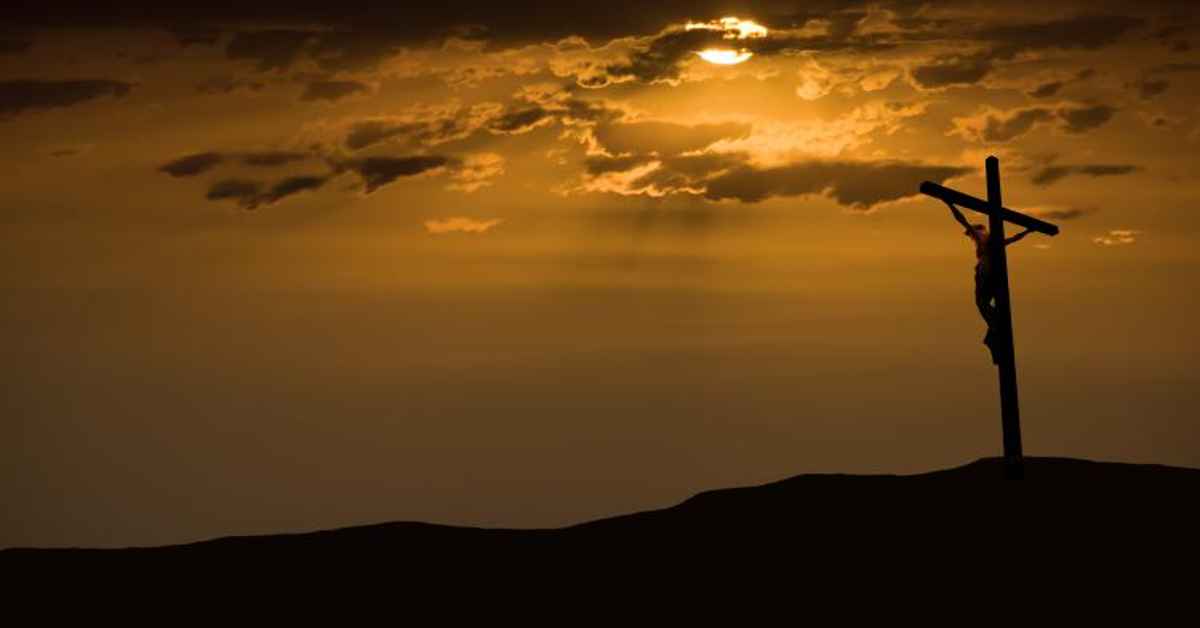
Good Friday, one of the most solemn days in Christianity, will be observed on April 3, 2026. The day commemorates the crucifixion of Jesus Christ and is marked by reflection, prayer, and remembrance of his sacrifice for humanity.

Also known as Holy Friday, Great Friday, or Black Friday, the occasion holds deep spiritual importance for Christians around the world.

History of Good Friday

According to the New Testament, Jesus Christ was arrested and brought before the Roman authorities after being accused of blasphemy by religious leaders. He was later sentenced to death by crucifixion under the orders of Pontius Pilate.

Following the trial, he was made to carry a wooden cross to the site of execution, where he was nailed to it and died. Crucifixion at the time was considered one of the harshest punishments, typically reserved for serious crimes.

For Christians, this event represents the ultimate act of sacrifice, believed to have been undertaken for the redemption of humanity’s sins.

Significance of the day

Good Friday is observed as a day of mourning, prayer, and repentance. Churches hold special services that include scripture readings, hymns, and reflections on the final hours of Christ’s life.

Many traditions associated with the day emphasize solemnity—church bells remain silent, lights are dimmed, and statues may be covered. Devotees often fast, participate in processions, and engage in charitable acts as a form of spiritual observance.

While the day reflects sorrow and sacrifice, it also carries a message of hope. It precedes Easter Sunday, which celebrates the resurrection of Jesus Christ and symbolizes renewal and the promise of new life.

Continue Reading

Festivals

Eid Mubarak 2026 wishes and greetings highlight joy and togetherness

Eid ul-Fitr 2026 is marked by prayers, celebrations and the exchange of heartfelt wishes that reflect joy, gratitude and togetherness.

Published

on

Eid Mubarak

As Eid ul-Fitr is celebrated across the world in 2026, people are sharing warm wishes and messages with family and friends, reflecting the spirit of unity and gratitude. The festival marks the conclusion of Ramadan, a period of fasting, prayer, and reflection observed by Muslims globally.

The occasion is traditionally associated with prayers, acts of charity, and festive meals, while modern celebrations increasingly include exchanging greetings through digital platforms. Messages shared via social media and messaging apps have become an important way to stay connected with loved ones, especially those living far away.

Sharing joy through meaningful messages

People are expressing their emotions through simple yet heartfelt wishes that capture the essence of the festival. Here are 20 messages widely shared during the celebrations:

  1. Eid Mubarak! May your home be filled with happiness and peace.
  2. Wishing you and your family a joyful and blessed Eid.
  3. May this Eid bring success, health, and prosperity to you.
  4. Eid Mubarak! Stay happy and keep smiling always.
  5. May Allah bless you with endless joy this Eid.
  6. Sending warm wishes and love on this special day.
  7. Eid Mubarak to you and your loved ones.
  8. May your prayers be accepted and your heart be content.
  9. Wishing you peace, happiness, and good health this Eid.
  10. May this festival bring new hope and opportunities.
  11. Eid Mubarak! Enjoy every moment with your family.
  12. May your life be filled with light and positivity.
  13. Wishing you a day full of laughter and celebration.
  14. Eid Mubarak! May all your dreams come true.
  15. May this Eid strengthen our bond and bring us closer.
  16. Sending you blessings and warm hugs this Eid.
  17. May your days be bright and your heart be light.
  18. Eid Mubarak! Celebrate with love and gratitude.
  19. May happiness surround you today and always.
  20. Wishing you a peaceful and joyful Eid with your loved ones.

While traditional customs remain central to the festival, the growing role of digital communication highlights how celebrations are evolving with time. The exchange of messages has become a key way to spread positivity and maintain connections.

Eid ul-Fitr continues to serve as a reminder of compassion, generosity, and togetherness, bringing people closer as they celebrate the end of a spiritually significant month.

Continue Reading

Trending

© Copyright 2022 APNLIVE.com