English हिन्दी
Connect with us

Top Stories

Transgenders chop tailor’s genitals in UP’s Shamli after mixing intoxicants in his tea

Jabbar was well acquainted with two transgenders, Pinky and Reshma, who used to live in Thanabhavan and Garhipukht.

Published

on

transgenders

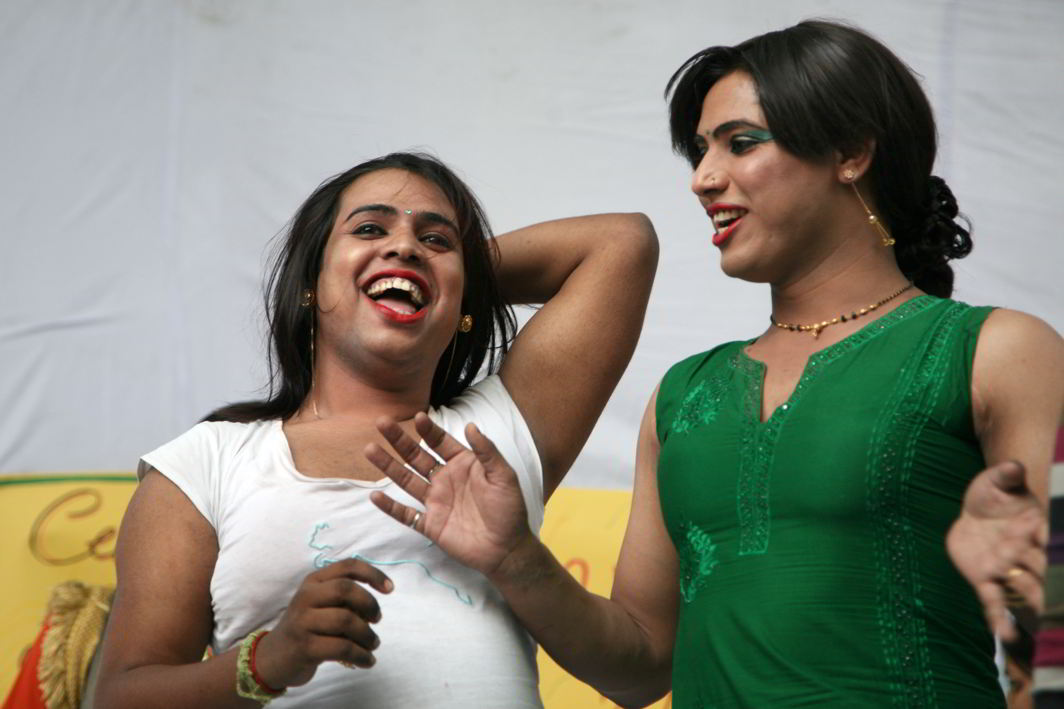
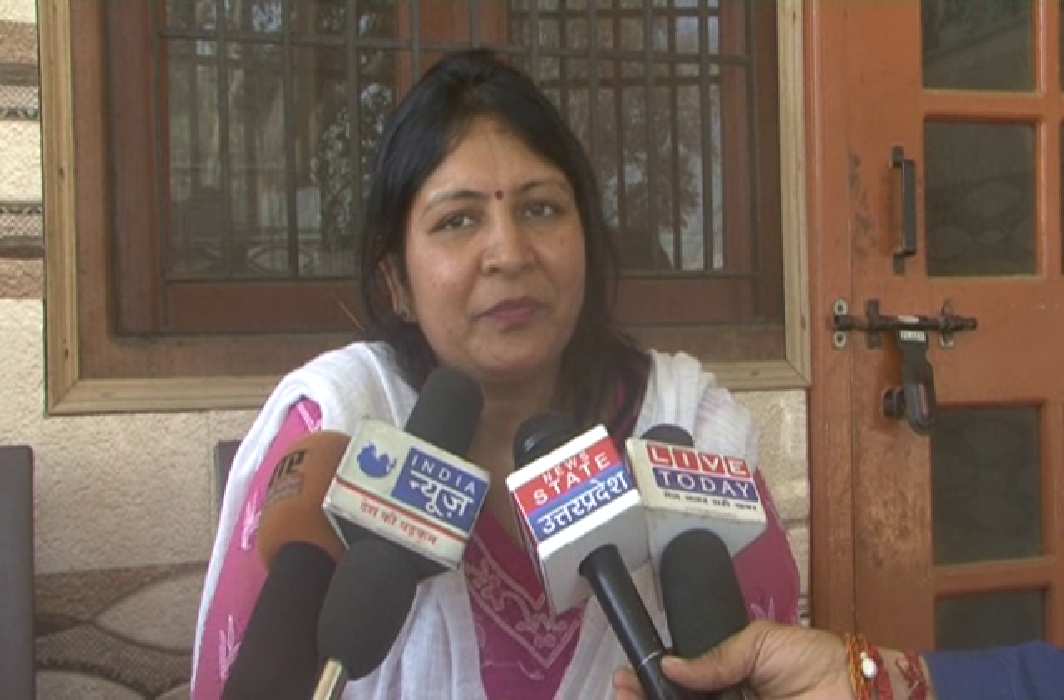
A horrific incident has come to light from the Shamli district of Uttar Pradesh where transgenders cut off the genitals of a man on the pretext of buying clothes. The victim is currently undergoing treatment in a hospital. The case has been registered against the accused based on the evidence.

As per the reports, the victim, Jabbar, is a resident of Sonta Rasulpur village in the Shamli area. He is married and works as a tailor. Jabbar was well acquainted with two transgenders, Pinky and Reshma, who used to live in Thanabhavan and Garhipukht.
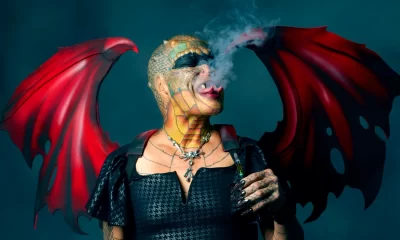
While filing a complaint at the Thanabhavan police station, he said he had gone to Thanabhawan for some work where he saw Pinky and Reshma. They made him sit in the car with them on the pretext of buying clothes from Shamli. Four others were also sitting in the car.

Read Also: BJP leader Parvesh Verma clashes with Yamuna Ghat workers who call him out on his lies, Video viral | Watch

The victim then alleged that on the way he was given intoxicating tea, which made him unconscious. Thereafter, the accused cut off his private part and threw it near the sugar mill in Thanabhawan district.

The victim said Pinky and Reshma told him to go to Shamli to get clothes. They made him drink tea. He said he didn’t know what they added to the tea, but he started feeling tipsy and then they later chopped off his private part.

The victim called his family as soon as he regained consciousness. They immediately rushed him to the health center, where he was referred to the higher center. Anil Singh, the in-charge of the police station, stated that his condition is critical.

On the basis of the complaint of the victim, ASP Shamli, OP Singh said the case has been registered under sections 328 and 326 of the Indian Penal Code (IPC). The investigation is going on in the case based on evidence.

Elon Musk’s decision to sack CEO Parag Agrawal sparks meme fest on Twitter

Telangana: 12 KGBV students hospitalized after consuming chutney with lizard remains

Latest world news

Trump signs Russia sanctions bill, India faces 100% tariff threat

Donald Trump has signed the Russia sanctions bill into law, giving the US president authority to impose tariffs of up to 100% on countries buying Russian oil and gas, including India and China.

Published

on

Donald Trump

US President Donald Trump has signed a Russia sanctions bill into law, giving his administration the authority to impose tariffs of up to 100 per cent on countries that buy Russian oil and gas.

The legislation puts major Russian energy buyers, including India and China, at risk of additional US tariffs. However, the law does not automatically impose a 100 per cent tariff on either country. The actual tariff would depend on whether Trump chooses to exercise the authority granted under the legislation.

The signing came two days after the Republican-led US House of Representatives passed the sweeping sanctions package by 262-159.

The legislation, known as the Lindsey O Graham Sanctioning Russia and Iran Act of 2026, is aimed at reducing the financial resources supporting Russia’s war against Ukraine.

What does the Russia sanctions bill contain?

The new law targets Russian officials, banks, energy interests and foreign entities accused of supporting Moscow’s military operations.

It also provides for tariffs of up to 500 per cent on Russian goods. Separately, countries covered by provisions targeting purchases of Russian oil and gas could face duties of up to 100 per cent.

The legislation also includes sanctions against Russian President Vladimir Putin and senior members of the Russian government.

Why India faces a 100% tariff threat

India is among the major buyers of Russian crude oil and could therefore be affected by the new tariff authority.

An amendment proposed by Democratic Congressman Steny Hoyer sought to explicitly identify 10 countries — China, India, the UAE, Turkiye, Singapore, Azerbaijan, Kazakhstan, Hungary, Kyrgyzstan and Slovakia — as eligible for tariffs of up to 100 per cent under the secondary tariff provisions.

However, the amendment itself does not impose a 100 per cent duty on India.

Instead, the legislation gives Trump the power to impose such tariffs if he decides to use it. The eventual impact on Indian exports will depend on the tariff rate, if any, announced by the US administration.

What India said on Russian oil purchases

India had responded to the passage of the sanctions bill by reiterating its focus on energy security.

The Ministry of External Affairs said India remains committed to ensuring energy security for its 1.4 billion people and would continue to diversify its sources of energy based on changing market conditions.

The ministry also said India’s oil trade with Russia had been discussed at high levels with US officials in recent months and that New Delhi had clearly conveyed the potential implications for bilateral relations and the international energy market.

Previous US tariffs on India

The latest development comes after earlier tariff tensions between India and the US over Russian crude imports.

According to the report, Trump had previously imposed an additional 25 per cent tariff on Indian imports of Russian crude, on top of a 25 per cent reciprocal tariff. The additional tariff was removed in February 2026, while the reciprocal tariff was reduced to 18 per cent under a US-India trade framework.

The new law therefore creates another potential source of pressure on India-US trade relations, although the final effect will depend on how the Trump administration uses the tariff authority.

Continue Reading

India News

Nandigram bypoll: Congress candidate arrested hours after Mamata’s support

Congress’s Nandigram bypoll candidate Milan Pradhan has been arrested in connection with an old alleged murder case, hours after Mamata Banerjee announced support for his candidature.

Published

on

Milan Pradhan

Congress candidate Milan Pradhan has been arrested in West Bengal in connection with an old murder case, hours after Mamata Banerjee announced that her faction would support his candidature in the October 6 Nandigram Assembly bypoll.

The arrest came on Friday, September 18, after Mamata Banerjee announced at a press conference at her Kalighat residence that her faction would back the Congress candidate in Nandigram.

Why was Milan Pradhan arrested?

According to the available report, Milan Pradhan was arrested in connection with an old alleged murder case. The report does not provide further details about the case, including the alleged incident, the sections invoked or the circumstances of the arrest.

The arrest therefore comes at a significant point in the Nandigram bypoll, with Pradhan having emerged as the Congress candidate after a series of political developments in the constituency.

Why did Mamata Banerjee support the Congress candidate?

Mamata Banerjee announced support for the Congress candidate after Sanchita Pradhan Dey, who had been fielded by her faction, withdrew from the Nandigram contest.

According to the report, Pradhan Dey withdrew her candidature after a meeting with West Bengal Chief Minister Suvendu Adhikari. Mamata subsequently announced that her faction would support the Congress candidate in the October 6 Nandigram Assembly bypoll.

The development placed Milan Pradhan at the centre of the latest political developments surrounding the Nandigram election.

Nandigram bypoll scheduled for October 6

The Nandigram Assembly bypoll is scheduled for October 6. The constituency has drawn attention ahead of the election following changes involving candidates and the political support announced by Mamata Banerjee’s faction.

With Milan Pradhan’s arrest now reported, the Congress candidate’s legal case is likely to become another important development in the run-up to the bypoll.

Continue Reading

India News

Rahul Gandhi attacks Election Commission over TMC symbol freeze

Rahul Gandhi accused the Election Commission of colluding with the BJP after the poll panel froze the Trinamool Congress’ election symbol ahead of West Bengal bypolls.

Published

on

Rahul Gandhi

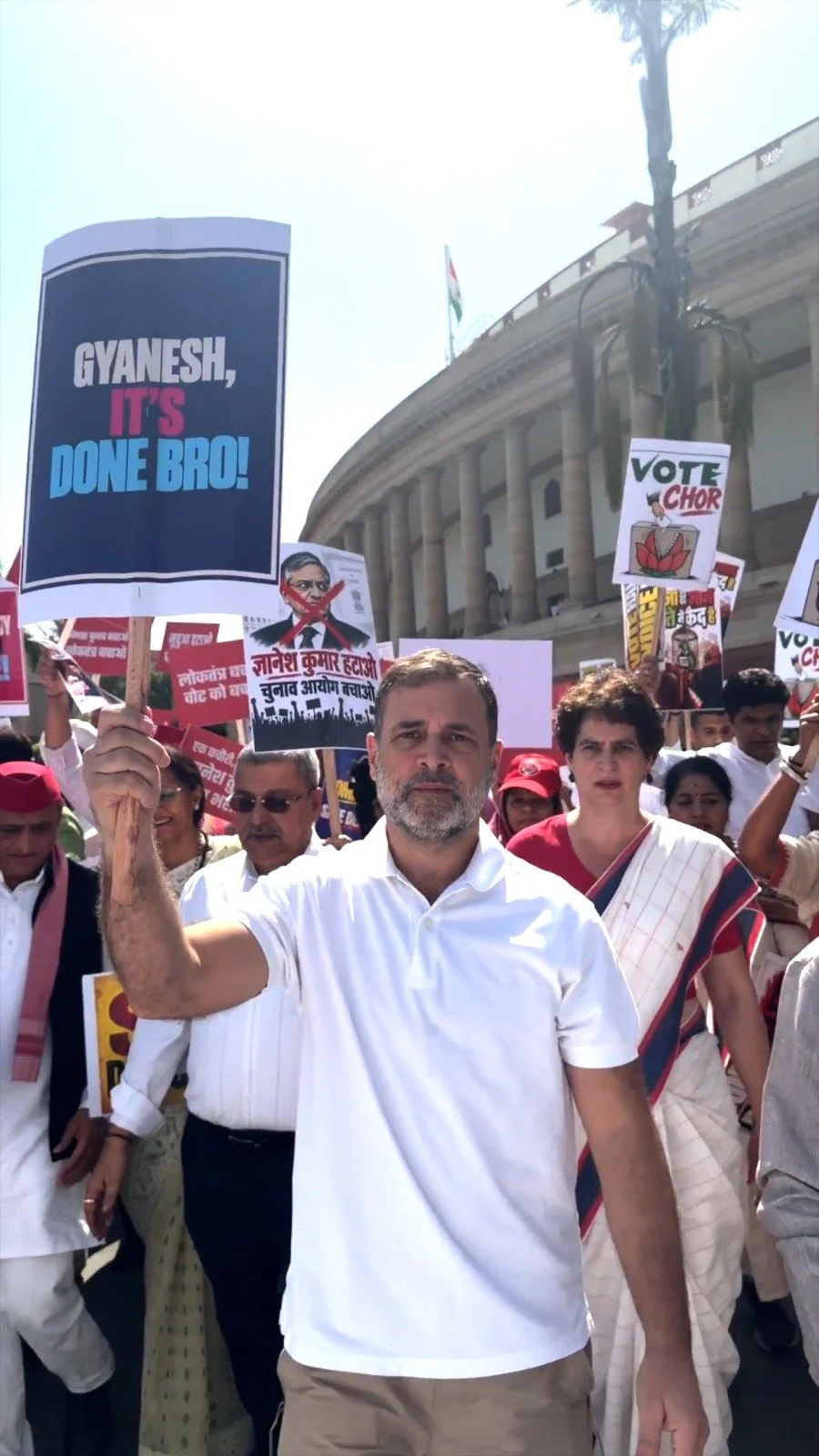
Congress leader and Leader of Opposition Rahul Gandhi has criticised the Election Commission after it froze the Trinamool Congress’ election symbol ahead of the upcoming West Bengal bypolls.

Rahul Gandhi accused the poll panel of “colluding” with the BJP and linked the development to his broader allegations concerning “vote chori”. The remarks came a day after the Election Commission froze the Trinamool Congress’ “flower” symbol amid competing claims from two factions of the party.

The two factions are led by former West Bengal Chief Minister Mamata Banerjee on one side and a group involving Ritabrata Banerjee and others on the other. Neither faction can use the party’s existing symbol for the Nandigram and Rejinagar bypolls scheduled for October 6.

What Rahul Gandhi said

Rahul Gandhi drew parallels with earlier disputes involving the Shiv Sena and Nationalist Congress Party while alleging a similar pattern in the Trinamool Congress case.

He alleged that the BJP and Election Commission work together to split political parties and take away their election symbols.

Gandhi also said the Election Commission’s constitutional responsibility was to protect the people’s mandate. He accused the poll panel of instead helping forces that, according to him, overturn electoral verdicts.

Backing Mamata Banerjee, Gandhi said the issue was not only her fight but also concerned political parties and voters seeking free and fair elections. He also connected the TMC dispute with his repeated allegations of “vote chori”.

Why the Election Commission froze the TMC symbol

The Election Commission’s interim action followed competing claims over control of the recognised political party.

According to the poll panel, a substantive determination under Paragraph 15 of the Election Symbols (Reservation & Allotment) Order, 1968, is required to decide which group represents the recognised party. The interim arrangement will remain in place until that determination.

Both groups were asked to submit three preferred party names and three free symbols by 11 am on September 18 for the upcoming bypolls.

The Election Commission’s proceedings involve rival claims over the party’s organisational control, name and election symbol. The dispute emerged after the Trinamool Congress split following its defeat in the West Bengal Assembly election in May, according to the report.

Reference to Shiv Sena and NCP disputes

Rahul Gandhi also referred to earlier disputes involving the Shiv Sena and NCP, where rival factions had contested control over the parties and their election symbols.

In those cases, the factions led by Eknath Shinde and the late Ajit Pawar received the respective party names and symbols, while the Uddhav Thackeray and Sharad Pawar factions continued with new party names and symbols.

Continue Reading

Trending

© Copyright 2022 APNLIVE.com