
India News
Mann Ki Baat today: PM Modi may address THESE issues on 83rd edition of radio show

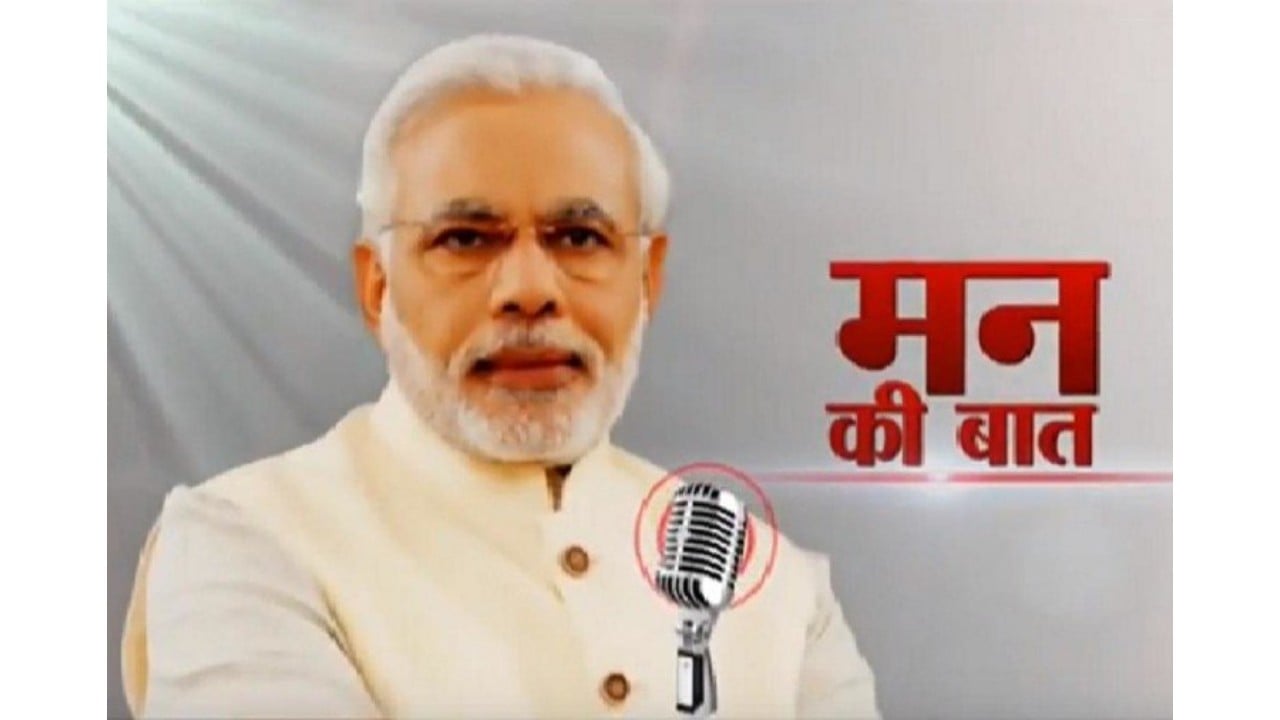
Prime Minister Narendra Modi will address the nation in the 83rd edition of his monthly radio show Mann Ki Baat. PM Modi in his radio program is likely to discuss the farm repeal laws, new variation of coronavirus- Omicron, climate change, air pollution and some other issues.
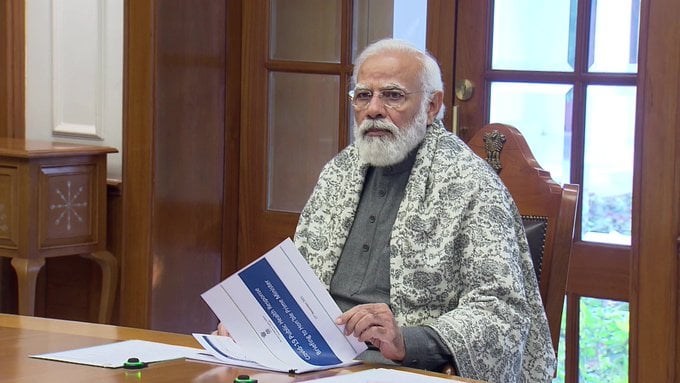
At this time, coronavirus infection has once again become a matter of concern for the country and the world. PM Modi has also held an important meeting regarding this.
PM Modi has also asked the citizens to give suggestions on topics for Mann Ki Baat either on the NAMO app or on the MyJio app. People can also call on the toll-free number 1800 11 7800 and record their message which they feel need to be addressed on the radio show.
Where to watch Mann Ki Baat?
Mann Ki Baat will air all over the AIR and Doordarshan network, as well as on the All India Radio (AIR) News website www.newsonair.com and the newsonair Mobile App.
It will also be aired live on the AIR, DD News, PMO, and the Information and Broadcasting Ministry’s YouTube channels.
Following the Hindi broadcast, AIR will broadcast the episode in regional languages. The regional language versions will be broadcast again at 8 p.m.
PM Modi emphasised the implementation of the Swacch Bharat Abhiyan in his last edition of Mann Ki Baat. He also mentioned that India is one of the first countries in the world to use drones to create digital land records in its villages.
What is Mann Ki Baat?
Mann Ki Baat is a radio program hosted by PM Modi in which he addresses the people of the nation. The show was first aired on 3rd October 2014. The main purpose of the program is to establish a dialogue with the citizens on issues of day-to-day governance. The programme aims to deliver the Prime Minister’s voice and ideas to the general masses of India. The programme is India’s first visually enriched radio program.







India News
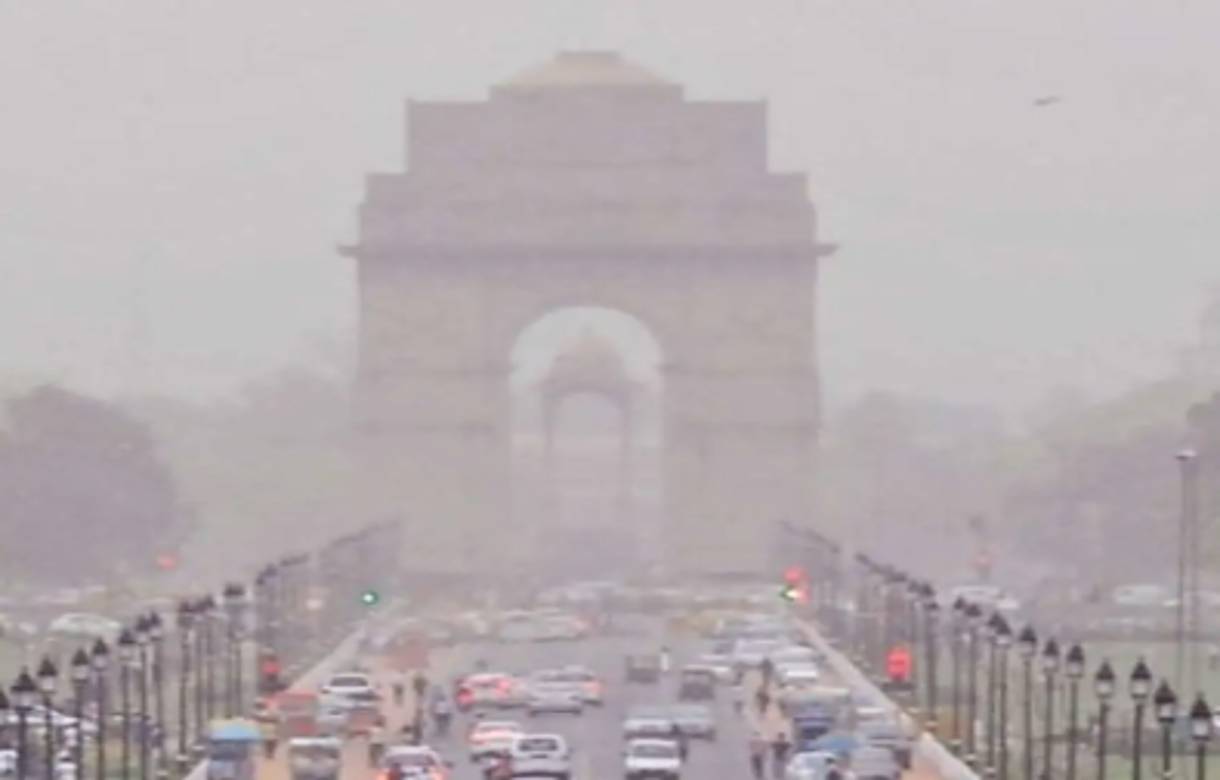
Delhi’s winter pollution persists despite emergency curbs under GRAP
Delhi has brought back pollution curbs under the Graded Response Action Plan (GRAP), but an analysis of past winters highlights the limits of relying on emergency restrictions without sustained action against pollution sources.

India News
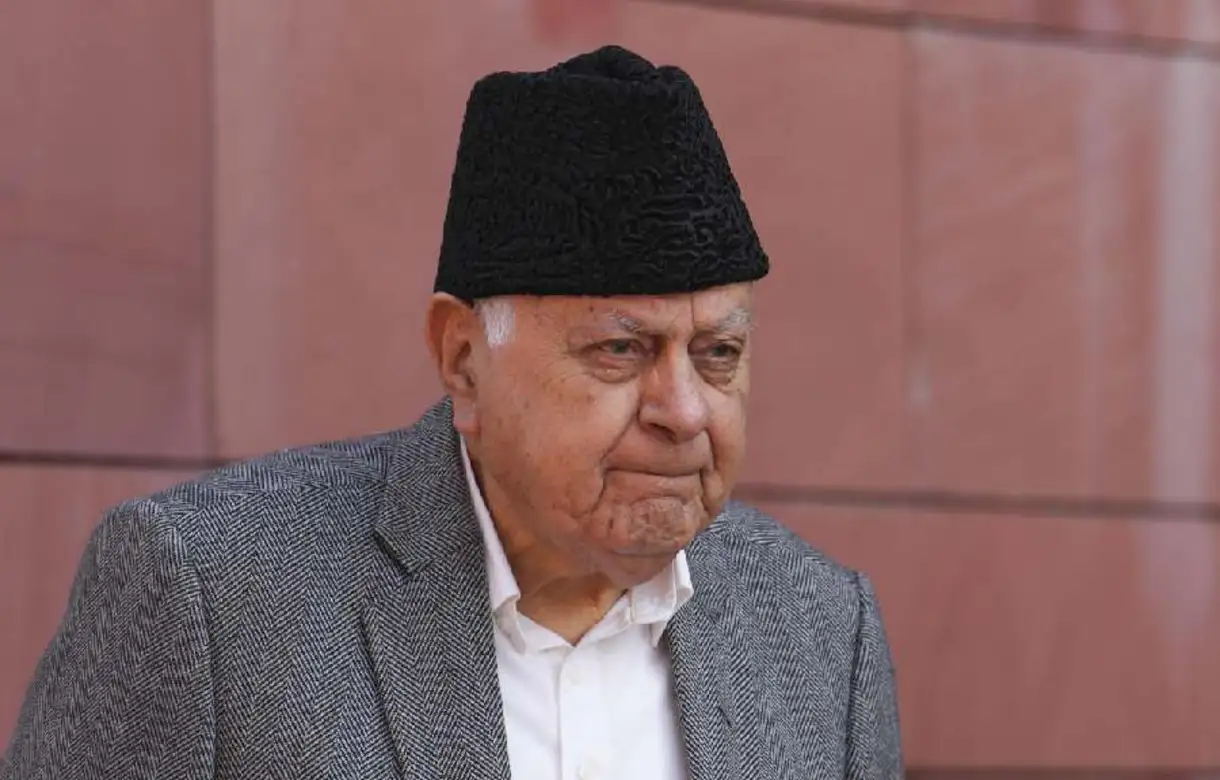
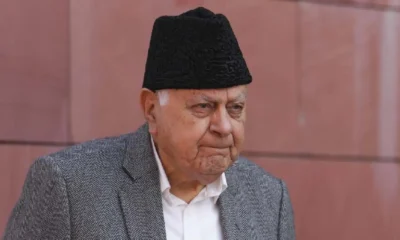
Farooq Abdullah’s Pakistan remarks spark row, BJP demands action
Farooq Abdullah’s remarks about Pakistan’s role in raising the Kashmir issue internationally triggered a political controversy, with BJP leaders accusing him of echoing Pakistan’s narrative and demanding action.
India News
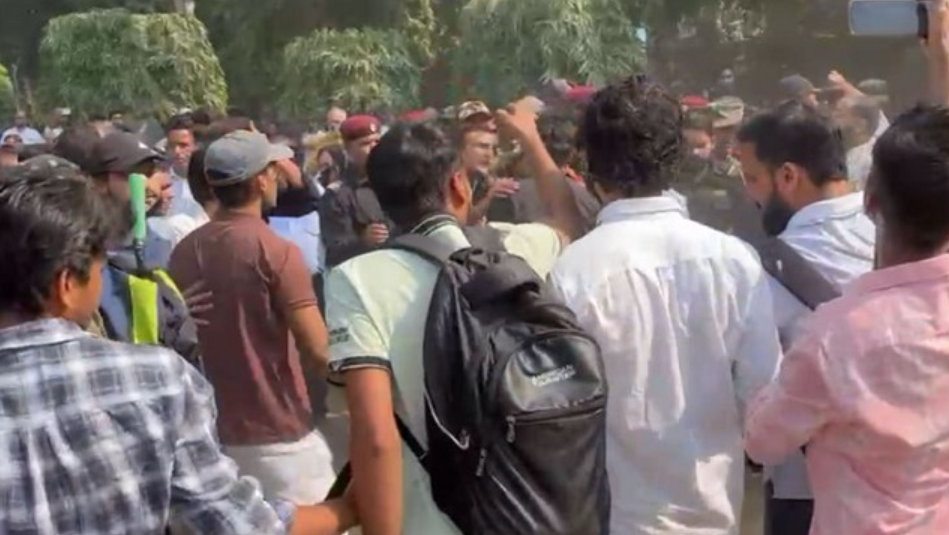
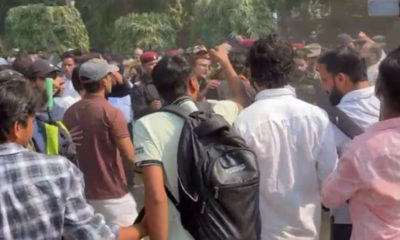
Jamia Millia Islamia shifts classes online after student-guard clash
Jamia Millia Islamia shifted classes online after protesting students clashed with security guards on October 24. The students have been demanding the restoration of the university’s students’ union, which was disbanded in 2006.

Congress seeks 175-200 seats in UP, Samajwadi Party stresses on winnability

Thousands bang utensils, beat drums in Manipur protest over continued killings

Delhi’s winter pollution persists despite emergency curbs under GRAP

Jamia Millia Islamia shifts classes online after student-guard clash

Farooq Abdullah’s Pakistan remarks spark row, BJP demands action
Delhi’s winter pollution persists despite emergency curbs under GRAP
Farooq Abdullah’s Pakistan remarks spark row, BJP demands action
Jamia Millia Islamia shifts classes online after student-guard clash
Congress seeks 175-200 seats in UP, Samajwadi Party stresses on winnability
Thousands bang utensils, beat drums in Manipur protest over continued killings

Afghan Men Try To Hang With The Jet Engine Of The Aircraft in Kabul- Afghanistan News – Kabul News
Trending Top 10 News: 10000 Crore Fine on Flipkart, Apple to Launch Unique Feature, Hdfc Bank Job Ad

Trending Top 10 News: Nokia 6310, Apple sales, Bachpan ka Pyar Video Kid, Dainik Bhaskar IT Raid

Trending Top 10 News: Canada bans Indian flights, Rain in Delhi NCR, AIMIM Twitter hacked, Raj Kundra case

Trending Top 10 News: Shein India, Apple New Service, Pocket Oxygen, Oppo Launched New Phone
-
 India News21 hours ago
Congress seeks 175-200 seats in UP, Samajwadi Party stresses on winnability
-
 India News22 hours ago
Thousands bang utensils, beat drums in Manipur protest over continued killings
-
 India News12 hours ago
Delhi’s winter pollution persists despite emergency curbs under GRAP
-
 India News12 hours ago
Jamia Millia Islamia shifts classes online after student-guard clash
-
 India News12 hours ago
Farooq Abdullah’s Pakistan remarks spark row, BJP demands action
