India News
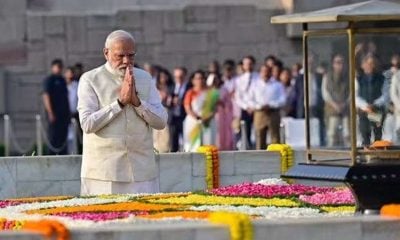
PM Modi courts investors with India’s $30 billion chipmaking push
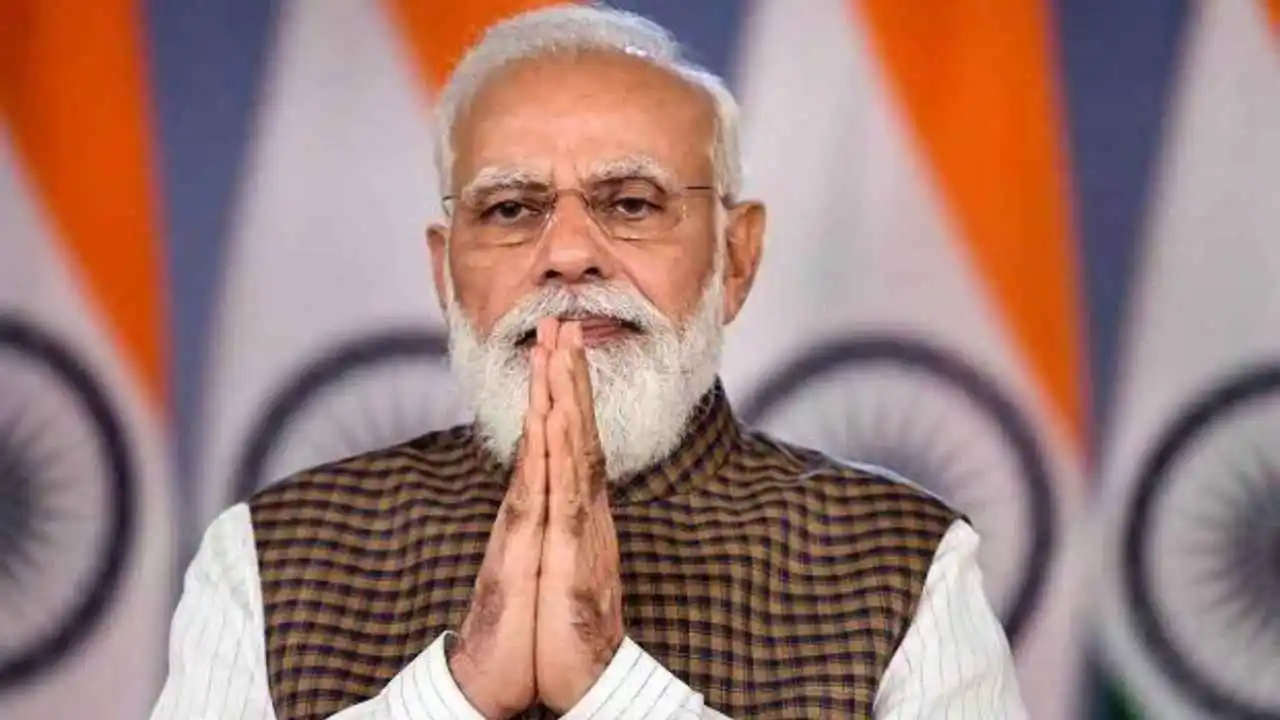
PM Modi is pitching India’s semiconductor ambitions to global investors at Semicon 2026, as the country expands efforts to build a domestic chipmaking ecosystem.










India News
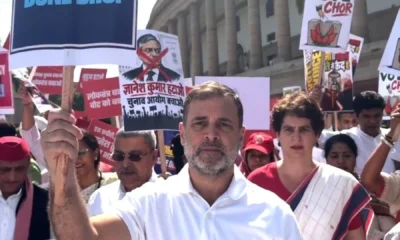
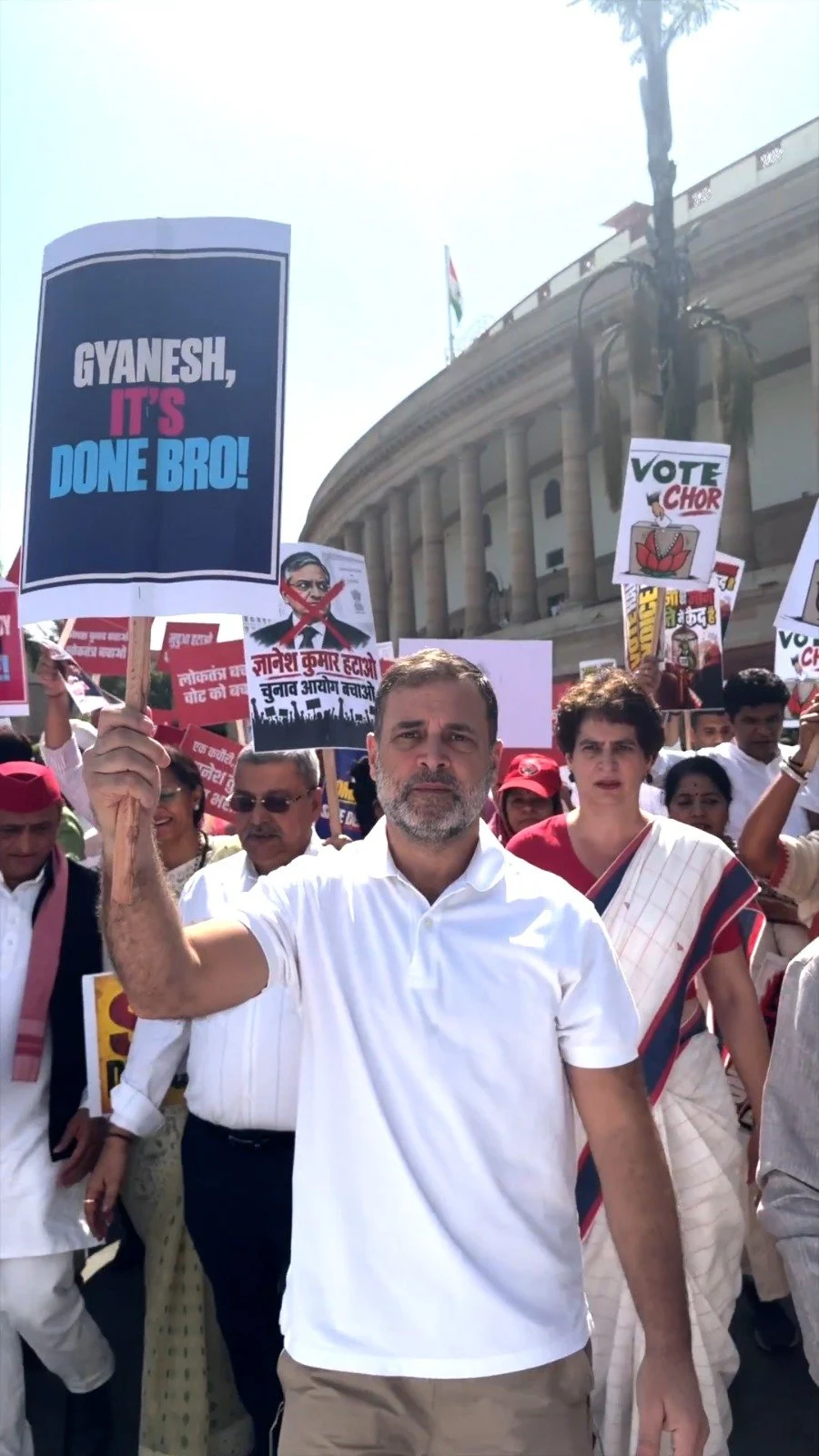
INDIA Bloc protest intensifies, Opposition MPs plan Rajghat march
The INDIA bloc has planned another round of protests against Chief Election Commissioner Gyanesh Kumar, with Opposition MPs expected to march to Rajghat on Thursday.
India News
Delhi Building Collapse: Many trapped as 5-storey structure comes down
A building collapsed in Delhi’s Seemapuri area on Wednesday, with several people feared trapped under the debris. Rescue teams have reached the spot.


India News11 hours ago
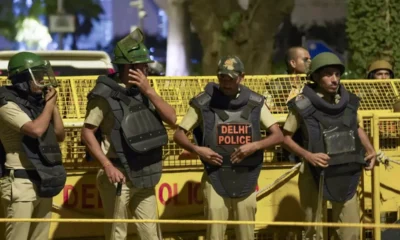
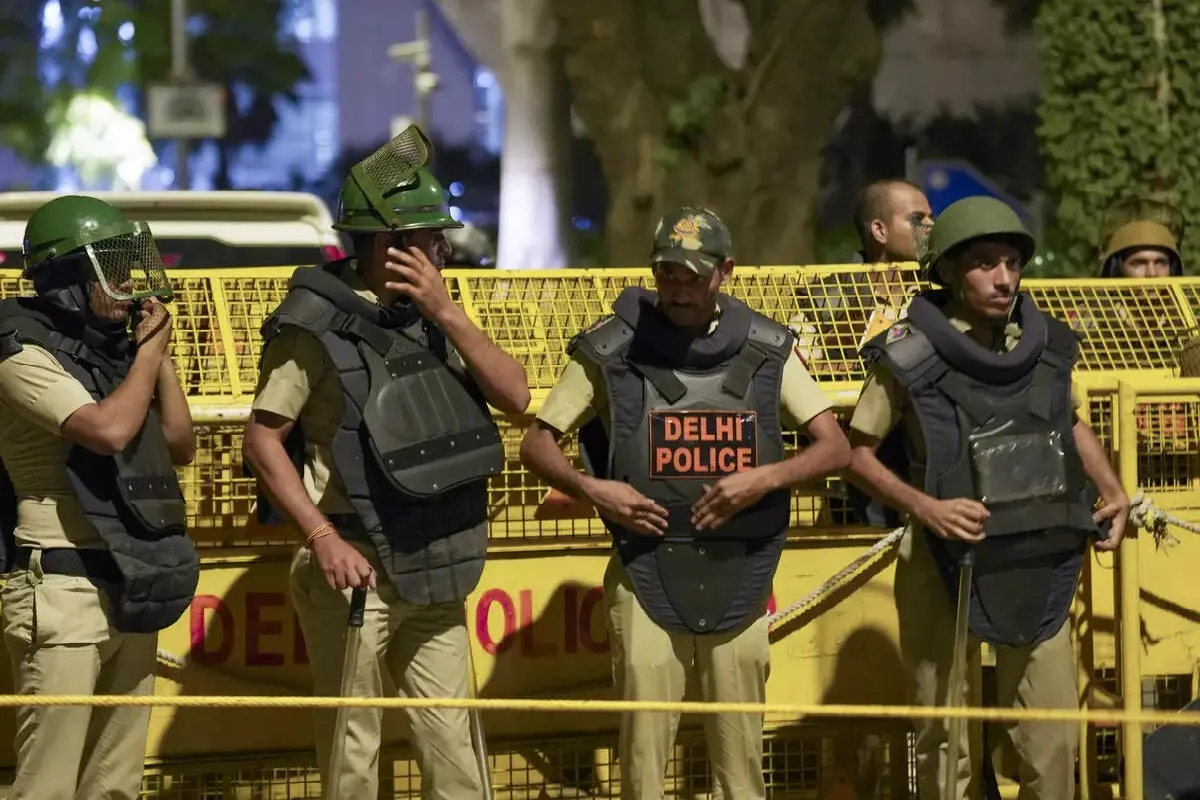
Tomorrow’s security shutdown to turn Delhi into a city of barricades

India News1 day ago
INDIA Bloc protest intensifies, Opposition MPs plan Rajghat march

India News2 days ago
Delhi Building Collapse: Many trapped as 5-storey structure comes down

India News2 days ago
Bhagwant Mann hits back at BJP over CBI search in Sangrur

India News3 days ago
India’s 3-part peace plan to end Russia-Ukraine war explained

RecommendedVideo5 years ago
Afghan Men Try To Hang With The Jet Engine Of The Aircraft in Kabul- Afghanistan News – Kabul News
videos5 years ago
Trending Top 10 News: 10000 Crore Fine on Flipkart, Apple to Launch Unique Feature, Hdfc Bank Job Ad

videos5 years ago
Trending Top 10 News: Nokia 6310, Apple sales, Bachpan ka Pyar Video Kid, Dainik Bhaskar IT Raid

videos5 years ago
Trending Top 10 News: Canada bans Indian flights, Rain in Delhi NCR, AIMIM Twitter hacked, Raj Kundra case

videos5 years ago