English हिन्दी
Connect with us

India News

Siddharth Shukla: Bigg Boss 13 participants visit his family, Asim Riaz reaches Cooper hospital

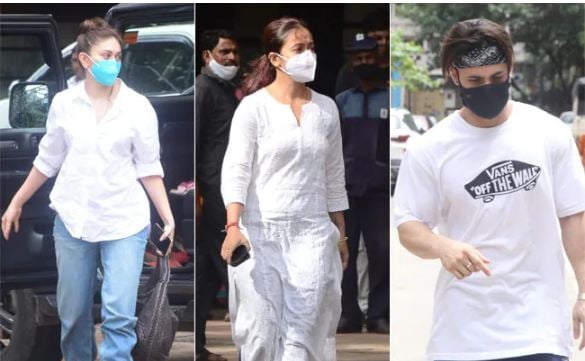
Actor Arti Singh, Devoleena Bhattacharjee and Shefali Jariwala who were co-participants with Sidharth Shukla in the Bigg Boss 13 house also reached the late actor’s resident. Shefali Jariwala who shared a great bond with Shukla shared a heart-wrenching note on his sudden demise. Check out here.

Published

on

Asim Riaz

Actor Siddharth Shukla took his last breathe on Thursday at Mumbai’s Cooper hospital. Hours later of the actor’s demise, many friends/ colleagues reached the actor’s resident or hospital just to say a final goodbye to him.

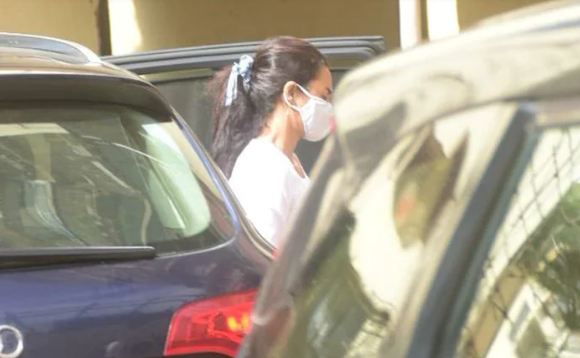
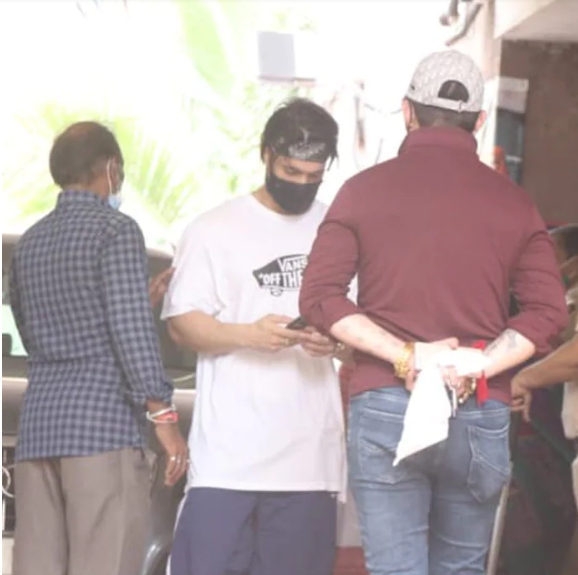
Bigg Boss 13 participant and a very good friend of Shukla, Asim Riaz reached the hospital after hearing the news. Riaz was spotted outside Mumbai’s Cooper hospital where Humpty Sharma Ki Dulhaniya actor took his last breath. 

Riaz also shared an emotional note for his Shukla on his Instagram where he said, he had a dream in the morning about the big boss journey… and he saw Sidharth watching his Bigg Boss clip he came and gave a hug to him, I still can’t believe this, see you on the other side, Sid, Riaz added in his post.

https://www.instagram.com/p/CTUE7qhAn88/
https://www.instagram.com/p/CTT4wQqMnxh/

Actor Arti Singh, Devoleena Bhattacharjee and Shefali Jariwala who were co-participants with Siddharth Shukla in the Bigg Boss 13 house also reached the late actor’s resident. Shefali Jariwala who shared a great bond with Shukla shared a heart-wrenching note on his sudden demise. Check out here.
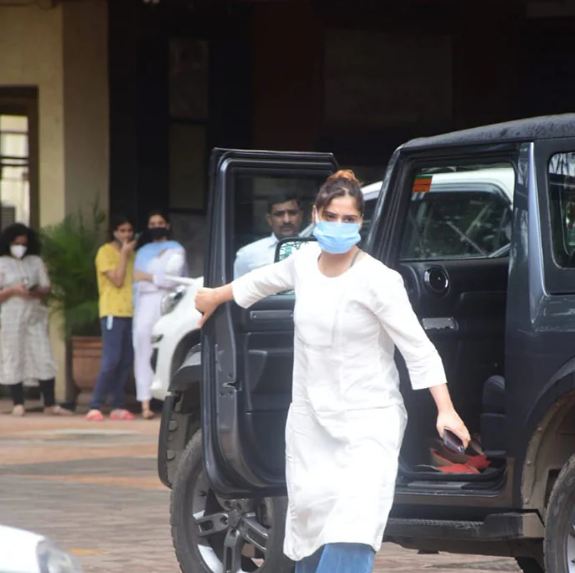
Arti Singh at Sidharth Shukla’s house

Check out Shefali Jariwala and Arti Singh’s photos reaching in hurry at Sidharth Shukla’s residence. Devoleena visited Sidharth Shukla’s family with one of the Bigg Boss 13 participant Vishal Aditya Singh.

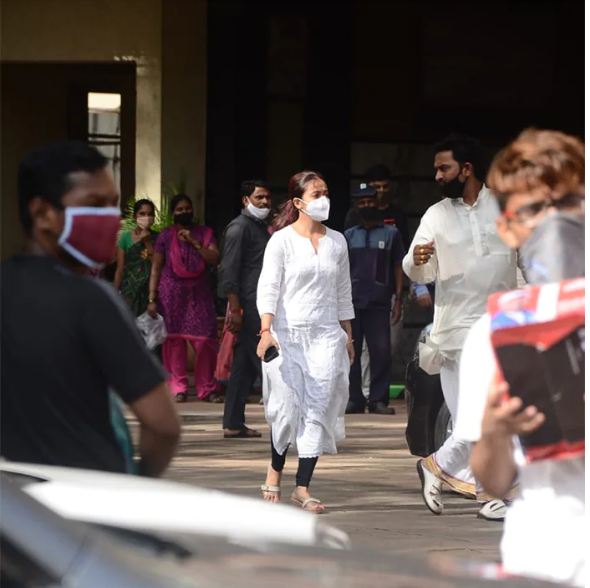
Devoleena Bhattacharjee at Sidharth Shukla’s home

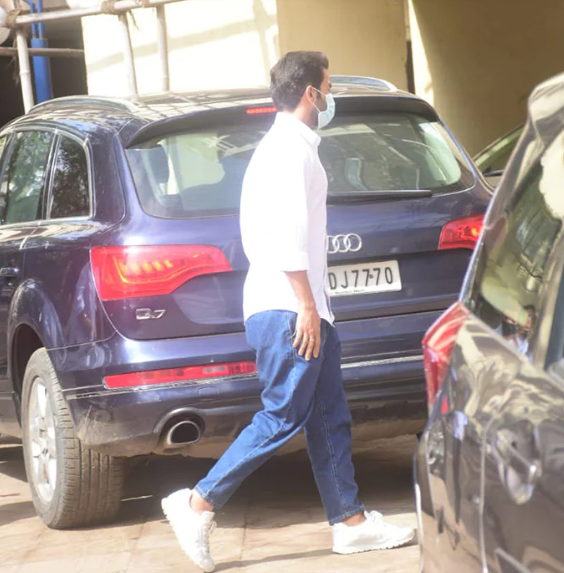
Meanwhile, actor Rajkummar Rao with his girlfriend Patralekhaa were also seen arriving at Sidharth Shukla’s resident. Earlier, Rajkummar Rao has expressed grief over Bigg Boss 13 winner’s death. He shared some photos of Shukla on his social media platform with some emotional notes.

Read Also: The Empire review: Kunal Kapoor, Dino Morea, Shabana Azmi bring Babur’s saga to life
https://www.instagram.com/p/CTT-NKljxUp/
Patralekhaa at Sidharth Shukla’s house

Siddharth Shukla was best known for his character in Balika Vadhu, later the actor got in the limelight after winning the reality show Bigg Boss season 13. He also won Khatron Ke Khiladi 7 and participated in another reality show called Jhalak Dikhhla Jaa 6.

India News

S Jaishankar warns of major food crisis, urges policymakers to look beyond borders

External Affairs Minister S Jaishankar has warned that disruptions to grain shipments and fertiliser supplies could contribute to a major food crisis in the coming months. He also highlighted interconnected pressures on food, fuel, fertiliser and finance.

Published

on

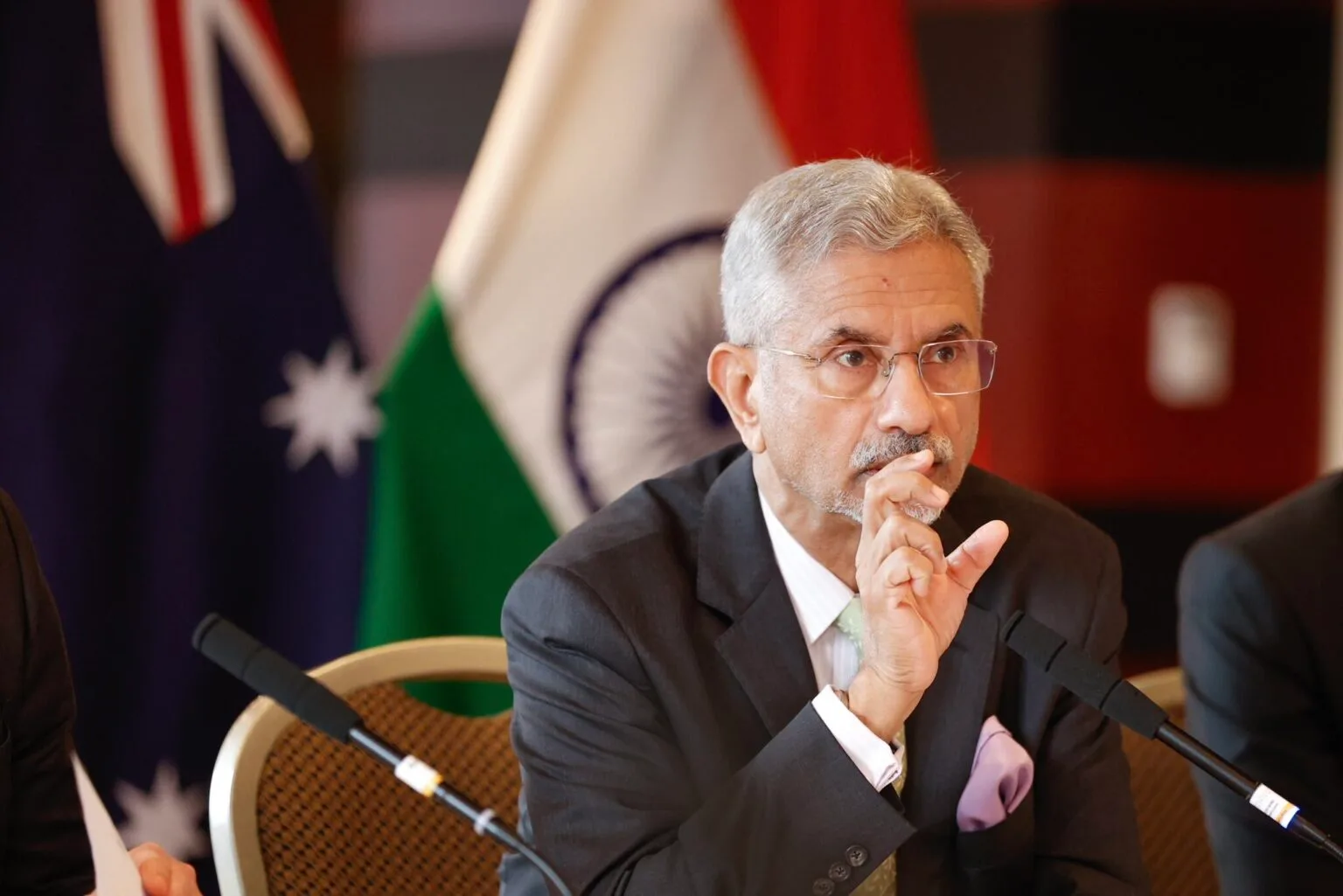
External Affairs Minister S Jaishankar has warned that the world could face a major food crisis in the coming months amid disruptions to grain shipments and fertiliser supplies.

Speaking at an event organised by the Asia Society in New York, Jaishankar linked the food security concerns to wider global pressures involving energy, fertilisers and finance. He described these interconnected challenges as part of what he has called the “4F crisis” — food, fuel, fertiliser and finance.

Jaishankar’s remarks came at the end of the UN High-Level Week in New York, where he also discussed global conflicts, supply-chain vulnerabilities, development challenges and the changing nature of international relations.

Jaishankar’s food crisis warning

Jaishankar said disruptions affecting grain exports could put additional pressure on food supplies. He also pointed to fertiliser shortages and the difficulties faced by major suppliers.

He specifically highlighted the importance of grain shipments through the Black Sea region and warned that difficulties in moving supplies could have wider consequences for food security. He said the situation could contribute to a major food crisis in the coming months.

The minister also referred to the possibility of additional pressure from weather conditions, including a strong El Niño, according to reports on his remarks.

What is the 4F crisis?

The “4F crisis” refers to pressures involving food, fuel, fertiliser and finance.

Jaishankar said a large part of the world is dealing with these interconnected challenges. He also pointed to growing vulnerabilities in global supply chains and said progress towards the Sustainable Development Goals was falling behind.

The four areas are closely connected. Disruptions to energy supplies can affect production and transportation, while fertiliser shortages can add pressure to agricultural output. At the same time, geopolitical conflicts can affect the movement of capital and increase financial pressure on developing economies.

Global conflicts adding pressure

Jaishankar linked the wider situation to ongoing conflicts and geopolitical tensions. He said the consequences of major conflicts are no longer confined to the countries directly involved.

He also highlighted concerns over the situation in West Asia and conflicts in Africa, including Sudan. According to Jaishankar, these developments are contributing to an increasingly difficult global environment.

The minister further said conflicts can push capital towards perceived safer markets, creating additional financial pressure on developing countries.

Jaishankar’s message to policymakers

Jaishankar urged governments to consider how their policy decisions affect countries beyond their own borders.

He argued that policymakers should not look only at domestic interests when decisions can have wider international consequences. He said countries should not become so focused on their own interests that they ignore the effects of their decisions elsewhere.

His remarks placed particular emphasis on the difficulties faced by developing countries, which can have less room to absorb simultaneous shocks involving food, energy, fertilisers and finance.

‘Interdependence is the reality’

Jaishankar also spoke about the tension between economic interdependence and geopolitical competition.

“The interdependence is the reality, the competition is the sentiment,” he said while describing what he called a central paradox of the current global environment. He argued that countries remain deeply connected but can increasingly use those connections as sources of leverage.

He also described diplomacy as an “extreme sport”, pointing to the growing risks associated with economic relationships, supply chains and geopolitical competition.

What did Jaishankar say about the global outlook?

Jaishankar described the international environment as increasingly difficult, citing conflicts, economic pressures, supply-chain vulnerabilities and uncertainty surrounding technology.

At the same time, he said he was not pessimistic about the world and noted that countries still have an interest in establishing stable and reliable arrangements.

Continue Reading

India News

Former IAS officer Divya Mittal enters politics, rules out joining any party

Former IAS officer Divya Mittal has announced her entry into politics in Uttar Pradesh, saying she will not join any political party and will instead work with people.
Published

on

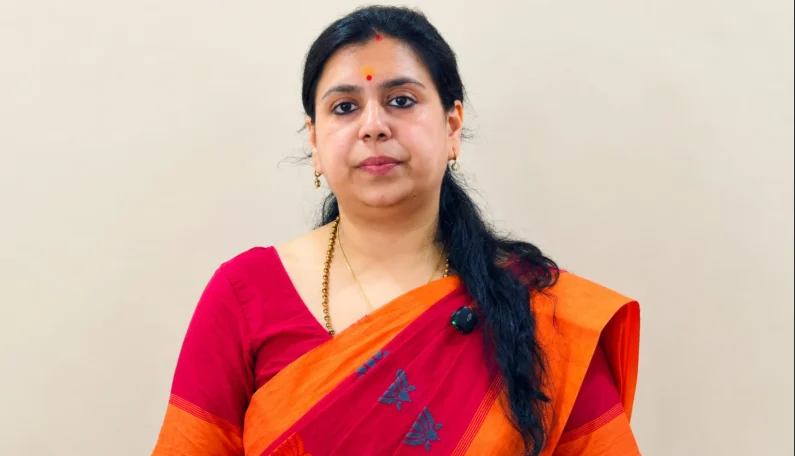
Former IAS officer Divya Mittal has announced her entry into politics, saying she will begin her political journey in Uttar Pradesh without joining any political party. Her announcement comes weeks after she resigned from the civil service.

Mittal, a 2013-batch IAS officer, said Uttar Pradesh was her “karmabhoomi” and would be the starting point of her political journey. She described herself as a voice for people whose concerns, according to her, often fail to reach government offices or are not heard when they do.

Divya Mittal’s political entry

In a video message, Mittal said that when people asked what she would do after leaving the IAS, her answer was politics. She said she wanted to become the voice of people and seek greater accountability.

“I will do politics, but not with anyone or any party. But with you all,” she said, adding that she would fight from Uttar Pradesh.

Mittal also appealed to people from different sections, including teachers, farmers, students, doctors, labourers and lawyers, to participate in her effort. She said meaningful political change would require collective public participation.

Issues highlighted by former IAS officer

While explaining the issues she wants to take up, Mittal referred to her administrative experience in Uttar Pradesh.

She recalled an incident from Lahuria Dah, where a woman had approached her seeking a school beyond Class 5. Mittal said she examined the rules and approved the school, but construction had still not begun three years later. She used the example to highlight what she described as a lack of accountability and will in implementing decisions.

Mittal also spoke about infrastructure problems in villages, including roads and bridges, as well as difficulties faced by children and families during the monsoon.

She raised concerns about the future of young people, mentioning examination paper leaks, delays in recruitment processes and the potential impact of artificial intelligence on employment.

Divya Mittal’s IAS career

Mittal resigned from the IAS after nearly 13 years of service, with her resignation accepted in September 2026. She served as District Magistrate in districts including Mirzapur and Deoria and was known for work related to providing piped water to remote villages in Mirzapur.

Her earlier administrative postings also included Sant Kabir Nagar. She had joined the civil services in 2013 after previously working in finance in London.

Her political announcement comes ahead of the Uttar Pradesh Assembly election due in 2027. However, the current report does not specify whether Mittal will contest from a particular constituency or whether she has formed or plans to form a political organisation.

Continue Reading

India News

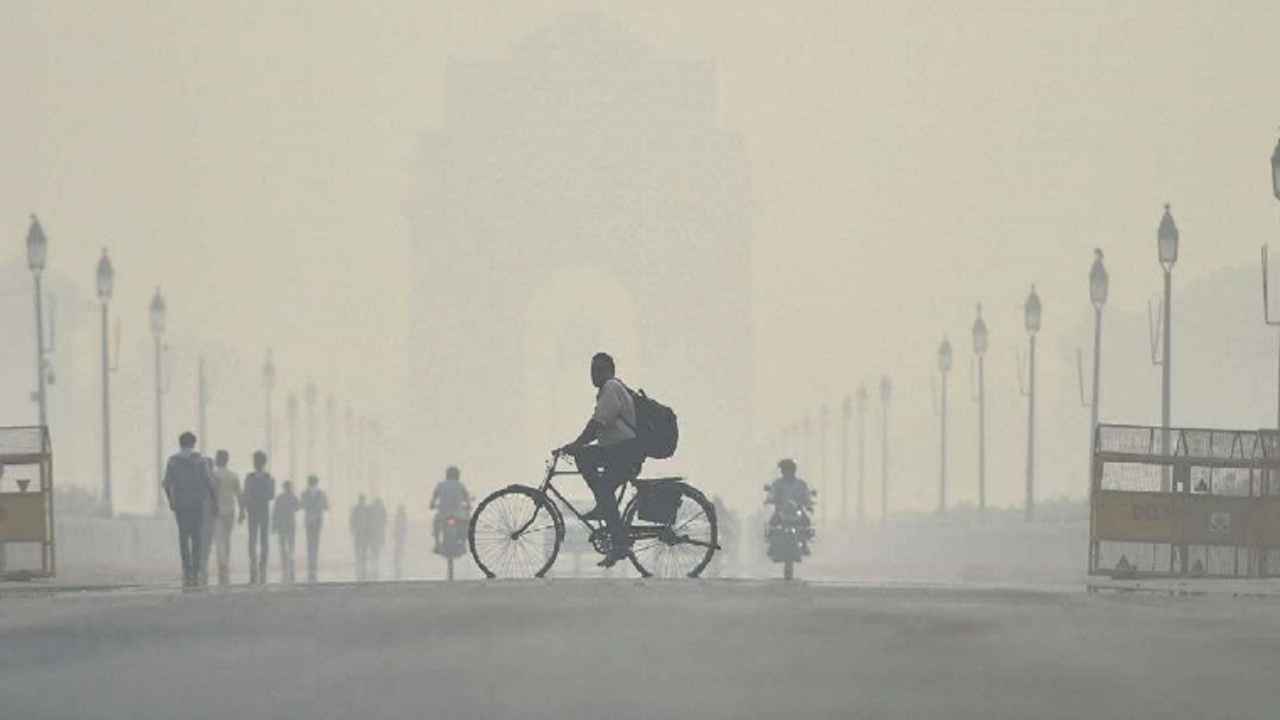
Delhi Winter Pollution Plan: Construction ban, 50% WFH and more

Delhi’s winter pollution plan includes construction curbs, dust-control measures, 50% work-from-home, higher parking charges and restrictions on certain vehicles.
Published

on

Delhi-Pollution

Delhi has put in place a permanent framework of measures aimed at tackling the rise in air pollution during the winter months. The plan covers construction and demolition activities, dust control, office attendance, parking charges, vehicle emissions and open burning.

The framework is designed to come into force automatically each year between November 1 and February 28, rather than requiring separate winter-specific orders.

Construction and demolition restrictions

Dust-generating demolition and outdoor civil construction activities will be prohibited from November 1 to January 31, with exemptions for essential public infrastructure projects.

A stricter phase of restrictions will apply from December 10 to January 20. During this period, construction and demolition activities will face a wider ban, with limited exemptions for urgent government and emergency works.

Indoor finishing, plumbing and electrical work can continue subject to dust-control requirements.

The winter framework also provides for restrictions on the movement of vehicles carrying construction materials such as sand, cement, bricks, stone and construction debris during the stricter period.

Dust-control measures

The government has placed greater emphasis on monitoring dust from construction sites. Large construction sites will be required to use measures such as mist systems for dust suppression.

Commercial buildings meeting specified size and height criteria, including malls, hotels and offices, will also be required to install anti-smog guns or mist systems.

The framework provides for field and drone-based surveillance to identify violations, including open burning.

50% work from home

From November 1 to January 31, government and private offices in Delhi will have to limit physical attendance to 50 per cent, with the remaining employees working from home.

Essential services, including hospitals, fire services, public transport, electricity, water supply and disaster management, are exempt from the work-from-home requirement.

Private offices will also be encouraged to stagger working hours and promote carpooling, ride-sharing and public transport.

Staggered office timings

Government offices will follow different working hours from November 1 to February 28.

Municipal Corporation of Delhi offices will operate from 8:30 am to 5 pm, while Delhi government offices will function from 10 am to 6:30 pm.

The measure is intended to spread commuting across different time periods and reduce peak-hour traffic.

Parking charges to double

Parking charges at authorised parking facilities will be doubled from November 1 to February 28.

Delhi Metro Rail Corporation parking facilities are exempt from the increase.

The measure is intended to discourage private vehicle use and encourage commuters to use public transport.

No PUC, no fuel

The framework also provides for a year-round requirement that vehicles have a valid Pollution Under Control certificate to receive fuel at petrol, diesel and CNG/LPG outlets in Delhi.

PUC details can be checked through physical documents and electronic systems, including vehicle registration databases and automatic number plate recognition systems.

Restrictions on older vehicles

From November 1 to January 31, non-Delhi vehicles that do not meet BS-VI emission standards will be restricted from entering the capital.

CNG and electric vehicles, along with emergency and other essential vehicles, are exempt from the restriction.

Action against open burning

The winter framework also places responsibility on resident welfare associations, housing societies, institutions, contractors and other establishments to prevent open burning on premises under their control.

Violations can lead to action under the Environment (Protection) Act, including environmental compensation, prosecution and measures such as sealing or closure of premises.

The framework will operate alongside the Graded Response Action Plan, which introduces additional restrictions depending on air-quality conditions in Delhi-NCR.

Continue Reading

Trending

© Copyright 2022 APNLIVE.com