
Latest world news
Pakistan dismisses US allegations of diplomats’ mistreatment


US-Pakistan diplomatic impasse worsens ties
The ties between US and Pakistan have been deteriorating with each passing day. Though Pakistan is trying to repair the damage but Washington seems to be hurt by recent developments and has made up its mind to take punitive actions against Islamabad.
Friday, the weekly holiday in Pakistan, witnessed the Foreign Office dismissing US Secretary of State Mike Pompeo’s allegation about American diplomats being “treated badly” in Pakistan saying there has been no specific complaint from Washington.
Mohammad Faisal, spokesman of the Foreign Office, said, “The Foreign Office has not received any specific complaints from the US side after establishment of the mechanism to resolve the issue, on treatment of the US diplomats in Pakistan.”
On Thursday, Secretary of State Mike Pompeo had informed the Congress that American officials are treated badly in Pakistan saying that Washington released “far fewer funds” to Pakistan in 2018 and may give even less next year.

While testifying before House Foreign Affairs Committee Pompeo said, “My officers, our state department officers are being treated badly as well, folks working in the embassies and councils [and] in other places are not being treated well by the Pakistani government either.”
Read More:US, Pakistan not to cut ties, work together in Afghanistan
Pompeo informed the members of the committee that the administration had “released far fewer funds” in 2018 than in the previous year. “The remainder of the funds available are under review. My guess is that that number will be smaller still,” he said.
Recalling his experiences while heading the Central Intelligence Agency (CIA), Pompeo said that he “worked diligently [but] unsuccessfully” on the issue of Dr Afridi. “Please be aware that it’s at my heart and I know it’s important and we can do that. We can achieve that outcome,” he added.
Responding to Pompeo’s allegations, Pakistan foreign Office Spokesman Mohammad Faisal said that all Pakistan-based foreign diplomats were being extended diplomatic privileges without any discrimination and were being facilitated as per international laws and norms as well as reciprocity.
Read More: US adds seven Pakistani companies to sanctions list
Observers believe that Pak-US relations have been badly affected since US President Donald Trump announced the new South Asia and Afghanistan strategy in August last year.
The tense ties turned further sour after the death of young Pakistani motorcyclist in a road accident involving US military attaché Mr. Hall. US administration imposed restrictions on Pakistani diplomats’ movement in America. Islamabad also reciprocated with similar restrictions against US diplomats. Pakistan has also withdrawn several special facilities enjoyed by US diplomats under some secret understanding.
On May 12, Pakistan had barred a US military attaché Col Joseph Emanuel Hall involved in a road accident from leaving the country when US tried to rescue him by a special aircraft flown in from Afghanistan. Pakistani officials did not oblige to give clearance to the diplomat to leave the country.
However, he was later allowed to leave Pakistan after Washington extended guarantee of prosecuting in the US courts. Hall is accused of running a traffic red light and killing a young motorcyclist Ateeq Baig, on April 7.
Pakistan’s foreign office had summoned the US ambassador to lodge a “strong protest” after the deadly accident involving a US diplomat and embassy vehicle.
Meanwhile, Pakistan’s former military ruler Gen Pervez Musharraf, in an interview with Voice of America, has said had he been the president now, he would have released Dr. Shakil Afridi in a give and take deal in return of Mulla Fazlullah. He described the present ties between the two countries at their “lowest ebb”.
Dr Afridi who helped the CIA to locate Osama bin Laden in Abbottabad has been in prison in Pakistan since 2011. On Wednesday, Mike Pompeo pledged before the congressional committee that he would continue to work “diligently” to get Afridi out of prison. Musharraf defended Pakistan’s position on Afridi and said that every nation had to make policies in accordance with its interests.
Pakistan alleges that Mulla Fazlullah, the chief of Tehrik-i-Taliban Pakistan is living in Afghanisan. Pervez Musharraf said “I suppose the United States also knows that he’s there.”







Latest world news
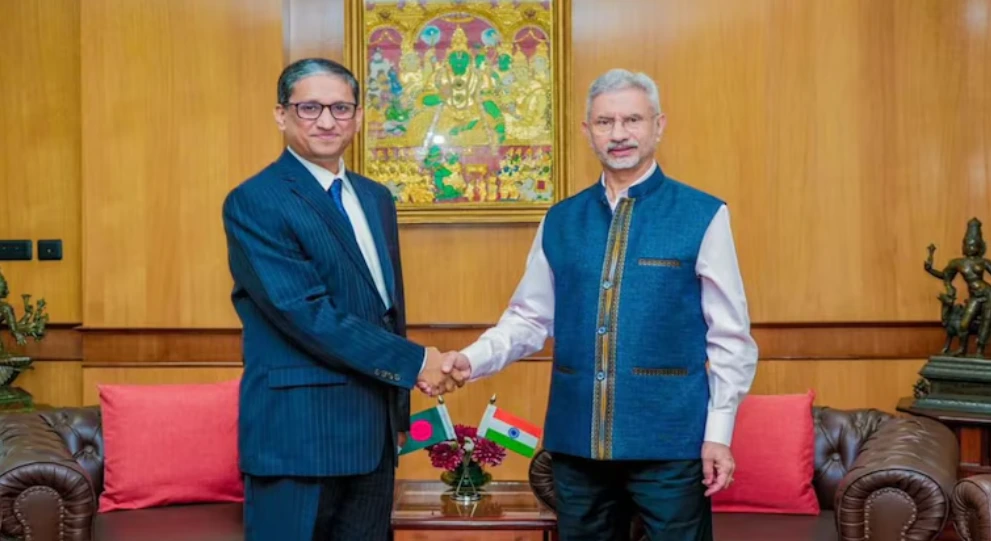
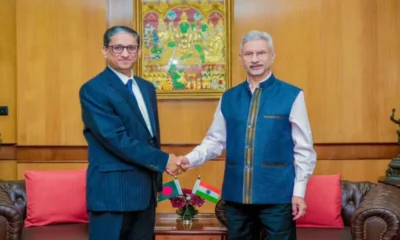
Bangladesh envoy meets S Jaishankar, Dhaka foreign minister may visit India in April
India and Bangladesh are stepping up diplomatic engagement as S Jaishankar meets envoy Riaz Hamidullah and discussions begin on a possible visit by Dhaka’s foreign minister.

Latest world news
PM Modi speaks to Qatar, France, Jordan, Oman and Malaysia leaders on Middle East tensions
PM Modi held talks with leaders of five nations, stressing dialogue, condemning attacks on energy infrastructure and urging stability in the Middle East.
Latest world news
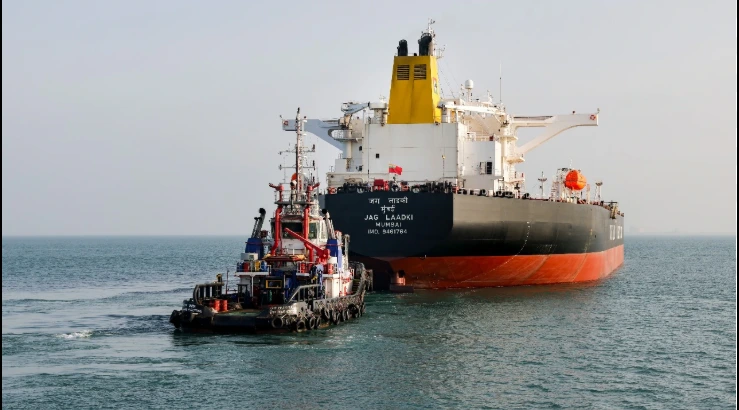
Russian oil tanker rerouted to India amid Middle East crisis, to reach Mangaluru on March 21
A Russian oil tanker bound for China has been diverted to India as Middle East tensions disrupt global energy supply chains.

Mamata Banerjee slams poll body over officials’ transfer, calls move unprecedented

PM Modi speaks to Qatar, France, Jordan, Oman and Malaysia leaders on Middle East tensions

AIADMK-BJP seat-sharing talks to be finalised soon, says Edappadi K Palaniswami after Amit Shah meet

Oppo K14 5G launched in India with 7000mAh battery, starts at Rs 17,999

Late-March western disturbance brings 1,000-km rain band across India, Pakistan and Afghanistan

Eid Mubarak 2026 wishes and greetings highlight joy and togetherness

Bangladesh envoy meets S Jaishankar, Dhaka foreign minister may visit India in April
Late-March western disturbance brings 1,000-km rain band across India, Pakistan and Afghanistan
Oppo K14 5G launched in India with 7000mAh battery, starts at Rs 17,999
Mamata Banerjee slams poll body over officials’ transfer, calls move unprecedented

Afghan Men Try To Hang With The Jet Engine Of The Aircraft in Kabul- Afghanistan News – Kabul News
Trending Top 10 News: 10000 Crore Fine on Flipkart, Apple to Launch Unique Feature, Hdfc Bank Job Ad

Trending Top 10 News: Nokia 6310, Apple sales, Bachpan ka Pyar Video Kid, Dainik Bhaskar IT Raid

Trending Top 10 News: Canada bans Indian flights, Rain in Delhi NCR, AIMIM Twitter hacked, Raj Kundra case

Trending Top 10 News: Shein India, Apple New Service, Pocket Oxygen, Oppo Launched New Phone
-
 India News18 hours ago
Mamata Banerjee slams poll body over officials’ transfer, calls move unprecedented
-
 Latest world news19 hours ago
PM Modi speaks to Qatar, France, Jordan, Oman and Malaysia leaders on Middle East tensions
-
 India News19 hours ago
AIADMK-BJP seat-sharing talks to be finalised soon, says Edappadi K Palaniswami after Amit Shah meet
-
 Gadgets18 hours ago
Oppo K14 5G launched in India with 7000mAh battery, starts at Rs 17,999
-
 India News12 hours ago
Late-March western disturbance brings 1,000-km rain band across India, Pakistan and Afghanistan
-
 Latest world news8 hours ago
Bangladesh envoy meets S Jaishankar, Dhaka foreign minister may visit India in April
-
 Festivals8 hours ago
Eid Mubarak 2026 wishes and greetings highlight joy and togetherness
