
Latest world news
Pro and anti-government protests in Tehran and other cities

[vc_row][vc_column][vc_column_text]In a rare development in Iran, Tehran and several other cities have witnessed anti and pro government protests during last three days. Thousands of government supporters marched across Iran on Saturday in response to the two- days of protests.
Both sides marked the biggest unrest held in 2009 after re-election of Mehmood Ahmedinejad for the second term.
According to the reports, IRIB TV showed large crowds of black-clad supporters in Tehran, Mashhad and several other cities to mark the anniversary of the end of “the sedition” —in 2009.
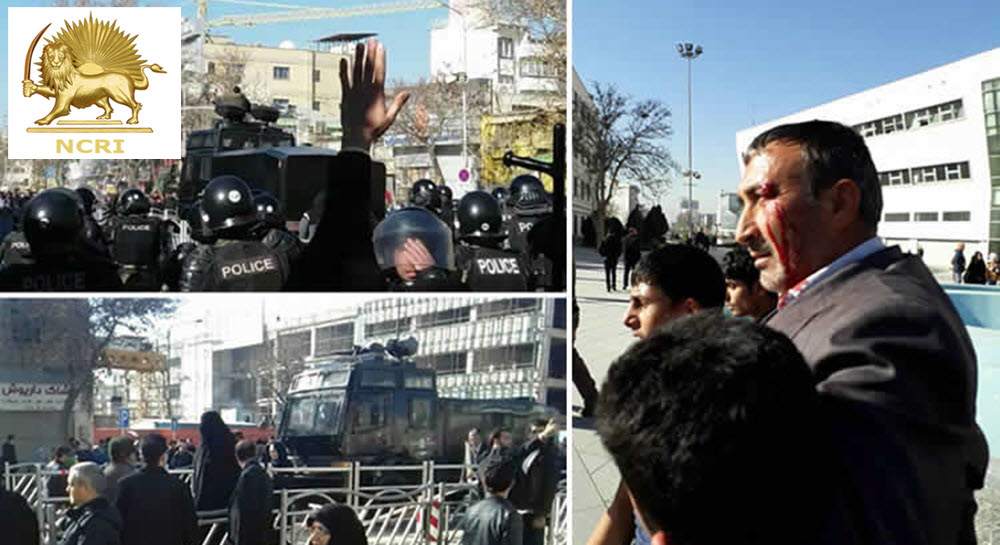
Reports speak of a coincidence that the pre-planned rallies came just after anti Hassan Rouhani government protests against rising costs and unemployment under the present government. But there are indications that both sides brought their acts together to express their opinion on this occasion.
Tehran and Mashhad occasionally figure with opposition activities, openly criticising the clerics for their hardships. They criticise their government for spending resources on spreading its influence in the region.
Iran played important role in fight against Daesh and other terror groups. US, Saudi Arabia and Israel have been alleging Iran for spreading its influence in the region and supporting Yemen’s Houthi militants against Saudi led coalition and also opposition forces in Bahrain.
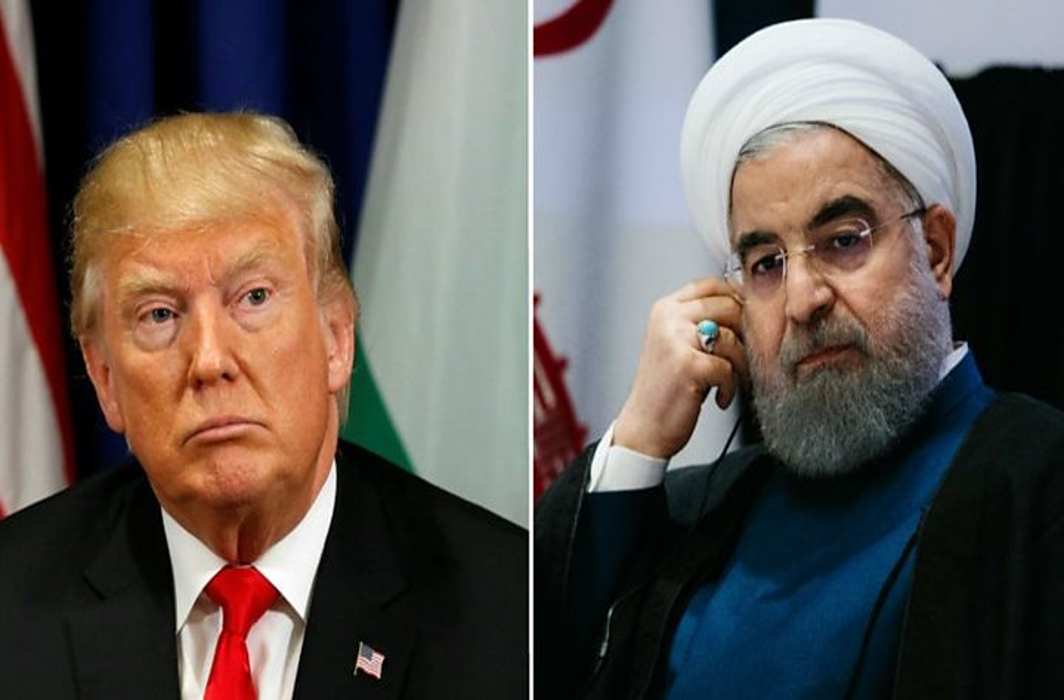
Meanwhile, US President Donald Trump has urged Iran to respect the rights of Iranians protesting on the streets over the past two days and warned that “the world is watching”.[/vc_column_text][vc_raw_html]JTNDYmxvY2txdW90ZSUyMGNsYXNzJTNEJTIydHdpdHRlci10d2VldCUyMiUyMGRhdGEtbGFuZyUzRCUyMmVuJTIyJTNFJTNDcCUyMGxhbmclM0QlMjJlbiUyMiUyMGRpciUzRCUyMmx0ciUyMiUzRU1hbnklMjByZXBvcnRzJTIwb2YlMjBwZWFjZWZ1bCUyMHByb3Rlc3RzJTIwYnklMjBJcmFuaWFuJTIwY2l0aXplbnMlMjBmZWQlMjB1cCUyMHdpdGglMjByZWdpbWUlRTIlODAlOTlzJTIwY29ycnVwdGlvbiUyMCUyNmFtcCUzQiUyMGl0cyUyMHNxdWFuZGVyaW5nJTIwb2YlMjB0aGUlMjBuYXRpb24lRTIlODAlOTlzJTIwd2VhbHRoJTIwdG8lMjBmdW5kJTIwdGVycm9yaXNtJTIwYWJyb2FkLiUyMElyYW5pYW4lMjBnb3Z0JTIwc2hvdWxkJTIwcmVzcGVjdCUyMHRoZWlyJTIwcGVvcGxlJUUyJTgwJTk5cyUyMHJpZ2h0cyUyQyUyMGluY2x1ZGluZyUyMHJpZ2h0JTIwdG8lMjBleHByZXNzJTIwdGhlbXNlbHZlcy4lMjBUaGUlMjB3b3JsZCUyMGlzJTIwd2F0Y2hpbmclMjElMjAlM0NhJTIwaHJlZiUzRCUyMmh0dHBzJTNBJTJGJTJGdHdpdHRlci5jb20lMkZoYXNodGFnJTJGSXJhblByb3Rlc3RzJTNGc3JjJTNEaGFzaCUyNmFtcCUzQnJlZl9zcmMlM0R0d3NyYyUyNTVFdGZ3JTIyJTNFJTIzSXJhblByb3Rlc3RzJTNDJTJGYSUzRSUzQyUyRnAlM0UlMjZtZGFzaCUzQiUyMERvbmFsZCUyMEouJTIwVHJ1bXAlMjAlMjglNDByZWFsRG9uYWxkVHJ1bXAlMjklMjAlM0NhJTIwaHJlZiUzRCUyMmh0dHBzJTNBJTJGJTJGdHdpdHRlci5jb20lMkZyZWFsRG9uYWxkVHJ1bXAlMkZzdGF0dXMlMkY5NDY5NDk3MDg5MTU5MjQ5OTQlM0ZyZWZfc3JjJTNEdHdzcmMlMjU1RXRmdyUyMiUzRURlY2VtYmVyJTIwMzAlMkMlMjAyMDE3JTNDJTJGYSUzRSUzQyUyRmJsb2NrcXVvdGUlM0UlMEElM0NzY3JpcHQlMjBhc3luYyUyMHNyYyUzRCUyMmh0dHBzJTNBJTJGJTJGcGxhdGZvcm0udHdpdHRlci5jb20lMkZ3aWRnZXRzLmpzJTIyJTIwY2hhcnNldCUzRCUyMnV0Zi04JTIyJTNFJTNDJTJGc2NyaXB0JTNFJTBB[/vc_raw_html][vc_column_text]According to CNN, anti-government protests have been documented in Tehran, Kermanshah, Arak, Qazvin, Khorramshahar, Karaj and Sabsevar on Thursday and . The protests were initially aimed against high prices which were quickly turned against the Islamic regime as a whole.[/vc_column_text][/vc_column][/vc_row]










Latest world news
Magnitude 7 earthquake strikes Tibet after floods
A magnitude 7 earthquake struck northern Tibet on Thursday, October 22. The tremor came weeks after deadly flash floods and landslides hit the mountainous region near the Nepal-China border. Initial reports did not confirm casualties or damage from the earthquake.


Latest world news
Macron rejects Trump’s immigration claims over France riots
French President Emmanuel Macron criticised Donald Trump and other foreign leaders over their comments on France’s recent unrest. Macron rejected claims that the country was being overrun by migrants and Islamists, calling such assertions false.

Latest world news
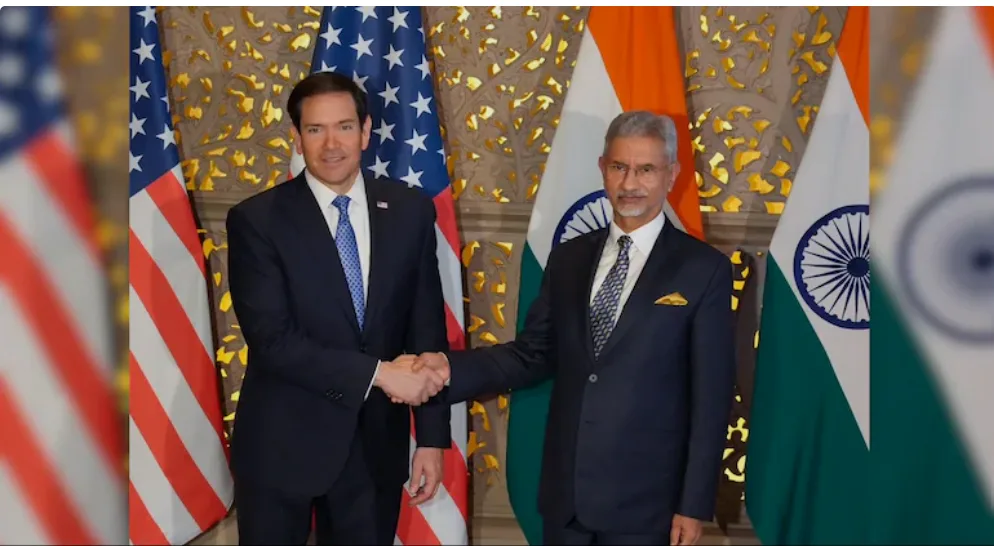
Marco Rubio says India and US share extraordinary alignment on key issues
US Secretary of State Marco Rubio said India and the United States share an extraordinary alignment on core issues, even though disagreements between the two countries may arise.

Punjab strike hits public services as 3 lakh employees and roadways workers protest

Two election commissioners complained against senior poll officer, RTI reveals

Om Prakash Mathur sworn in as Keralam Governor

PM Modi to inaugurate Rs 169-crore RBI data centre in Odisha on October 25

Delhi High Court rejects Neha Bora’s plea against peace bond notice

MEA responds after ITBP chief flags ongoing face-offs with China in Arunachal
Delhi High Court rejects Neha Bora’s plea against peace bond notice
PM Modi to inaugurate Rs 169-crore RBI data centre in Odisha on October 25
Om Prakash Mathur sworn in as Keralam Governor
Two election commissioners complained against senior poll officer, RTI reveals

Afghan Men Try To Hang With The Jet Engine Of The Aircraft in Kabul- Afghanistan News – Kabul News
Trending Top 10 News: 10000 Crore Fine on Flipkart, Apple to Launch Unique Feature, Hdfc Bank Job Ad

Trending Top 10 News: Nokia 6310, Apple sales, Bachpan ka Pyar Video Kid, Dainik Bhaskar IT Raid

Trending Top 10 News: Canada bans Indian flights, Rain in Delhi NCR, AIMIM Twitter hacked, Raj Kundra case

Trending Top 10 News: Shein India, Apple New Service, Pocket Oxygen, Oppo Launched New Phone
-
 India News18 hours ago
Punjab strike hits public services as 3 lakh employees and roadways workers protest
-
 India News18 hours ago
Two election commissioners complained against senior poll officer, RTI reveals
-
 India News7 hours ago
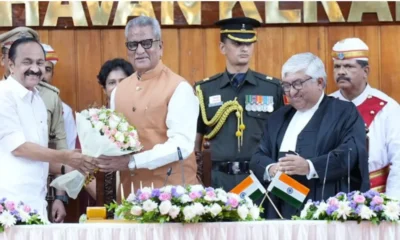
Om Prakash Mathur sworn in as Keralam Governor
-
 India News6 hours ago
PM Modi to inaugurate Rs 169-crore RBI data centre in Odisha on October 25
-
 India News5 hours ago
Delhi High Court rejects Neha Bora’s plea against peace bond notice
-
 India News5 hours ago
MEA responds after ITBP chief flags ongoing face-offs with China in Arunachal
