English हिन्दी
Connect with us

Latest world news

US Senate passes Russia sanctions bill, India-China face 100% tariff risk

The US Senate has passed a Russia sanctions bill that could allow 100% tariffs on major buyers of Russian oil and gas, including India and China.

Published

on

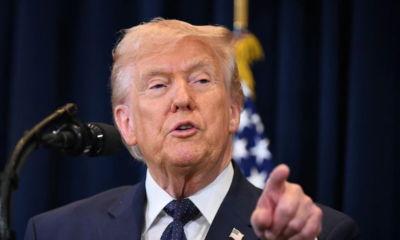
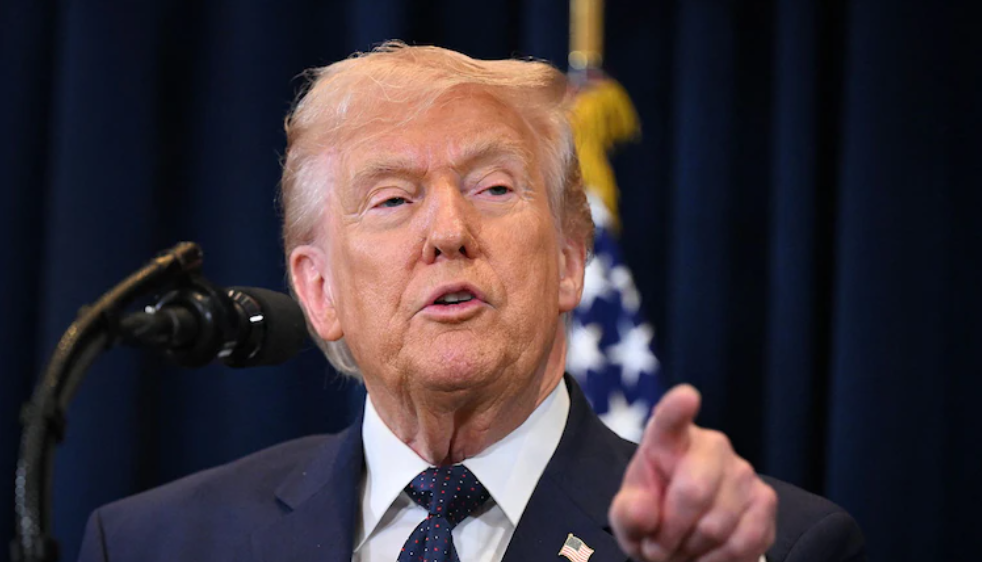
Donald Trump

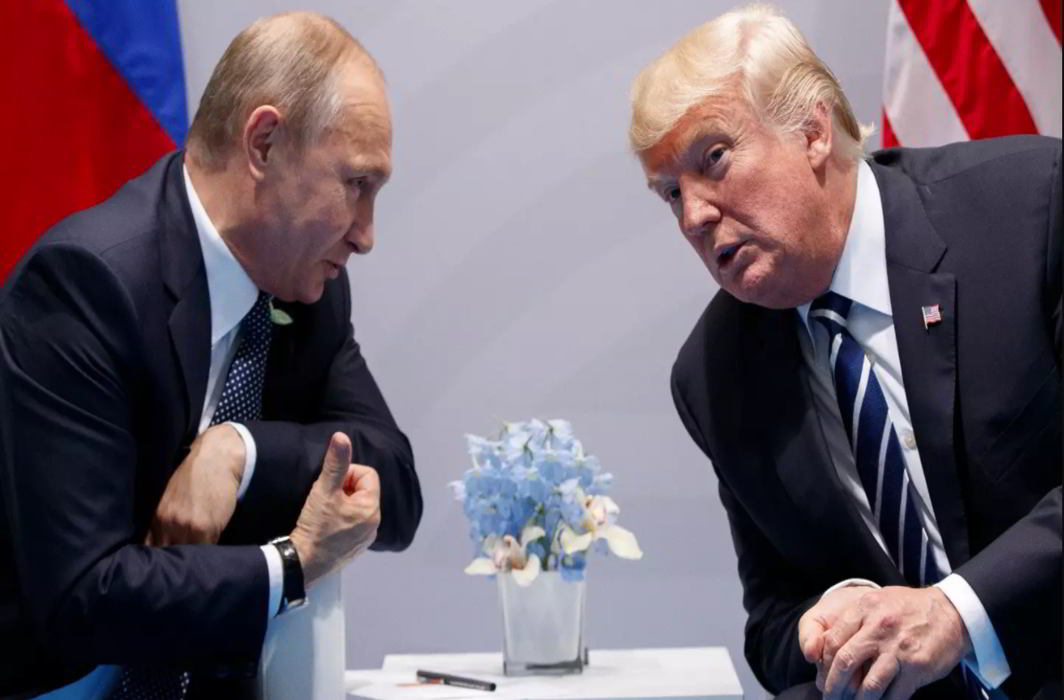
The US Senate has approved a bipartisan Russia sanctions bill that could allow President Donald Trump to impose tariffs of up to 100% on major buyers of Russian oil or natural gas, including India and China.
The legislation was passed by an 86-11 vote and will now move to the US House of Representatives, which is scheduled to reconvene on August 31.

The bill is named in honour of Republican Senator Lindsey Graham, a strong supporter of Ukraine who died on July 11. Graham had pushed for tougher sanctions against Russia over its war in Ukraine.

India and China among major Russian energy buyers

The legislation gives the US president the power to impose tariffs on the world’s top five purchasers of Russian oil or natural gas.

India and China are among those countries, along with Azerbaijan, Hungary and Slovakia.

The bill also contains an exception for countries importing less than 15% of their natural gas from Russia and taking steps to reduce their dependence on Russian supplies.

What does the Russia sanctions bill contain?

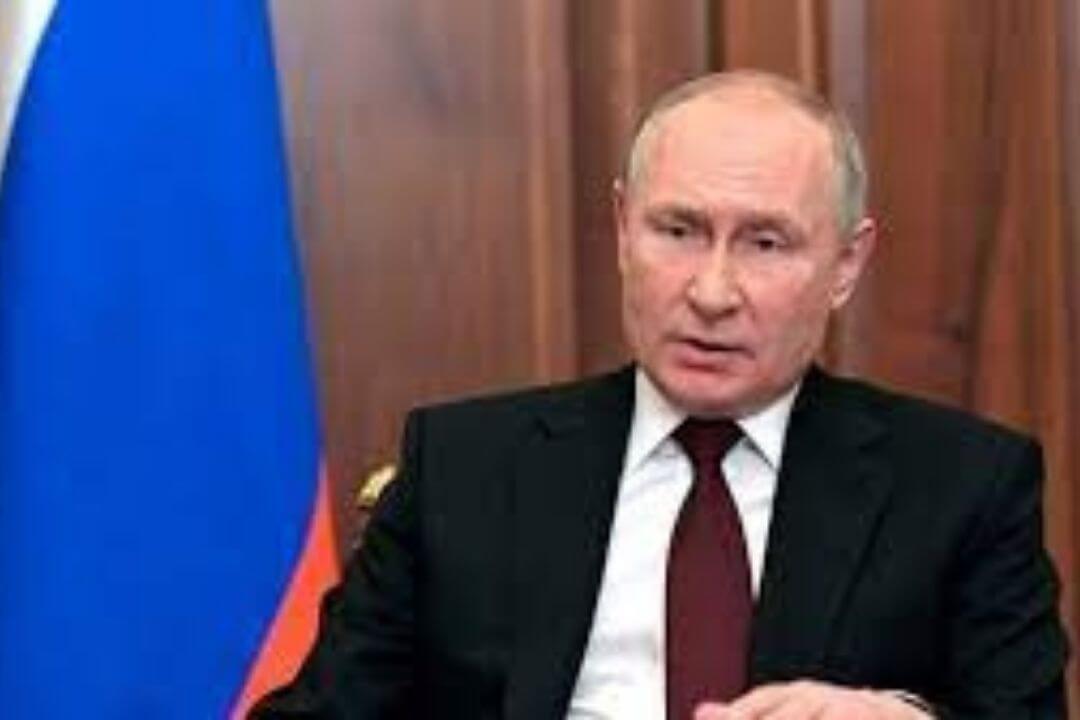
Apart from the proposed tariffs, the legislation includes sanctions targeting Russian President Vladimir Putin, senior Russian political and military officials, financial institutions and energy projects.

The bill would also expand US sanctions to older and reflagged oil tankers allegedly used by Moscow to bypass existing restrictions on Russian oil and energy revenues.

At the same time, the White House would have the option to waive sanctions or restrictions if the president certifies to Congress that doing so is in the national interest.

Bill also extends Iran sanctions law

The legislation also contains a provision related to Iran. It would extend the expiration date of the Iran Sanctions Act of 1996 until 2031.

The law penalises companies that invest in Iran’s energy sector.

The bill’s passage in the Senate marks the next step in the US legislative process, but it still needs approval from the House of Representatives before it can move forward.

Latest Politics News

Israel election exit polls show Netanyahu and rival blocs in deadlock

Israel’s general election has produced no clear winner in exit polls, with Prime Minister Benjamin Netanyahu’s bloc and the opposition led by Gadi Eisenkot both falling short of a parliamentary majority.
Published

on

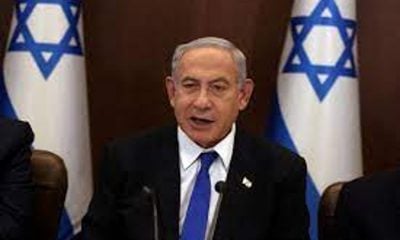
PM Benjamin Netanyahu

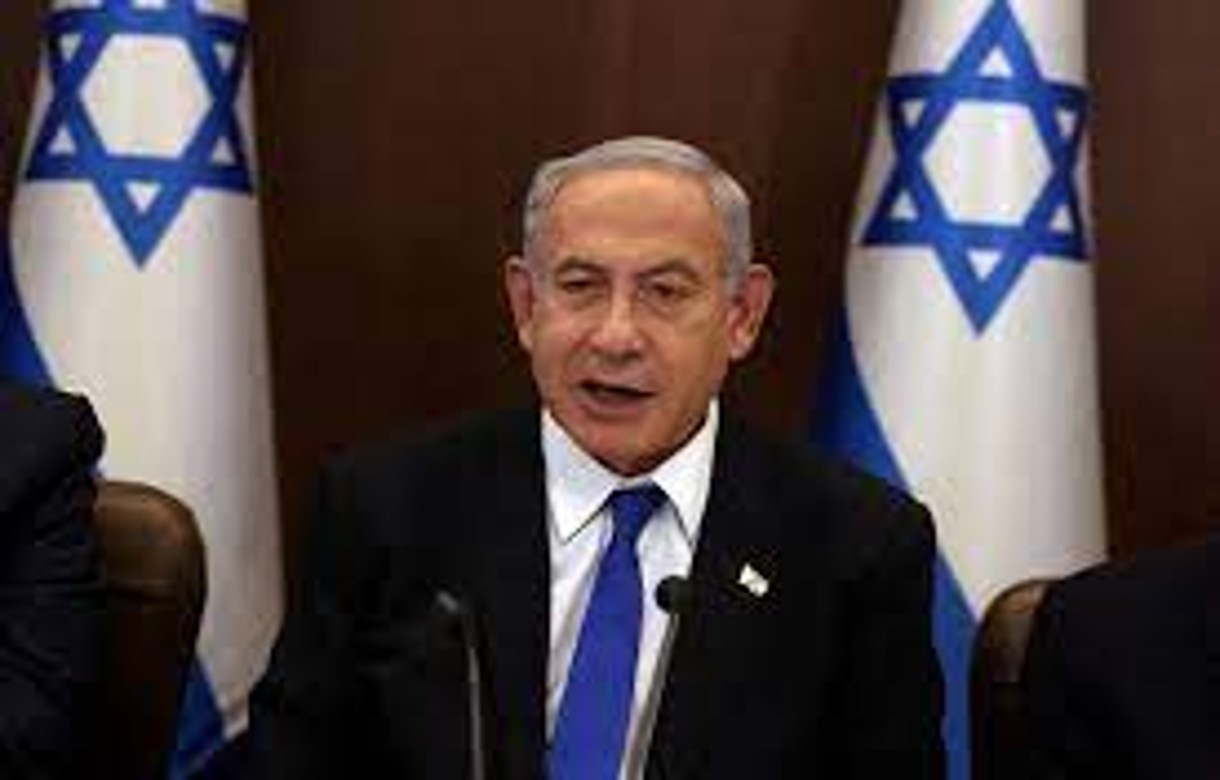
Israel’s general election has produced no clear winner, with exit polls indicating that Prime Minister Benjamin Netanyahu’s governing bloc and the opposition led by former military chief Gadi Eisenkot are both short of the numbers required to form a majority government.

Projections released by Israeli broadcasters Kan 11 and Channel 13 put the two rival blocs at 51 seats each in the 120-member Knesset, Israel’s parliament. Arab parties are projected to win around 18 seats, potentially making them important to efforts to form the next government.

A majority requires 61 seats, leaving both sides facing uncertainty over whether they can secure sufficient support to govern. The exit poll figures also differ between broadcasters, highlighting that the final outcome remains unsettled.

Netanyahu and Eisenkot face a difficult path to government

The projections point to a closely contested election, with neither Netanyahu’s coalition nor Eisenkot’s opposition bloc demonstrating a clear route to a parliamentary majority.

The Channel 12 exit poll presented a slightly different picture, placing Netanyahu’s bloc at 50 seats and Eisenkot’s bloc at 52. Other projections showed the two sides level, underscoring the differences between the broadcasters’ estimates.

Netanyahu’s political future will depend on the final seat count and the negotiations that follow. Even if one bloc performs better than projected, it would still need sufficient parliamentary backing to form a government.

The results could lead to an extended period of political uncertainty as parties explore possible alliances. If neither side can assemble a viable coalition, another election could become a possibility.

Arab parties could influence coalition negotiations

Arab parties are projected to win approximately 18 seats, giving them potential influence in the post-election negotiations.

One possible route for Eisenkot’s camp would involve cooperation with Arab-led parties. However, such an arrangement could face political obstacles and risk alienating other opposition groups.

The extent to which these parties can influence the next government will depend on the final results and the willingness of rival political factions to negotiate.

Final results remain uncertain

The exit polls are preliminary estimates and may differ from the official results. The final seat distribution will determine which political leader has the strongest opportunity to form a governing coalition.

The election has therefore left Israel facing uncertainty over its next government, with both major blocs short of the majority required to govern independently.

Until the final count and coalition discussions clarify the numbers, Netanyahu’s return to power and the opposition’s ability to replace his government remain unresolved.

Continue Reading

Latest world news

India says all permanent UN Security Council members must have veto

India has called for equal veto rights for all permanent members of a reformed UN Security Council, warning against creating a separate category of permanent members without veto powers.
Published

on

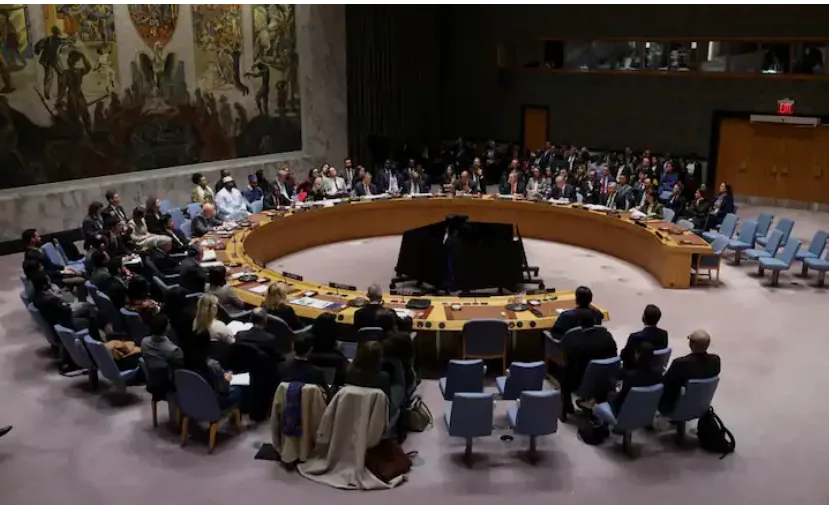
India has reiterated its position that all permanent members of a reformed United Nations Security Council must have veto power for as long as the provision exists. New Delhi has opposed proposals to create a separate category of permanent members without the same privileges as the existing five permanent members.

India’s Permanent Representative to the United Nations, Ambassador Parvathaneni Harish, outlined the country’s position during a debate on veto powers at the UN General Assembly on October 26.

India argued that granting permanent membership without veto rights would create unequal categories within the Council rather than address the existing imbalance in its decision-making structure.

India opposes unequal permanent membership

India said that any expansion of the Security Council should ensure that all permanent members enjoy equal rights and responsibilities.

In his statement, Harish said that a new category of permanent members, whether with or without veto powers, would complicate an already difficult reform process and risk reinforcing existing inequalities.

He also argued that creating long-term or permanent positions without veto rights would effectively leave the new members with second-class status, without fundamentally changing the decision-making influence of the existing permanent members.

India’s position is aligned with the Common African Position on Security Council reform, according to the statement delivered by its representative.

India calls for comprehensive UN Security Council reforms

India has called for a broader reform process that addresses the Council’s membership categories, veto powers, regional representation, size and working methods.

Harish said negotiations should begin at the earliest, with clearly defined timelines and milestones. India also called for text-based negotiations, which would allow member states to work towards a formal negotiating text.

India maintained that addressing veto powers in isolation would not be sufficient to change the Council’s existing decision-making dynamics.

The country has long called for an expansion of both permanent and non-permanent membership, arguing that the Council’s structure should reflect contemporary geopolitical realities rather than the international order established after the Second World War.

India highlights concerns over the use of veto power

India also stressed that veto power carries significant responsibility and should be exercised with restraint, particularly on matters concerning international peace and security.

Harish said the veto should not become an instrument of narrow political expediency.

According to his statement, the veto had been exercised 331 times on around 200 resolutions over the United Nations’ history. He also noted that most vetoes, or threats to use them, had come from three of the five permanent members.

India further highlighted what it described as an effective or de facto veto, in which the practice of consensus can allow a single Council member to block certain proposals, including presidential statements, press statements and decisions of sanctions committees.

The Indian representative argued that such practices can obstruct decisions without a formal veto being cast.

Which countries currently hold veto power?

The UN Security Council has 15 members, including five permanent members and 10 non-permanent members elected for two-year terms.

The five permanent members are China, France, Russia, the United Kingdom and the United States. They hold veto power under the Council’s existing voting arrangements.

Under Article 27 of the UN Charter, substantive decisions require at least nine affirmative votes, including the concurring votes of the permanent members, subject to the applicable rules on abstentions.

India’s latest statement reiterates that any future expansion of permanent membership should not create a new group of permanent members with fewer rights than the existing five.

The country has called for comprehensive negotiations to reform the Council’s composition and decision-making system.

Continue Reading

Latest world news

Magnitude 7 earthquake strikes Tibet after floods

A magnitude 7 earthquake struck northern Tibet on Thursday, October 22. The tremor came weeks after deadly flash floods and landslides hit the mountainous region near the Nepal-China border. Initial reports did not confirm casualties or damage from the earthquake.
Published

on

earthquake-tremors

A powerful earthquake measuring magnitude 7 struck northern Tibet on Thursday, October 22, weeks after deadly flash floods and landslides devastated parts of the mountainous region near the Nepal-China border.

The earthquake struck the Nagqu region of Tibet, according to initial reports from earthquake monitoring agencies. The tremor occurred at around 10:33 pm local time in China, with the epicentre located in a county in northern Tibet.

The earthquake was reported at a depth of around 10 kilometres by China’s Earthquake Networks Center. The United States Geological Survey also reported the magnitude 7 tremor, placing its depth at approximately 18 kilometres.

There were no immediate confirmed reports of casualties or property damage following the earthquake, according to initial information available after the tremor.

Earthquake strikes northern Tibet

The earthquake occurred in the Nagqu region, approximately 400 kilometres from Lhasa, the capital of Tibet.

The tremor was recorded on Thursday evening, with monitoring agencies reporting slightly different estimates of its depth. China’s Earthquake Networks Center placed the epicentre at a depth of 10 kilometres, while the US Geological Survey reported a depth of 18 kilometres.

Further information about the earthquake’s impact was awaited at the time of the initial reports.

Tibet earthquake follows deadly flash floods

The earthquake struck weeks after devastating flash floods and landslides affected the mountainous region along the Nepal-China border in late August.

The earlier disaster followed an ice-and-rock avalanche near the border on August 26, triggering flash floods that swept through downstream areas. Homes, roads, bridges and power infrastructure were among the structures affected, while rescue and recovery operations continued in the aftermath.

The floods caused extensive destruction and left thousands of people dead or missing across the affected region, according to reports published after the disaster.

The latest earthquake is a separate event from the earlier avalanche and flooding disaster. An assessment of its effects was not immediately available.

Continue Reading

Trending

© Copyright 2022 APNLIVE.com