
Latest world news
Zimbabwe: Mugabe bows down to pressure, leaves office after 37-years


[vc_row][vc_column][vc_column_text]Former VP Emmerson Mnangagwa may succeed
Finally Zimbabwe’s President Robert Mugabe has ended political controversy by resigning from his office, after ruling nearly four decades, on Tuesday evening while impeachment proceedings were underway in the parliament.
His letter of resignation reached speaker of the parliament Jacob Mudenda while he was heading the debate on impeachment. Mugabe wrote, “I Robert Gabriel Mugabe in terms of section 96 of the constitution of Zimbabwe hereby formally tender my resignation … with immediate effect.”
Mugabe wrote a message on tweet indicating he feels free from all responsibilities and is looking for home made food;[/vc_column_text][vc_raw_html]JTNDYmxvY2txdW90ZSUyMGNsYXNzJTNEJTIydHdpdHRlci10d2VldCUyMiUyMGRhdGEtbGFuZyUzRCUyMmVuJTIyJTNFJTNDcCUyMGxhbmclM0QlMjJlbiUyMiUyMGRpciUzRCUyMmx0ciUyMiUzRVJpZ2h0JTJDJTIwdGhhdCUyNiUyMzM5JTNCcyUyMG92ZXIuJTIwQW55b25lJTIwc2VlbiUyMG15JTIwd2lmZSUzRiUyMEklMjBjb3VsZCUyMHVzZSUyMGElMjBob21lJTIwY29va2VkJTIwbWVhbC4lMjAlM0NhJTIwaHJlZiUzRCUyMmh0dHBzJTNBJTJGJTJGdHdpdHRlci5jb20lMkZoYXNodGFnJTJGemltYmFid2UlM0ZzcmMlM0RoYXNoJTI2YW1wJTNCcmVmX3NyYyUzRHR3c3JjJTI1NUV0ZnclMjIlM0UlMjN6aW1iYWJ3ZSUzQyUyRmElM0UlMjAlM0NhJTIwaHJlZiUzRCUyMmh0dHBzJTNBJTJGJTJGdHdpdHRlci5jb20lMkZoYXNodGFnJTJGbXVnYWJlJTNGc3JjJTNEaGFzaCUyNmFtcCUzQnJlZl9zcmMlM0R0d3NyYyUyNTVFdGZ3JTIyJTNFJTIzbXVnYWJlJTNDJTJGYSUzRSUzQyUyRnAlM0UlMjZtZGFzaCUzQiUyMFJvYmVydCUyME11Z2FiZSUyMCUyOCU0MFJHTXVnYWJlJTI5JTIwJTNDYSUyMGhyZWYlM0QlMjJodHRwcyUzQSUyRiUyRnR3aXR0ZXIuY29tJTJGUkdNdWdhYmUlMkZzdGF0dXMlMkY5MzMwMjY3MTk3MDI5MDA3MzYlM0ZyZWZfc3JjJTNEdHdzcmMlMjU1RXRmdyUyMiUzRU5vdmVtYmVyJTIwMjElMkMlMjAyMDE3JTNDJTJGYSUzRSUzQyUyRmJsb2NrcXVvdGUlM0UlMEElM0NzY3JpcHQlMjBhc3luYyUyMHNyYyUzRCUyMmh0dHBzJTNBJTJGJTJGcGxhdGZvcm0udHdpdHRlci5jb20lMkZ3aWRnZXRzLmpzJTIyJTIwY2hhcnNldCUzRCUyMnV0Zi04JTIyJTNFJTNDJTJGc2NyaXB0JTNFJTBB[/vc_raw_html][vc_column_text]Mugabe defied demands for resignation for almost a week after military took over the country’s control which was followed by his expulsion from his own party ZANU-PF.
However, he escaped a more embarrassing departure by sending his papers while parliament had started proceedings to impeach him. The proceedings were immediately suspended.
All parliamentarians, irrespective of their party affiliation were jubilant. They thanked Mugabe for his right move. Cheers were witnessed all over the session.
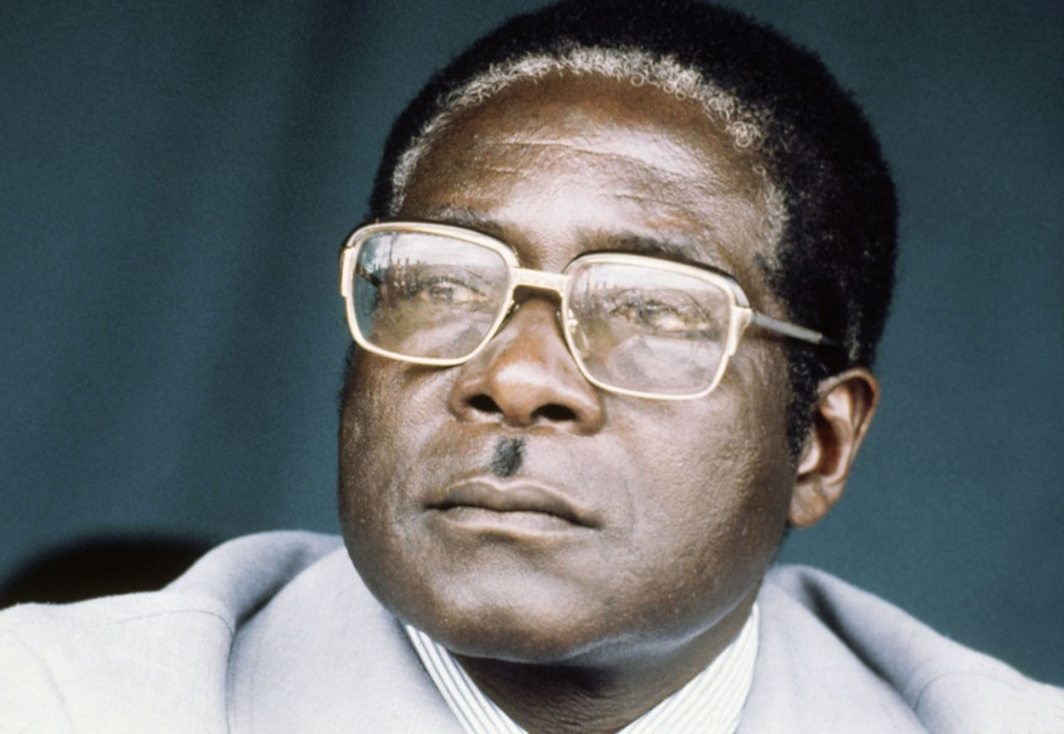
People also came out on Harare streets in jubilation as large crowds cheered, danced and sang celebrating Mugabe’s departure for hours.
According to reports people were coming out onto the streets calling this day as Independence Day. Some people did not believe as to what has happened. They expressed their excitement and hoped for a better future. People were seen removing Mugabe’s pictures from their business establishments and offices.
On November 15, Zimbabwe, was suddenly plunged into political uncertainty while Major General SB Moyo, Chief of Staff Logistics took control of the country for targeting assault on “criminals” around Presdent Mugabe. He assured that leader and his family was safe and sound.
Next day nobody came out to support Mugabe against the military takeover. Harare remained calm while offices and schools remained open. Business remained usual in the market.
On November 18, more than ten thousand people participated in huge rally demanding Mugabe’s resignation. This was a rare show of public defiance in country’s history.
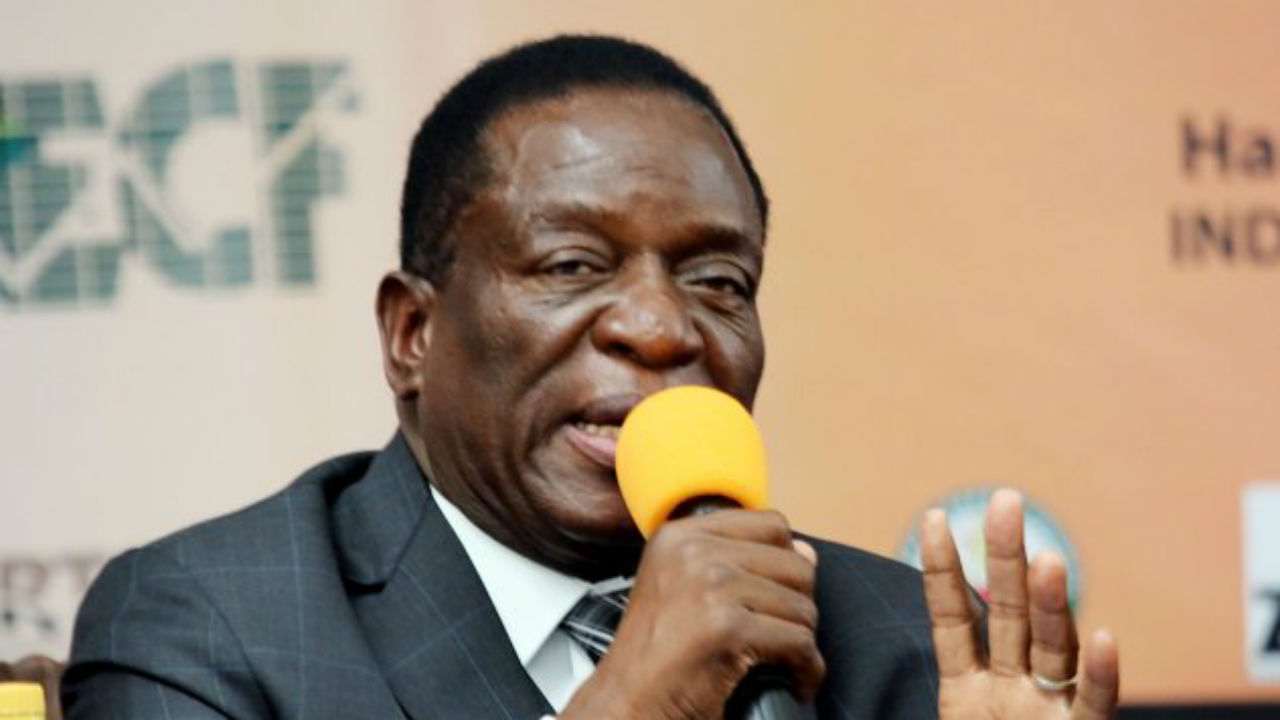
On November 19, Mugabe addressed the nation but did not announce his resignation. It was quite disappointing for the military and the people who participated in massive demonstrations. Despite expulsion by his own ZANU-PF party, Mugabe announced that he will lead the upcoming party’s congress to be held in December.
However, the very next day on November 20, a source close to Mugabe had claimed that the leader was ready to resign. The report indicated that army generals have accepted Mugabe’s demands including full immunity for himself and his wife and permission to keep his private properties in the country.
Mugabe, 93, led Zimbabwe’s movement for independence in 1970s and came to power in 1980. During his 37-year rule he was criticised for repression of the dissidents, alleged election rigging and causing economic collapse of the country.
Though Mugabe’s resignation has not specified his successor’s name but it seems almost certain that the ousted Vice President Emmerson Mnangagwa, will lead the country. ZANU-PF had, in its recent meeting anointed him as the next president. He is expected to be sworn in within next two days.[/vc_column_text][/vc_column][/vc_row]







Latest world news
Magnitude 7 earthquake strikes Tibet after floods
A magnitude 7 earthquake struck northern Tibet on Thursday, October 22. The tremor came weeks after deadly flash floods and landslides hit the mountainous region near the Nepal-China border. Initial reports did not confirm casualties or damage from the earthquake.


Latest world news
Macron rejects Trump’s immigration claims over France riots
French President Emmanuel Macron criticised Donald Trump and other foreign leaders over their comments on France’s recent unrest. Macron rejected claims that the country was being overrun by migrants and Islamists, calling such assertions false.

Latest world news
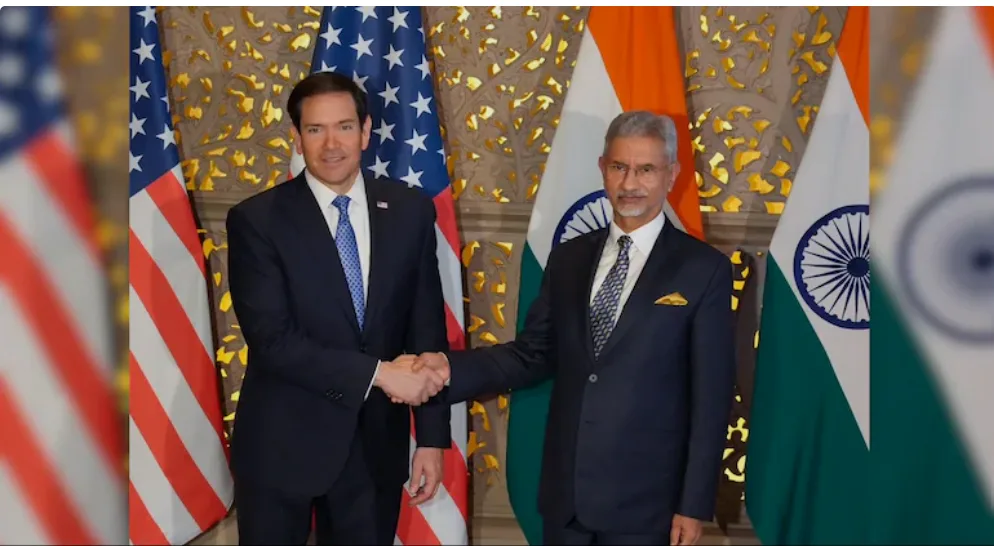
Marco Rubio says India and US share extraordinary alignment on key issues
US Secretary of State Marco Rubio said India and the United States share an extraordinary alignment on core issues, even though disagreements between the two countries may arise.

Punjab strike hits public services as 3 lakh employees and roadways workers protest

Two election commissioners complained against senior poll officer, RTI reveals

Om Prakash Mathur sworn in as Keralam Governor

PM Modi to inaugurate Rs 169-crore RBI data centre in Odisha on October 25

Delhi High Court rejects Neha Bora’s plea against peace bond notice

MEA responds after ITBP chief flags ongoing face-offs with China in Arunachal
Delhi High Court rejects Neha Bora’s plea against peace bond notice
PM Modi to inaugurate Rs 169-crore RBI data centre in Odisha on October 25
Om Prakash Mathur sworn in as Keralam Governor
Two election commissioners complained against senior poll officer, RTI reveals

Afghan Men Try To Hang With The Jet Engine Of The Aircraft in Kabul- Afghanistan News – Kabul News
Trending Top 10 News: 10000 Crore Fine on Flipkart, Apple to Launch Unique Feature, Hdfc Bank Job Ad

Trending Top 10 News: Nokia 6310, Apple sales, Bachpan ka Pyar Video Kid, Dainik Bhaskar IT Raid

Trending Top 10 News: Canada bans Indian flights, Rain in Delhi NCR, AIMIM Twitter hacked, Raj Kundra case

Trending Top 10 News: Shein India, Apple New Service, Pocket Oxygen, Oppo Launched New Phone
-
 India News22 hours ago
Punjab strike hits public services as 3 lakh employees and roadways workers protest
-
 India News22 hours ago
Two election commissioners complained against senior poll officer, RTI reveals
-
 India News11 hours ago
Om Prakash Mathur sworn in as Keralam Governor
-
 India News11 hours ago
PM Modi to inaugurate Rs 169-crore RBI data centre in Odisha on October 25
-
 India News10 hours ago
Delhi High Court rejects Neha Bora’s plea against peace bond notice
-
 India News9 hours ago
MEA responds after ITBP chief flags ongoing face-offs with China in Arunachal
