English हिन्दी
Connect with us

India News

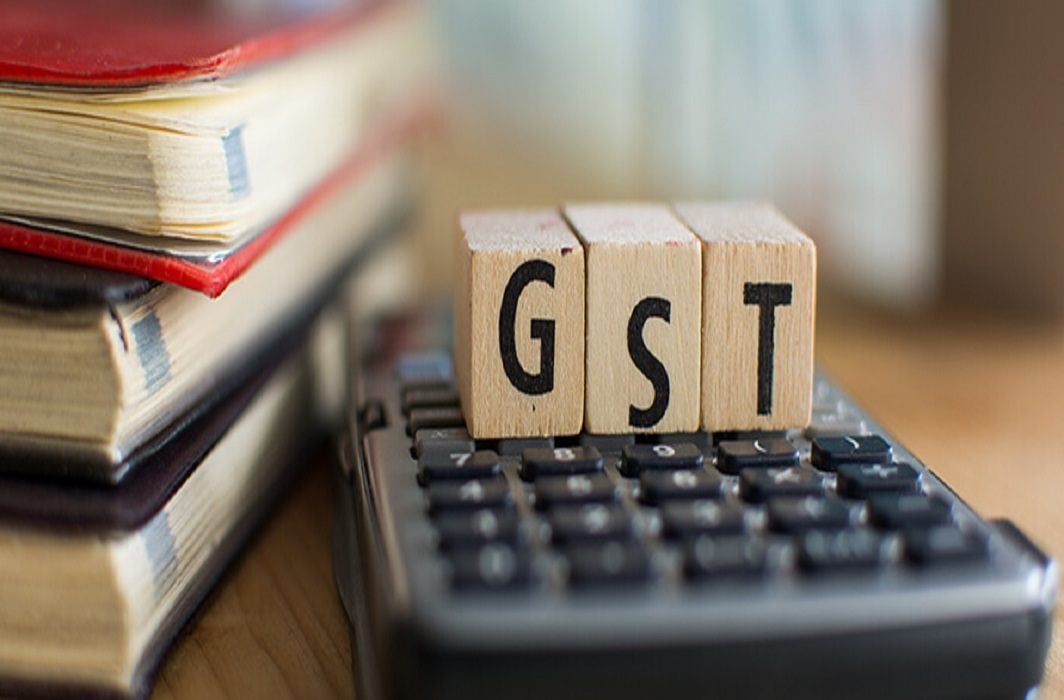
GST: Companies to reduce supplies ahead of the new tax regime

Published

on

GST: Companies to reduce supplies ahead of the new tax regime
[vc_row][vc_column][vc_column_text]The move is to ensure that the companies clear all the pending orders and adopt new systems quickly

By Deepti Jain

With less than two weeks to go before the implementation of the Goods and Services Tax (GST), several manufacturers across various sectors have decided to stop taking fresh orders from dealers.

This move is intended to ensure that the companies clear their stock in the next two-three days and devote the remaining four-five days to update the system for transition in accordance with the new tax regime from July 1.

Another reason for minimizing the supply of the products is that the dealers will have to pay an additional tax  if the product is dispatched before July 1 but is sold after that date. Transition rules allow dealers to get credit for only 40-60 percent of excise duty paid on goods that remain unsold in their showrooms on June 30.

“Though there is no major change in production due to GST transition, we do foresee a slowdown in production in some category of products,” said Dabur CFO Lalit Malik.

Several online retailers like Flipkart, Amazon  and Paytm  have already started  giving discounts to the consumers on apparel, footwear, electronic accessories, mobile accessories, premium watches, handbags, leather products, and health and beauty products in order to clear their catalogue before the implementation of the GST.

“The Paytm sale will host over 6,000 retailers across 500+ brands, with all major brand labels participating in the retail extravaganza,”said a Paytm official.

“We will offer deep discounts and attractive cashback offers on consumer durables including TVs, laptops, phones, ACs and refrigerators,” he added.[/vc_column_text][vc_raw_html]JTNDYmxvY2txdW90ZSUyMGNsYXNzJTNEJTIydHdpdHRlci10d2VldCUyMiUyMGRhdGEtbGFuZyUzRCUyMmVuJTIyJTNFJTNDcCUyMGxhbmclM0QlMjJlbiUyMiUyMGRpciUzRCUyMmx0ciUyMiUzRS0lMjBVcCUyMHRvJTIwJUUyJTgyJUI5MjAlMkMwMDAlMjBDYXNoYmFjayUyMG9uJTIwVFZzJTNDYnIlM0UtJTIwVXAlMjB0byUyMCVFMiU4MiVCOTIwJTJDMDAwJTIwQ2FzaGJhY2slMjBvbiUyMExhcHRvcHMlM0NiciUzRS0lMjBGbGF0JTIwNzAlMjUlMjBDYXNoYmFjayUyMG9uJTIwSmVhbnMlM0NiciUzRSUzQ2JyJTNFU2hvcCUyME5vdyUzQSUyMCUzQ2ElMjBocmVmJTNEJTIyaHR0cHMlM0ElMkYlMkZ0LmNvJTJGbHljVEpSMzZqaiUyMiUzRWh0dHBzJTNBJTJGJTJGdC5jbyUyRmx5Y1RKUjM2amolM0MlMkZhJTNFJTIwJTNDYSUyMGhyZWYlM0QlMjJodHRwcyUzQSUyRiUyRnQuY28lMkZqOVZqNEpIMXNOJTIyJTNFcGljLnR3aXR0ZXIuY29tJTJGajlWajRKSDFzTiUzQyUyRmElM0UlM0MlMkZwJTNFJTI2bWRhc2glM0IlMjBQYXl0bSUyME1hbGwlMjAlMjglNDBQYXl0bU1hbGwlMjklMjAlM0NhJTIwaHJlZiUzRCUyMmh0dHBzJTNBJTJGJTJGdHdpdHRlci5jb20lMkZQYXl0bU1hbGwlMkZzdGF0dXMlMkY4NzQ1NzM2NTQ3NzU5MTQ0OTclMjIlM0VKdW5lJTIwMTMlMkMlMjAyMDE3JTNDJTJGYSUzRSUzQyUyRmJsb2NrcXVvdGUlM0UlMEElM0NzY3JpcHQlMjBhc3luYyUyMHNyYyUzRCUyMiUyRiUyRnBsYXRmb3JtLnR3aXR0ZXIuY29tJTJGd2lkZ2V0cy5qcyUyMiUyMGNoYXJzZXQlM0QlMjJ1dGYtOCUyMiUzRSUzQyUyRnNjcmlwdCUzRSUwQQ==[/vc_raw_html][vc_column_text]Meanwhile, the experts believe that India may witness an inflationary impact during the transition phase, which will fade away gradually with proper law enactment and implementation of measures like anti-profiteering.

Here is a look, at the expected immediate impact of GST on the common man’s pocket:

These services are likely to become more expensive

  • Mobile bills
  • Renewal premium for life insurance policies
  • Banking and investment management services
  • Basic luxuries for a common man like WIFI and DTH services, online booking

Services that may get cheaper in most states

  • With entertainment taxes getting subsumed in GST, prices of movie tickets and theatrical performances may become cheaper in most states.
  • Dining in restaurants may also become more pocket friendly in most states.

Prices of these essential services are likely to rise

  • Residential rent
  • Health care
  • School fees
  • Courier services
  • Commuting by metro or rail

[/vc_column_text][/vc_column][/vc_row]

India News

Women’s quota bill fails in Lok Sabha as it falls short of two-thirds majority

Women’s reservation proposal failed in Lok Sabha after securing 298 votes, below the required two-thirds majority

Published

on

Parliament

Government secures 298 votes in favour, 230 against; proposal does not pass constitutional threshold

The proposed amendment related to women’s reservation failed to pass in the Lok Sabha on Friday after the government could not secure the required two-thirds majority.

The bill received 298 votes in favour and 230 against, falling short of the constitutional threshold needed for passage. As a constitutional amendment, it required the support of at least two-thirds of members present and voting.

Despite securing a simple majority, the government was unable to gather sufficient support to meet this requirement.

Debate continues over two days

The discussion on the bill extended late into Thursday and continued on Friday, with members from both sides participating in the debate on women’s representation in legislative bodies.

Prime Minister Narendra Modi urged members to support the proposal, calling for wider consensus on the issue.

Implications of the outcome

The failure of the bill underscores the challenges in securing broad political agreement on constitutional amendments, especially those related to representation and electoral reforms.

The proposal was aimed at advancing women’s representation in the Lok Sabha and state assemblies, an issue that has remained under discussion for several years.

Continue Reading

India News

Rahul Gandhi faces FIR order as Allahabad High Court acts on dual citizenship plea

High Court allows plea in Rahul Gandhi citizenship case, paving the way for further legal process.

Published

on

Rahul Gandhi

The Lucknow bench of the Allahabad High Court has allowed a petition seeking legal action in connection with allegations related to Congress leader Rahul Gandhi’s citizenship status, marking a fresh development in the case.

The petition was filed by a political worker, who had approached the court seeking directions for registration of a case over claims that Gandhi may have held foreign citizenship. The High Court, while hearing the matter, passed directions for further proceedings in accordance with law.

The development comes after a special MP/MLA court in Lucknow had earlier declined to order registration of an FIR, reportedly observing that it lacked jurisdiction in matters concerning citizenship.

Background

The case is linked to allegations that Rahul Gandhi may have held British citizenship. Under Indian law, dual citizenship is not permitted. However, these claims remain part of the petitioner’s submissions and have not been established by any court.

During earlier hearings, the High Court had sought records and considered material presented by the parties involved.

What happens next

With the High Court allowing the plea, the matter is expected to proceed as per due legal process. This may involve examination by the appropriate authority and further judicial review at subsequent stages.

The case carries both legal and political significance given Rahul Gandhi’s role as Leader of the Opposition in the Lok Sabha.

Continue Reading

India News

Pawan Khera faces fresh setback as Supreme Court refuses relief in passport row case

Congress leader Pawan Khera faces fresh setback as Supreme Court refuses interim relief and directs him to seek bail from Guwahati High Court.

Published

on

Pawan Khera

Congress leader Pawan Khera suffered another legal setback on Friday after the Supreme Court of India declined to extend protection in a case linked to his remarks about Himanta Biswa Sarma’s wife.

A bench of the apex court refused to interfere with an earlier order that had stayed the transit anticipatory bail granted to Khera by the Telangana High Court. This decision leaves the Congress leader open to possible arrest by Assam Police in connection with the case.

During the hearing, Khera’s counsel sought interim protection, but the court declined the request and advised him to approach the appropriate court in Assam for relief. The bench clarified that the Guwahati High Court should decide any bail plea independently and on its merits.

“Am I a terrorist?” remark during hearing

While seeking protection, Khera’s legal team expressed concern over the urgency of the situation. In court, his counsel remarked, “Am I a terrorist?” highlighting the plea for temporary relief until a fresh bail application could be filed.

The Supreme Court also raised concerns over the submission of incorrect documents during the proceedings, adding another layer to the legal complications faced by the Congress leader.

Case linked to remarks on CM’s wife

The case stems from a press conference held earlier this month, where Khera made allegations regarding the citizenship status and financial assets of the Assam Chief Minister’s wife, Riniki Bhuyan Sharma.

He had claimed that she possessed multiple passports and owned undisclosed overseas properties. These allegations were strongly denied by the Chief Minister’s family, who termed them fabricated and misleading.

Legal battle intensifies

Earlier, the Telangana High Court had granted Khera temporary transit anticipatory bail, allowing him time to seek relief from a competent court in Assam. However, the Supreme Court stayed that order following a challenge by Assam authorities, escalating the legal battle.

With the latest ruling, Khera is now expected to move the Guwahati High Court for anticipatory bail as the case continues to unfold.

Continue Reading

Trending

© Copyright 2022 APNLIVE.com