
India News
International Mountain Day 2021: From Chandrakhani Pass in Himachal to Chokramudi in Munnar, best treks in India
International Mountain Day is observed on December 11 every year. The day aims to raise awareness to protect mountains and their biodiversity.

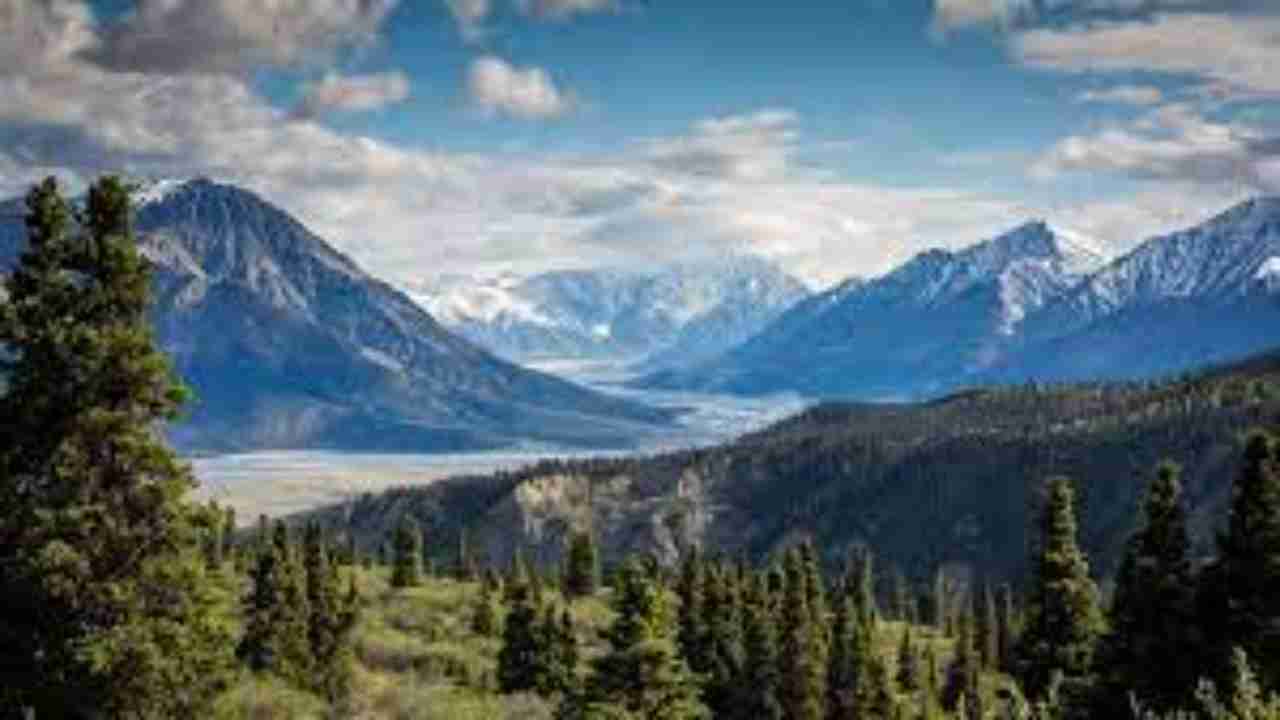
International Mountain Day is observed on December 11 every year. The day aims to raise awareness to protect mountains and their biodiversity.
The United Nations adopted the document Managing Fragile Ecosystems: Sustainable Mountain Development as part of the action plan Agenda 21 of the Conference on Environment and Development in 1992.
Cut to 2003, amid climate change and overexploitation, the United Nations decided to dedicate a particular day and urged people to protect the mountain biodiversity.
International Mountain Day 2021 theme
The theme of International Mountain Day 2021 is Sustainable Mountain Tourism. As the Covid-19 pandemic affected the tourism sector and the livelihoods of mountain communities, this theme will focus to create awareness about mountain tourism.
Best treks in India
On the occasion of International Mountain Day 2021, we have collated down a list of some of the best mountain ranges for trekking in India.
Chandrakhani Pass, Himachal
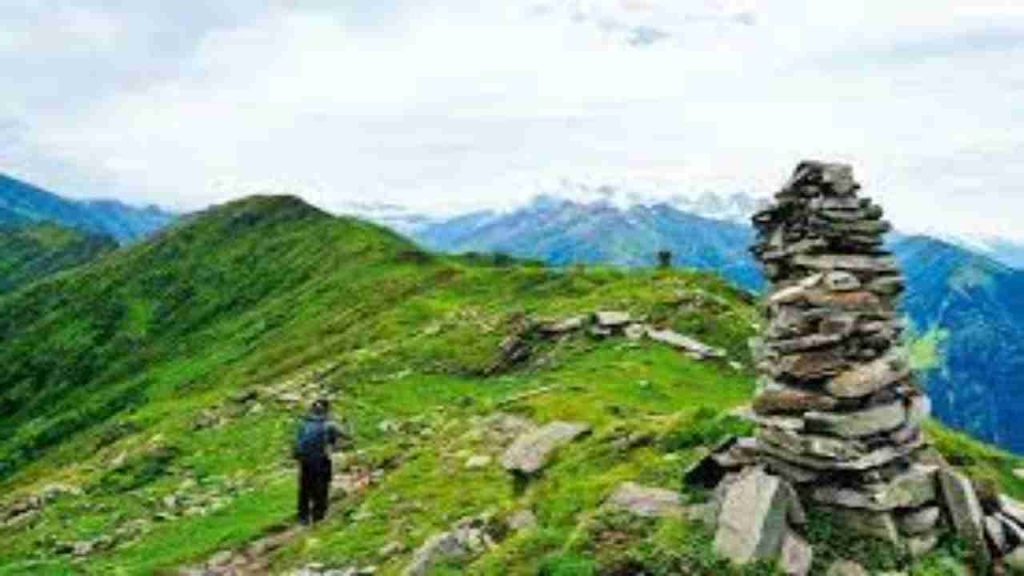
The best time to plan a trek in Chandrakhani pass is mid-June to early October. The pass starts from Naggar Village in the Kullu Valley and has a distance of 22 kilometres. The maximum altitude of the Chandrakhani pass is 3,650 m and can be completed around 10 days.
Valley of Flowers, Uttarakhand
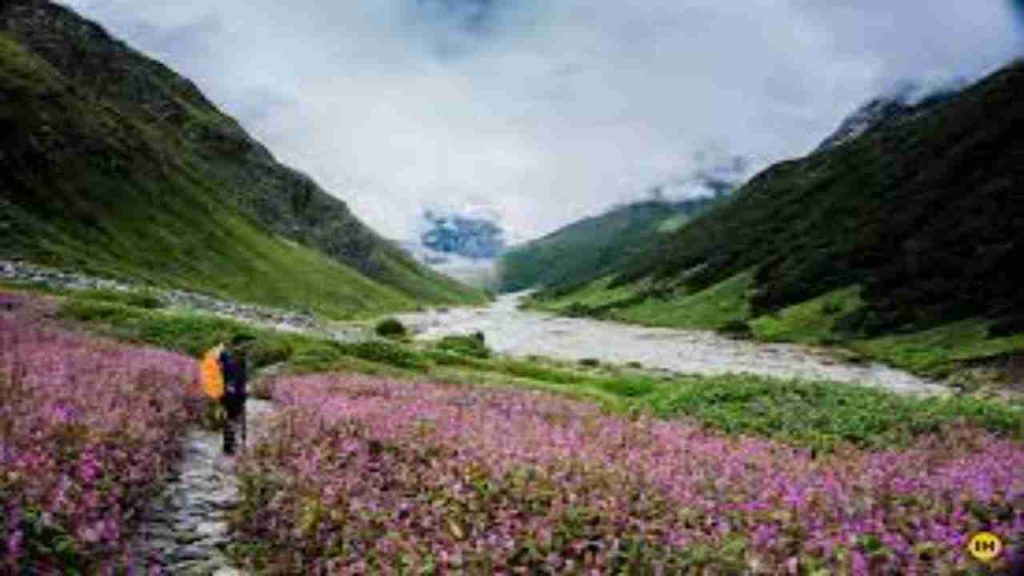
Valley of Flowers is the UNESCO world heritage site and also the Sikh pilgrimage site of Hemkund Sahib. The best time to plan for trekking in this valley is July to mid-September. The total distance of the valley is 55 kilometres and the highest altitude is 3,658 m.
Dzongri, Sikkim
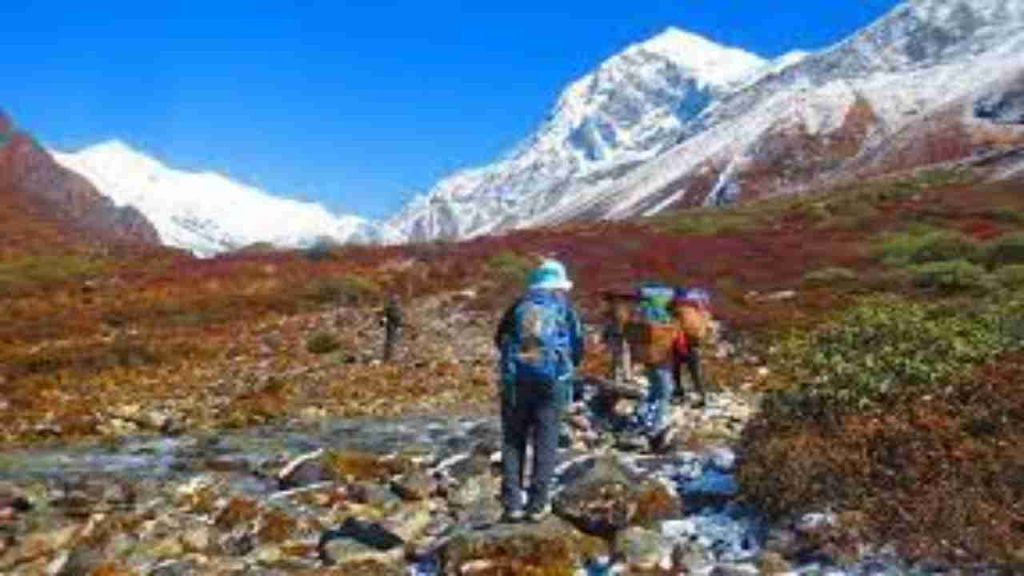
Dzongri trek covers a distance of 21 kilometres and can be completed in around 5 days. It has a maximum altitude of 15,000 feet. The best time to take a trek in Dzongri is April to June and October to December.
Sandakphu, West Bengal
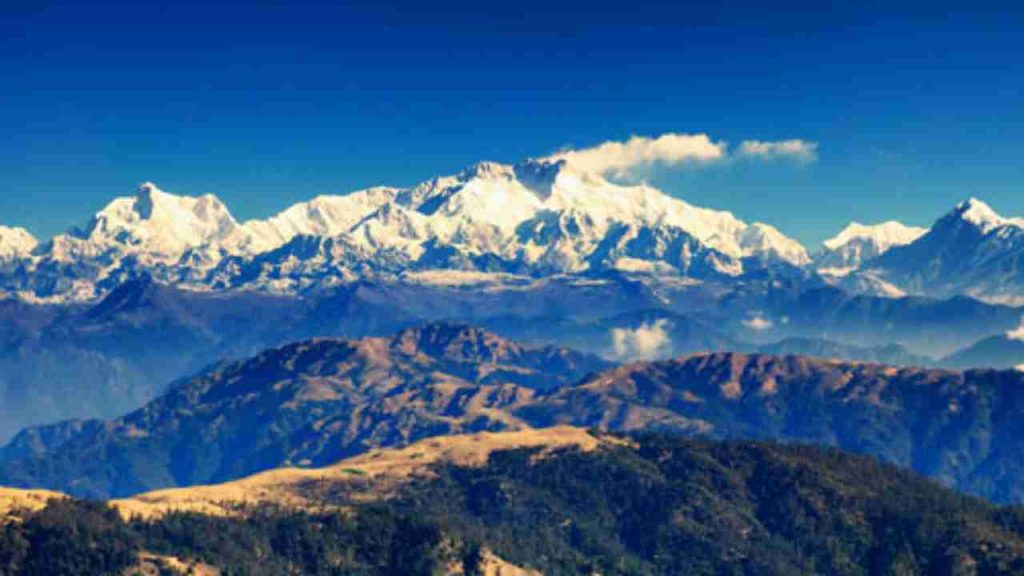
Also known as Trekker’s Wonderland, Sakdakphu is the highest point in West Bengal. It is around 45 kilometres and can be completed in 8 to 9 days. The best time to take this trek is April to May and October to February.
Read Also: Chandigarh Kare Aashiqui: KRK calls Ayushmann Khurrana-Vaani Kapoor starrer soft-porn film
Chokramudi, Munnar
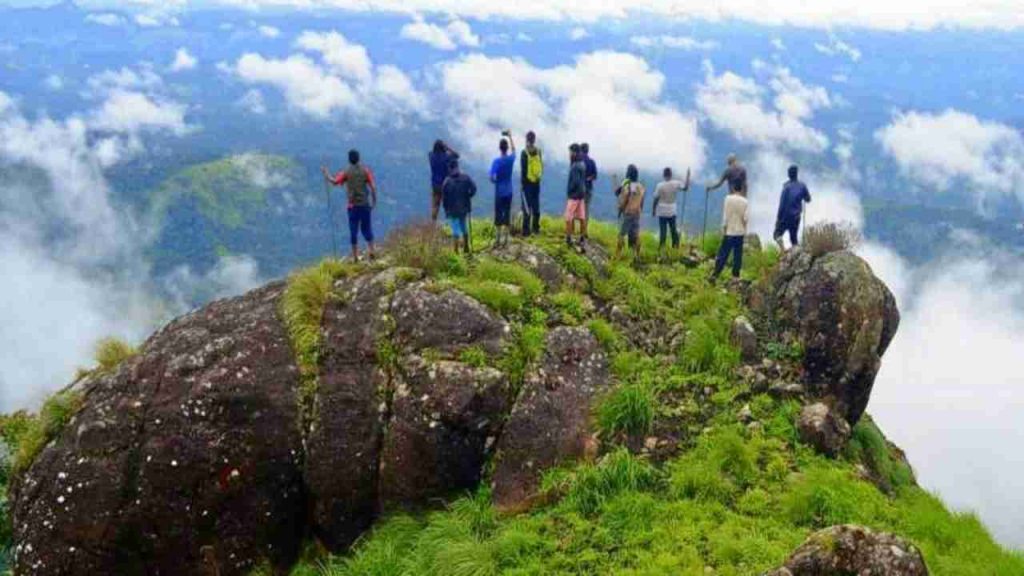
Chokramudi is considered one of the best treks for beginners. It can be completed within 5 to 7 hours and the highest point in this trek is 2,100 m. Trek in Chokramudi can be planned for any month of the year.











India News
India-US trade deal first phase finalised, drafting underway
The first phase of the India-US trade agreement has been finalised and is undergoing legal drafting, Commerce Minister Piyush Goyal said. The deal is expected to be operationalised once India secures a competitive advantage over peer countries.


India News
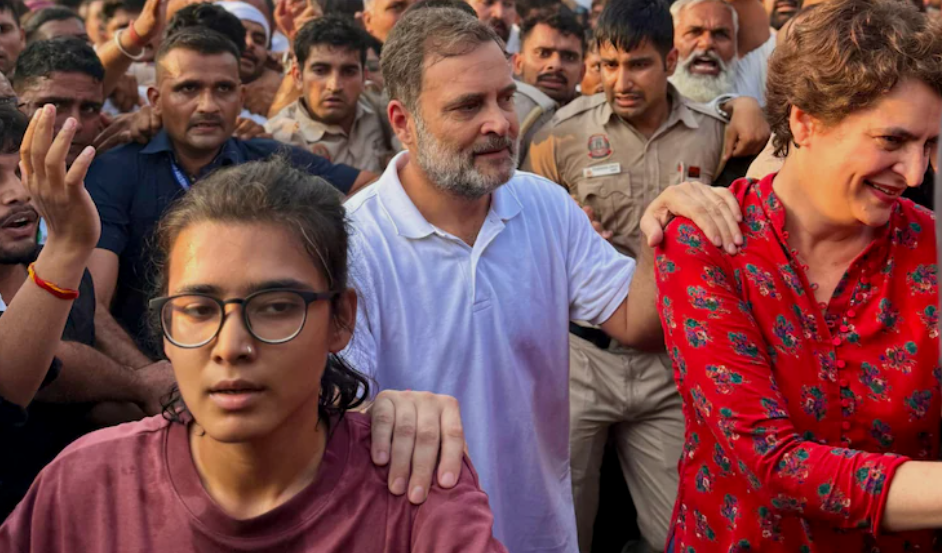
Nobody can browbeat judiciary, Chief Justice warns over Rahul Gandhi’s march
The Supreme Court issued notices to opposition leaders, including Rahul Gandhi and Akhilesh Yadav, over their march to the court on October 12 concerning irregularities in the Special Intensive Revision of electoral rolls.
India News
Dhruv Rathee gets fresh summons in 2018 BJP IT cell video case
YouTuber Dhruv Rathee has received fresh summons from a Delhi court in a 2018 criminal defamation case filed by Vikas Pandey over a video concerning the BJP IT Cell. The matter will next be heard on October 17.

Meerut murder: Muskaan Rastogi and Sahil Shukla get death sentence

Rahul Gandhi joins India Gate protest by Ankita Bhandari’s parents

Supreme Court questions EC over missing records in Sringeri election dispute

Dhruv Rathee gets fresh summons in 2018 BJP IT cell video case

Nobody can browbeat judiciary, Chief Justice warns over Rahul Gandhi’s march

India-US trade deal first phase finalised, drafting underway
Nobody can browbeat judiciary, Chief Justice warns over Rahul Gandhi’s march
Dhruv Rathee gets fresh summons in 2018 BJP IT cell video case
Supreme Court questions EC over missing records in Sringeri election dispute
Rahul Gandhi joins India Gate protest by Ankita Bhandari’s parents

Afghan Men Try To Hang With The Jet Engine Of The Aircraft in Kabul- Afghanistan News – Kabul News
Trending Top 10 News: 10000 Crore Fine on Flipkart, Apple to Launch Unique Feature, Hdfc Bank Job Ad

Trending Top 10 News: Nokia 6310, Apple sales, Bachpan ka Pyar Video Kid, Dainik Bhaskar IT Raid

Trending Top 10 News: Canada bans Indian flights, Rain in Delhi NCR, AIMIM Twitter hacked, Raj Kundra case

Trending Top 10 News: Shein India, Apple New Service, Pocket Oxygen, Oppo Launched New Phone
-
 India News22 hours ago
Meerut murder: Muskaan Rastogi and Sahil Shukla get death sentence
-
 India News21 hours ago
Rahul Gandhi joins India Gate protest by Ankita Bhandari’s parents
-
 India News20 hours ago
Supreme Court questions EC over missing records in Sringeri election dispute
-
 India News8 hours ago
Dhruv Rathee gets fresh summons in 2018 BJP IT cell video case
-
 India News5 hours ago
Nobody can browbeat judiciary, Chief Justice warns over Rahul Gandhi’s march
-
 India News14 mins ago
India-US trade deal first phase finalised, drafting underway
