
India News
Omicron triggered third wave in India may peak by January-end, daily cases touching 10 lakh: Study
A new modelling study by IISc-ISI has predicted that India is currently in the third wave and the Covid-19 cases may peak in January-end or February, with daily cases touching 10 lakh.

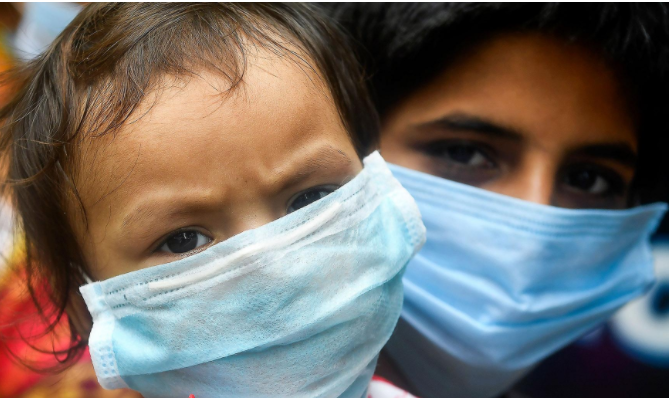
Another major Covid-19 variant is wreaking havoc on the world. Since the emergence of the highly transmitted Covid-19 strain Omicron, cases in the world have multiplied. India is witnessing an Omicron-triggered third wave where the daily cases have crossed the 1 lakh mark.
A new modelling study by IISc-ISI has predicted that India is currently in the third wave and the Covid-19 cases may peak in January-end or February, with daily cases touching 10 lakh.
Professor Siva Athreya, Professor Rajesh Sundaresan, and a team from the Indian Institute of Science (IISc) and the Indian Statistical Institute (ISI) in Bengaluru conducted the study, which was based on Omicron transmissibility rates.
Prediction of the third-wave peak in India
According to the study, the peak of the third coronavirus wave in India might occur in the last week of January, with effects beginning in the first week of February. However, it adds that different states will have different peaks.
Mid-January to mid-February is when the third wave may peak in different states. The Covid-19 curve for India could start flattening by March-beginning, it added.
Depending on the percentage of people vulnerable to the virus, the model predicts a peak in Delhi by mid-January or the third week, and a peak in Tamil Nadu in the last week of January or the first week of February.
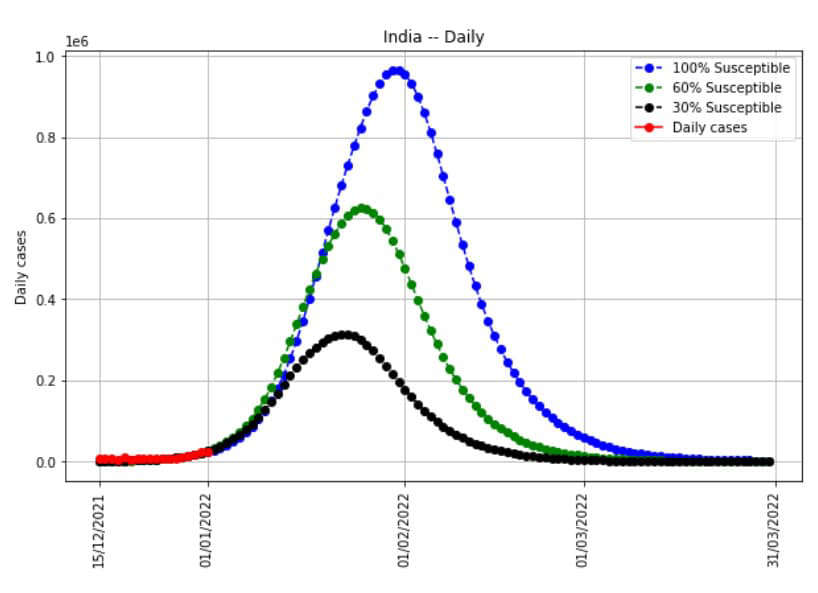
How was the study conducted? What all things were considered while predicting the third wave in the country?
Past infection, vaccination, and declining immunity are all taken into account in the model, leaving either 30 percent, 60 percent, or 100 percent of the population vulnerable. Because of prior infection and immunisation, a small percentage of the population is vulnerable to the new variant.
Daily cases in India might reach approximately 3 lakh, 6 lakh, or 10 lakh during peak time, depending on the percentage of people vulnerable to the virus.
The researchers then used the variant’s path in South Africa. Depending on the percentage of people vulnerable to the virus, the peak would occur during the third and fourth weeks of January. Similarly, depending on the number of people susceptible to the virus, the peak would decline from the beginning of March to the end of March.
Similar study by IIT-Kanpur
According to a study conducted by researchers at the Indian Institute of Technology (IIT), Kanpur, the third wave of the Covid-19 outbreak in India is expected to peak by February 3.
Read Also: Delhi likely to see 17,000 cases, positivity rate to inch above 17%, says state health minister
Since December 31, India has seen a significant increase in coronavirus infections, with daily cases soaring by five times and the active caseload spiking by three times in the last seven days. According to data from the Union Ministry of Health and Family Welfare, cases of the Omicron variant have increased since December 31.
India News
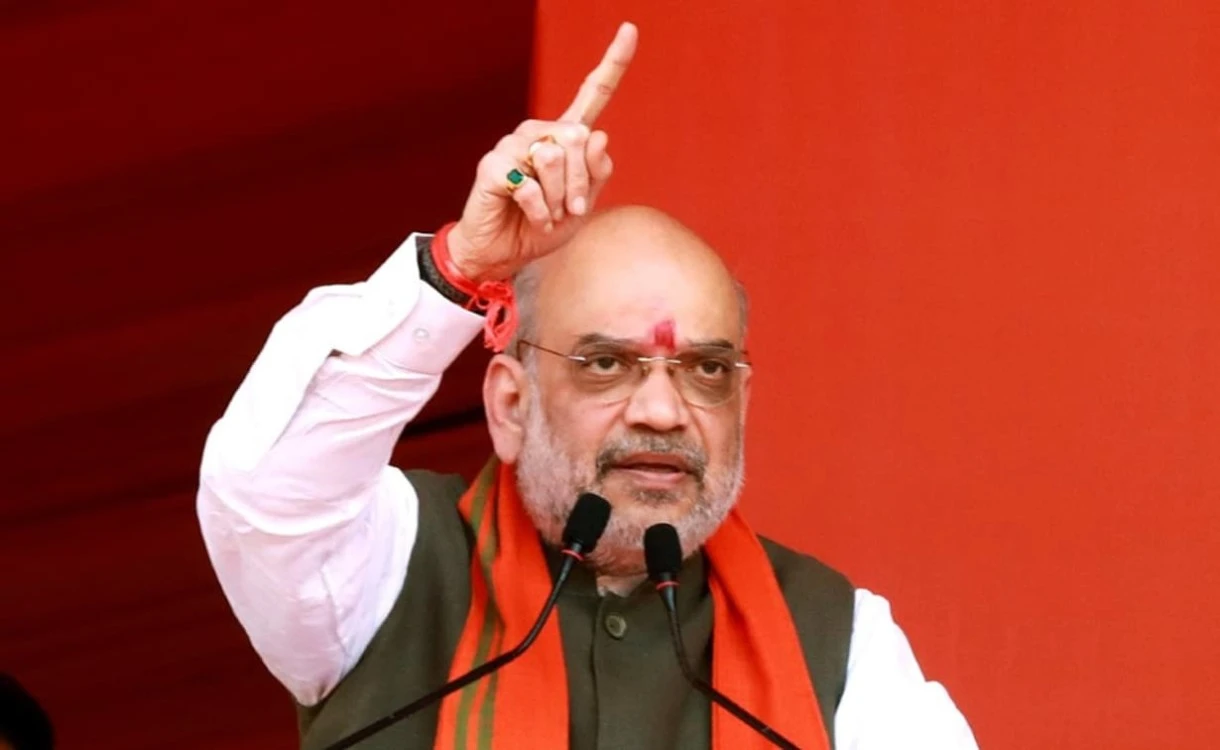
Centre sends 3 letters to Punjab government after anti-drug activist’s killing
The Centre has sought reports from the Punjab government on three incidents linked to allegations surrounding drug-related activities, including the killing of anti-drug activist Parvinder Singh Jhota.

India News
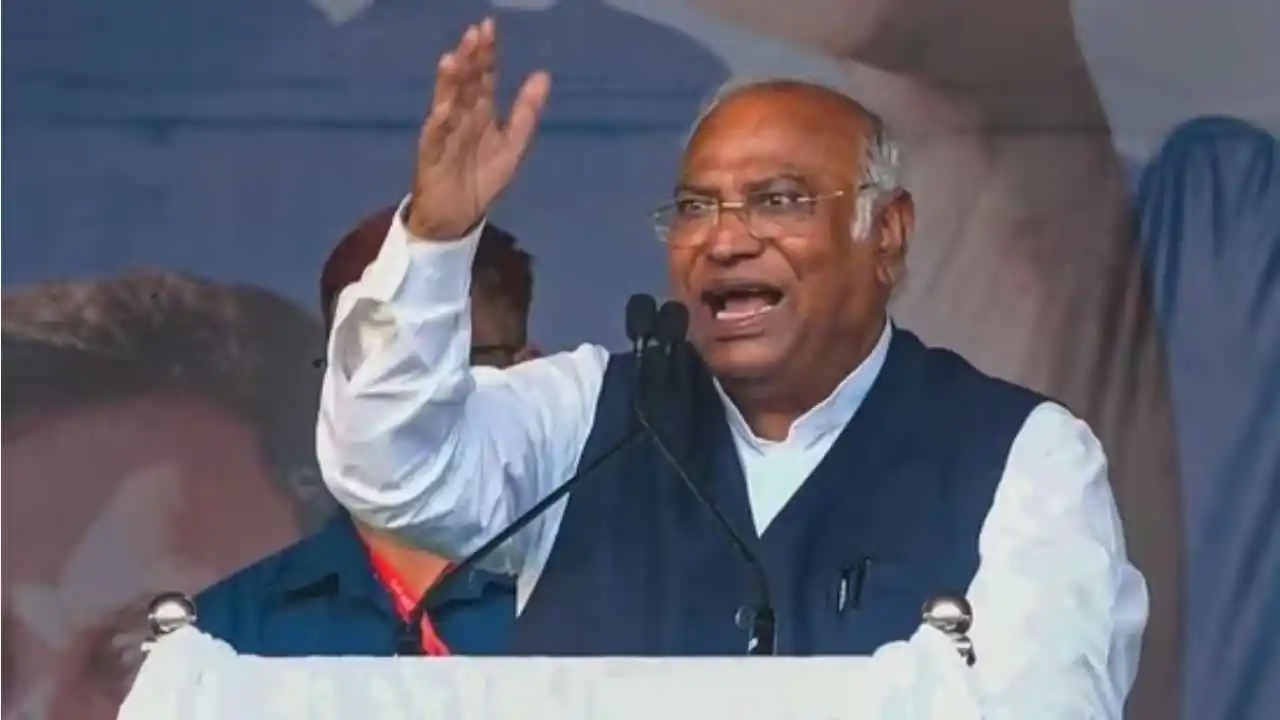
Mallikarjun Kharge seeks all-party meeting with PM Modi on delimitation
Congress president Mallikarjun Kharge has written to Prime Minister Narendra Modi for the fourth time, seeking an all-party meeting on delimitation. He also flagged the 64-day delay in proroguing Parliament’s Monsoon Session.
India News
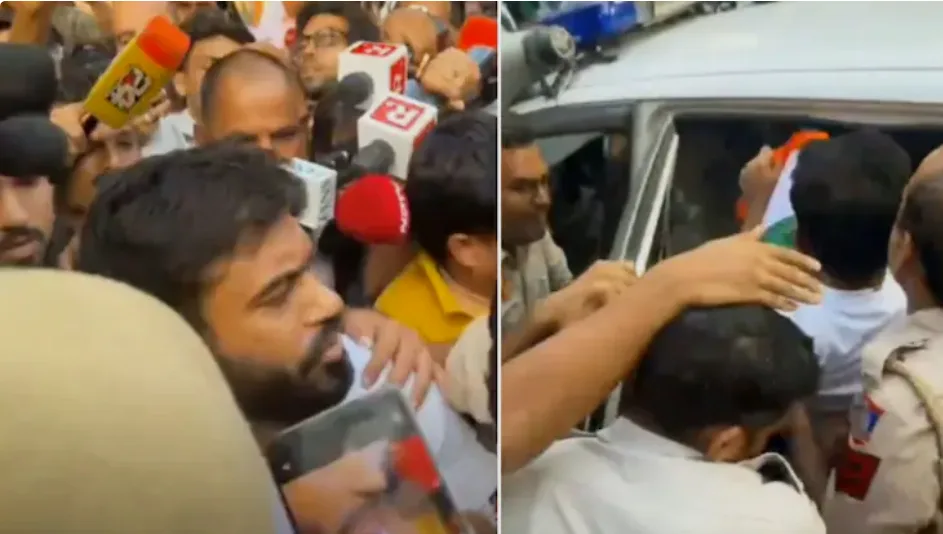
Abhijeet Dipke detained ahead of CJP’s national flag march in Delhi
Cockroach Janta Party founder Abhijeet Dipke was detained by Delhi Police on October 16, 2026, shortly before a planned national flag march. The proposed rally followed the judicial custody of two CJP members who had waved the Tricolour at Jantar Mantar.

Mallikarjun Kharge’s ‘Your Friends’ jab at Rahul Gandhi over congress exits

Magnitude 7 earthquake strikes Russia’s Kamchatka Peninsula

Delhi deploys 25,000 personnel, installs CCTV cameras ahead of CJP march

Abhijeet Dipke detained ahead of CJP’s national flag march in Delhi

Mallikarjun Kharge seeks all-party meeting with PM Modi on delimitation

Centre sends 3 letters to Punjab government after anti-drug activist’s killing
Mallikarjun Kharge seeks all-party meeting with PM Modi on delimitation
Abhijeet Dipke detained ahead of CJP’s national flag march in Delhi
Magnitude 7 earthquake strikes Russia’s Kamchatka Peninsula
Delhi deploys 25,000 personnel, installs CCTV cameras ahead of CJP march

Afghan Men Try To Hang With The Jet Engine Of The Aircraft in Kabul- Afghanistan News – Kabul News
Trending Top 10 News: 10000 Crore Fine on Flipkart, Apple to Launch Unique Feature, Hdfc Bank Job Ad

Trending Top 10 News: Nokia 6310, Apple sales, Bachpan ka Pyar Video Kid, Dainik Bhaskar IT Raid

Trending Top 10 News: Canada bans Indian flights, Rain in Delhi NCR, AIMIM Twitter hacked, Raj Kundra case

Trending Top 10 News: Shein India, Apple New Service, Pocket Oxygen, Oppo Launched New Phone
-
 India News14 hours ago
Mallikarjun Kharge’s ‘Your Friends’ jab at Rahul Gandhi over congress exits
-
 Latest world news14 hours ago
Magnitude 7 earthquake strikes Russia’s Kamchatka Peninsula
-
 India News14 hours ago
Delhi deploys 25,000 personnel, installs CCTV cameras ahead of CJP march
-
 India News5 hours ago
Abhijeet Dipke detained ahead of CJP’s national flag march in Delhi
-
 India News3 hours ago
Mallikarjun Kharge seeks all-party meeting with PM Modi on delimitation
-
 India News2 hours ago
Centre sends 3 letters to Punjab government after anti-drug activist’s killing
