
India News
Pak alerts Gilgit-Baltistan of India’s alleged secret plan to hit CPEC


Interior Ministry say India has sent 400 Muslim youth to Afghanistan for terror training
Continuing its anti-India propaganda, Pakistan’s Interior Ministry has informed Gilgit-Baltistan (GB) government in the disputed PoK territory that India has made a plan to attack the installations of China-Pakistan Economic Corridor (CPEC) to sabotage the multi-billion project.
Dawn reports quoting unnamed sources on Monday that the interior ministry has issued directives to the local government for making foolproof security arrangements to avoid any untoward incident.
The official source said that the letter No 221/Is2018 dated January 28 “claimed that India had sent 400 Muslim youngsters to Afghanistan for receiving training to be able to carry out attacks on the CEPC installations, including bridges at Karakoram Highway (KKH) and other important points on the CPEC route.”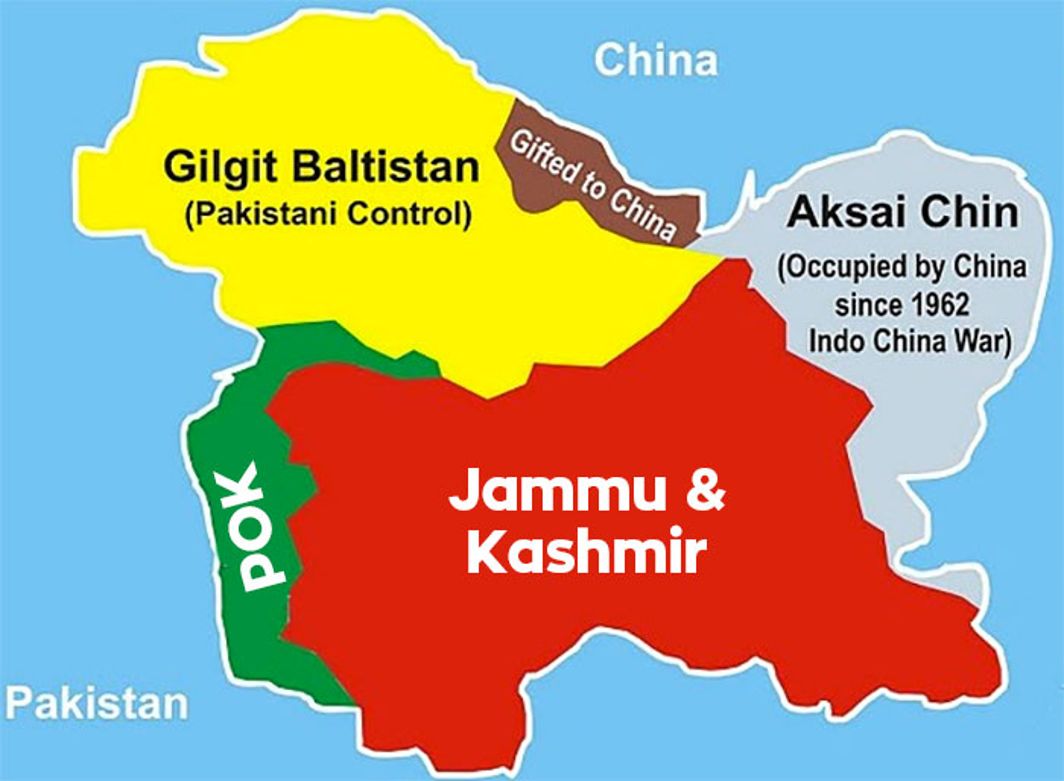
The home department had received a letter from the federal interior ministry recently warning of possible terrorist attacks on the CPEC route.
The report further says that after getting Interior Ministry’s communication, the GB government has enhanced security on the CPEC route, including two dozen bridges built on KKH from Khunjerab Pass to Diamer district.
Senior officials including GB Home Secretary Jawad Akram, Inspector General of Police Sabir Ahmed along with intelligence officials have visited Diamer district on Saturday to review security arrangements.
Sabir Ahmed said that KKH bridges on CPEC route had been declared sensitive and security officials are alerted to keep an eye at all entry points to the district.
He said that the movements of foreign nationals in the region would be monitored and their credentials would be verified. “Suspected persons in the region will be detained under the Fourth Schedule,” he said.
In January last year, the Gilgit Baltistan police had claimed to have foiled an alleged RAW plan to sabotage projects related to CPEC and generate anti-Pakistan feelings in the region. They claimed that 12 suspected persons had received funds from RAW and prepared a plan to sabotage the multi-billion mega project.
The Karakoram Highway, also known as China-Pakistan Friendship Highway, is a 1300 km long national highway which extends from Hasan Abdal in Pakistan’s Punjab province to the Khunjerab Pass in Gilgit Baltistan, where it crosses into China’s Xinjiang Uyghur Autonomous Region and becomes China National Highway 314. The highest paved road in the world is also referred to as the Eighth Wonder of the World.
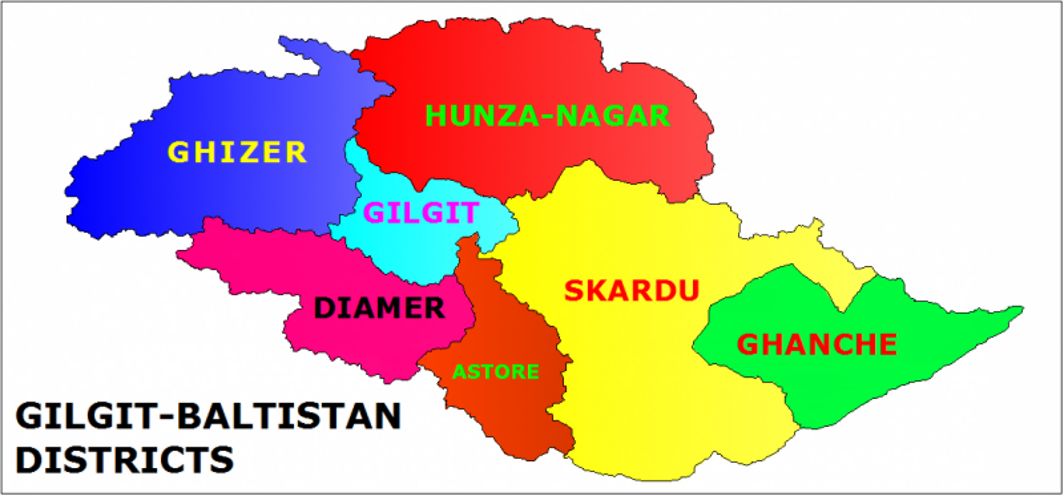 Gilgit-Baltistan was part of the five regions of the formerly princely state of Jammu and Kashmir. Under the Maharaja It was known as the state of Kashmir and Jammu. The five regions were: Jammu, Kashmir, Ladakh, Gilgit Wazarat, and Gilgit Agency.
With changing equations in the early 20th century after the establishment of the Union of Soviet States of Russia (USSR) in 1917, the British took Gilgit Agency on a 60-year-lease from the Maharaja of Jammu and Kashmir in 1935.
British returned the Gilgit Agency to the Maharaja of Jammu and Kashmir, 15 days after India attained independence. It was again merged with Jammu and Kashmir under the direct rule of Maharaja as a legal part of the state.
Maharaja Hari Singh signed the Instrument of Accession with India on October 31 in 1947.
India did not participate One Belt One Road summit held in May last year in Beijing citing objection that CPEC passes through parts of the erstwhile Jammu and Kashmir state that it claims as its territory.







India News
Indore voter deletions: 1.36 lakh names, but digital records not maintained
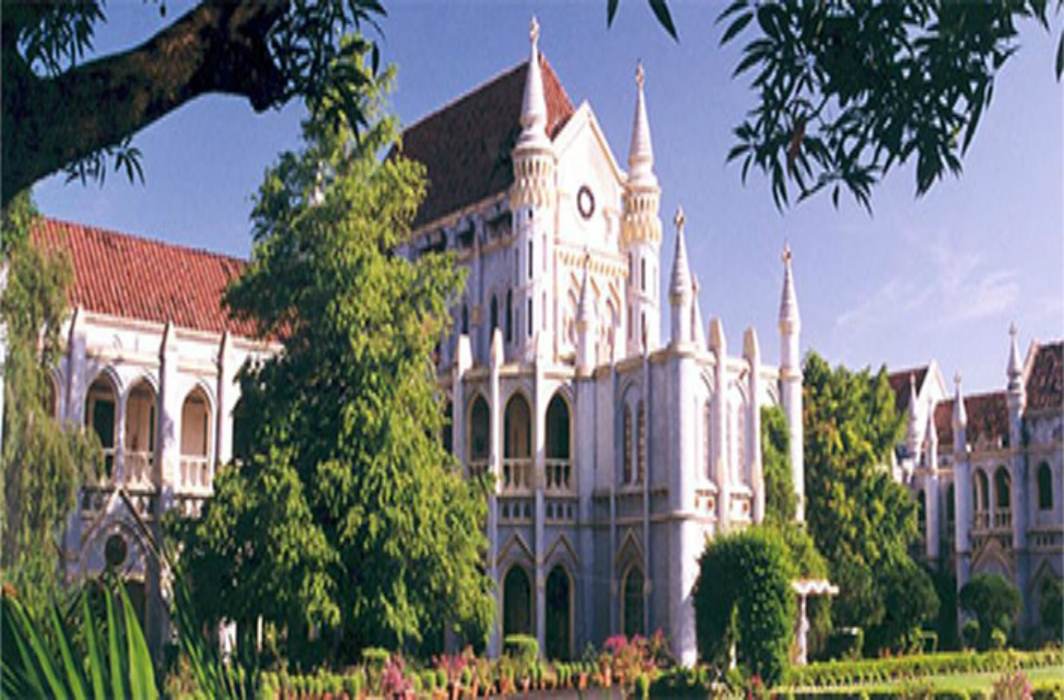
Replies to an RTI concerning 1,36,552 voter deletions in Indore in 2022 said several constituency offices had not maintained the requested digital records.

India News
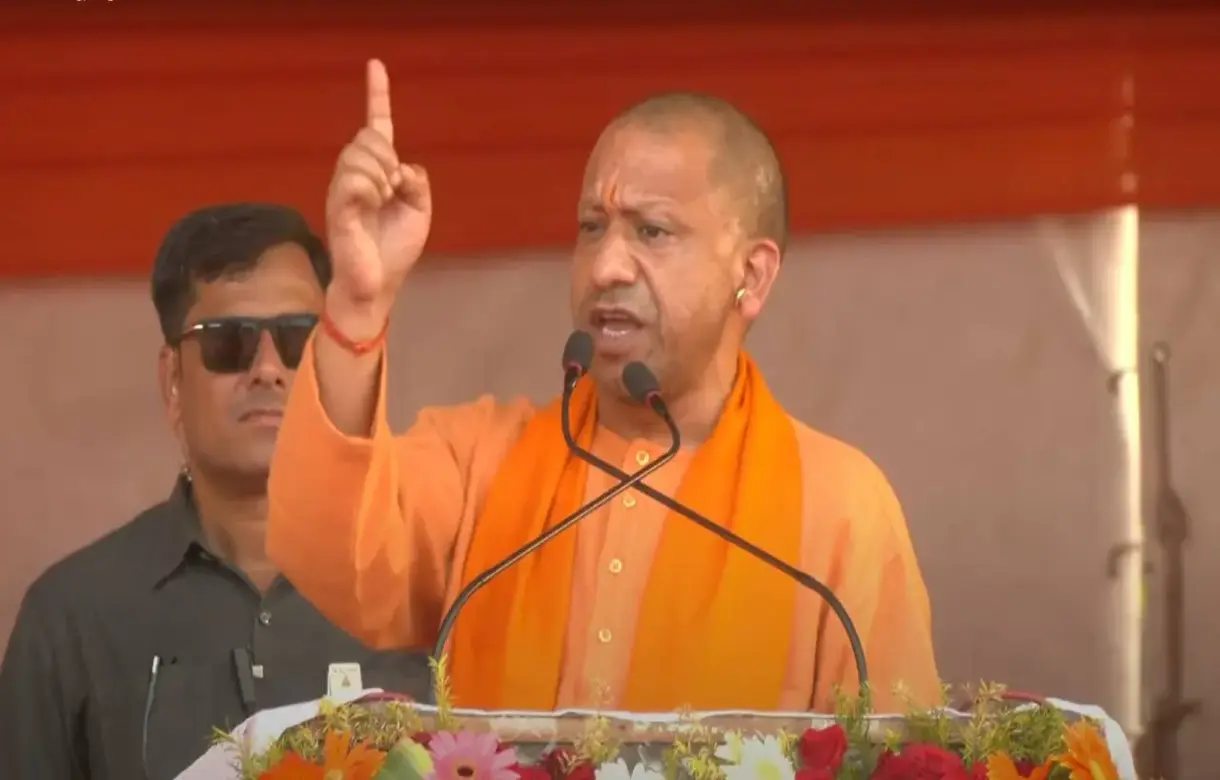
Yogi Adityanath transfers over Rs. 148 crore to 4.60 lakh students
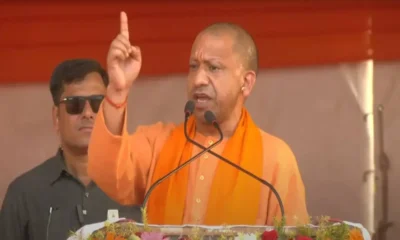
Uttar Pradesh Chief Minister Yogi Adityanath transferred over Rs. 148 crore to the bank accounts of more than 4.60 lakh students under the state’s scholarship and fee reimbursement programme.
India News
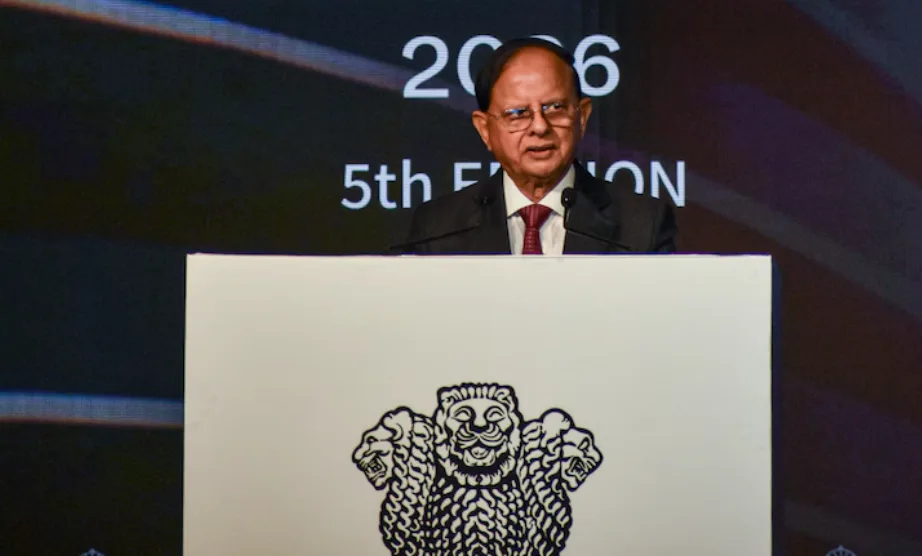
Tariffs, export controls increasingly used for strategic purposes, says PM’s Principal Secretary
PM’s Principal Secretary P K Mishra said tariffs, export controls and other restrictions are increasingly being used for strategic purposes amid growing global economic uncertainty.

New UP Congress chief Aradhana Mishra backs stronger alliance with SP

CJP announces October 10 Delhi protest against Gyanesh Kumar

India beat Pakistan by 19 runs to win Asian Games cricket gold

Tariffs, export controls increasingly used for strategic purposes, says PM’s Principal Secretary

Yogi Adityanath transfers over Rs. 148 crore to 4.60 lakh students
Indore voter deletions: 1.36 lakh names, but digital records not maintained
Yogi Adityanath transfers over Rs. 148 crore to 4.60 lakh students
Tariffs, export controls increasingly used for strategic purposes, says PM’s Principal Secretary
India beat Pakistan by 19 runs to win Asian Games cricket gold
New UP Congress chief Aradhana Mishra backs stronger alliance with SP

Afghan Men Try To Hang With The Jet Engine Of The Aircraft in Kabul- Afghanistan News – Kabul News
Trending Top 10 News: 10000 Crore Fine on Flipkart, Apple to Launch Unique Feature, Hdfc Bank Job Ad

Trending Top 10 News: Nokia 6310, Apple sales, Bachpan ka Pyar Video Kid, Dainik Bhaskar IT Raid

Trending Top 10 News: Canada bans Indian flights, Rain in Delhi NCR, AIMIM Twitter hacked, Raj Kundra case

Trending Top 10 News: Shein India, Apple New Service, Pocket Oxygen, Oppo Launched New Phone
-
 India News16 hours ago
New UP Congress chief Aradhana Mishra backs stronger alliance with SP
-
 India News16 hours ago
CJP announces October 10 Delhi protest against Gyanesh Kumar
-
 Cricket news10 hours ago
India beat Pakistan by 19 runs to win Asian Games cricket gold
-
 India News8 hours ago
Tariffs, export controls increasingly used for strategic purposes, says PM’s Principal Secretary
-
 India News8 hours ago
Yogi Adityanath transfers over Rs. 148 crore to 4.60 lakh students
-
India News7 hours ago
Indore voter deletions: 1.36 lakh names, but digital records not maintained
