
Latest Politics News
Himachal Pradesh finishes voting, 65.92% turnout till 5:30 pm, results on December 8
CM Jairam Thakur’s home district Mandi saw 58.90 per cent voting.


Voting for 68 seats in the Himachal Pradesh Assembly ended on Saturday with 65.92 per cent voting registered at 5 pm, said the Election Commission.
Tashigang, highest polling station booth, recorded 98.80 per cent of voter turnout with 51 out of 52 voters voting in the world’s highest polling station booth.

Till 3 pm, the highest polling percentage of 62.75 per cent was recorded in Lahaul Spiti. Sirmaur district came second with 60.38 per cent polling. While the average turnout at 3 pm was 56 per cent, CM Jairam Thakur’s home district Mandi saw 58.90 per cent voting. The lowest turnout of 46 per cent was recorded in Chamba district.
earleir in the day Prime Minister Narendra Modi and CM Jairam Thakur had appealed to the voters to exercise their franchise as voting began on a sluggish note on the second Saturday.
Congress accuses BJP IT cell of circulating fake survey
The Himachal Pradesh unit of the Congress has approached the Election Commission in the midst of voting. They complained that BJP’s IT cell was circulating a fake survey report violating the code of conduct. The BJP is trying to hijack the voting, they said. Apart from this, Himachal Pradesh Congress in-charge Rajeev Shukla has accused the BJP of circulating a fake letter purportedly written by Congress President Mallikarjun Kharge. The fake letter says the BJP will get more seats and the Congress will get less seats, Shukla claimed.
412 candidates in fray in Himachal
There are 412 candidates in the fray from all over Himachal Pradesh. About 56 lakh voters of the state will decide their fate. Of these, 28,54,945 are male voters, 27,37,845 female voters and 38 third gender voters.

Counting of votes will take place on December 8. In 2017, the voter turnout in the state was 75.57 per cent.
What’s in it for the parties?
This will be the first election the Congress will be fighting under a non-Gandhi at the helm. The party had fancied itself as the people’s choice given the anti-incumbency it read in the voters’ reactions. The Aam Aadmi Party is also putting up a contest. The BJP welcomed several Congress leaders into its fold ahead of the elections, to defeat-proof itself.







India News
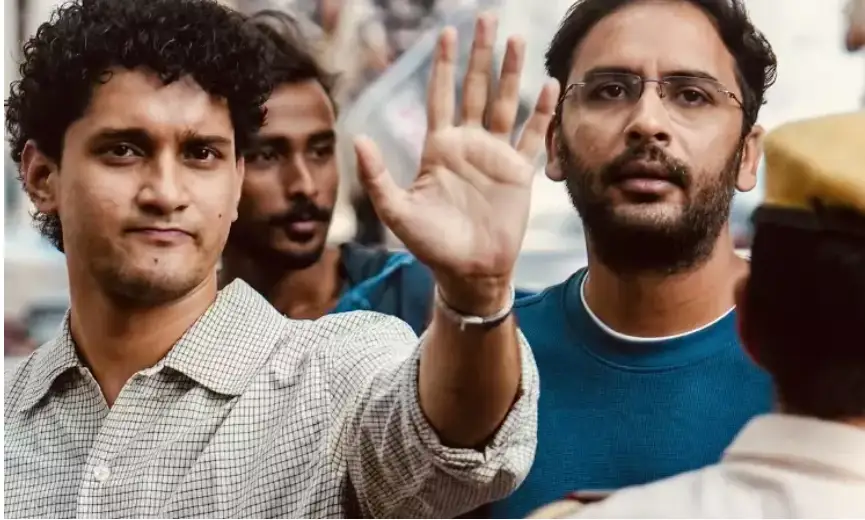
CJP leaders Saurav Das, Ashutosh Ranka, Ajinkya Shinde sent to 5-day judicial custody
Three CJP leaders, Saurav Das, Ashutosh Ranka and Ajinkya Shinde, were placed under preventive arrest following a protest at Delhi’s Jantar Mantar over Chief Election Commissioner Gyanesh Kumar.

India News
BJP focuses on religion as opposition pushes BDM strategy in UP
The BJP is emphasising religious issues ahead of the Uttar Pradesh Assembly elections, while opposition parties are seeking to consolidate Backward, Dalit and Minority voters. Recent exchanges involving Yogi Adityanath, Akhilesh Yadav and Asaduddin Owaisi have added to the political contest over the state’s electoral narrative.

India News
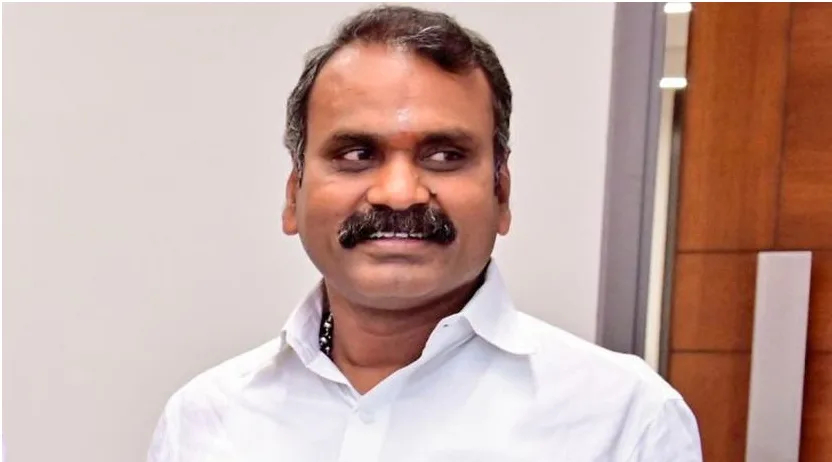
L Murugan quits Union ministry to strengthen BJP in Tamil Nadu
L Murugan has resigned from his Union ministerial post and Rajya Sabha membership, saying he wants to return to grassroots politics and dedicate himself to strengthening the BJP in Tamil Nadu before the 2029 Lok Sabha elections.

India-US trade deal first phase finalised, drafting underway

Election Commission orders voter roll revision in 17 states, UTs

Actor Imran Khan asked to leave India after CJP protest

Delhi Police offers 11-person limit for CJP’s Connaught Place protest

Mallikarjun Kharge’s ‘Your Friends’ jab at Rahul Gandhi over congress exits

Magnitude 7 earthquake strikes Russia’s Kamchatka Peninsula

Delhi deploys 25,000 personnel, installs CCTV cameras ahead of CJP march
Mallikarjun Kharge’s ‘Your Friends’ jab at Rahul Gandhi over congress exits
Delhi Police offers 11-person limit for CJP’s Connaught Place protest
Actor Imran Khan asked to leave India after CJP protest

Afghan Men Try To Hang With The Jet Engine Of The Aircraft in Kabul- Afghanistan News – Kabul News
Trending Top 10 News: 10000 Crore Fine on Flipkart, Apple to Launch Unique Feature, Hdfc Bank Job Ad

Trending Top 10 News: Nokia 6310, Apple sales, Bachpan ka Pyar Video Kid, Dainik Bhaskar IT Raid

Trending Top 10 News: Canada bans Indian flights, Rain in Delhi NCR, AIMIM Twitter hacked, Raj Kundra case

Trending Top 10 News: Shein India, Apple New Service, Pocket Oxygen, Oppo Launched New Phone
-
 India News22 hours ago
India-US trade deal first phase finalised, drafting underway
-
 India News19 hours ago
Election Commission orders voter roll revision in 17 states, UTs
-
 India News19 hours ago
Actor Imran Khan asked to leave India after CJP protest
-
 India News18 hours ago
Delhi Police offers 11-person limit for CJP’s Connaught Place protest
-
 India News6 hours ago
Mallikarjun Kharge’s ‘Your Friends’ jab at Rahul Gandhi over congress exits
-
 India News6 hours ago
Delhi deploys 25,000 personnel, installs CCTV cameras ahead of CJP march
-
 Latest world news6 hours ago
Magnitude 7 earthquake strikes Russia’s Kamchatka Peninsula
