
India News
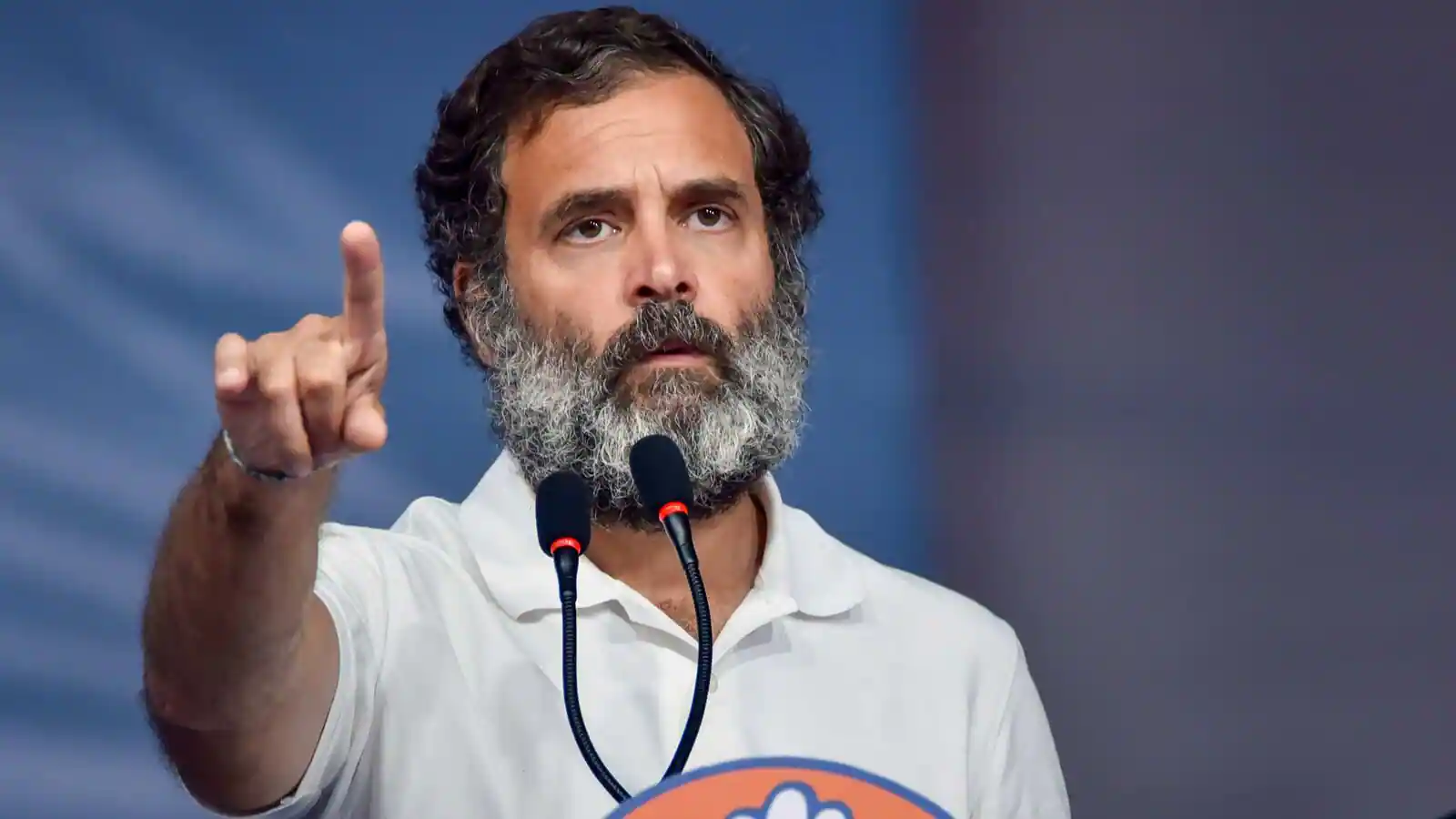
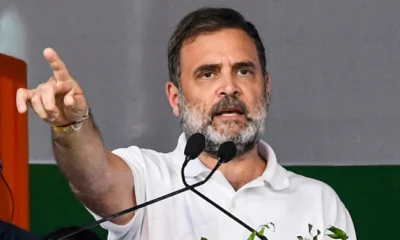
Rahul Gandhi gets 2-year jail term for Modi surname remark, gets bail for appeal, could lose his Parliament membership
A Gujarat court, Thursday, found Congress scion Rahul Gandhi guilty in the 2019 “Modi surname” defamation case.






India News
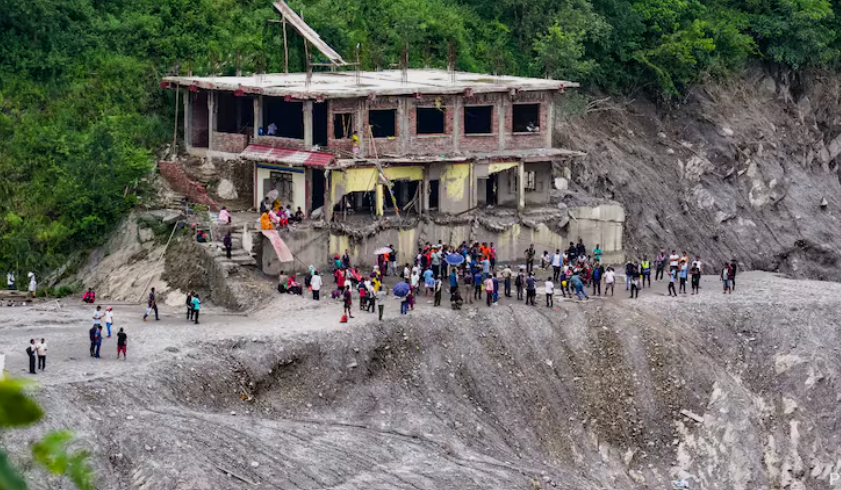
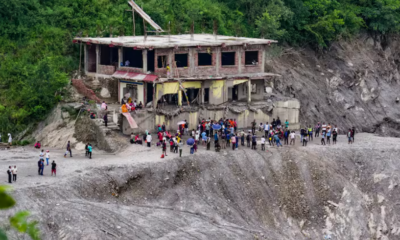
India offers forensic DNA support to identify Nepal flood victims
India will make forensic laboratory facilities available for DNA profiling of first-degree relatives of people missing after Nepal’s August 26 flash floods.

India News
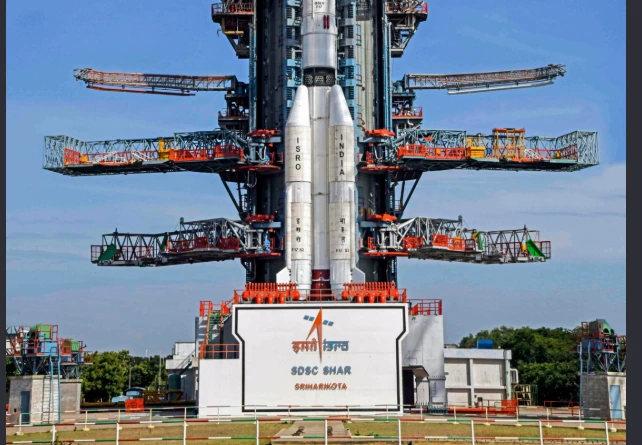
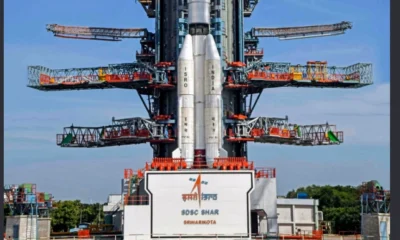
PM Modi hails ISRO after successful GSLV-F17 launch, calls it proud moment
PM Modi congratulated ISRO after GSLV-F17 successfully launched EOS-05, calling the achievement a proud moment for India.
India News
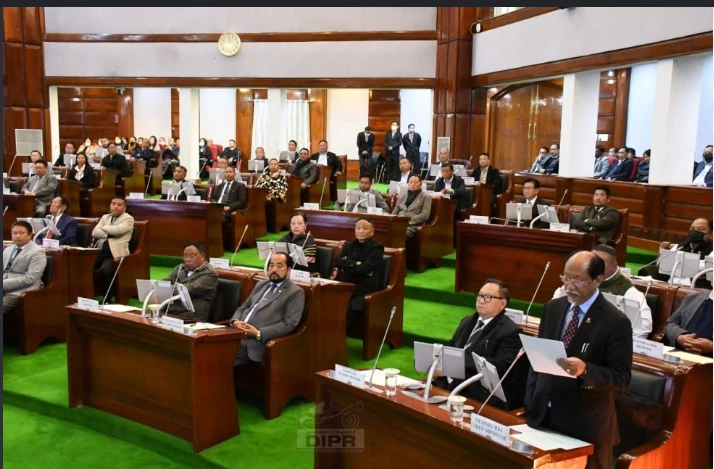
Nagaland Assembly urges Centre to withdraw Protected Area Permit regime
Nagaland Assembly unanimously passed a resolution urging the Centre to withdraw the Protected Area Permit regime, citing concerns over tourism, investment and international engagement.

Mayawati says Akash Anand needs more maturity, rules out major BSP role

No discussion on Ajit Agarkar’s extension, BCCI clarifies after key meeting absence

Abhinandan Varthaman retires from IAF, joins FLY91 as commercial pilot

S Jaishankar defends Russian oil imports, says it won’t end Ukraine war

Nagaland Assembly urges Centre to withdraw Protected Area Permit regime

India offers forensic DNA support to identify Nepal flood victims

PM Modi hails ISRO after successful GSLV-F17 launch, calls it proud moment
Nagaland Assembly urges Centre to withdraw Protected Area Permit regime
S Jaishankar defends Russian oil imports, says it won’t end Ukraine war
No discussion on Ajit Agarkar’s extension, BCCI clarifies after key meeting absence

Afghan Men Try To Hang With The Jet Engine Of The Aircraft in Kabul- Afghanistan News – Kabul News
Trending Top 10 News: 10000 Crore Fine on Flipkart, Apple to Launch Unique Feature, Hdfc Bank Job Ad

Trending Top 10 News: Nokia 6310, Apple sales, Bachpan ka Pyar Video Kid, Dainik Bhaskar IT Raid

Trending Top 10 News: Canada bans Indian flights, Rain in Delhi NCR, AIMIM Twitter hacked, Raj Kundra case

Trending Top 10 News: Shein India, Apple New Service, Pocket Oxygen, Oppo Launched New Phone
-
 India News19 hours ago
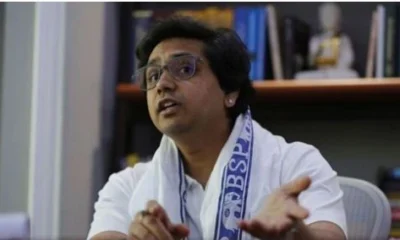
Mayawati says Akash Anand needs more maturity, rules out major BSP role
-
 Cricket news19 hours ago
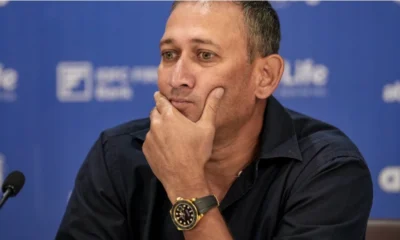
No discussion on Ajit Agarkar’s extension, BCCI clarifies after key meeting absence
-
 India News20 hours ago
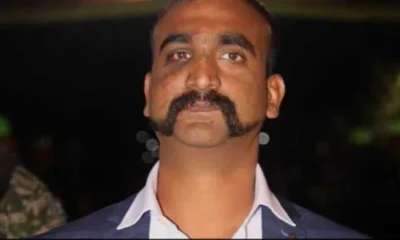
Abhinandan Varthaman retires from IAF, joins FLY91 as commercial pilot
-
 Latest world news6 hours ago
S Jaishankar defends Russian oil imports, says it won’t end Ukraine war
-
 India News5 hours ago
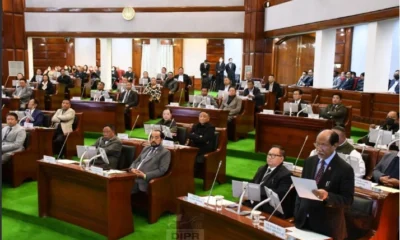
Nagaland Assembly urges Centre to withdraw Protected Area Permit regime
-
 India News5 hours ago
PM Modi hails ISRO after successful GSLV-F17 launch, calls it proud moment
-
 India News12 mins ago
India offers forensic DNA support to identify Nepal flood victims
