
Latest world news
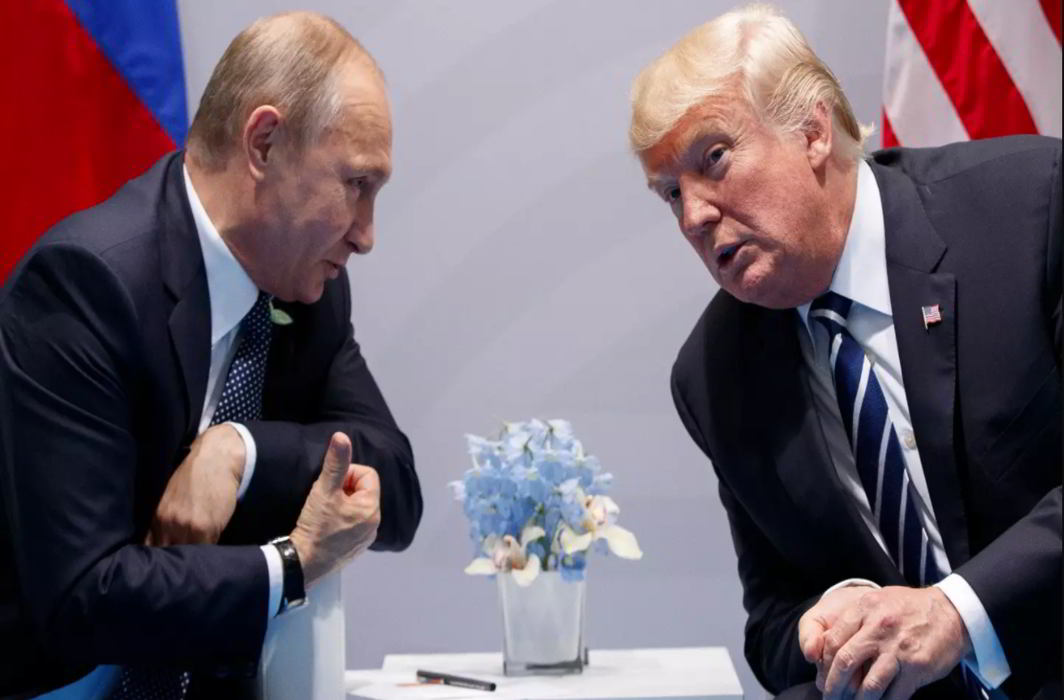
Trump attitude force NATO leaders to hold unscheduled meet


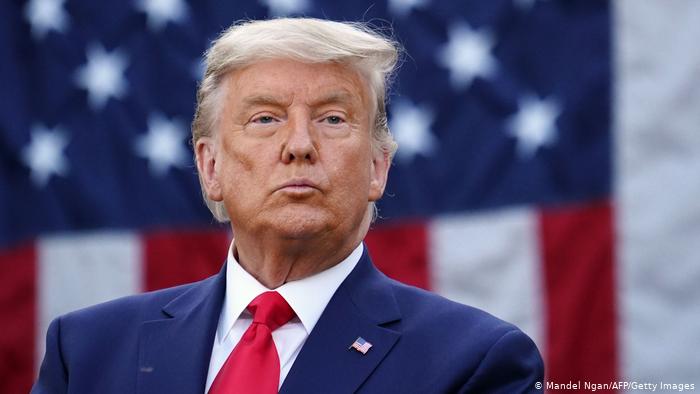
A fresh attack by U.S. President Donald Trump on NATO allies’ failure to raise spending on defense, prompted leaders to huddle in a special session excluding other summit participants in Brussels on Thursday.
Reuters quoting two unnamed sources reports that at one point, in a break with diplomatic protocol, Trump addressed German Chancellor Merkel by her first name and told her: “Angela, you need to do something about this.”
In an unprecedented manner, the invited leaders from non-NATO countries; Afghanistan and Georgia were asked to leave along with most NATO leaders’ accompanying officials, as the heads of state and government of the Western alliance sought to deal with the US President whose nation commands much of the budget and forces for Europe’s defense.
 On Wednesday, Donald Trump opened the first day of talks with a public diatribe against Germany, before the mood appeared to have calmed as the summit went into its second day, focusing on operations beyond Europe.
Trump instead reopened in strong terms his demand that other countries greatly speed up their progress toward a NATO target of spending at least two percent of their GDP on defense.
Meanwhile Donlad Trump kept posting his words on twitter on Thursday:
Presidents have been trying unsuccessfully for years to get Germany and other rich NATO Nations to pay more toward their protection from Russia. They pay only a fraction of their cost. The U.S. pays tens of Billions of Dollars too much to subsidize Europe, and loses Big on Trade!
— Donald J. Trump (@realDonaldTrump) July 12, 2018
….On top of it all, Germany just started paying Russia, the country they want protection from, Billions of Dollars for their Energy needs coming out of a new pipeline from Russia. Not acceptable! All NATO Nations must meet their 2% commitment, and that must ultimately go to 4%!
— Donald J. Trump (@realDonaldTrump) July 12, 2018
One sources told Reuters, “The language was much tougher today. His harshest words were directed at Germany, including by calling her Angela —‘You, Angela.’”
Spanish Prime Minister Pedro Sanchez and Charles Michel, the prime minister of Belgium, were also singled out by US President for undershooting on their spending targets when U.S. taxpayers, funding a defense budget worth about 3.6 percent of their national income, foot much of NATO’s bills.
Read More: Trump writes to NATO leaders to share defence cost
However Trump had not issued a threat to pull the US out of the alliance that it helped found to keep the peace in Europe after World War Two.
On Thursday, leaders had gone into the second day, set to focus mainly on ending the long war in Afghanistan, with low expectations, showing the extent of European frustration with Trump’s “America first” policies among the other 28 NATO members.
Read More: France, Germany and UK to trade with Iran without Dollars
Despite the first day’s haranguing of allies for failing to meet spending targets and accusing Germany of being a prisoner to Russian energy, Trump was mild-mannered at a private dinner on Wednesday and avoided any outbursts that many NATO diplomats had feared.





Latest world news
Trump waives Russia-related sanctions, tariffs in relief for India
Donald Trump has waived several Russia-related sanctions, restrictions and duties under a new US law, potentially easing tariff pressure on India and China, two major buyers of Russian energy.

Latest world news
Magnitude 7 earthquake strikes Russia’s Kamchatka Peninsula
A magnitude 7 earthquake struck Russia’s Kamchatka Peninsula region on Friday. The initial report placed the earthquake at a depth of 140 kilometres.

Latest world news
S Jaishankar says India is a natural option for Russia amid Europe tensions
External Affairs Minister S Jaishankar said India remained a natural option for Russia as Moscow increasingly turned towards Asia amid strained relations with Europe. He highlighted the continuity of India-Russia ties and their significance for the balance of power in Asia.


LK Advani, 98, hospitalised in Delhi with chest infection
Trump waives Russia-related sanctions, tariffs in relief for India

ED summons Pinarayi Vijayan in money laundering case

Anirudh Ravichander to marry Kavya Maran in November, reception on November 21

Delhi court orders release of CJP founder Abhijeet Dipke

Journalist files police complaint against Rahul Gandhi over push allegation
Delhi court orders release of CJP founder Abhijeet Dipke
Anirudh Ravichander to marry Kavya Maran in November, reception on November 21
ED summons Pinarayi Vijayan in money laundering case
LK Advani, 98, hospitalised in Delhi with chest infection

Afghan Men Try To Hang With The Jet Engine Of The Aircraft in Kabul- Afghanistan News – Kabul News
Trending Top 10 News: 10000 Crore Fine on Flipkart, Apple to Launch Unique Feature, Hdfc Bank Job Ad

Trending Top 10 News: Nokia 6310, Apple sales, Bachpan ka Pyar Video Kid, Dainik Bhaskar IT Raid

Trending Top 10 News: Canada bans Indian flights, Rain in Delhi NCR, AIMIM Twitter hacked, Raj Kundra case

Trending Top 10 News: Shein India, Apple New Service, Pocket Oxygen, Oppo Launched New Phone
-
 India News16 hours ago
LK Advani, 98, hospitalised in Delhi with chest infection
-
Latest world news16 hours ago
Trump waives Russia-related sanctions, tariffs in relief for India
-
 India News15 hours ago
ED summons Pinarayi Vijayan in money laundering case
-
 India News5 hours ago
Anirudh Ravichander to marry Kavya Maran in November, reception on November 21
-
 India News5 hours ago
Delhi court orders release of CJP founder Abhijeet Dipke
-
 India News3 hours ago
Journalist files police complaint against Rahul Gandhi over push allegation
