
India News
Rahul Gandhi spotted in Delhi pizzeria in viral video while PM Modi, others attend Anant Ambani-Radhika Merchant wedding
Lalu Prasad Yadav and West Bengal Chief Minister Mamata Banerjee also attended the wedding.

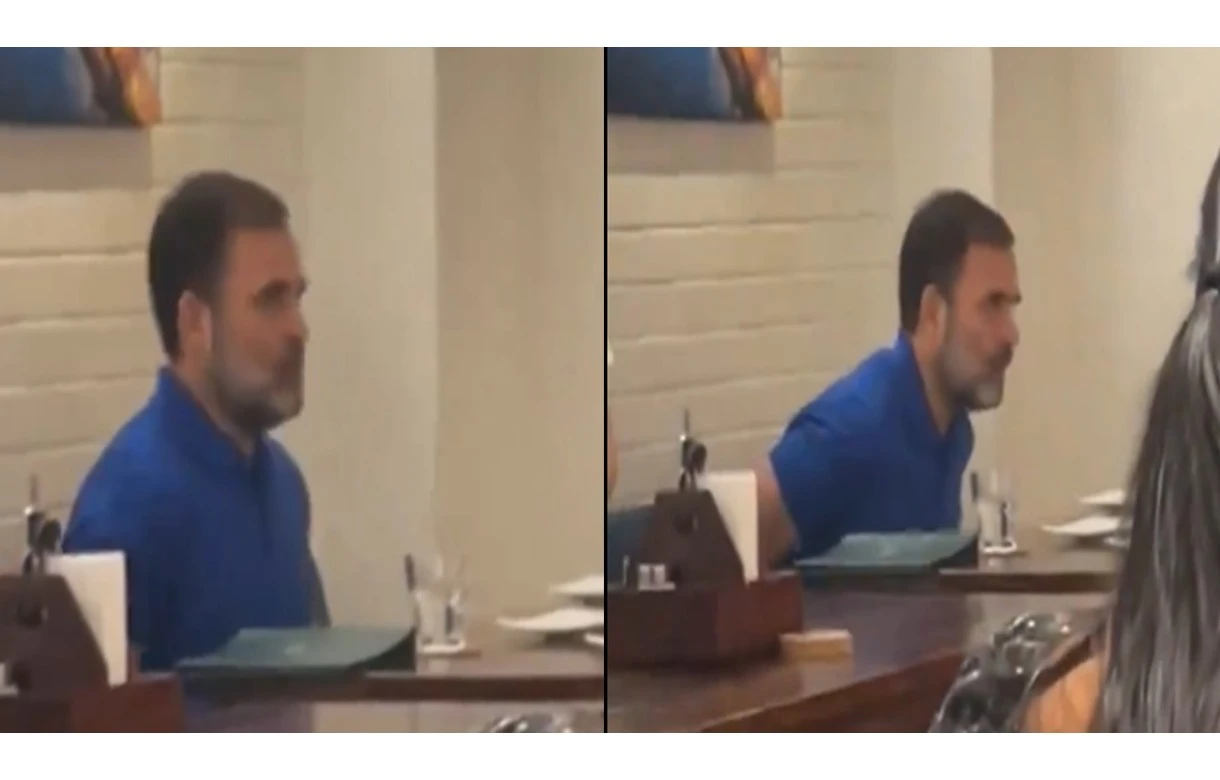
Leader of Opposition in Lok Sabha, Rahul Gandhi, was spotted at pizzeria restaurant in Delhi, while Prime Minister Narendra Modi and other politicians were attending Anant Ambani and Radhika Merchant’s wedding in Mumbai.
The undated viral video has been shared widely on social media platforms with a claim that the Congress leader did not attend the high-profile wedding of Ambani in the dream city, instead chose to spend time at a Delhi restaurant.
Sharing the video on X, formerly Twitter, wrote that while all the political leaders attended the Ambani family wedding, Rahul Gandhi was at a restaurant ordering pizza.
Visuals shared online show that the Raebareli MP, wearing a light blue t-shirt, sitting across from someone and engaging in a lively chat.
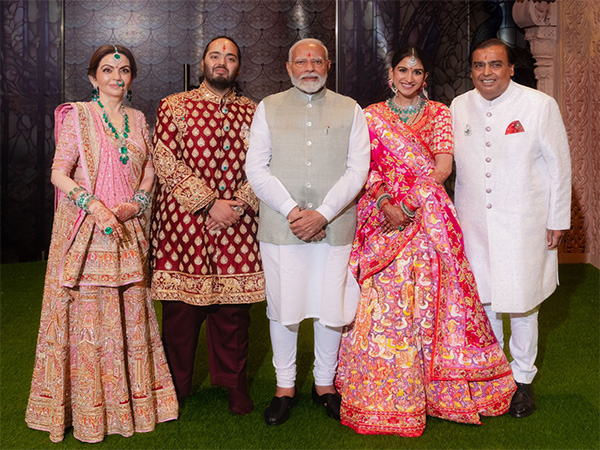
PM Modi attended the “Shubh Aashirwad” ceremony of Anant Ambani and Radhika Merchant in Mumbai on Saturday night at the Jio World Convention Centre.
The Ambani family welcomed the Prime Minister and escorted him to the stage. Anant Ambani and Radhika Merchant took blessings from the PM.
Before that, the Prime Minister was in Mumbai to lay the foundation stone for multiple projects related to roads, railways, and ports, worth more than Rs 29,400 crore.
Among the prominent leaders who attended the Ambani family wedding ceremony in Mumbai on Saturday were Andhra Pradesh Chief Minister N Chandrababu Naidu, Deputy Chief Minister Pawan Kalyan, Maharashtra Chief Minister Eknath Shinde and Deputy Chief Ministers Devendra Fadnavis and Ajit Pawar.
From the INDIA bloc Samajwadi Party Chief and former Uttar Pradesh Chief Minister Akhilesh Yadav, along with his family, was spotted at the ceremony.
Rashtriya Janata Dal (RJD) chief and former Bihar Chief Minister Lalu Prasad Yadav and West Bengal Chief Minister Mamata Banerjee also attended the wedding on Friday.
The BJP leader, Smriti Irani, who recently lost her Amethi seat in the Lok Sabha election, was spotted along with her husband, also attending the wedding ceremony.









India News
Delhi Police offers 11-person limit for CJP’s Connaught Place protest
Delhi Police has offered to facilitate a group of 11 people at Central Park in Connaught Place for the Cockroach Janata Party’s October 16 protest, while warning that violations of prohibitory orders could invite legal action.


India News
Actor Imran Khan asked to leave India after CJP protest
Actor Imran Khan has been asked to leave India by October 28, days after participating in a protest called by the Cockroach Janta Party (CJP) in Mumbai.

India News
Election Commission orders voter roll revision in 17 states, UTs
The Election Commission has ordered a Special Summary Revision of electoral rolls in 17 states and Union Territories. Draft rolls are scheduled for November 12, with final rolls due on January 4, 2027.


Dhruv Rathee gets fresh summons in 2018 BJP IT cell video case

Nobody can browbeat judiciary, Chief Justice warns over Rahul Gandhi’s march

India-US trade deal first phase finalised, drafting underway

Election Commission orders voter roll revision in 17 states, UTs

Actor Imran Khan asked to leave India after CJP protest

Delhi Police offers 11-person limit for CJP’s Connaught Place protest
Actor Imran Khan asked to leave India after CJP protest
Election Commission orders voter roll revision in 17 states, UTs
India-US trade deal first phase finalised, drafting underway
Nobody can browbeat judiciary, Chief Justice warns over Rahul Gandhi’s march

Afghan Men Try To Hang With The Jet Engine Of The Aircraft in Kabul- Afghanistan News – Kabul News
Trending Top 10 News: 10000 Crore Fine on Flipkart, Apple to Launch Unique Feature, Hdfc Bank Job Ad

Trending Top 10 News: Nokia 6310, Apple sales, Bachpan ka Pyar Video Kid, Dainik Bhaskar IT Raid

Trending Top 10 News: Canada bans Indian flights, Rain in Delhi NCR, AIMIM Twitter hacked, Raj Kundra case

Trending Top 10 News: Shein India, Apple New Service, Pocket Oxygen, Oppo Launched New Phone
-
 India News12 hours ago
Dhruv Rathee gets fresh summons in 2018 BJP IT cell video case
-
 India News9 hours ago
Nobody can browbeat judiciary, Chief Justice warns over Rahul Gandhi’s march
-
 India News4 hours ago
India-US trade deal first phase finalised, drafting underway
-
 India News2 hours ago
Election Commission orders voter roll revision in 17 states, UTs
-
 India News2 hours ago
Actor Imran Khan asked to leave India after CJP protest
-
 India News32 mins ago
Delhi Police offers 11-person limit for CJP’s Connaught Place protest
