India News
Opposition claims credit as Centre rolls out Unified Pension Scheme
The Congress chief asserted that the Opposition will keep ensuring accountability and protect 140 crore Indians from this “despotic government”.

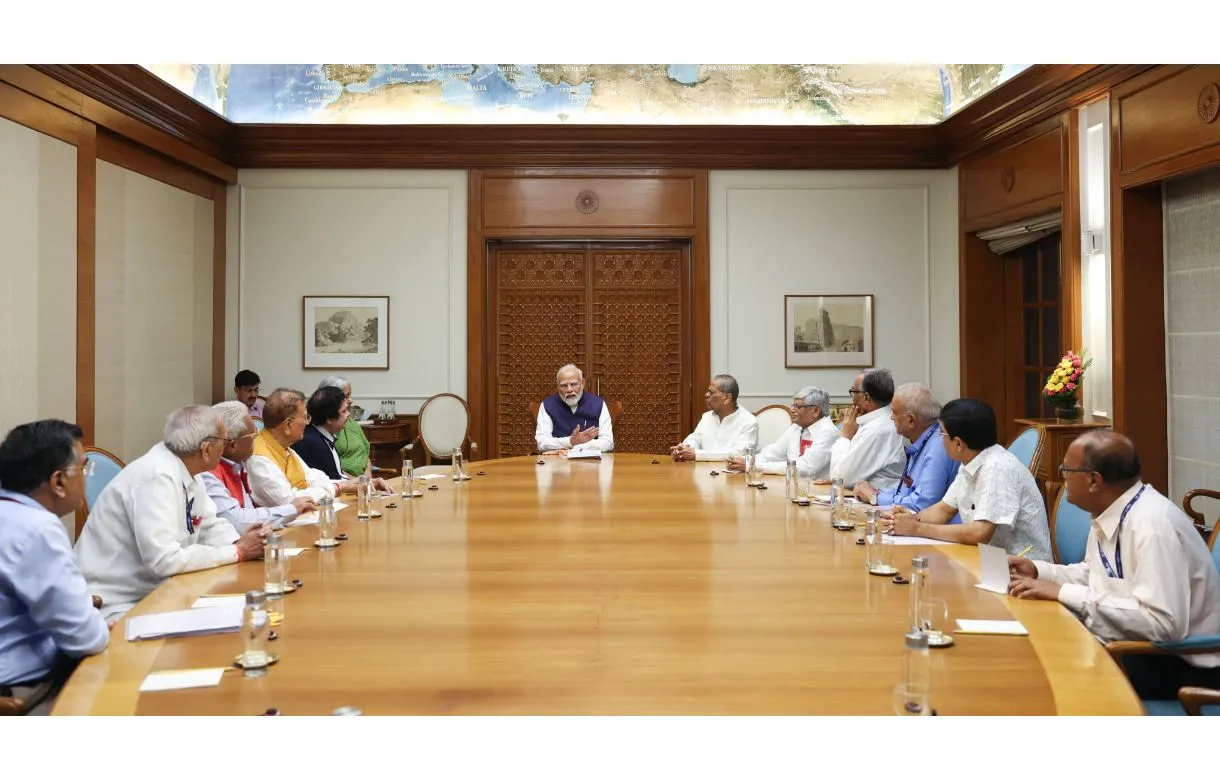
After Centre approved the Unified Pension Scheme (UPS) for Central government employees on August 24, the Opposition has claimed credit for the NDA government’s decision to roll out UPS.
In a post on X, Congress chief Mallikarjun Kharge described the ‘U’ in UPS stands for Prime Minister Narendra Modi government’s U-turns. “Post June 4, the power of the people has prevailed over the arrogance of power of the Prime Minister”, he added.
He listed the few rollbacks by the Central government including a rollback in the budget regarding Long Term Capital Gain / Indexation. Sending Waqf Bill to JPC, rollback of Broadcast Bill, and recently Lateral Entry advertisement by UPSC on Centre’s direction.
The Congress chief asserted that the Opposition will keep ensuring accountability and protect 140 crore Indians from this “despotic government”.
Yesterday, PM Modi recognised the hard work of all government employees who contribute significantly to national progress. The Unified Pension Scheme ensures dignity and financial security for government employees, aligning with our commitment to their well-being and a secure future, he said in a post on X.
Union Home Minister Amit Shah Congratulated Central government employees on the approval of the Unified Pension Scheme by the Prime Minister in the Union Cabinet on Saturday.
With the approval of the scheme, the Modi government has reiterated its commitment to the financial security of Central government employees, who form the backbone of the nation’s governance, Shah emphasised.
After facing massive criticism from Opposition and government employees over the New Pension Scheme replacing the Old Pension Scheme, the Centre came up with the Unified Pension Scheme for Central government employees, which will be effective from April 1, 2025.
The UPS is akin to the Old Pension Scheme, with an assured pension where retirees will now receive 50% of their average basic pay over the last 12 months before retirement as a pension for a minimum qualifying service of 25 years. Proportionate for a lesser service period up to a minimum of 10 years of service.
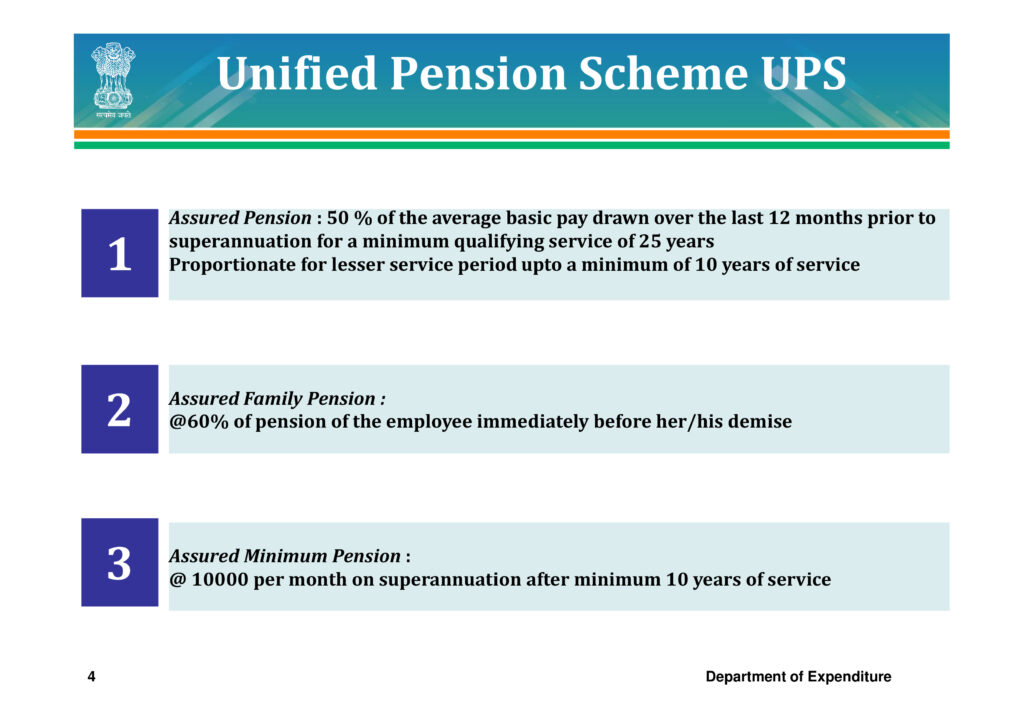
In UPS, the government has increased its contribution from 14% to 18.5%. Employee contribution will not increase and will remain at 10%. In case of a pensioner’s unfortunate demise, their family will receive 60% of the pension the employee was receiving.
As assured minimum pension under this scheme, is Rs 10,000 per month as pension, on superannuation after a minimum of 10 years of service.
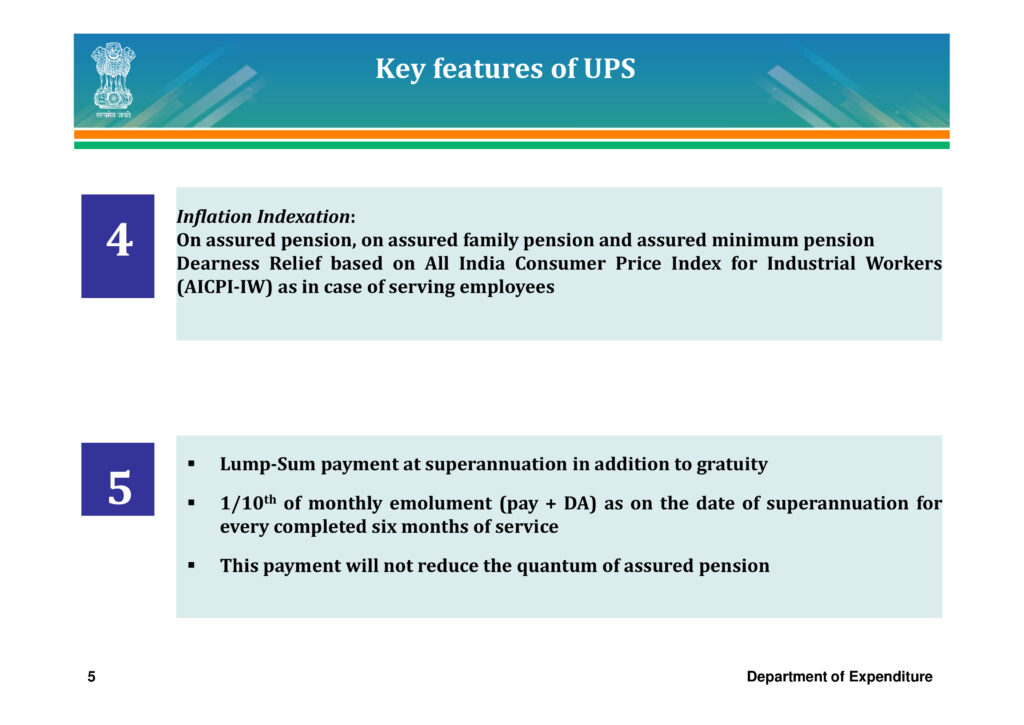
The Centre has covered the inflation protection, with this the pensions will be indexed to inflation. Dearness Relief will be based on the All India Consumer Price Index for Industrial Workers (AICPI-IW), as in the case of serving employees.
The lump sum payment at superannuation in addition to gratuity. The 1/10 th of monthly emoluments ( pay +DA) as on the date of superannuation for every completed six months of the service. This Payment will not reduce the quantum of assured pension.
Under this scheme, provisions of UPS will apply to past retirees of NPS (who have already superannuated). Arrears for the past period will be paid with interest at PPF rates.
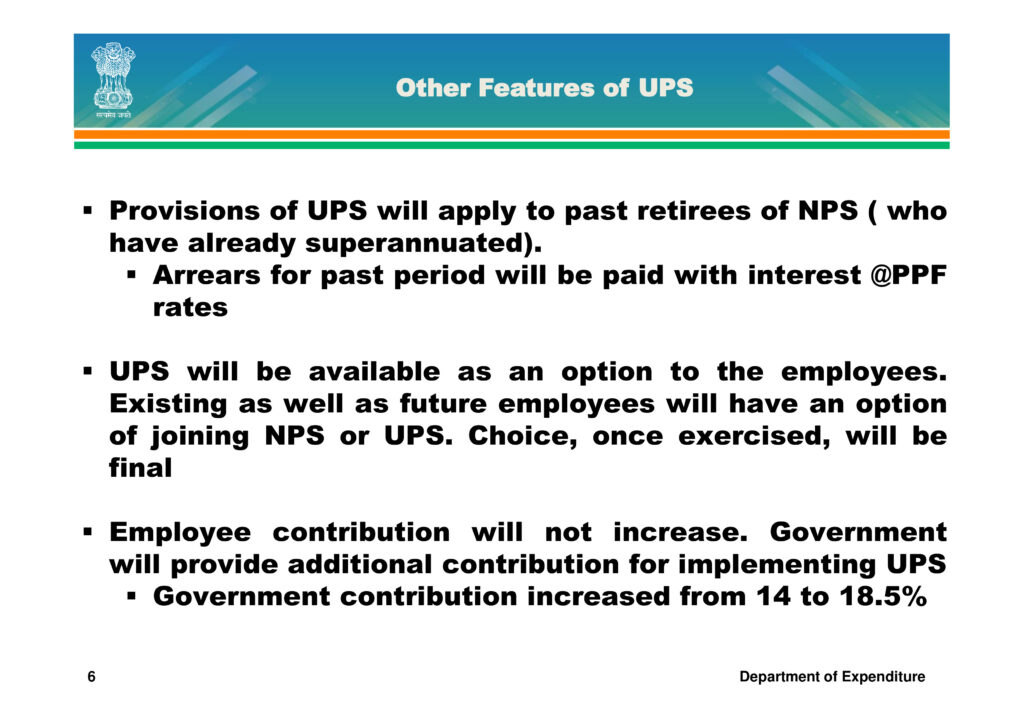
UPS will be available as an option to the employees. Existing NPS / VRS with NPS as well as future employees will have an option of joining UPS. Choice, once exercised, will be final.
UPS will be benefiting around 23 lakh Central government employees, as per the government.
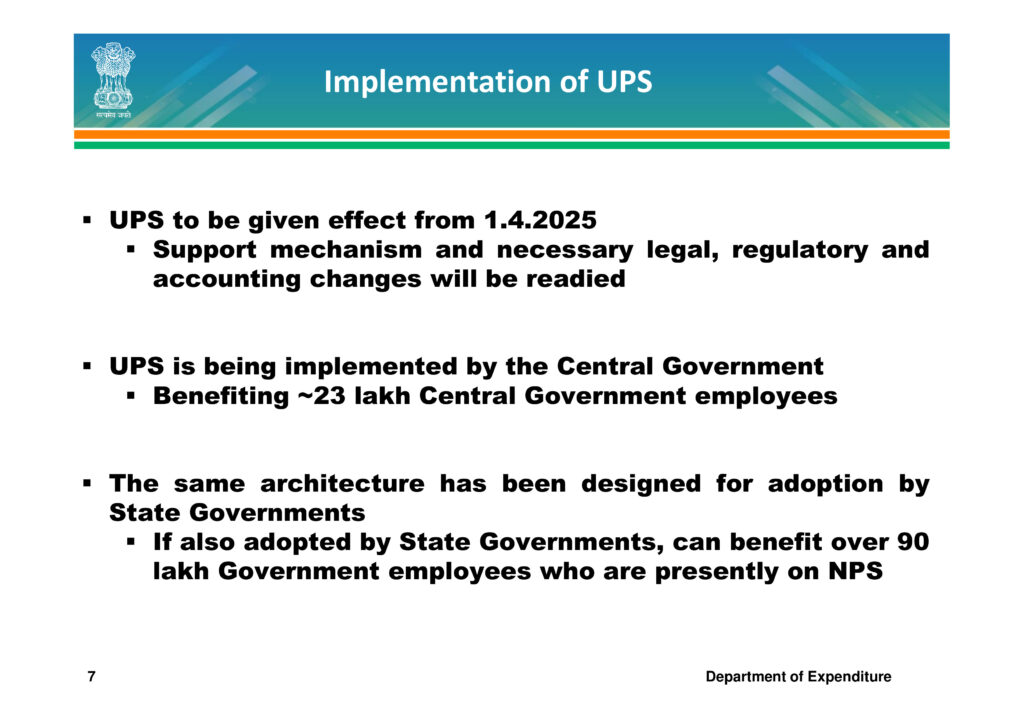
The same architecture has been designed for adoption by State governments. If also adopted by State governments, can benefit over 90 lakh government employees who are presently on New Pension Scheme.
Information and Broadcasting Minister Ashwani Vaishnaw on August 24 announced the UPS, ahead of the Assembly elections in Haryana and Jammu and Kashmir this year.





India News
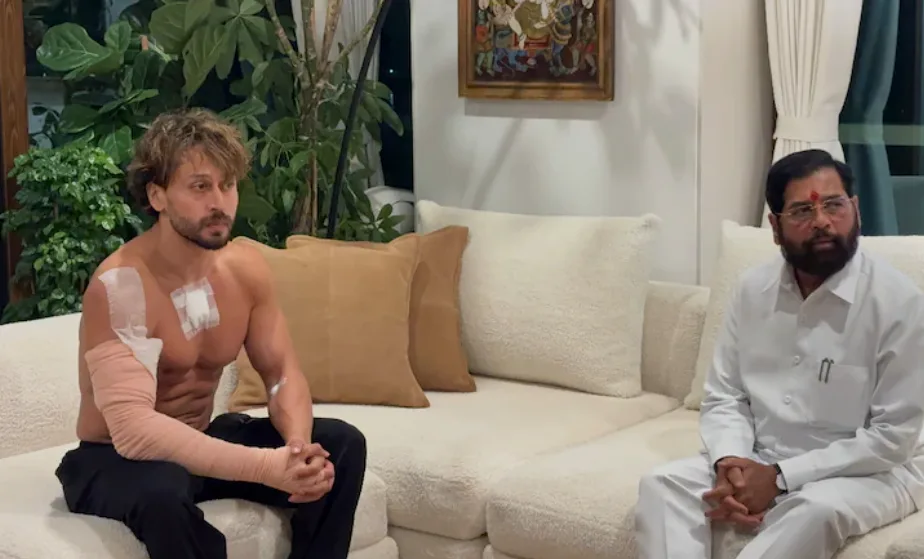
Mumbai Police book 3 unidentified shooters in Tiger Shroff firing case
Mumbai Police have registered a case against three unidentified individuals in connection with the firing at Tiger Shroff’s car in Mumbai’s Juhu area. The actor escaped without gunshot injuries, while two other people were injured.

India News
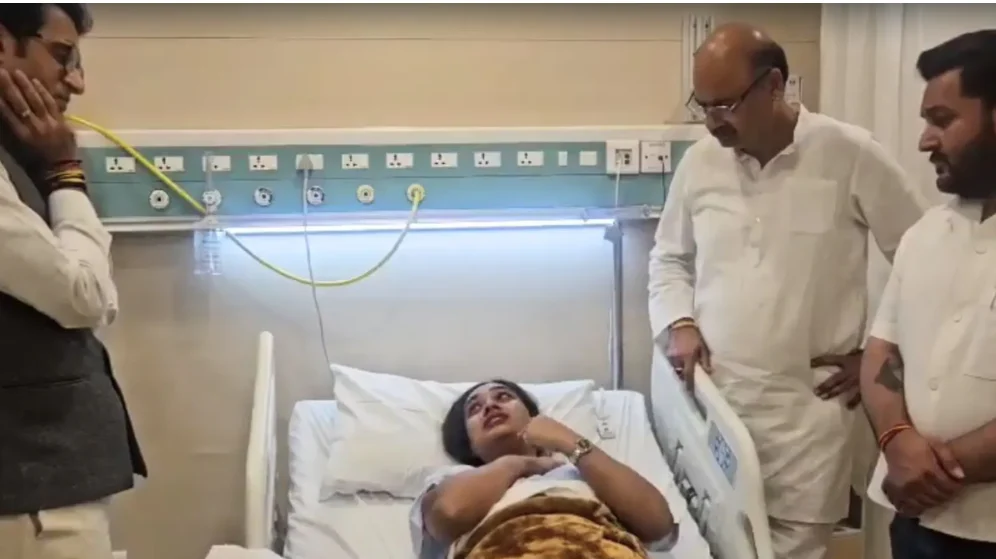
Devendra Fadnavis says no one will be spared after firing at Tiger Shroff
Maharashtra Chief Minister Devendra Fadnavis has assured strict action after gunmen opened fire at actor Tiger Shroff’s car in Mumbai’s Juhu area. Shroff suffered minor injuries, while two other people were injured.

India News
Journalist files police complaint against Rahul Gandhi over push allegation
Journalist Richa Parashar has filed a criminal complaint against Rahul Gandhi and others, alleging that she was pushed while covering the Opposition’s march to the Supreme Court. The Congress has denied the allegation.

Devendra Fadnavis says no one will be spared after firing at Tiger Shroff

Mumbai Police book 3 unidentified shooters in Tiger Shroff firing case
Mumbai Police book 3 unidentified shooters in Tiger Shroff firing case
Devendra Fadnavis says no one will be spared after firing at Tiger Shroff

Journalist files police complaint against Rahul Gandhi over push allegation

Delhi court orders release of CJP founder Abhijeet Dipke

Anirudh Ravichander to marry Kavya Maran in November, reception on November 21

Afghan Men Try To Hang With The Jet Engine Of The Aircraft in Kabul- Afghanistan News – Kabul News
Trending Top 10 News: 10000 Crore Fine on Flipkart, Apple to Launch Unique Feature, Hdfc Bank Job Ad

Trending Top 10 News: Nokia 6310, Apple sales, Bachpan ka Pyar Video Kid, Dainik Bhaskar IT Raid

Trending Top 10 News: Canada bans Indian flights, Rain in Delhi NCR, AIMIM Twitter hacked, Raj Kundra case