English हिन्दी
Connect with us

Top Stories

Google lays off hundreds in Android, Pixel, Chrome teams after buyout program

Alphabet’s Google trims workforce in its core product teams, including Android, Pixel and Chrome, following an internal reshuffle and voluntary exits.


Published

on

Google layoffs

Alphabet Inc.’s Google has laid off several hundred employees from its Platforms and Devices division, which oversees major products like Android, Pixel smartphones, and the Chrome browser, according to a report by The Information. The move comes as part of a broader restructuring effort aimed at streamlining operations and increasing efficiency.

The layoffs, confirmed by a Google spokesperson to the publication, come months after the tech giant offered voluntary buyouts to employees in the same unit earlier in January. “Since combining the Platforms and Devices teams last year, we’ve focused on becoming more nimble and operating more effectively and this included making some job reductions,” the spokesperson stated.

The company has not provided an official number, but sources with direct knowledge indicate the cuts impact hundreds of staff, affecting key segments that include Android development, the Pixel hardware team, and Chrome browser support.

Tech layoff trend continues

This latest round of job cuts follows Google’s decision in January 2023 to eliminate 12,000 positions — about 6% of its global workforce — amid slowing revenue growth and economic uncertainty. Additionally, in February this year, Bloomberg reported smaller-scale layoffs within Google’s cloud division, though those reportedly impacted only a few select teams.

Industry analysts view the latest move as part of Alphabet’s ongoing effort to realign its resources and refocus on high-priority areas amid competitive pressures and the rapid expansion of artificial intelligence initiatives.

Google has not yet issued a formal press release or responded to queries from other media outlets, including Reuters, at the time of reporting.

India News

In TV speech, PM Modi attacks Congress, TMC, DMK, SP for blocking women’s reservation

PM Modi blames opposition parties after women’s reservation bill fails, calls it a setback for women’s empowerment.

Published

on

In TV speech, PM Modi attacks Congress, TMC, DMK, SP for blocking women's reservation

Prime Minister expresses regret over bill’s defeat, blames opposition parties and says efforts to empower women were stalled

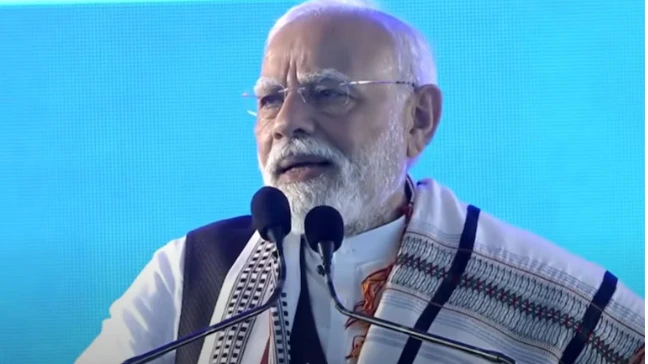
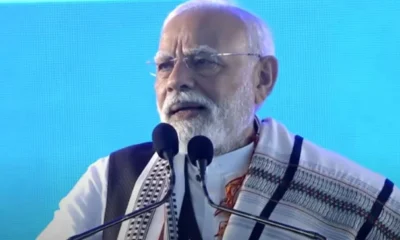
Prime Minister Narendra Modi on Saturday addressed the nation following the defeat of the women’s reservation bill in the Lok Sabha, launching a sharp attack on opposition parties including Congress, Trinamool Congress (TMC), DMK and Samajwadi Party (SP).

In his televised speech, the Prime Minister said that despite the government’s efforts, the bill could not secure the required support in Parliament. He held the opposition responsible for blocking what he described as a significant step towards women’s empowerment in politics.

PM Modi expressed disappointment over the outcome and said that the aspirations of millions of women had been affected by the failure of the legislation. He also conveyed regret that the government’s attempt to ensure greater representation for women in legislatures could not be realised.

The Prime Minister criticised opposition parties for what he indicated was a lack of commitment to women’s empowerment, alleging that political considerations had taken precedence over progress. He urged the public to recognise what he described as an “anti-women” stance taken by those opposing the bill.

The proposed legislation aimed to provide 33% reservation for women in the Lok Sabha and state assemblies, a long-pending reform intended to increase female representation in governance. Its failure marks a significant political setback and has intensified the confrontation between the ruling government and opposition parties.

Reaffirming his government’s commitment, Modi said efforts to strengthen the role of women in politics would continue, despite the setback.

Continue Reading

India News

Opposition made a mistake: PM Modi on women’s reservation bill setback

PM Modi hits out at opposition after women’s quota bill fails to pass in Parliament, says they “made a mistake” and will face consequences. #WomensReservation #Politics

Published

on

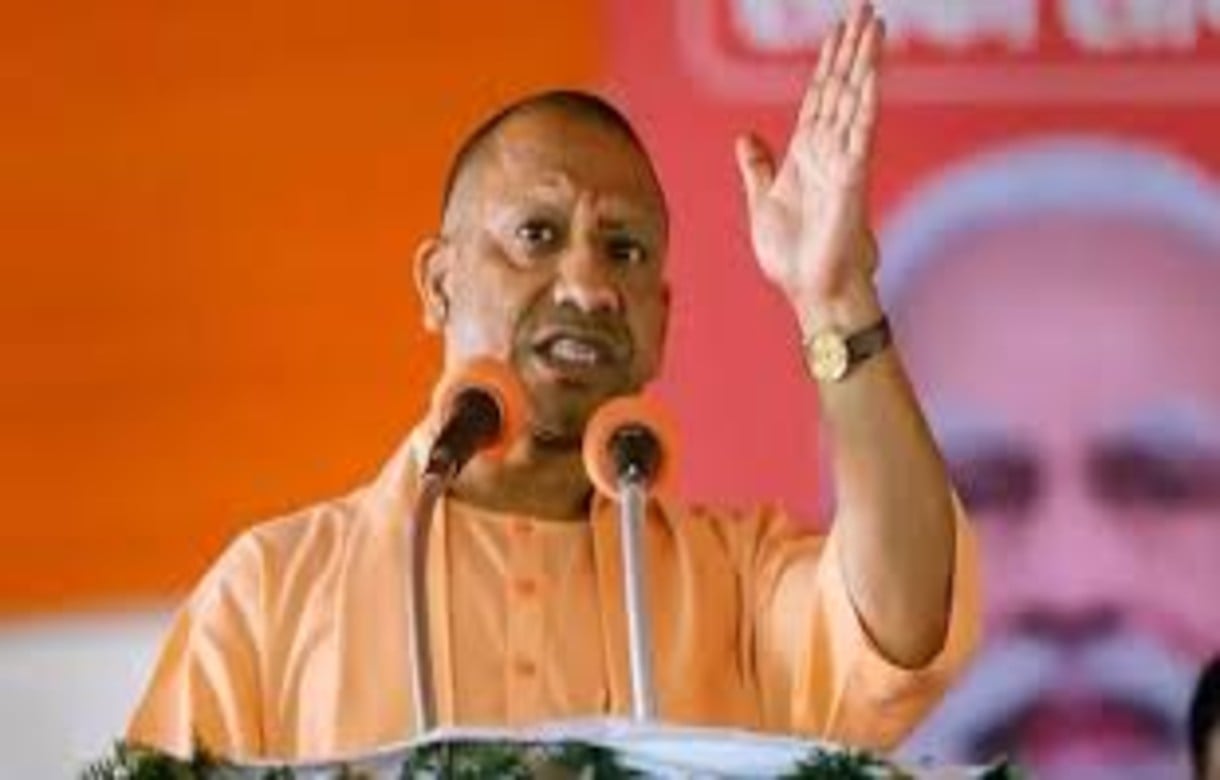
Prime Minister Narendra Modi has sharply criticised opposition parties after the women’s reservation bill failed to pass the parliamentary test, saying they “made a mistake” and would face consequences for their stand.

Reacting to the development, the Prime Minister said the opposition had acted against the interests of women and that their position would not be forgotten. He indicated that the issue would be taken to people across the country, suggesting it would be raised widely in public outreach.

The proposed legislation aimed to provide 33 per cent reservation for women in Parliament and state assemblies. However, it failed to secure the required majority needed for passage, leading to a political confrontation between the government and opposition.

The government has maintained that the bill represents a significant step toward women’s empowerment and accused opposition parties of blocking a key reform. According to the Prime Minister, the opposition’s stance has disappointed women and reflects a missed opportunity to advance their representation in legislatures.

On the other hand, opposition parties have continued to raise concerns over the structure and implementation of the bill. They have argued that certain aspects of the proposal require further consideration, which led them to oppose it during the vote.

The failure of the bill has intensified political tensions, with both sides presenting sharply different narratives. While the government has framed it as a setback caused by opposition resistance, opposition leaders have defended their position, saying their objections were based on substantive concerns.

The issue is now expected to remain a key political talking point, as the government signals its intention to highlight the opposition’s role in the bill’s failure across the country.

Continue Reading

Latest world news

Strait of Hormuz open but Iran’s Guards impose new transit conditions

Iran has reopened the Strait of Hormuz during a ceasefire, but new restrictions by the Revolutionary Guards limit how vessels can pass.

Published

on

Strait of Hormuz

The Strait of Hormuz has been declared open for commercial shipping during the ongoing ceasefire, but fresh conditions imposed by Iran’s Revolutionary Guards have raised questions over how unrestricted the passage actually is.

Iran’s Foreign Minister Abbas Araghchi announced that the crucial waterway would remain “completely open” for commercial vessels for the duration of the ceasefire. However, a separate statement from the Islamic Revolutionary Guard Corps (IRGC) clarified that ships must comply with specific operational requirements while transiting the strait.

According to the IRGC, all vessels must obtain prior permission before entering the strait. Additionally, civilian ships are required to follow designated routes set by Iranian authorities, while military vessels continue to be prohibited from passing through.

The Guards described these measures as part of a “new order” aligned with ceasefire terms, though these details were not explicitly mentioned in the foreign minister’s initial announcement.

The differing messages have also triggered reactions within Iran, with some state-backed outlets criticising the earlier statement for lacking clarity and potentially creating confusion around the reopening of the strait.

Meanwhile, global attention remains focused on the strategic waterway, which handles a significant share of the world’s oil shipments. The reopening announcement led to a sharp drop in crude prices, reflecting expectations of improved supply flows.

US President Donald Trump also confirmed that the strait is open for passage, though he indicated that the American naval blockade targeting Iran would continue until broader negotiations are completed.

Despite the reopening, analysts suggest that the situation remains fragile, with ongoing restrictions, geopolitical tensions, and security concerns continuing to affect maritime movement through one of the world’s most critical energy corridors.

Continue Reading

Trending

© Copyright 2022 APNLIVE.com