
India News
Experts not convinced about speedy trials of Russian vaccine
The World Health Organization said any WHO stamp of approval on a Covid-19 vaccine candidate would require a rigorous safety data review, after Russia announced on Tuesday it had approved a vaccine.


The World Health Organization said any WHO stamp of approval on a Covid-19 vaccine candidate would require a rigorous safety data review, after Russia announced on Tuesday it had approved a vaccine. President Vladimir Putin said Russia had become the first country to approve a vaccine offering “sustainable immunity” against the new coronavirus.
The speed at which Russia is moving to roll out the Covid-19 vaccine has prompted international scientists to question whether Moscow is putting national prestige before solid science and safety.
Russia has not yet published any scientific data from its first clinical trials. The WHO’s list of vaccine candidates in human testing still lists the Gamaleya product as in Phase 1 trials.
A phase III or what we call final-stage study, usually involves tens of thousands of people, which is the only way to prove if an experimental vaccine is safe and really works.

However, the vaccine’s approval by the Russian health ministry comes before the start of a larger trial 3 involving thousands of participants. Such trials, which require a certain rate of participants catching the virus to observe the vaccine’s effect, are normally considered essential precursors for a vaccine to receive regulatory approval. The Moscow-based Association of Clinical Trials Organizations (ACTO), a trade body representing the world’s top drugmakers in Russia this week had urged the health ministry to postpone approval until that final trial had been successfully completed.
The World Health Organization has said that any WHO stamp of approval on a Covid-19 vaccine candidate would require a rigorous safety data review, after Russia announced it had approved a vaccine.
A United Nations health agency’s spokesman said, we are in close contact with the Russian health authorities and discussions are on with respect to possible WHO pre-qualification of the vaccine. The WHO had last week warned that Russia should not stray from the usual methods of testing a vaccine for safety and effectiveness.
Some experts are skeptical that the trials, which must study potential side effects on different types of people, can be completed that quickly. Dr Anthony Fauci, the top US infectious disease specialist, questioned the fast-track approach last week. “I do hope that the Chinese and the Russians are actually testing a vaccine before they are administering the vaccine to anyone, because claims of having a vaccine ready to distribute before you do testing I think is problematic at best,” he said.
The governments of the United States, Canada and Britain have all accused Russian state hackers of attempting to steal vaccine research, casting a shadow over Russia’s claim.
Read Also: Russia claims to have developed first covid vaccine,But Stage 3 of human trial still not over.
Russian officials have denied the accusation and said their leading vaccine is based on a design developed by Russian scientists to counter Ebola years ago.






India News
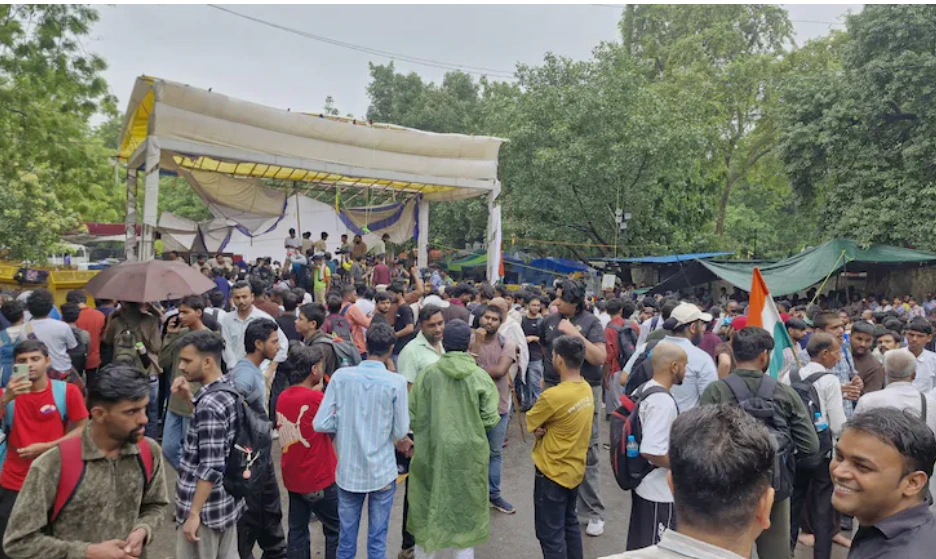
Delhi Police offers 11-person limit for CJP’s Connaught Place protest
Delhi Police has offered to facilitate a group of 11 people at Central Park in Connaught Place for the Cockroach Janata Party’s October 16 protest, while warning that violations of prohibitory orders could invite legal action.

India News
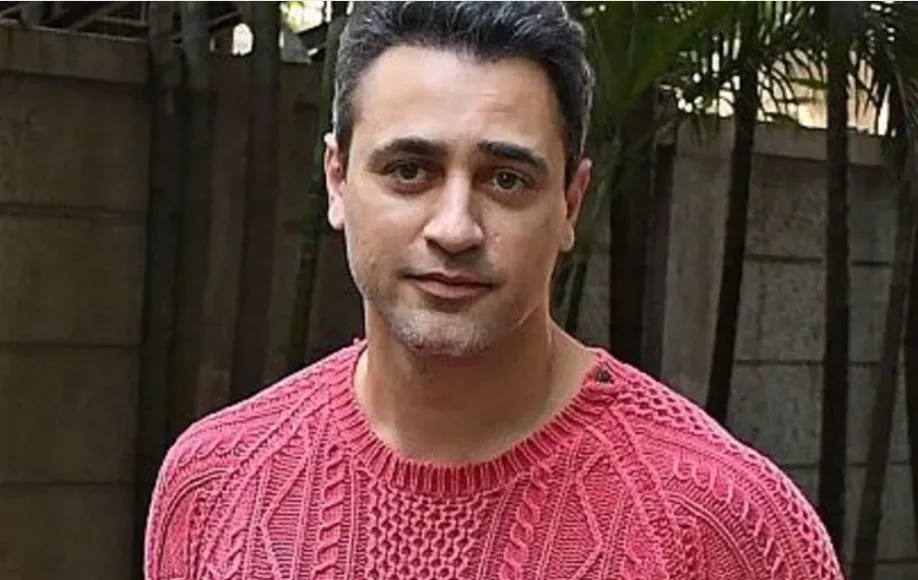
Actor Imran Khan asked to leave India after CJP protest
Actor Imran Khan has been asked to leave India by October 28, days after participating in a protest called by the Cockroach Janta Party (CJP) in Mumbai.
India News
Election Commission orders voter roll revision in 17 states, UTs
The Election Commission has ordered a Special Summary Revision of electoral rolls in 17 states and Union Territories. Draft rolls are scheduled for November 12, with final rolls due on January 4, 2027.

Dhruv Rathee gets fresh summons in 2018 BJP IT cell video case

Nobody can browbeat judiciary, Chief Justice warns over Rahul Gandhi’s march

India-US trade deal first phase finalised, drafting underway

Election Commission orders voter roll revision in 17 states, UTs

Actor Imran Khan asked to leave India after CJP protest

Delhi Police offers 11-person limit for CJP’s Connaught Place protest
Actor Imran Khan asked to leave India after CJP protest
Election Commission orders voter roll revision in 17 states, UTs
India-US trade deal first phase finalised, drafting underway
Nobody can browbeat judiciary, Chief Justice warns over Rahul Gandhi’s march

Afghan Men Try To Hang With The Jet Engine Of The Aircraft in Kabul- Afghanistan News – Kabul News
Trending Top 10 News: 10000 Crore Fine on Flipkart, Apple to Launch Unique Feature, Hdfc Bank Job Ad

Trending Top 10 News: Nokia 6310, Apple sales, Bachpan ka Pyar Video Kid, Dainik Bhaskar IT Raid

Trending Top 10 News: Canada bans Indian flights, Rain in Delhi NCR, AIMIM Twitter hacked, Raj Kundra case

Trending Top 10 News: Shein India, Apple New Service, Pocket Oxygen, Oppo Launched New Phone
-
 India News12 hours ago
Dhruv Rathee gets fresh summons in 2018 BJP IT cell video case
-
 India News9 hours ago
Nobody can browbeat judiciary, Chief Justice warns over Rahul Gandhi’s march
-
 India News4 hours ago
India-US trade deal first phase finalised, drafting underway
-
 India News2 hours ago
Election Commission orders voter roll revision in 17 states, UTs
-
 India News1 hour ago
Actor Imran Khan asked to leave India after CJP protest
-
 India News23 mins ago
Delhi Police offers 11-person limit for CJP’s Connaught Place protest
