
India News
GST dues: Mamata Banerjee joins 5 CMs in asking Modi govt to pay up


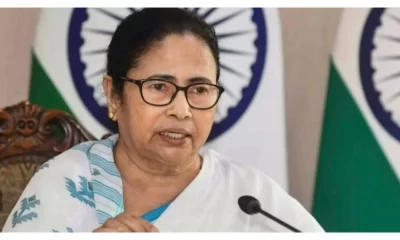
The chorus of protest against the Narendra Modi government’s inability to refund states their share of the Goods and Services Tax (GST) touched a new high on Wednesday with West Bengal Chief Minister Mamata Banerjee writing to Prime Minister Modi. In her letter, the Bengal CM said she was deeply anguished by the GST imbroglio which amounts to a betrayal of trust and moral responsibility of the Centre to the states.
She said the option put forward by the government, viz. borrowing from the markets, would effectively hurt the finances of the states. Banerjee said the inability to pay the states their share of GST violates the very premise of federalism.
Apart from Banerjee, five other chief ministers of states ruled by non-BJP parties have reminded the Centre of its constitutional responsibilities in the wake of the Rs 2.35 lakh crore owed to states. Kerala Chief Minister Pinarayi Vijayan, Tamil Nadu CM Edappadi K. Palaniswami, Delhi CM Arvind Kejriwal, Telangana CM K. Chandrasekhar Rao and Chhattisgarh CM Bhupesh Baghel had raised similar concerns. They had said it was Centre’s duty laid by law to reimburse states for loss of revenue in the first five years of the GST regime.

If states were to borrow, the CMs said the repayment schedules would then place an increased burden on their finances. The Centre, they said, could take up this burden and pay back the loan by carrying forward GST cess collection past 2022.
In her letter, Banerjee reminded PM Modi of the time when deceased BJP leader Arun Jaitley had rejected GST implementation claiming the UPA 2 government would not be able to honour the compensation of GST losses to states. She added that the Central government was fast losing the states’ trust.
Delhi Chief Minister Kejriwal had requested the PM to adopt legally viable options to provide GST compensation to the states. He said states are already reeling under financial crisis due to shortfall in revenue collections and increased commitment of expenditure emerging from Covid-19 response.
Kejriwal said the assurance of GST compensation was one of the pillars on which the entire GST structure rested.
Tamil Nadu CM Palaniswami said the Centre has a moral and legal obligation to compensate for the shortfall in GST collections. So far, no compensation has been released for the shortfalls in revenue collection since April 1, he said.







India News
Delhi Police offers 11-person limit for CJP’s Connaught Place protest
Delhi Police has offered to facilitate a group of 11 people at Central Park in Connaught Place for the Cockroach Janata Party’s October 16 protest, while warning that violations of prohibitory orders could invite legal action.


India News
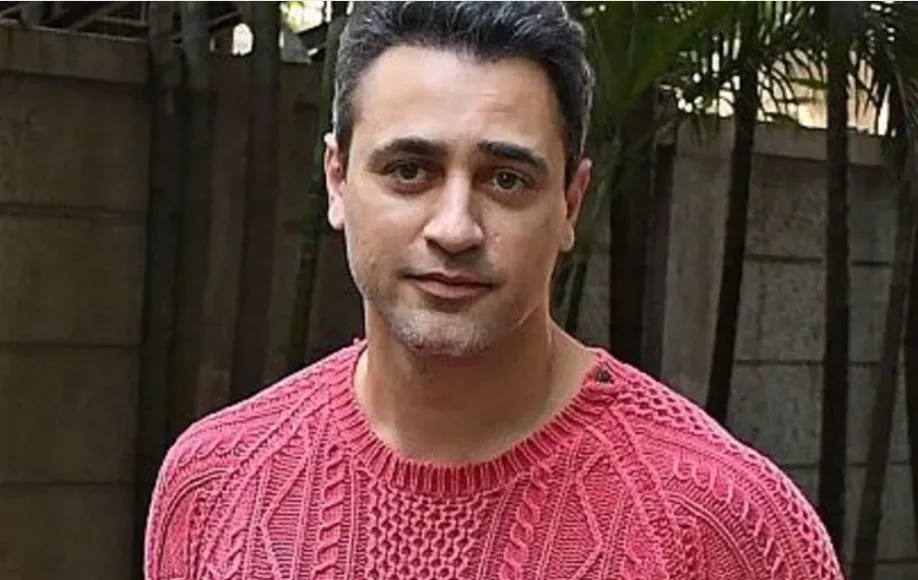
Actor Imran Khan asked to leave India after CJP protest
Actor Imran Khan has been asked to leave India by October 28, days after participating in a protest called by the Cockroach Janta Party (CJP) in Mumbai.
India News
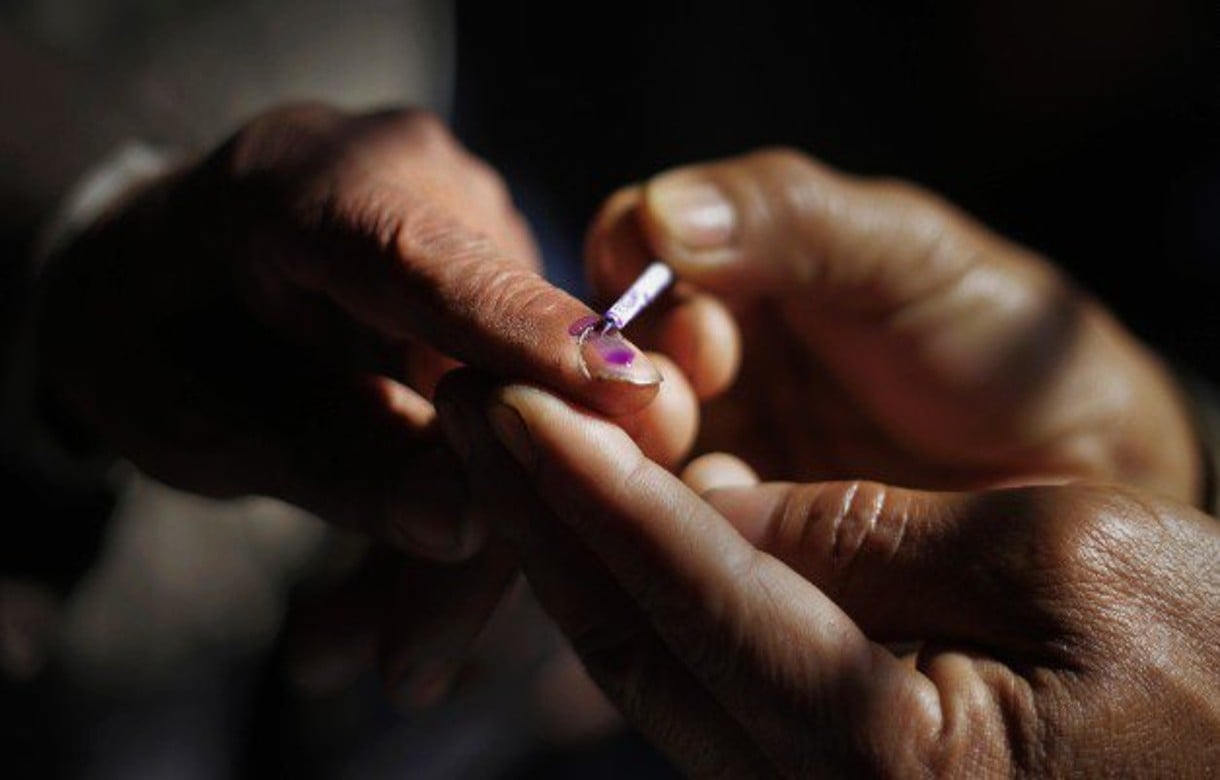
Election Commission orders voter roll revision in 17 states, UTs
The Election Commission has ordered a Special Summary Revision of electoral rolls in 17 states and Union Territories. Draft rolls are scheduled for November 12, with final rolls due on January 4, 2027.

Dhruv Rathee gets fresh summons in 2018 BJP IT cell video case

Nobody can browbeat judiciary, Chief Justice warns over Rahul Gandhi’s march

India-US trade deal first phase finalised, drafting underway

Election Commission orders voter roll revision in 17 states, UTs

Actor Imran Khan asked to leave India after CJP protest

Delhi Police offers 11-person limit for CJP’s Connaught Place protest
Actor Imran Khan asked to leave India after CJP protest
Election Commission orders voter roll revision in 17 states, UTs
India-US trade deal first phase finalised, drafting underway
Nobody can browbeat judiciary, Chief Justice warns over Rahul Gandhi’s march

Afghan Men Try To Hang With The Jet Engine Of The Aircraft in Kabul- Afghanistan News – Kabul News
Trending Top 10 News: 10000 Crore Fine on Flipkart, Apple to Launch Unique Feature, Hdfc Bank Job Ad

Trending Top 10 News: Nokia 6310, Apple sales, Bachpan ka Pyar Video Kid, Dainik Bhaskar IT Raid

Trending Top 10 News: Canada bans Indian flights, Rain in Delhi NCR, AIMIM Twitter hacked, Raj Kundra case

Trending Top 10 News: Shein India, Apple New Service, Pocket Oxygen, Oppo Launched New Phone
-
 India News13 hours ago
Dhruv Rathee gets fresh summons in 2018 BJP IT cell video case
-
 India News9 hours ago
Nobody can browbeat judiciary, Chief Justice warns over Rahul Gandhi’s march
-
 India News5 hours ago
India-US trade deal first phase finalised, drafting underway
-
 India News2 hours ago
Election Commission orders voter roll revision in 17 states, UTs
-
 India News2 hours ago
Actor Imran Khan asked to leave India after CJP protest
-
 India News1 hour ago
Delhi Police offers 11-person limit for CJP’s Connaught Place protest
