
India News
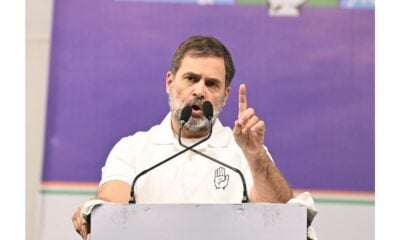
Rahul Gandhi says Modi govt failed on Covid-19, farm laws
Senior Congress leaders Rahul Gandhi and the party general secretary in-charge of Uttar Pradesh Priyanka Gandhi Vadra will visit Hathras in Uttar Pradesh on Thursday to meet the family of 19-year-old Dalit girl who was brutally gang raped by a group of men belonging to upper caste.


Senior Congress leaders Rahul Gandhi and the party general secretary in-charge of Uttar Pradesh Priyanka Gandhi Vadra will visit Hathras in Uttar Pradesh on Thursday to meet the family of 19-year-old Dalit girl who was brutally gang raped by a group of men belonging to upper caste.
The incident led to a nationwide outrage after the dead-of-night cremation of the girl by the UP police.
Congress leader Priyanka Gandhi attacked the Uttar Pradesh government and said that Chief Minister Yogi Adityanath had no moral right to continue in office . She also said that she had been on the phone with the victim’s father where she learnt every aspect of the victim’s death by her father.

The woman’s family alleged that the police had been slow to respond to their complaint and the administration had been negligent because they belong to the Dalit or underprivileged castes.
In her series of tweets, Vadra said that she was on the phone with the Hathras victim’s father when he was informed that his daughter had passed away, Vadra further said that she heard victim’s father crying loud over the phone while while having the conversation with him.
Vadra also said that victim’s father was continuously telling her that all he want is justice for his daughter as he even lost the chance to perfrom the last ritual for her daughter’s body.
The woman’s family alleged that the police had been slow to respond to their complaint and the administration had been negligent because they belong to the Dalit or underprivileged castes.
Before leaving for Hathras, Rahul Gandhi attacked the Bharatiya Janata Party (BJP) government over jungle raj in Uttar Pradesh. He tweeted in Hindi that the atrocities on daughters continue in UP’s jungle raj, they were not given respect when alive and now the dignity has been taken away even in death. Gnadhi further added that the BJP’s slogan of Beti Bachao is not to save girls but to hide facts and save power.
Read Also: Palaniswami to be AIADMK CM candidate for 2021 Tamil Nadu polls
While attacking the opposition party, Congress MP Rahul Gandhi also said that this is a shameful move of the UP government to suppress the Dalits and show them their place in the society, he and his party is totally against this hateful thinking.
The incident has triggered public anger and the Yogi Adityanath led UP government has come under attack from the opposition over recent crimes against women.









India News
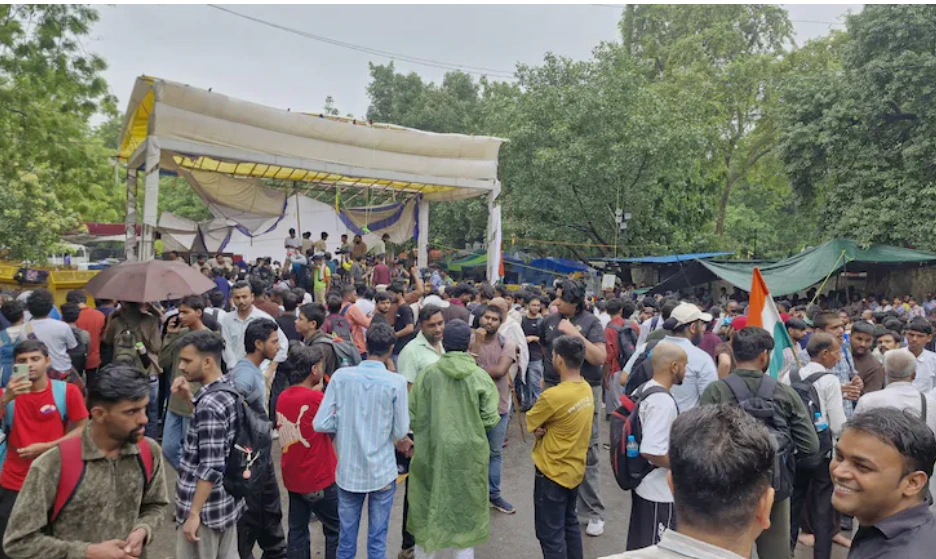
Delhi Police offers 11-person limit for CJP’s Connaught Place protest
Delhi Police has offered to facilitate a group of 11 people at Central Park in Connaught Place for the Cockroach Janata Party’s October 16 protest, while warning that violations of prohibitory orders could invite legal action.

India News
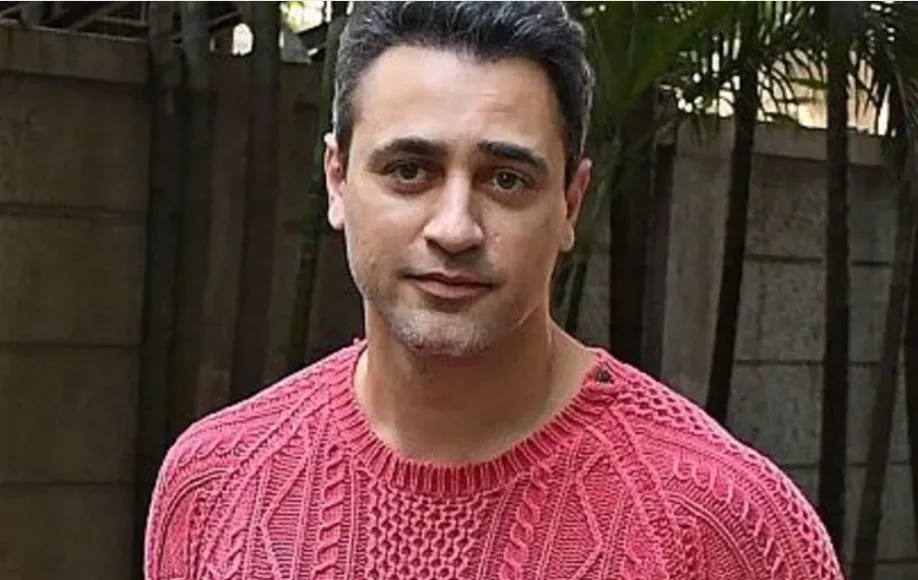
Actor Imran Khan asked to leave India after CJP protest
Actor Imran Khan has been asked to leave India by October 28, days after participating in a protest called by the Cockroach Janta Party (CJP) in Mumbai.
India News
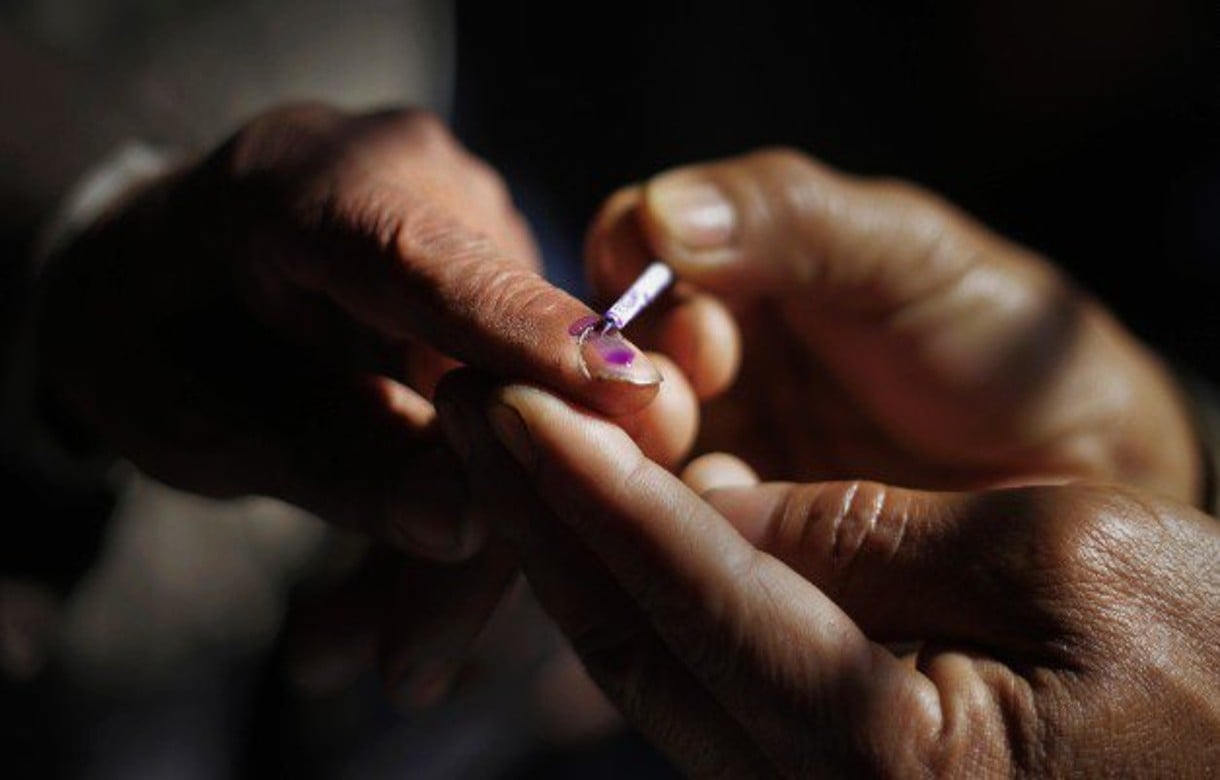
Election Commission orders voter roll revision in 17 states, UTs
The Election Commission has ordered a Special Summary Revision of electoral rolls in 17 states and Union Territories. Draft rolls are scheduled for November 12, with final rolls due on January 4, 2027.

Dhruv Rathee gets fresh summons in 2018 BJP IT cell video case

Nobody can browbeat judiciary, Chief Justice warns over Rahul Gandhi’s march

India-US trade deal first phase finalised, drafting underway

Election Commission orders voter roll revision in 17 states, UTs

Actor Imran Khan asked to leave India after CJP protest

Delhi Police offers 11-person limit for CJP’s Connaught Place protest
Actor Imran Khan asked to leave India after CJP protest
Election Commission orders voter roll revision in 17 states, UTs
India-US trade deal first phase finalised, drafting underway
Nobody can browbeat judiciary, Chief Justice warns over Rahul Gandhi’s march

Afghan Men Try To Hang With The Jet Engine Of The Aircraft in Kabul- Afghanistan News – Kabul News
Trending Top 10 News: 10000 Crore Fine on Flipkart, Apple to Launch Unique Feature, Hdfc Bank Job Ad

Trending Top 10 News: Nokia 6310, Apple sales, Bachpan ka Pyar Video Kid, Dainik Bhaskar IT Raid

Trending Top 10 News: Canada bans Indian flights, Rain in Delhi NCR, AIMIM Twitter hacked, Raj Kundra case

Trending Top 10 News: Shein India, Apple New Service, Pocket Oxygen, Oppo Launched New Phone
-
 India News14 hours ago
Dhruv Rathee gets fresh summons in 2018 BJP IT cell video case
-
 India News10 hours ago
Nobody can browbeat judiciary, Chief Justice warns over Rahul Gandhi’s march
-
 India News6 hours ago
India-US trade deal first phase finalised, drafting underway
-
 India News4 hours ago
Election Commission orders voter roll revision in 17 states, UTs
-
 India News3 hours ago
Actor Imran Khan asked to leave India after CJP protest
-
 India News2 hours ago
Delhi Police offers 11-person limit for CJP’s Connaught Place protest
