
India News
Another Goa minister stokes controversy with threats to tourists


Goa Tourism Minister Manohar Ajgaonkar strongly stated that those who don’t respect the spirit of “Goanness” will no longer be welcome in the state
In yet another controversial remark against tourists by a Goa minister, the state’s Tourism Minister Manohar Ajgaonkar threatened to chase away tourists who don’t respect the Goan culture.
Speaking at the inauguration of the Goa Food and Cultural Festival in Panaji on Saturday, Ajgaonkar strongly stated that those who don’t respect the spirit of “Goanness” will no longer be welcome in the coastal state.
“The tourists who come here should take care of Goa’s culture and Goanness, otherwise I will chase them away. I will not listen to anyone. I am saying this clearly,” he said.
Emphasising the need to preserve Goa’s culture, Ajagaonkar – a legislator from the Maharashtrawadi Gomantak Party (MGP), an ally of the BJP in the state – said, “We don’t want tourists who sell drugs, we do not want hotels which sell drugs.”
The Tourism Minister’s controversial remarks came after another Goa minister on Friday termed domestic tourists arriving in the state as “scum of the earth”.
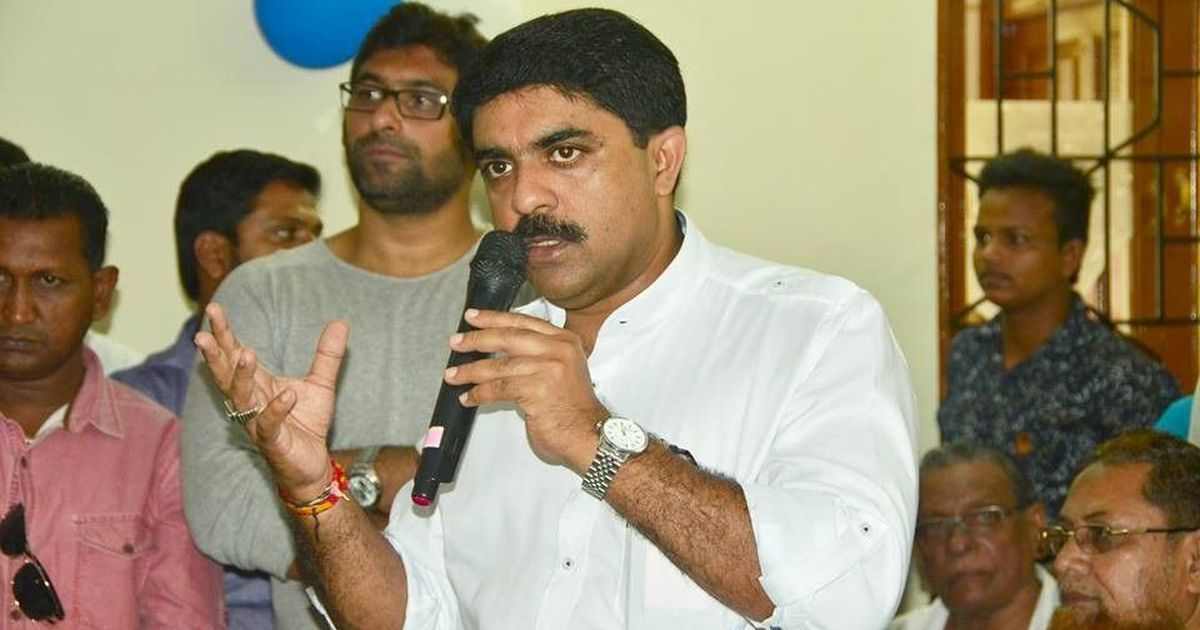
Earlier on Friday, Goa Town and Country Planning Minister Vijai Sardesai claimed that tourists, especially from North India, wanted to “create Haryana in Goa”. He was quoted saying, “We are dependent on north Indians and this is what they do. They are not bothered about Goa. They will like to recreate a Haryana in Goa.”
However, in an apologetic tone, a day after his remarks, Sardesai said that a video of a tourist urinating from a bus prompted his ‘scum’ comment. Claiming that he was quoted out of context, the Goa minister said that he referred to only a “certain section of them, not all”.
Stating that the people of Goa are “disgusted with a few tourists, who come and use Goa as a dumping ground”, he said, “There are several instances, one of which is a video which has gone viral of a tourist urinating from the bus on one of Goa’s most popular and well done roads from Miramar to Dona Paula.”
Further posting a video on Twitter, Sardesai added, “I haven’t generalised or have been xenophobic. I am speaking for the people of Goa. A small section of 6.5 million tourists who came to Goa have created the biggest nuisance. These people have no civic sense.”
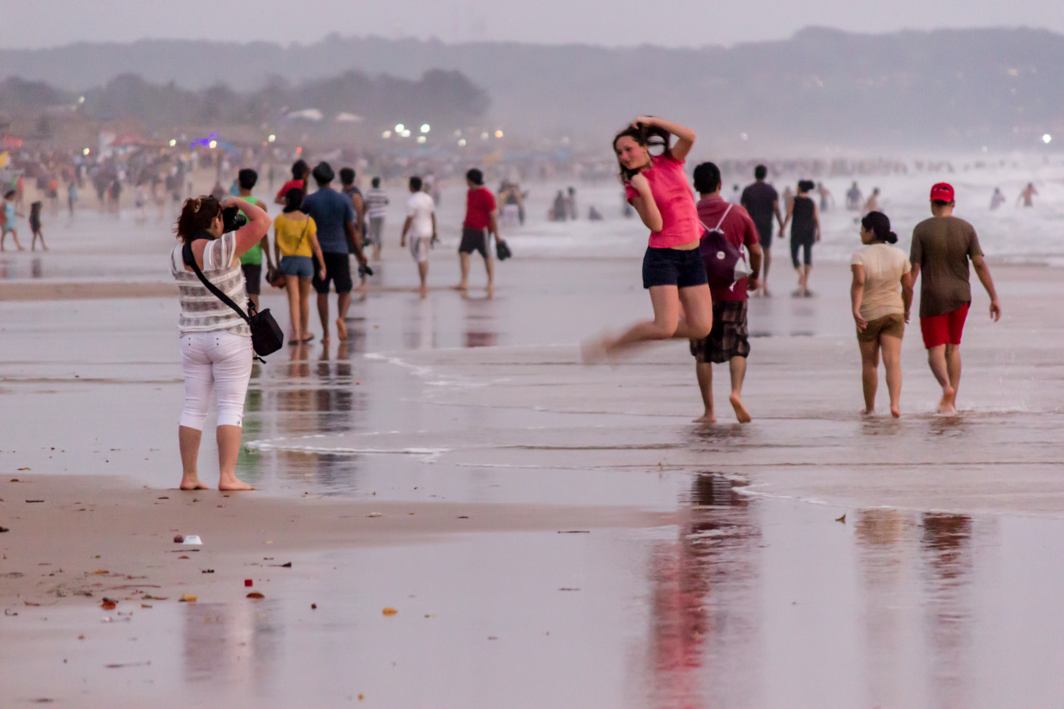
According to Goa’s tourism department’s data, there had been a sharp 19.50 per cent rise in the number of domestic tourists in 2016 – with the approximate number of total tourists being 63 lakh, of which the number of domestic tourists was 56 lakh.









India News
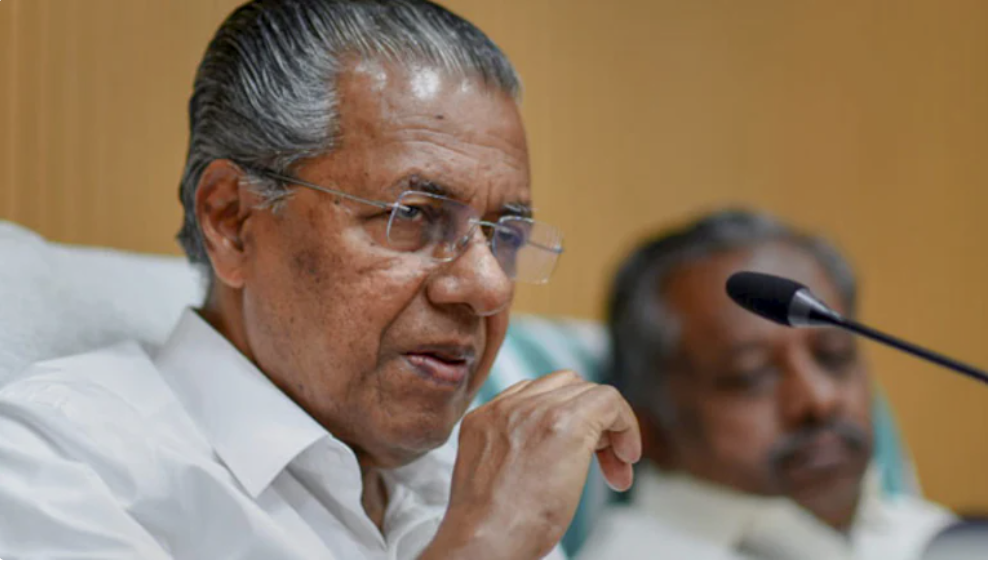
ED summons Pinarayi Vijayan in money laundering case
The Enforcement Directorate has summoned former Kerala chief minister Pinarayi Vijayan for questioning in a money-laundering investigation linked to alleged payments by Cochin Minerals and Rutile Ltd to his daughter’s company, Exalogic Solutions.

India News
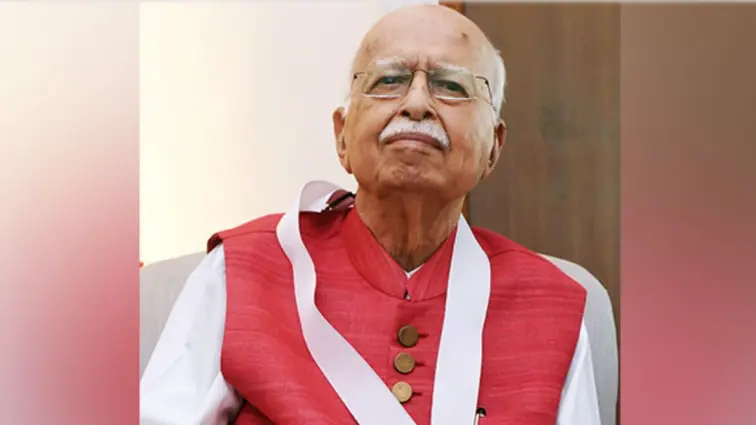
LK Advani, 98, hospitalised in Delhi with chest infection
Veteran BJP leader LK Advani, 98, has been admitted to Delhi’s Indraprastha Apollo Hospital with a chest infection. Hospital officials said his condition was stable.
India News
Centre sends 3 letters to Punjab government after anti-drug activist’s killing
The Centre has sought reports from the Punjab government on three incidents linked to allegations surrounding drug-related activities, including the killing of anti-drug activist Parvinder Singh Jhota.

Abhijeet Dipke detained ahead of CJP’s national flag march in Delhi

Mallikarjun Kharge seeks all-party meeting with PM Modi on delimitation

Centre sends 3 letters to Punjab government after anti-drug activist’s killing
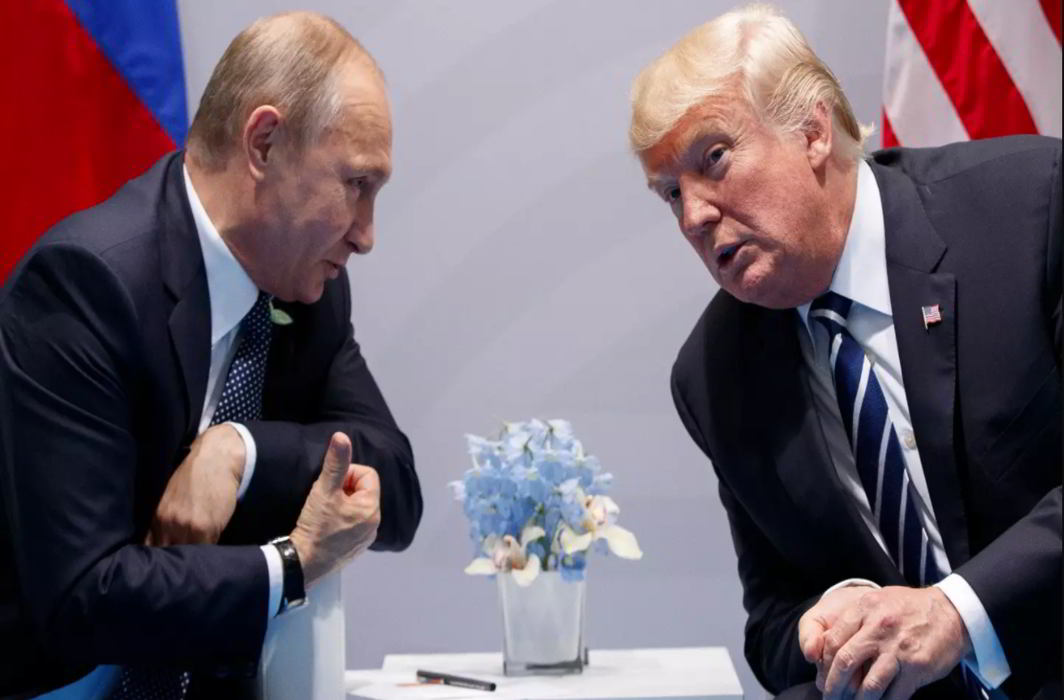
Trump waives Russia-related sanctions, tariffs in relief for India

LK Advani, 98, hospitalised in Delhi with chest infection

ED summons Pinarayi Vijayan in money laundering case
LK Advani, 98, hospitalised in Delhi with chest infection
Trump waives Russia-related sanctions, tariffs in relief for India
Centre sends 3 letters to Punjab government after anti-drug activist’s killing
Mallikarjun Kharge seeks all-party meeting with PM Modi on delimitation

Afghan Men Try To Hang With The Jet Engine Of The Aircraft in Kabul- Afghanistan News – Kabul News
Trending Top 10 News: 10000 Crore Fine on Flipkart, Apple to Launch Unique Feature, Hdfc Bank Job Ad

Trending Top 10 News: Nokia 6310, Apple sales, Bachpan ka Pyar Video Kid, Dainik Bhaskar IT Raid

Trending Top 10 News: Canada bans Indian flights, Rain in Delhi NCR, AIMIM Twitter hacked, Raj Kundra case

Trending Top 10 News: Shein India, Apple New Service, Pocket Oxygen, Oppo Launched New Phone
-
 India News19 hours ago
Abhijeet Dipke detained ahead of CJP’s national flag march in Delhi
-
 India News18 hours ago
Mallikarjun Kharge seeks all-party meeting with PM Modi on delimitation
-
 India News17 hours ago
Centre sends 3 letters to Punjab government after anti-drug activist’s killing
-
Latest world news5 hours ago
Trump waives Russia-related sanctions, tariffs in relief for India
-
 India News5 hours ago
LK Advani, 98, hospitalised in Delhi with chest infection
-
 India News4 hours ago
ED summons Pinarayi Vijayan in money laundering case
