
India News
Apple’s big launches of 2022: From iPhone SE 3 to iPad Air 2022, check out all new product with specs
Apple’s event dubbed as Peek Performance was its first big launch event of the year 2022. Here are all the new launches and their specs:


Apple’s event dubbed as Peek Performance was its first big launch event of the year 2022. The event began at 11:30 IST on Tuesday, and was live streamed on the official YouTube channel of Apple, as well as Apple’s Event website and Apple TV app.
Following are the latest launches from Apple:
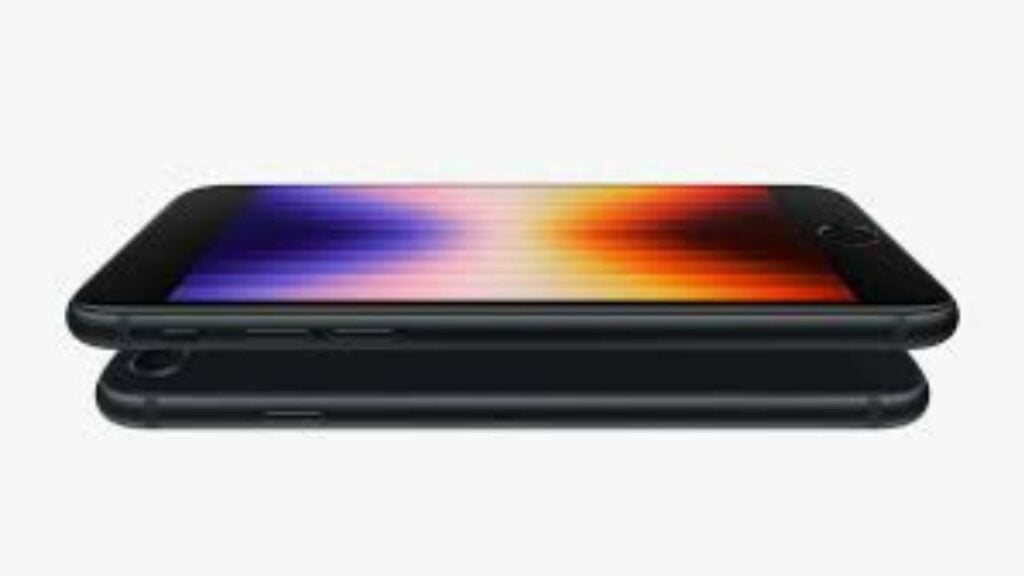
iPhone SE 3
The new iPhone SE 3 was unveiled at the event, with a starting price of Rs 43,900 for 64 GB of storage. The phone is also available in 128 GB and 256 GB storage. The 128GB model costs Rs 48,900, while the 256GB model costs Rs 58,900. The new iPhone comes with a 4.7 inches Retina display, gingerprint (front-mounted), accelerometer, proximity, gyro, compass, barometer, Siri natural language commands and dictation, 12 mega pixels rear camera with ƒ/1.8 aperture and 7 mega pixels front camera. iPhone SE 3 is powered by an A15 Bionic chip with a 6-core CPU with 2 performance and 4 efficiency cores, and 4-core GPU. It can play video for up to 15 hours, stream video for up to 10 hours, and play audio for up to 50 hours. With a 20W adaptor or above, the battery may be charged to 50% in 30 minutes. It is powered by a rechargeable lithium-ion battery that is incorporated inside the device. The sale will begin on March 18.
iPad Air 2022
The new iPad supports 5G and is said to be twice as fast as its predecessor. It has a 12-megapixel camera with a center-stage feature. iPad Air runs iPadOS and supports the Apple Pencil 2nd generation. It is reported to be made entirely of recycled materials. Pink, purple, blue, starlight, and space grey are some of the colours available. The pre-order period will begin on March 11th, with the sale beginning in April.
Read Also: Garena Free Fire ban expected to relaunch, check details here
iPhone SE with A15 bionic chipset
The new iPhone SE includes a bionic chipset, a 4.7-inch display, three colour options, and 5G compatibility, making it one of the most affordable iPhones with 5G; the pricing starts at $429. On March 18, pre-orders will open.
M1 Ultra chip
M1 Ultra contains a 64-core GPU and a 20-core CPU, making it 8 times quicker than M1. It is said to be the M1 series’ next breakthrough. It has a memory bandwidth of 800 GB/s and 114 billion transistors, which is more than 7 times that of the M1. Apple claims that the M1 Ultra outperforms high-end discrete GPUs while consuming up to 200W less power. The M1 Ultra is created by physically linking two M1 Max chips together using a previously secret feature on the M1 Max: a silicon interposer capable of 2.5TB/s interprocessor bandwidth, according to Apple.

Mac Studio and Studio Display
M1 Max and the new M1 Ultra, the world’s most powerful chip for a personal computer, power Mac Studio. It’s the first computer to offer an unrivalled degree of performance, a wide range of connectivity, and entirely new features in an astonishingly compact size that fits on a desk within arm’s reach. Users can generate large 3D environments and play back 18 streams of ProRes video with Mac Studio, which they couldn’t accomplish with any other desktop. 1 Studio Display is the ideal complement to Mac Studio, but it also looks great with any Mac. It has a 27-inch 5K Retina display, a 12-megapixel Ultra Wide camera with Center Stage, and a high-resolution six-speaker sound system with spatial audio.

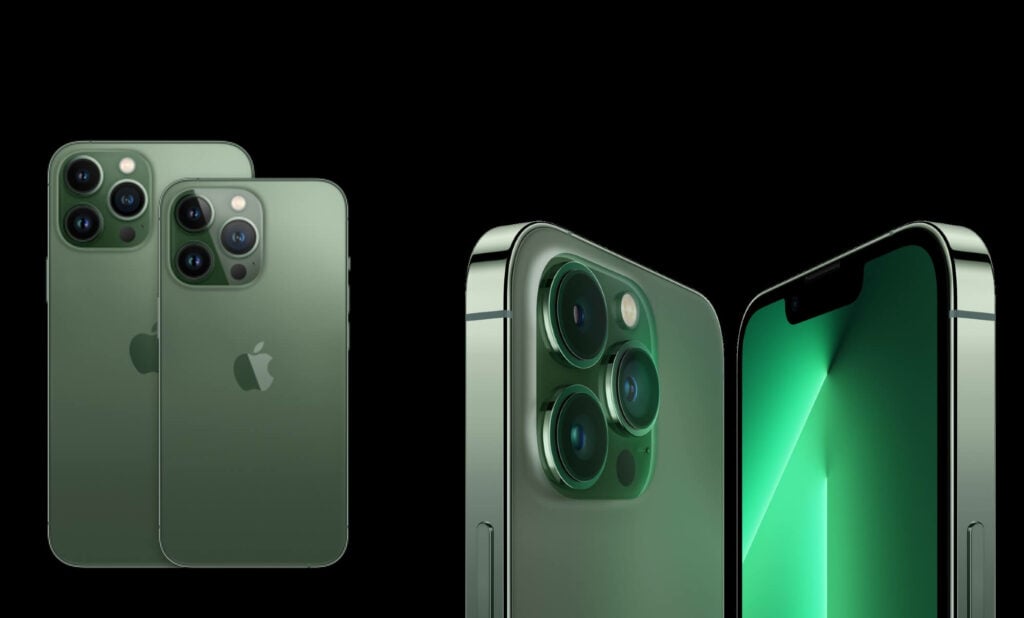
iPhone 13 in new colours
Apple has also announced two new colours for iPhone 13 Po and iPhone 13. The colours are alpine green and green.
Oppo Reno 7Z 5G with snapdragon 695 SoC, 4,500mAh battery announced, here’s all you need to know
India News
Centre sends 3 letters to Punjab government after anti-drug activist’s killing
The Centre has sought reports from the Punjab government on three incidents linked to allegations surrounding drug-related activities, including the killing of anti-drug activist Parvinder Singh Jhota.

India News
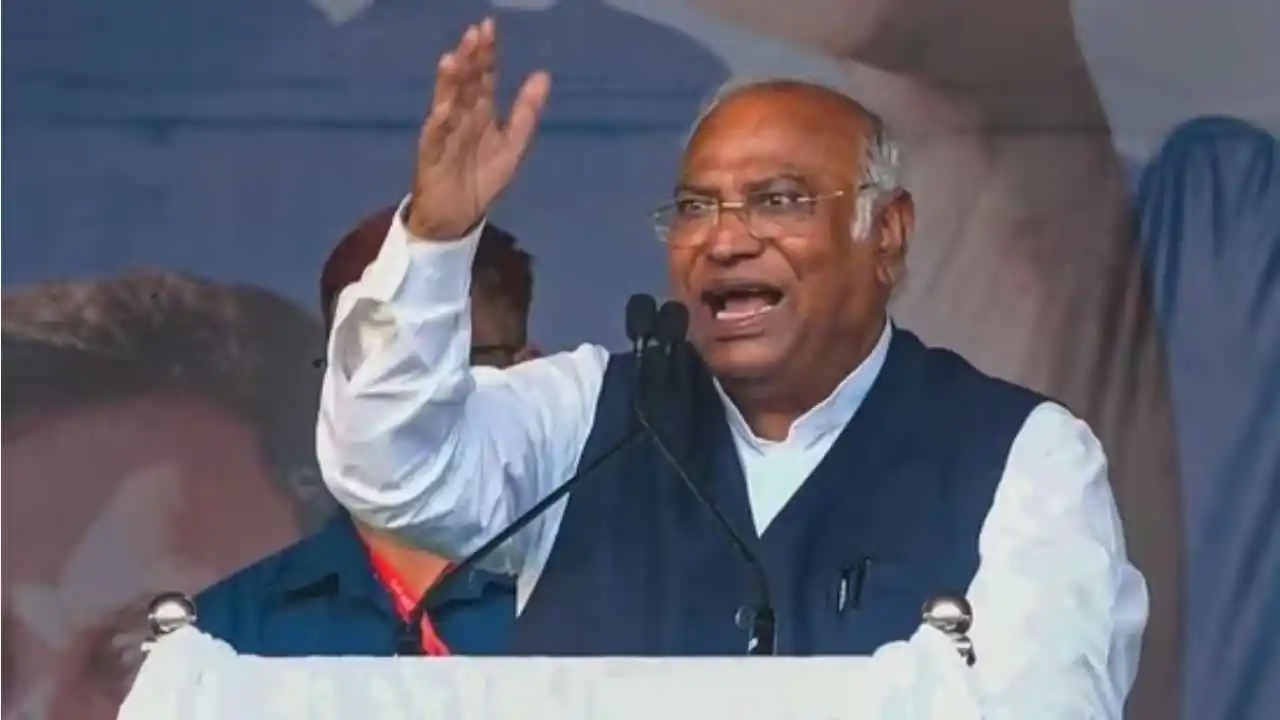
Mallikarjun Kharge seeks all-party meeting with PM Modi on delimitation
Congress president Mallikarjun Kharge has written to Prime Minister Narendra Modi for the fourth time, seeking an all-party meeting on delimitation. He also flagged the 64-day delay in proroguing Parliament’s Monsoon Session.
India News
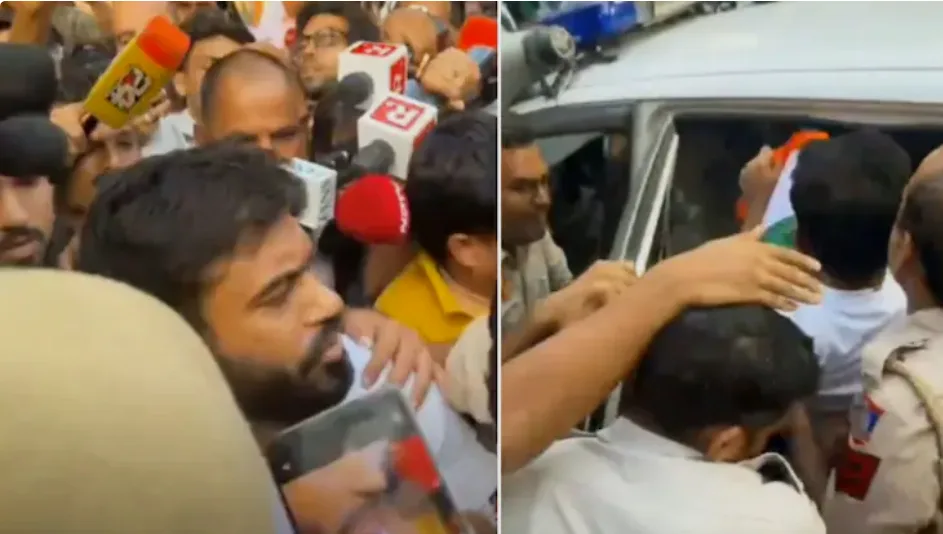
Abhijeet Dipke detained ahead of CJP’s national flag march in Delhi
Cockroach Janta Party founder Abhijeet Dipke was detained by Delhi Police on October 16, 2026, shortly before a planned national flag march. The proposed rally followed the judicial custody of two CJP members who had waved the Tricolour at Jantar Mantar.

Mallikarjun Kharge’s ‘Your Friends’ jab at Rahul Gandhi over congress exits

Magnitude 7 earthquake strikes Russia’s Kamchatka Peninsula

Delhi deploys 25,000 personnel, installs CCTV cameras ahead of CJP march

Abhijeet Dipke detained ahead of CJP’s national flag march in Delhi

Mallikarjun Kharge seeks all-party meeting with PM Modi on delimitation

Centre sends 3 letters to Punjab government after anti-drug activist’s killing
Mallikarjun Kharge seeks all-party meeting with PM Modi on delimitation
Abhijeet Dipke detained ahead of CJP’s national flag march in Delhi
Magnitude 7 earthquake strikes Russia’s Kamchatka Peninsula
Delhi deploys 25,000 personnel, installs CCTV cameras ahead of CJP march

Afghan Men Try To Hang With The Jet Engine Of The Aircraft in Kabul- Afghanistan News – Kabul News
Trending Top 10 News: 10000 Crore Fine on Flipkart, Apple to Launch Unique Feature, Hdfc Bank Job Ad

Trending Top 10 News: Nokia 6310, Apple sales, Bachpan ka Pyar Video Kid, Dainik Bhaskar IT Raid

Trending Top 10 News: Canada bans Indian flights, Rain in Delhi NCR, AIMIM Twitter hacked, Raj Kundra case

Trending Top 10 News: Shein India, Apple New Service, Pocket Oxygen, Oppo Launched New Phone
-
 India News15 hours ago
Mallikarjun Kharge’s ‘Your Friends’ jab at Rahul Gandhi over congress exits
-
 Latest world news15 hours ago
Magnitude 7 earthquake strikes Russia’s Kamchatka Peninsula
-
 India News15 hours ago
Delhi deploys 25,000 personnel, installs CCTV cameras ahead of CJP march
-
 India News6 hours ago
Abhijeet Dipke detained ahead of CJP’s national flag march in Delhi
-
 India News5 hours ago
Mallikarjun Kharge seeks all-party meeting with PM Modi on delimitation
-
 India News4 hours ago
Centre sends 3 letters to Punjab government after anti-drug activist’s killing
