
India News
Bharat Ratna awardee Lata Mangeshkar passes away at 92, know benefits of Bharat Ratna award
The news of Bharat Ratna awardee Lata Mangeshkar’s demise has is deeply saddening. On February 6, she lost the battle against Covid-19.

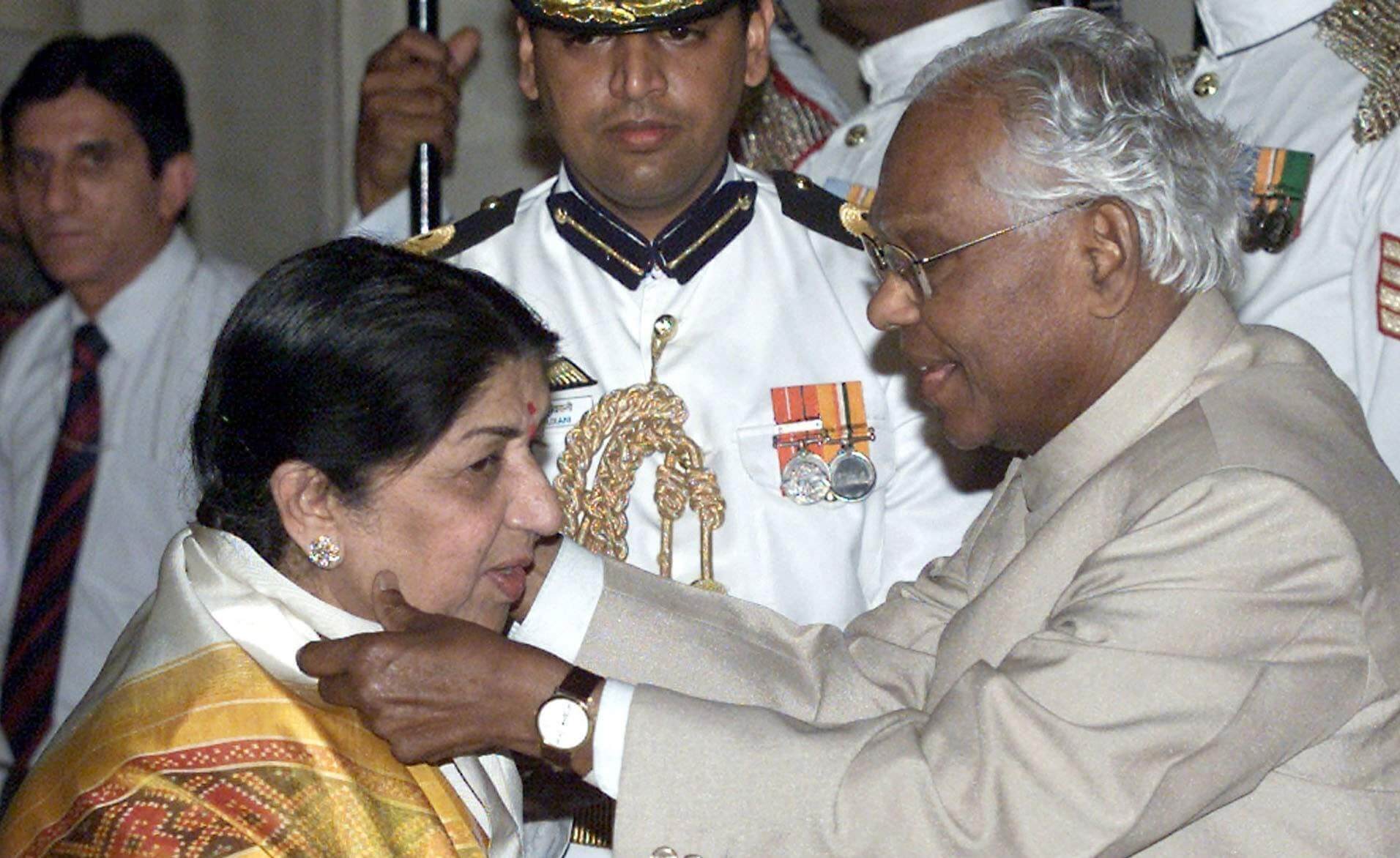
The Nightingale of India, Lata Mangeshkar has passed away. She was 92 years old at the time of her demise. She was conferred with Bharat Ratna in 2001. She will always be remembered as the queen of melody and her legacy will never be forgotten.
The Bharat Ratna, India’s highest civilian honour, is bestowed to distinguished individuals for outstanding contributions to the fields of art, literature, and science, as well as any other domain of human endeavour. Though there have been numerous controversies, it is not every day that one receives this prize.
Initiated in 1954, Bharat Ratna has been awarded to 48 individuals to date including 12 posthumously. The first set of individuals to be honoured by the award were CV Raman, Sarvepalli Radhakrishnan, and C Rajagopalachari. Recipients who were awarded the Bharat Ratna in recent times include late former President of India Pranab Mukherjee, social activist Nanaji Deshmukh, and musician-music director Bhupen Hazarika.
List of Bharat Ratna Awardees
- CV Raman 1954
- C Rajagopalachari 1954
- Sarvepalli Radhakrishnan 1954
- M Visvesvaraya 1955
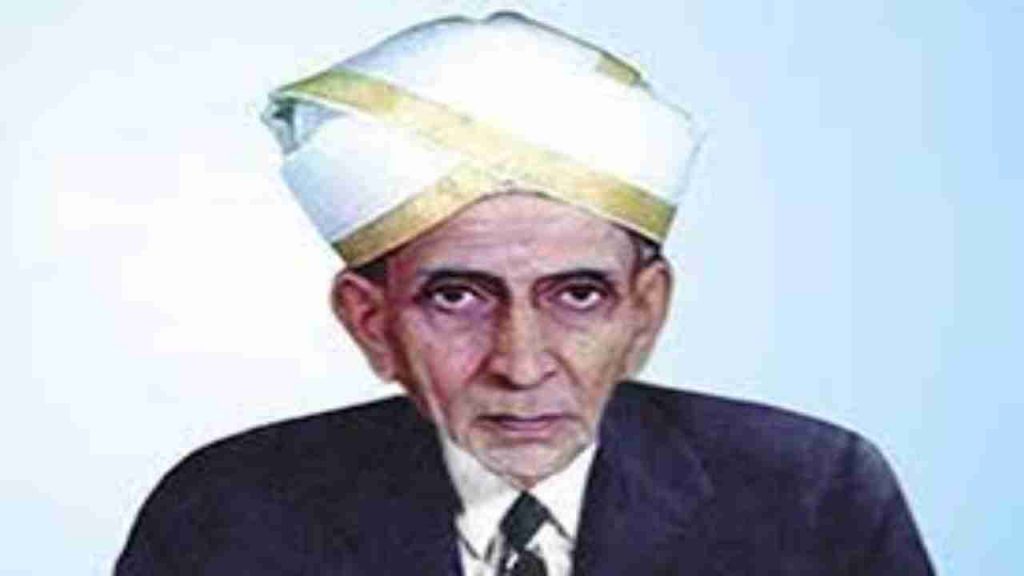
- Bhagwan Das 1955
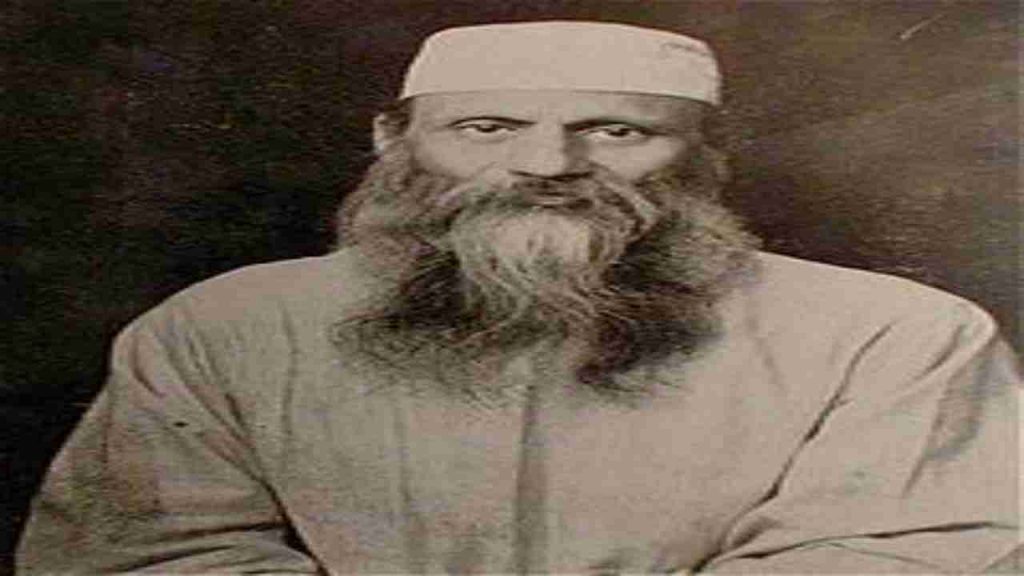
- Jawaharlal Nehru 1955
- Govind Ballabh Pant 1957
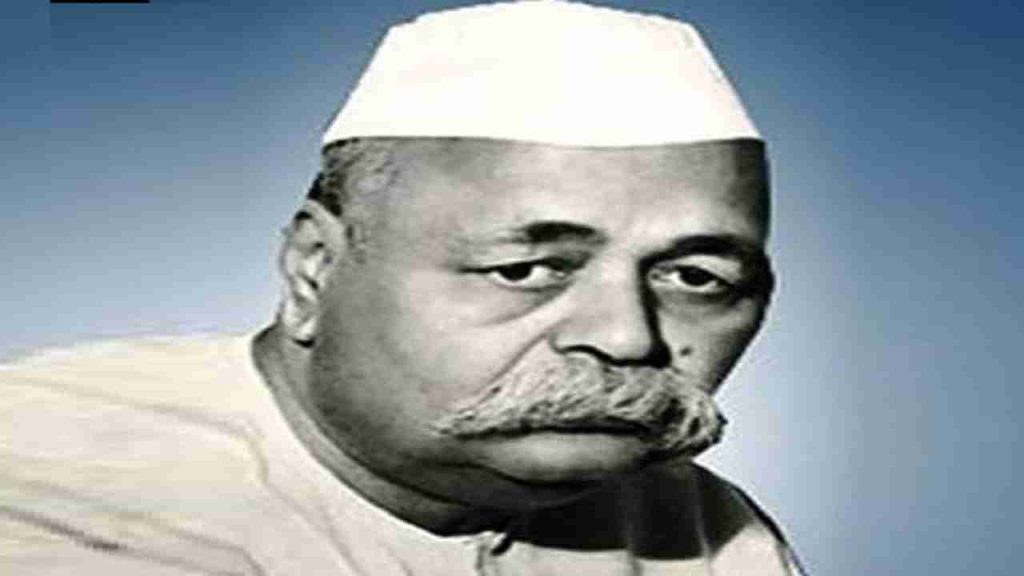
- Dhondo Keshav Karve 1958
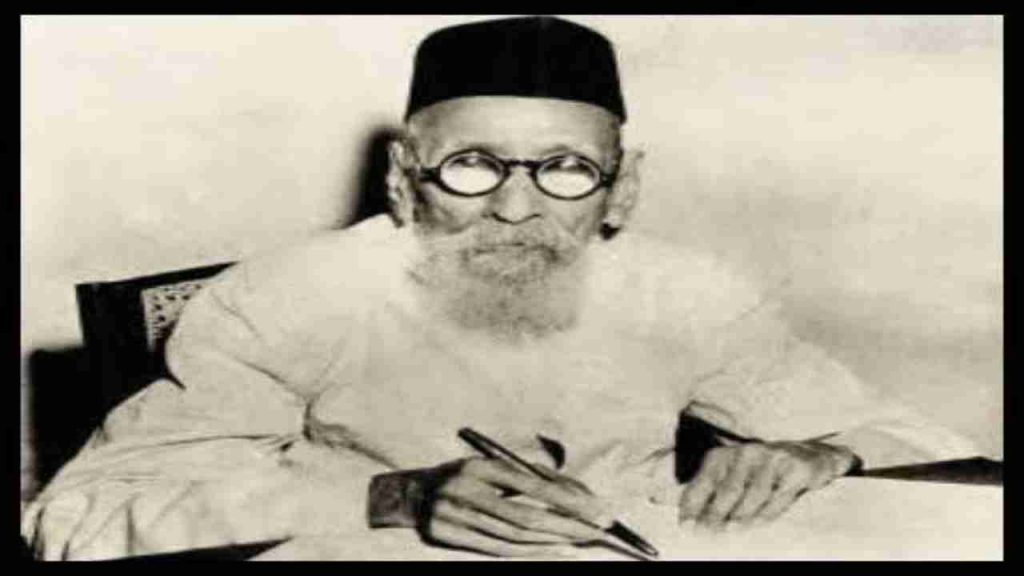
- Bidhan Chandra Roy 1961
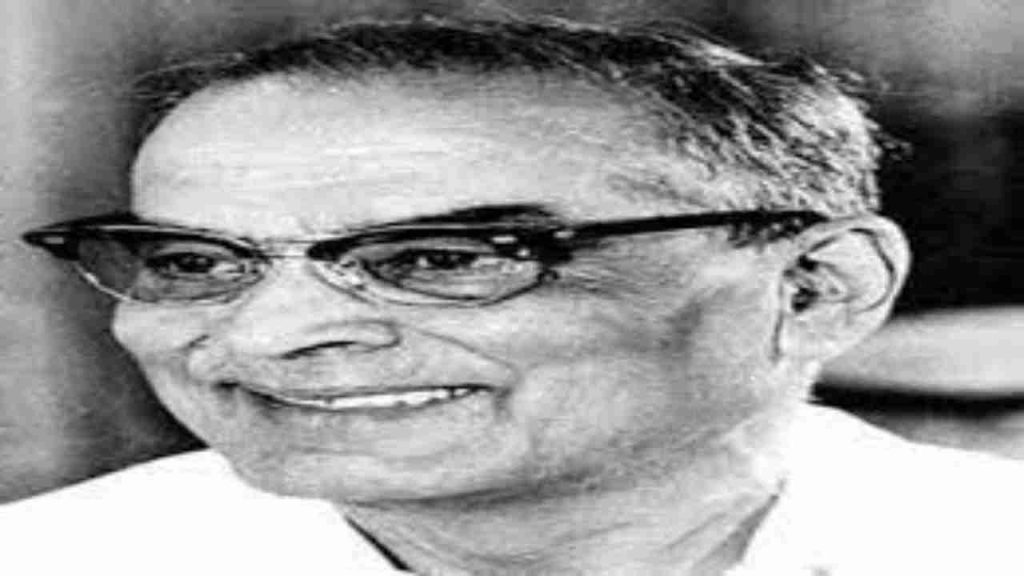
- Purushottam Das Tandon 1961
- Rajendra Prasad 1962
- Pandurang Vaman Kane 1963
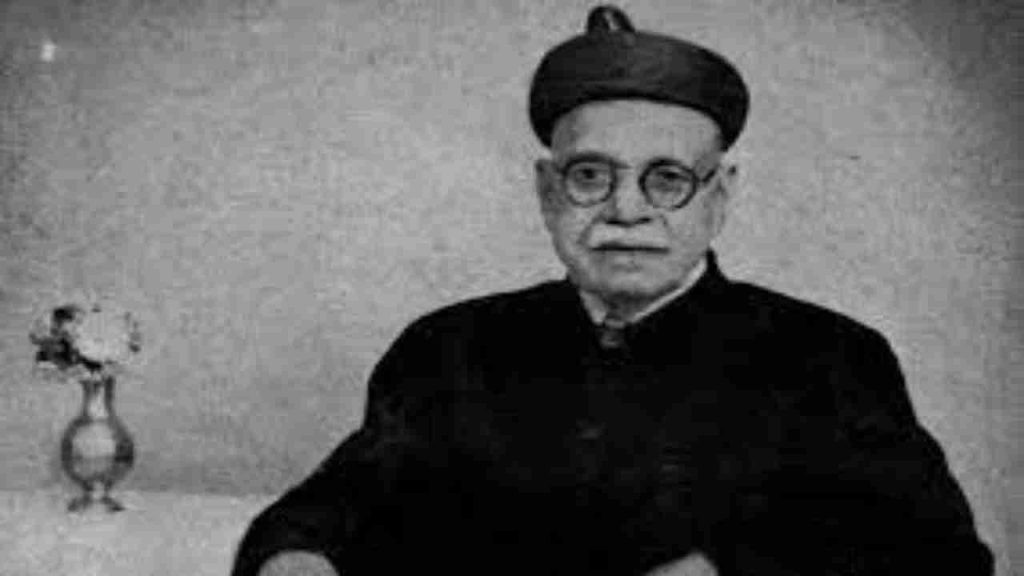
- Zakir Husain 1963
- Lal Bahadur Shastri 1966
- Indira Gandhi 1971
- Varahagiri Venkata Giri 1975
Read Also: Kartarpur Corridor to reopen from tomorrow, check date, timings, and how to register online
- K Kamaraj 1976
- Mother Teresa 1980
- Vinoba Bhave 1983
- Frontier Gandhi Abdul Ghaffar Khan 1987
- MG Ramachandran 1988
- Nelson Mandela 1990
- BR Ambedkar 1990
- Vallabhbhai Patel 1991
- Rajiv Gandhi 1991
- Morarji Desai 1991
- Satyajit Ray 1992
- Abul Kalam Azad 1992
- JRD Tata 1992
- Aruna Asaf Ali 1997
- Gulzarilal Nanda 1997
- APJ Abdul Kalam 1997
- MS Subbulakshmi 1998
- Chidambaram Subramaniam 1998
- Amartya Sen 1999
- Ravi Shankar 1999
- Gopinath Bardoloi 1999
- Jayaprakash Narayan 1999
- Bismillah Khan 2001
- Lata Mangeshkar 2001
- Bhimsen Joshi 2008
- CNR Rao 2013
- Atal Bihari Vajpayee 2014
- Madan Mohan Malaviya 2014
- Sachin Tendulkar 2014
- Nanaji Deshmukh 2019
- Pranab Mukherjee 2019
- Bhupen Hazarika 2019
What benefits does a Bharat Ratna awardee get?
None of the winners of the Bharat Ratna got the award for worrying about what benefits it gets them. But in ghor Kalyug, these are the privileges they are entitled to, a small thing compared to their years of dedication and service to the country and to their field of expertise. The benefits that the Bharat Ratna awardee gets is a nominal hat tip to them by the people of India.
- Bharat Ratna awardees are declared state guests while travelling anywhere in India.
- Awardees are entitled to a diplomatic passport through which they get access to VIP lounge at airports, a separate immigration counter. Moreover, the Indian missions abroad provide them with all support in their foreign visits.
- Bharat Ratna holders can enjoy a lifetime of free first-class flight travel on Air India.
- Awardees are eligible for Z category protection whenever required.
- They are at 7A position in the Table of Precedence that is published by the Ministry of Home Affairs. The order in this table is organised for state and ceremonial occasions.
- Bharat Ratna awardees receives pention equal to or 50 percent of Prime Minister of India’s salary.
- The reicipients of the Bharat Ratna receive a certificate called Sanad which is signed by the President and a peepal leaf-shaped medallion. On the obverse side of the peepal-leaf shaped medallion, an image of the Sun in inscribed along with the words Bharat Ratna in Devanagri script. On the reverse side, the medallion has a platinum State Emblem of India with Satyameva Jayate inscribed in the centre.








India News
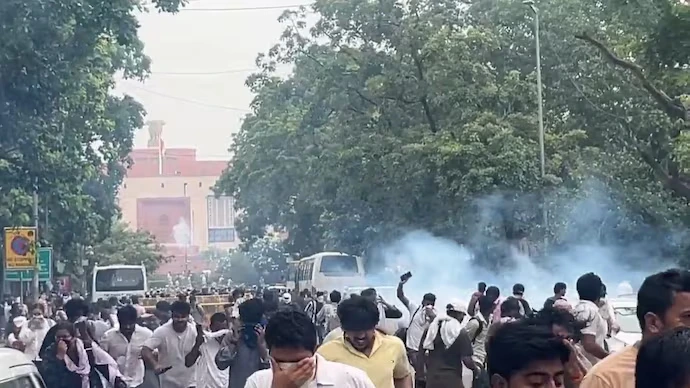
Delhi deploys 25,000 personnel, installs CCTV cameras ahead of CJP march
More than 25,000 police and paramilitary personnel have been deployed in Delhi ahead of the CJP’s planned protest march at Connaught Place. Authorities have also imposed restrictions and stepped up CCTV surveillance.

India News
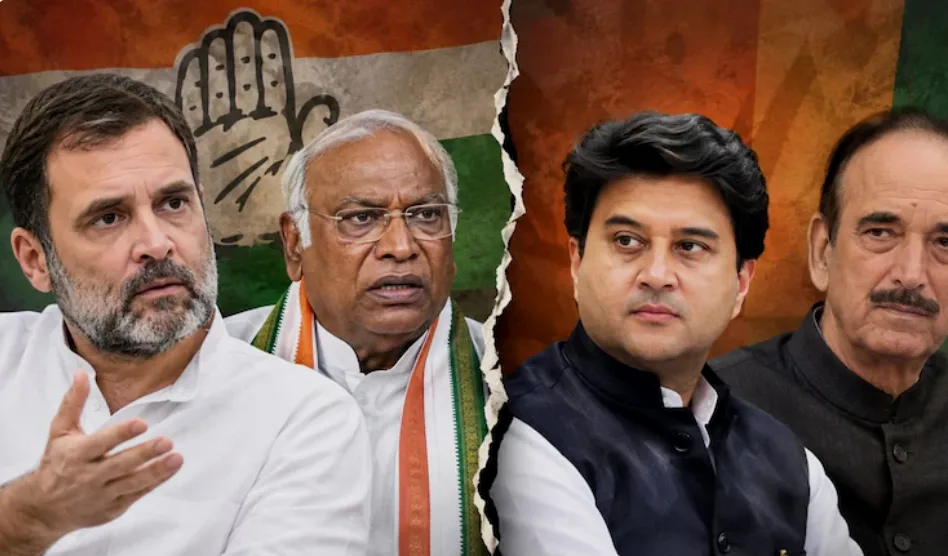
Mallikarjun Kharge’s ‘Your Friends’ jab at Rahul Gandhi over congress exits
Congress president Mallikarjun Kharge took a dig at Rahul Gandhi after the Leader of the Opposition reportedly described former party leaders Jyotiraditya Scindia and Ghulam Nabi Azad as among those who had left the Congress.
India News
Delhi Police offers 11-person limit for CJP’s Connaught Place protest
Delhi Police has offered to facilitate a group of 11 people at Central Park in Connaught Place for the Cockroach Janata Party’s October 16 protest, while warning that violations of prohibitory orders could invite legal action.


India-US trade deal first phase finalised, drafting underway

Election Commission orders voter roll revision in 17 states, UTs

Actor Imran Khan asked to leave India after CJP protest

Delhi Police offers 11-person limit for CJP’s Connaught Place protest

Mallikarjun Kharge’s ‘Your Friends’ jab at Rahul Gandhi over congress exits

Magnitude 7 earthquake strikes Russia’s Kamchatka Peninsula

Delhi deploys 25,000 personnel, installs CCTV cameras ahead of CJP march
Mallikarjun Kharge’s ‘Your Friends’ jab at Rahul Gandhi over congress exits
Delhi Police offers 11-person limit for CJP’s Connaught Place protest
Actor Imran Khan asked to leave India after CJP protest

Afghan Men Try To Hang With The Jet Engine Of The Aircraft in Kabul- Afghanistan News – Kabul News
Trending Top 10 News: 10000 Crore Fine on Flipkart, Apple to Launch Unique Feature, Hdfc Bank Job Ad

Trending Top 10 News: Nokia 6310, Apple sales, Bachpan ka Pyar Video Kid, Dainik Bhaskar IT Raid

Trending Top 10 News: Canada bans Indian flights, Rain in Delhi NCR, AIMIM Twitter hacked, Raj Kundra case

Trending Top 10 News: Shein India, Apple New Service, Pocket Oxygen, Oppo Launched New Phone
-
 India News20 hours ago
India-US trade deal first phase finalised, drafting underway
-
 India News18 hours ago
Election Commission orders voter roll revision in 17 states, UTs
-
 India News17 hours ago
Actor Imran Khan asked to leave India after CJP protest
-
 India News16 hours ago
Delhi Police offers 11-person limit for CJP’s Connaught Place protest
-
 India News5 hours ago
Mallikarjun Kharge’s ‘Your Friends’ jab at Rahul Gandhi over congress exits
-
 India News4 hours ago
Delhi deploys 25,000 personnel, installs CCTV cameras ahead of CJP march
-
 Latest world news4 hours ago
Magnitude 7 earthquake strikes Russia’s Kamchatka Peninsula
