
India News
From WFH for all govt employees to 1,000 private CNG buses, here are measures suggested by the Delhi govt to tackle air pollution
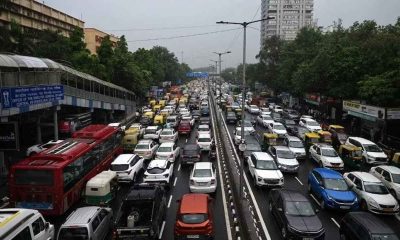
According to the Environment Minister, Gopal Rai, 1000 private CNG buses are going to be hired by the Delhi government to increase the amount of public transport. It is a preventive measure to limit cars, motorbikes and other forms of vehicle pollution.

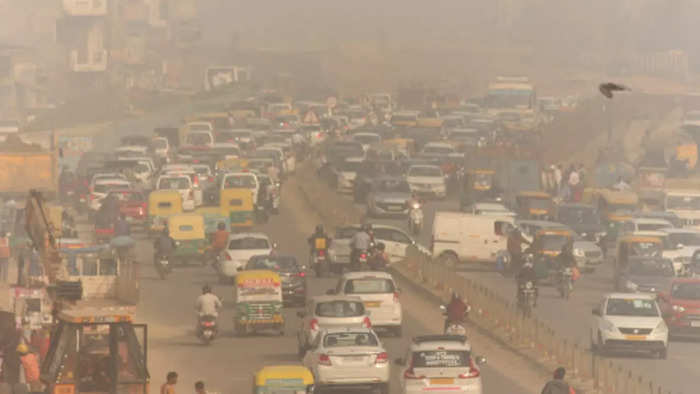
Delhi air pollution: From WFH for all govt employees to 1,000 private CNG buses, here are measures suggested by Delhi govt
URL- Delhi-Gopal-Rai-CAQM-implementation
According to reports, during a meeting, the Environment Minister, Gopal Rai was addressing the officials from several government ministries today on November 17, 2021, to review the execution of the orders given by the Commission for Air Quality Management (CAQM) on November 16, 2021, to cope up with growing levels of air pollution.
Choose carpool rather than work from home, said the Central government
With the increasing levels of air pollution, all private schools, colleges, educational institutions and offices were ordered to close, but the Central Government told the Supreme Court of India to advise the employees, to opt for carpooling rather than work from home, to reduce the air pollution. Also, the Central Government stated that it can help by reducing the number of vehicles used by the people (employees) for travelling.
Why 1000 private CNG buses are going to be hired?
According to the Environment Minister, Gopal Rai, 1000 private CNG buses are going to be hired by the Delhi government to increase the amount of public transport. It is a preventive measure to limit cars, motorbikes and other forms of vehicle pollution.
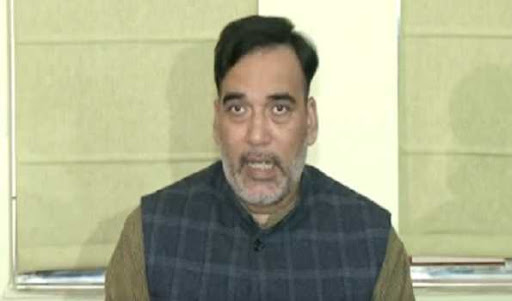
Also, the Environment Minister, Gopal Rai said that the hiring process of buses will commence on Thursday, November 18, 2021. Though buses and metro are already operating without allowing people to stand and travel, the Delhi Disaster Management Authority will be requested to review the order to expand the capacity of the existing public transportation system.
What measures are taken to prevent air pollution?
To tackle the air pollution, a water spraying system from the fire brigade department will be implemented additionally at Delhi’s 13 air pollution hotspots. The Transport Department has also given a list of the action to the police. The list consists of diesel vehicles which are older than 10 years and petrol vehicles which are older than 15 years.
Air Quality Index in Delhi:
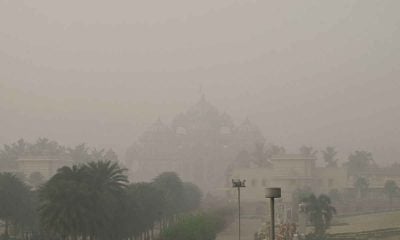
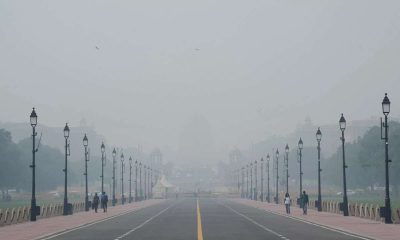
In Delhi, the Air Quality Index (AQI) is very acute right now. After remaining in the very poor category till Tuesday on November 16, 2021, in the morning, when the AQI was recorded at 396, Delhi’s air quality returned to the severe category with a 24-hour average AQI of 403.
Air Quality Index in neighbouring cities:
Noida air quality index was 397
Gurugram air quality index was 369
Greater Noida air quality index was 361
Ghaziabad air quality index was 356.
The air quality index of the respective cities was observed at 4 pm on November 16, 2021.
Pollution Under Control certificates will also be checked, therefore checking will be intensified as the pollution is increasing day by day after a long festivities of Diwali, Chhath etc.






India News
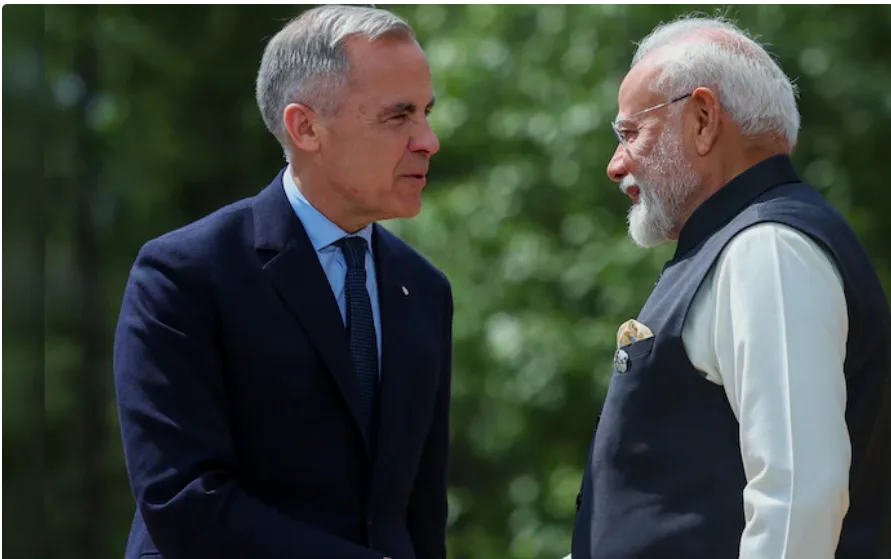
PM Modi speaks to Mark Carney as India and Canada push to strengthen ties
Prime Minister Narendra Modi held a telephone conversation with Canadian Prime Minister Mark Carney on October 13, with both leaders agreeing to strengthen India-Canada ties and pursue concrete outcomes across key areas of their strategic partnership.

India News
CJP leaders Saurav Das, Ashutosh Ranka, Ajinkya Shinde sent to 5-day judicial custody
Three CJP leaders, Saurav Das, Ashutosh Ranka and Ajinkya Shinde, were placed under preventive arrest following a protest at Delhi’s Jantar Mantar over Chief Election Commissioner Gyanesh Kumar.

India News
BJP focuses on religion as opposition pushes BDM strategy in UP
The BJP is emphasising religious issues ahead of the Uttar Pradesh Assembly elections, while opposition parties are seeking to consolidate Backward, Dalit and Minority voters. Recent exchanges involving Yogi Adityanath, Akhilesh Yadav and Asaduddin Owaisi have added to the political contest over the state’s electoral narrative.


Supreme Court stays defamation case against Rahul Gandhi over PM Modi remarks

CJP claims Saurav Das, Ashutosh Ranka detained at Jantar Mantar

Rahul Gandhi hosts high tea for INDIA bloc after Gyanesh Kumar protests

L Murugan quits Union ministry to strengthen BJP in Tamil Nadu

Amit Shah attacks Rahul Gandhi over Congress poll losses, questions SIR row

PM Modi speaks to Mark Carney as India and Canada push to strengthen ties

S Jaishankar says India is a natural option for Russia amid Europe tensions

CJP leaders Saurav Das, Ashutosh Ranka, Ajinkya Shinde sent to 5-day judicial custody

BJP focuses on religion as opposition pushes BDM strategy in UP
L Murugan quits Union ministry to strengthen BJP in Tamil Nadu

Afghan Men Try To Hang With The Jet Engine Of The Aircraft in Kabul- Afghanistan News – Kabul News
Trending Top 10 News: 10000 Crore Fine on Flipkart, Apple to Launch Unique Feature, Hdfc Bank Job Ad

Trending Top 10 News: Nokia 6310, Apple sales, Bachpan ka Pyar Video Kid, Dainik Bhaskar IT Raid

Trending Top 10 News: Canada bans Indian flights, Rain in Delhi NCR, AIMIM Twitter hacked, Raj Kundra case

Trending Top 10 News: Shein India, Apple New Service, Pocket Oxygen, Oppo Launched New Phone
-
 India News22 hours ago
Supreme Court stays defamation case against Rahul Gandhi over PM Modi remarks
-
 India News23 hours ago
CJP claims Saurav Das, Ashutosh Ranka detained at Jantar Mantar
-
 India News14 hours ago
Rahul Gandhi hosts high tea for INDIA bloc after Gyanesh Kumar protests
-
 India News13 hours ago
L Murugan quits Union ministry to strengthen BJP in Tamil Nadu
-
 India News13 hours ago
Amit Shah attacks Rahul Gandhi over Congress poll losses, questions SIR row
-
 India News12 hours ago
BJP focuses on religion as opposition pushes BDM strategy in UP
-
 India News58 mins ago
CJP leaders Saurav Das, Ashutosh Ranka, Ajinkya Shinde sent to 5-day judicial custody
-
 Latest world news45 mins ago
S Jaishankar says India is a natural option for Russia amid Europe tensions

