English हिन्दी
Connect with us

India News

Who will be Delhi’s next CM?

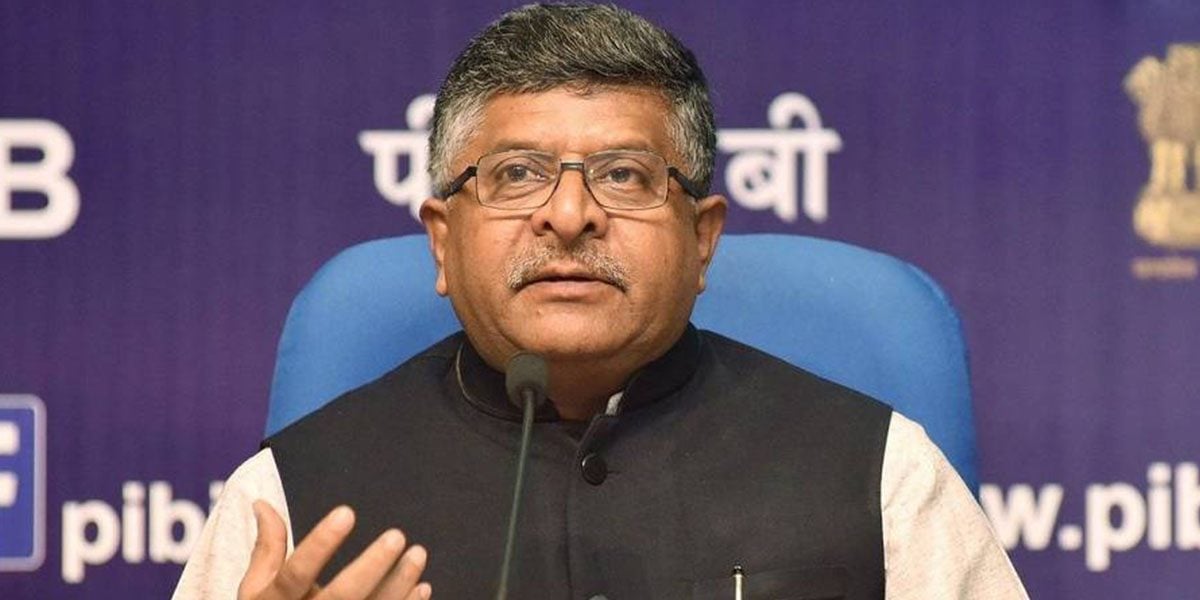
While the BJP has remained tight-lipped about its choice, Delhi BJP President Virendra Sachdeva hinted that the decision rests with the party’s central leadership.

Published

on

The BJP is leading in the vote counting for the Delhi Assembly elections, according to early trends. The saffron party has crossed the crucial majority mark of 36 seats in the 70-member Assembly, signalling a potential victory and a return to power in the national capital after nearly a decade.

As the BJP inches closer to forming the government in Delhi, speculation is mounting over who will take the reins as the next Chief Minister. Several prominent names within the party have emerged as potential candidates for the top post, each bringing their own political clout and experience to the table.

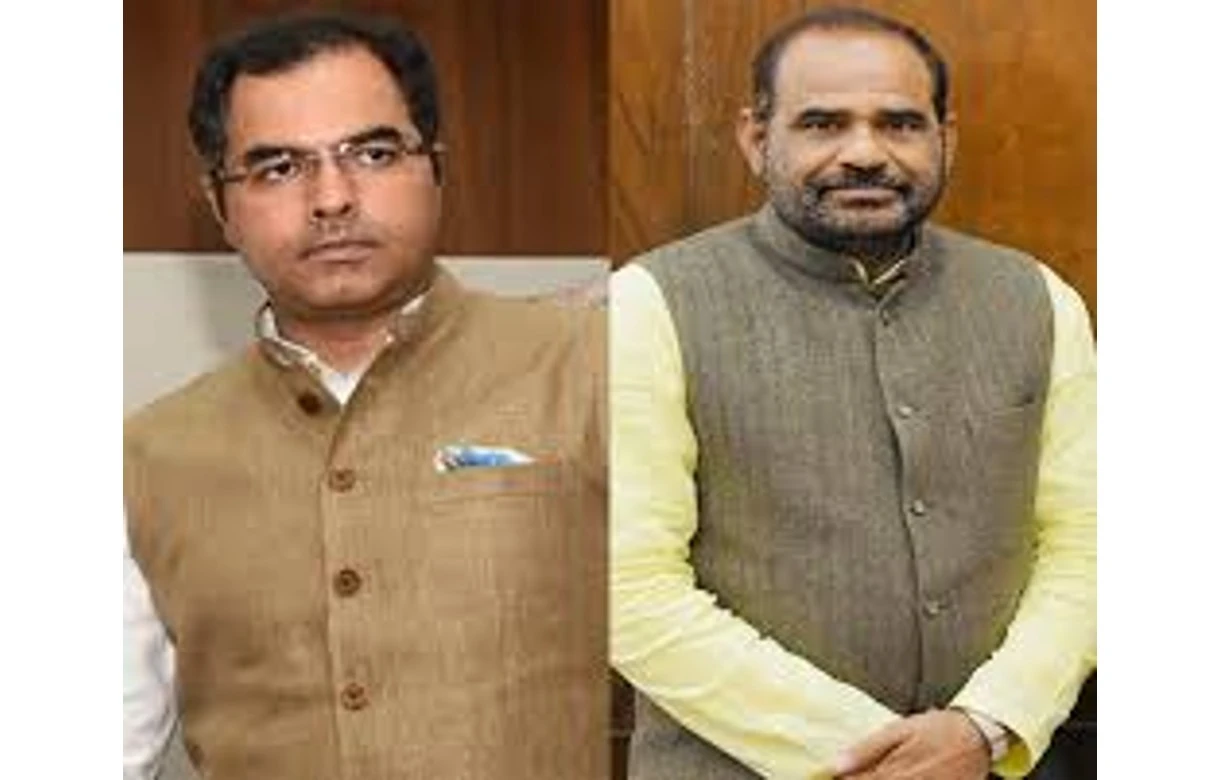
Among the frontrunners is Parvesh Verma, the son of former Delhi Chief Minister Sahib Singh Verma. A former Member of Parliament, Verma is currently contesting against Aam Aadmi Party (AAP) chief Arvind Kejriwal in the New Delhi constituency. A victory in this high-stakes battle could significantly bolster Verma’s chances of being chosen as the BJP’s face for the Chief Minister’s role.

Former MP Ramesh Bidhuri, who is up against AAP’s Atishi Singh, wields considerable influence within BJP’s political landscape in Delhi.

Another name gaining traction is Bansuri Swaraj, the daughter of the late Sushma Swaraj, a revered BJP leader and former Union Minister. Despite being a first-time Member of Parliament, Bansuri has been steadily making her mark within the party. Her lineage and growing influence make her a strong contender for the position.

Smriti Irani, the Union Minister and BJP leader is also reportedly in the running. Although Irani faced a setback in the recent Lok Sabha elections, losing to Congress candidate Kishori Lal Sharma in Amethi, her extensive political experience and national prominence keep her in the mix for the Delhi Chief Minister’s role.

Dushyant Gautam, BJP’s national general secretary, is another key figure in the race. Contesting from Karol Bagh’s reserved constituency against AAP’s Vishesh Ravi, Gautam brings a wealth of political experience to the table. His tenure as a Rajya Sabha member and his leadership within the Dalit community further strengthened his candidacy.

The BJP’s central leadership is expected to make the final decision, taking into account the candidates’ electoral performance, political acumen, and ability to lead Delhi’s administration effectively. With the party poised to reclaim power in the national capital after nearly a decade, the choice of Chief Minister will play a pivotal role in shaping Delhi’s future governance.

While the BJP has remained tight-lipped about its choice, Delhi BJP President Virendra Sachdeva hinted that the decision rests with the party’s central leadership.

Speaking to reporters after offering prayers at the Hanuman Temple in Connaught Place, Sachdeva expressed confidence in the party’s performance, stating, “The results so far are in line with our expectations, but we will wait for the final outcome.” He credited the BJP’s likely victory to the hard work of its candidates and the electorate’s preference for development and corruption-free governance.

“The people of Delhi have chosen Prime Minister Narendra Modi’s leadership because they wanted a model of development. This win is a testament to PM Modi’s vision, and we will ensure a strong and stable government for Delhi,” Sachdeva asserted. He also emphasized that the BJP would establish a “double-engine government,” aligning the state’s administration with the central leadership’s policies.

Taking a swipe at the Aam Aadmi Party (AAP) and its chief, Arvind Kejriwal, Sachdeva accused the incumbent party of failing to address critical issues plaguing the city. “We fought these elections on real issues—broken roads, dirty water, liquor policy controversies, and corruption. Whenever we questioned Kejriwal on these matters, he either remained silent or avoided accountability,” he said.

Sachdeva further criticised Kejriwal for relying on “false promises” to sway voters, claiming that the people of Delhi had seen through these tactics. “Delhi’s pain is real, and the people have voted to end it by choosing PM Modi’s leadership,” he added.

The BJP’s resurgence in Delhi marks a significant shift in the political landscape of the capital, which has been under AAP’s governance since 2015. If the current trends hold, the BJP is poised to reclaim power, setting the stage for a new chapter in Delhi’s governance.

As the final results await, all eyes are now on the BJP’s central leadership to announce its choice for the Chief Minister’s post, a decision that will shape the future of Delhi’s administration.

India News

Telegram restricted ahead of NEET-UG re-exam, NTA backs move to curb exam fraud

NTA has welcomed the Centre’s decision to temporarily restrict Telegram ahead of the NEET-UG 2026 re-examination, citing the need to prevent fraud and misinformation.

Published

on

NEET

The Centre has imposed temporary restrictions on messaging platform Telegram ahead of the NEET-UG 2026 re-examination, with the National Testing Agency (NTA) welcoming the decision as part of efforts to prevent exam-related fraud and misinformation.

The temporary curbs will remain in place until June 22, a day after the NEET-UG re-exam scheduled for June 21. Authorities said the action was taken following concerns that the platform was being misused by cheating networks and individuals circulating misleading claims related to the examination.

NTA says move aimed at protecting exam integrity

According to the NTA, the restrictions are intended to safeguard candidates from fraudulent activities and false information that could affect the fairness of the examination process. The agency stated that maintaining the integrity of the re-examination remains a priority as lakhs of students prepare to appear for the test.

The NEET-UG re-exam is being conducted after the original examination was cancelled amid allegations of question paper leaks and irregularities. Since then, authorities have been monitoring online platforms for suspicious activity and misleading content targeting candidates.

Restrictions linked to concerns over fake paper leak claims

In recent weeks, several reports surfaced about Telegram channels allegedly offering access to leaked examination papers. The NTA had repeatedly advised students not to trust such claims and referred suspicious links and posts for verification by cybercrime authorities. No official confirmation of any genuine leaked re-exam paper had been issued.

Authorities believe the temporary restrictions will help limit the spread of fake content and reduce opportunities for organised exam fraud in the days leading up to the re-test.

Wider efforts to secure the re-examination

The government and examination authorities have introduced several measures ahead of the re-exam, including monitoring social media platforms and creating channels for reporting suspicious claims related to NEET-UG 2026. The NTA has also urged candidates to rely only on official communications for updates regarding the examination.

With the re-examination approaching, officials say the latest action is part of a broader effort to ensure a fair and transparent process for all candidates.

Continue Reading

India News

Abhishek Banerjee says will not bow to BJP after nearly 11 hours of ED questioning

After spending nearly 11 hours before the Enforcement Directorate, TMC leader Abhishek Banerjee said he would not bow to the BJP and accused the ruling party of using investigative agencies for political purposes.

Published

on

Abhishek Banerjee

Trinamool Congress leader and Diamond Harbour MP Abhishek Banerjee on Tuesday said he would not bow to the BJP after spending nearly 11 hours being questioned by the Enforcement Directorate (ED) in connection with an ongoing investigation.

Speaking after the questioning, Banerjee alleged that central agencies were being used to target opposition leaders and asserted that he would continue his political fight despite what he described as sustained pressure.

The TMC leader has repeatedly maintained that investigations involving him are politically motivated, a charge he has made on several previous occasions while appearing before central agencies.

His appearance before the ED comes amid a period of heightened political activity and multiple investigations involving leaders in West Bengal. Recent days have also seen Banerjee face summons and questioning in separate matters by state investigative agencies.

After leaving the ED office, Banerjee reiterated that he would not be intimidated and said he remained committed to his political responsibilities. He also accused the BJP of attempting to weaken opposition parties through investigative action, an allegation that the BJP has rejected in the past.

The Enforcement Directorate has not publicly commented on Banerjee’s remarks. The investigation related to the questioning remains ongoing.

Continue Reading

India News

DMK attacks Rahul Gandhi, accuses him of weakening opposition unity

DMK has intensified its criticism of Rahul Gandhi, alleging that the Congress leader’s actions have weakened opposition unity and strained relations within the INDIA bloc.

Published

on

Rahul-Gandhi

The war of words between the DMK and Congress has intensified, with the DMK launching a strong attack on Leader of Opposition Rahul Gandhi and accusing him of contributing to divisions within the opposition alliance. The criticism comes amid strained ties between the two parties following their political split in Tamil Nadu.

According to the DMK, Rahul Gandhi’s political approach has weakened unity among opposition parties. The party’s IT wing mocked the Congress leader on social media, while an editorial published in the DMK’s official mouthpiece Murasoli questioned his recent remarks on opposition solidarity.

DMK questions Rahul Gandhi’s remarks on opposition unity

In its editorial, Murasoli argued that Rahul Gandhi was speaking about opposition unity despite, according to the DMK, contributing to disagreements among alliance partners in several states. The publication cited criticism directed at Congress by various opposition parties and suggested that the party’s actions had often created tensions within the INDIA bloc.

The editorial also referred to past political disputes involving Congress and Left parties, particularly in Kerala, claiming such episodes had raised concerns among opposition allies about Congress’s approach toward its partners.

Tamil Nadu political fallout adds to tensions

The attack comes after a major political realignment in Tamil Nadu. Following the 2026 Assembly elections, Congress ended its alliance with the DMK and joined the government led by Vijay’s Tamilaga Vettri Kazhagam (TVK). The move left the DMK in the opposition and significantly altered the political equation between the two former allies.

The DMK has alleged that Congress benefited from the alliance during the election and later abandoned its partner. The party’s editorial questioned whether assurances from Congress leadership would be trusted by alliance partners after the developments in Tamil Nadu.

Congress rejects allegations

Congress has not issued a detailed official response to the editorial, but party sources have rejected the allegations. According to the party, its decisions in Tamil Nadu were made in line with the mandate delivered by voters and were not intended to undermine either the DMK or the broader opposition alliance.

The latest exchange highlights growing strains between two key opposition parties even as leaders continue to stress cooperation on national issues. Just days earlier, Rahul Gandhi had said that the DMK remained aligned with the opposition on defending the “idea of India” despite political differences.

Continue Reading

Trending

© Copyright 2022 APNLIVE.com