
India News
EY employee death: Rahul Gandhi speaks to Anna’s family, says he will personally fight for their cause
Gandhi assured them that he will fight for this cause in his personal capacity as the Leader of the Opposition.

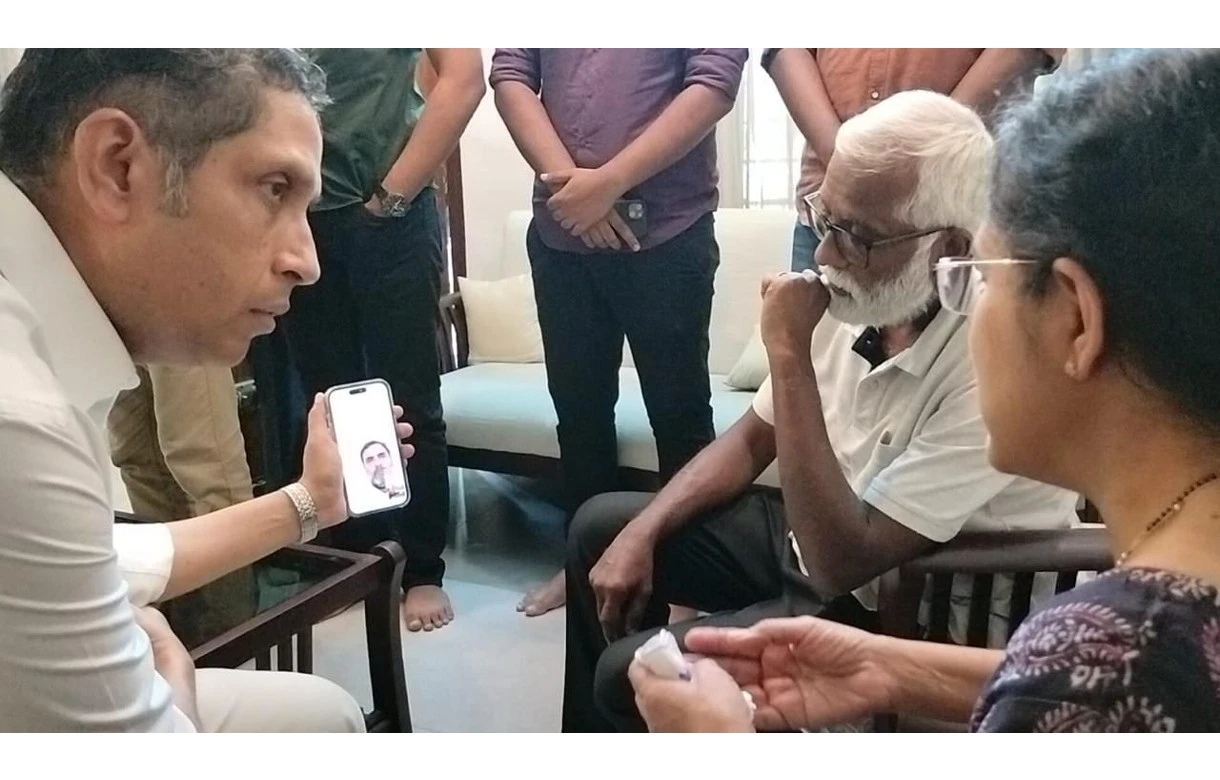
Leader of Opposition in the Lok Sabha Rahul Gandhi on Saturday spoke with the parents of Anna Sebastian Perayil, who died due to alleged extreme work pressure at Ernst & Young, and assured them that he will fight for the cause of improving working conditions for the millions of professionals in India.
Gandhi assured them that he will fight for this cause in his personal capacity as the Leader of the Opposition.
Gandhi spoke with the parents of Anna Sebastian via a video call arranged by the Chairman of All India Professionals’ Congress (AIPC) Praveen Chakravarty who visited their home in Kochi.
He offered his sympathies at Anna’s sudden and tragic demise and lauded the family’s courage and selflessness to speak up at this extremely difficult moment about this issue in the larger interest of improving working conditions for the millions of professionals in India, a statement issued by the AIPC said.
Gandhi also instructed the AIPC Chairman to create an awareness movement in Anna’s memory for all working professionals in India.
“Following Gandhi’s instructions, AIPC will announce a helpline soon to collect information from corporate professionals about issues related to work stress and toxic work culture. Post which, AIPC will seek to come up with draft guidelines for better working conditions for professionals in the corporate sector,” the statement said.
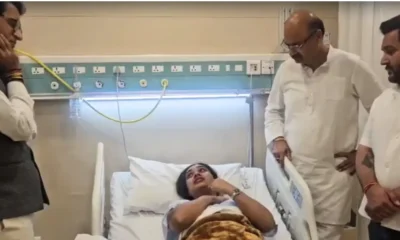
In a post on X last night, senior Congress leader and former AIPC Chairman Shashi Tharoor said he had a deeply emotional and heartrending conversation with Sibi Joseph, the father of Anna Sebastian who passed away after a cardiac arrest following four months of deeply stressful seven-day weeks of 14 hours a day at Ernst & Young.
“He suggested, and I agreed, that I raise the issue of legislating, through Parliament, a fixed calendar for all workplaces, whether in the private sector or the public, that would not exceed eight hours a day, five days a week. Inhumanity at the workplace must be legislated out of existence with stringent punishment and fines for offenders. Human rights do not stop at the workplace!” Tharoor said.
“Will raise this matter at the first opportunity during the next session of Parliament,” Tharoor said.
Perayil was a 26-year-old chartered accountant (CA) who died allegedly due to extreme work pressure at the firm.
EY on Wednesday had issued a statement stating, “We are deeply saddened by Anna Sebastian’s tragic and untimely passing in July 2024.”
Since the death, EY has been in touch with the family, helping them but it is only now that her family has chosen to write to the company, complaining about the “excessive workload”, it had said.
EY has said it will continue to improve and provide a healthy workplace in its offices throughout the country.
The Ministry of Labour & Employment is investigating an alleged “unsafe and exploitative work environment”, days after the tragic demise of Anna Sebastian Perayil who worked with S R Batliboi, a member firm of EY Global, news agency PTI reported.









India News
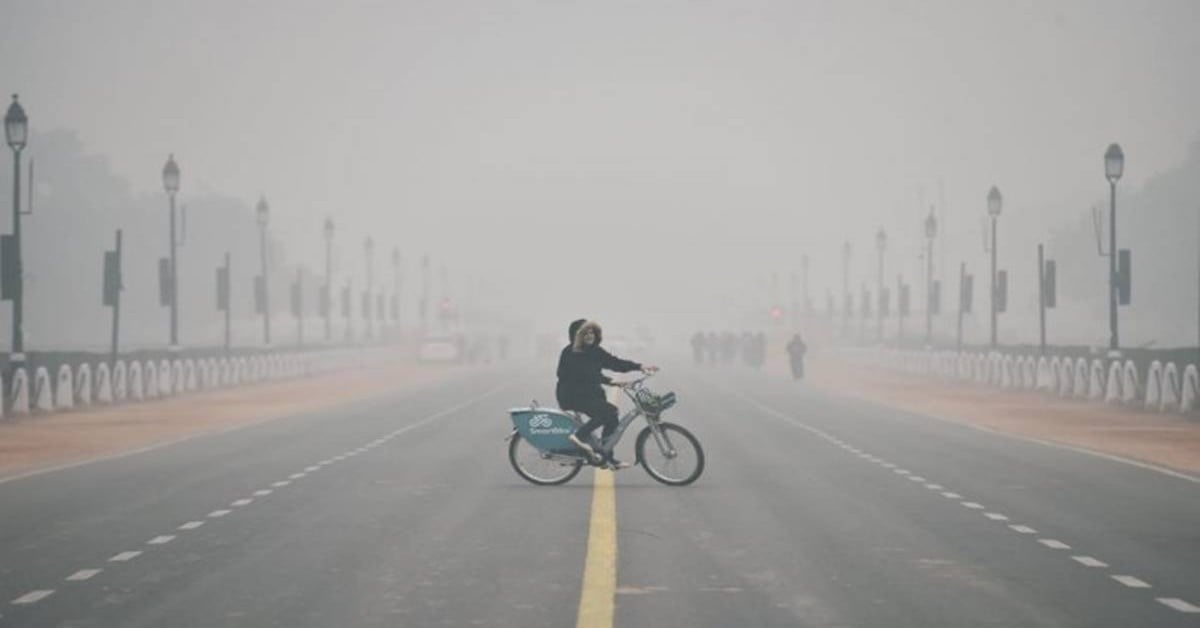
Delhi records October’s coldest morning so far, air quality may worsen
Delhi recorded October’s coldest morning so far, while forecasts pointed to the possibility of worsening air quality as cooler, drier conditions set in.

India News
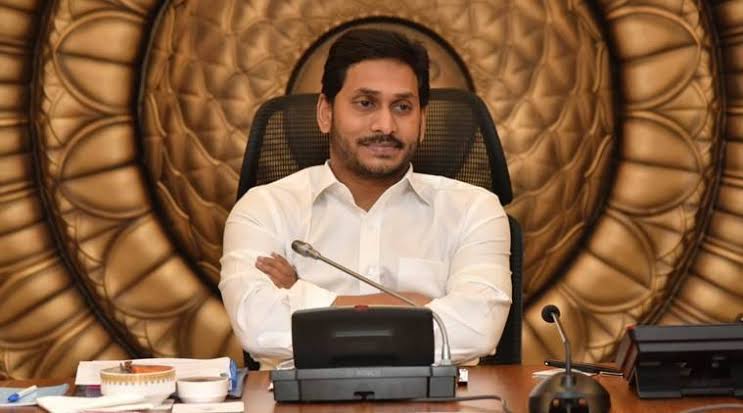
Jagan Reddy seeks President’s rule in Andhra Pradesh amid poll violence
YSRCP chief YS Jagan Mohan Reddy has demanded President’s Rule in Andhra Pradesh over alleged violence during the local body election nomination process. Chief Minister Chandrababu Naidu, meanwhile, accused the opposition of obstructing government initiatives and said violence was in its DNA.
India News
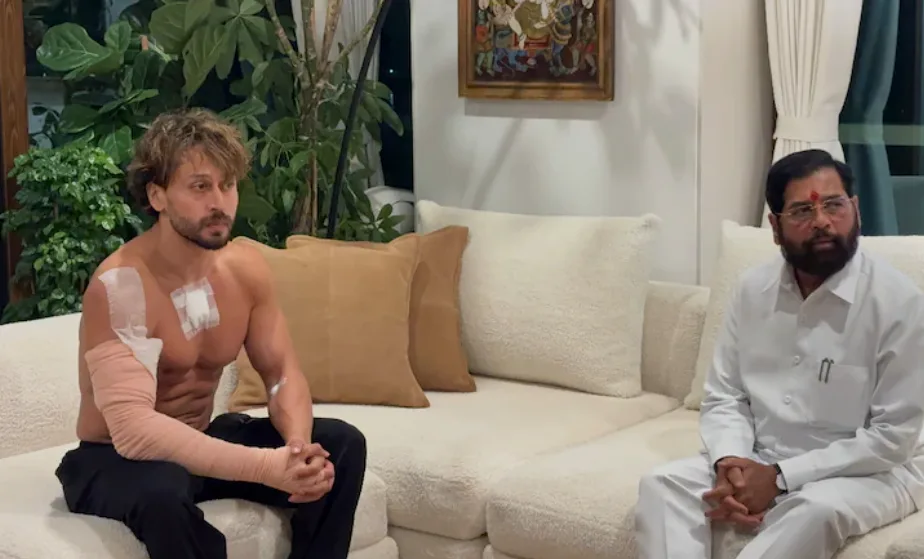
Mumbai Police book 3 unidentified shooters in Tiger Shroff firing case
Mumbai Police have registered a case against three unidentified individuals in connection with the firing at Tiger Shroff’s car in Mumbai’s Juhu area. The actor escaped without gunshot injuries, while two other people were injured.

Devendra Fadnavis says no one will be spared after firing at Tiger Shroff

Mumbai Police book 3 unidentified shooters in Tiger Shroff firing case
Jagan Reddy seeks President’s rule in Andhra Pradesh amid poll violence

Delhi records October’s coldest morning so far, air quality may worsen
Delhi records October’s coldest morning so far, air quality may worsen
Jagan Reddy seeks President’s rule in Andhra Pradesh amid poll violence
Mumbai Police book 3 unidentified shooters in Tiger Shroff firing case
Devendra Fadnavis says no one will be spared after firing at Tiger Shroff

Journalist files police complaint against Rahul Gandhi over push allegation

Afghan Men Try To Hang With The Jet Engine Of The Aircraft in Kabul- Afghanistan News – Kabul News
Trending Top 10 News: 10000 Crore Fine on Flipkart, Apple to Launch Unique Feature, Hdfc Bank Job Ad

Trending Top 10 News: Nokia 6310, Apple sales, Bachpan ka Pyar Video Kid, Dainik Bhaskar IT Raid

Trending Top 10 News: Canada bans Indian flights, Rain in Delhi NCR, AIMIM Twitter hacked, Raj Kundra case

Trending Top 10 News: Shein India, Apple New Service, Pocket Oxygen, Oppo Launched New Phone
-
 India News15 hours ago
Devendra Fadnavis says no one will be spared after firing at Tiger Shroff
-
 India News14 hours ago
Mumbai Police book 3 unidentified shooters in Tiger Shroff firing case
-
India News6 hours ago
Jagan Reddy seeks President’s rule in Andhra Pradesh amid poll violence
-
 India News4 hours ago
Delhi records October’s coldest morning so far, air quality may worsen
