English हिन्दी
Connect with us

India News

Hafiz Saeed, Masood Azhar amongst the first to be listed as ‘terrorists’ under newly proposed UAPA

Published

on

Hafiz Saeed, Masood Azhar amongst the first to be listed as 'terrorists' under newly proposed UAPA

[vc_row][vc_column][vc_column_text]Global terrorists Masood Azhar and Hafiz Saeed will be the first two to be designated as terrorist in India after the Unlawful Activities Prevention Act (UAPA) amendments are notified by the government.

“Terrorism is a global fight, and it will help India’s case at the international level if they are designated as terrorists here,” a senior officer from the Ministry of Home Affairs said.

Hafiz Saeed was one of the brains behind the 2008 Mumbai terror attacks and Masood Azhar was involved in the recent Pulwama attack as well as the 2001 attack on parliament.

As per the new UAPA amendments passed by the Lok Sabha, biographic and financial information of individuals designated as “terrorists” will be shared with Western agencies, officials said. The government can impose a travel ban on such individuals and seize their properties as per law.

Allaying fears about misuse of the new provisions of the law, a home ministry official said that individuals designated as terrorists can appeal to the Union Home Secretary, who will have to dispose of the plea within 45 days.

 In addition to this, “If not satisfied with the decision of the government, the individual can approach a review committee headed by a sitting or retired judge of a high court with at least two retired secretaries of the government of India as members,” said a home ministry official.

Once the person is designated as a terrorist, the government can take steps such as seizing his assets or imposing a travel ban on him. Further details of the action to be taken under the proposed law will be decided when the rules are framed following the passage of the bill in parliament, the official said.

Also Read: Indian Embassy granted consular access to 18 Indian nationals by Iran

The official also said that only one amongst the 42 groups declared as unlawful in the last 15 years- the Deendar Anjuman – have pleaded before the government against the decision. When the decision was reconfirmed, the group did not challenge it in a court of law.

“The checks and balances we have for organisations are robust, and similar ones will be put in place for individuals too,” the official said.

Also Read: General Rawat warns Pakistan with a bloodier nose next time they meddle with India

The bill was passed by the Lok Sabha on Wednesday and is likely to be taken up by the Rajya Sabha next week. Home minister Amit Shah during the discussion on the bill reiterated the zero tolerance policy against terrorism. 

[/vc_column_text][/vc_column][/vc_row]

India News

PM Modi inaugurates first SCO civilisation dialogue forum in Delhi

Prime Minister Narendra Modi inaugurated the first SCO Civilisation Dialogue Forum at Delhi’s Purana Qila on Friday. The three-day event aims to promote cultural cooperation and people-to-people ties among SCO countries.

Published

on

PM Modi

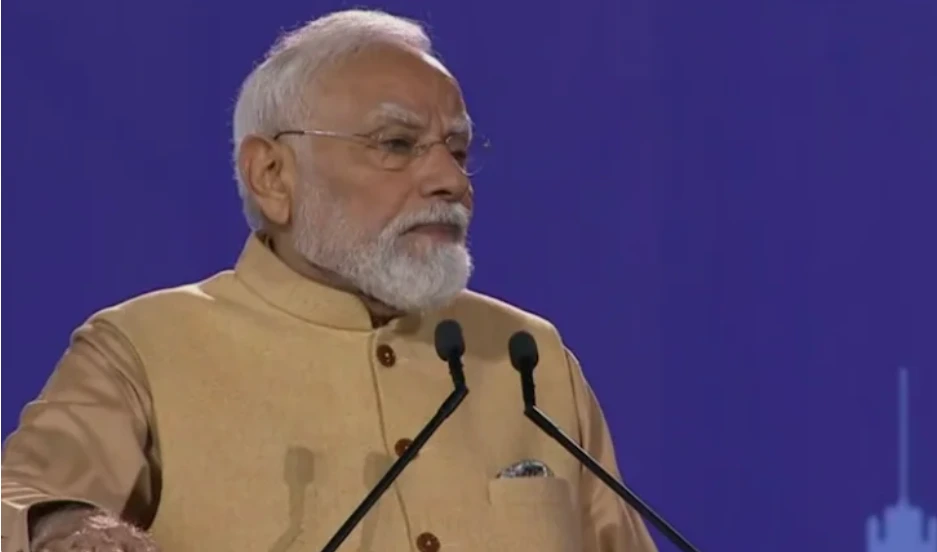
Prime Minister Narendra Modi on Friday inaugurated the first Shanghai Cooperation Organisation (SCO) Civilisation Dialogue Forum at the historic Purana Qila in New Delhi.

The three-day forum, being held from November 20 to 22, aims to highlight the shared civilisational heritage of SCO countries, strengthen people-to-people connections and promote cross-cultural dialogue and cooperation.

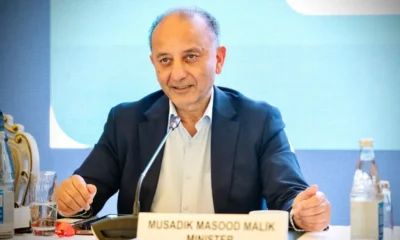
The event is being hosted jointly by the Ministry of Culture and the Ministry of External Affairs. Delegates from several SCO member countries are attending the forum, including Pakistan’s Minister Musadik Malik.

PM Modi visits exhibitions at Purana Qila

Before the inauguration, PM Modi visited the Mahabharat Scroll Pavilion — Anant: A Rare 18th Century Mahabharata Scroll. The exhibition showcases an illustrated scroll highlighting India’s epic and artistic traditions.

The Prime Minister also visited Astitva — The Essence of Our Existence, an exhibition presenting Delhi’s history through archaeological evidence dating from 1200 BCE to 1200 CE. It includes excavated remains, artefacts, architectural fragments and other discoveries.

Forum to focus on shared civilisational heritage

The forum brings together scholars, academics, experts and cultural representatives from the SCO region. Discussions are intended to explore the historical and cultural connections shared by countries within the grouping.

The inaugural programme features “Civilisations in Conversation – Cultural Show”, combining music, dance, visual storytelling and narration. Its theme is “Vasudhaiva Kutumbakam – The World Is One Family”, highlighting cultural links between India and Eurasia.

Four thematic sessions are scheduled for November 21 and 22. They will cover areas including music and performing arts, textiles, cuisine, traditional games, art and architecture, languages and literary traditions, scripts and manuscripts, as well as monastic and philosophical traditions.

Pakistan among countries participating in forum

The Ministry of External Affairs said the event is a multilateral programme under the SCO framework and that invitations were extended to all SCO members, including Pakistan. Observers and dialogue partners were also invited.

Pakistan had announced on November 14 that Climate Change Minister Musadik Malik would participate in the SCO Civilisation Dialogue Forum.

Forum builds on Modi’s 2025 SCO proposal

The initiative follows a proposal made by PM Modi at the SCO Summit in Tianjin, China, in 2025 to establish a dedicated platform for civilisational dialogue under the SCO framework.

The proposal was subsequently welcomed in the Bishkek Declaration of the SCO.

Continue Reading

India News

Rahul Gandhi’s compromised PM post triggers sharp BJP attack

Rahul Gandhi’s post on the Trump-Xi-Putin meeting triggered a political clash, with the BJP accusing him of damaging India’s global image and questioning the Congress’s record on foreign policy.
Published

on

Rahul Gandhi

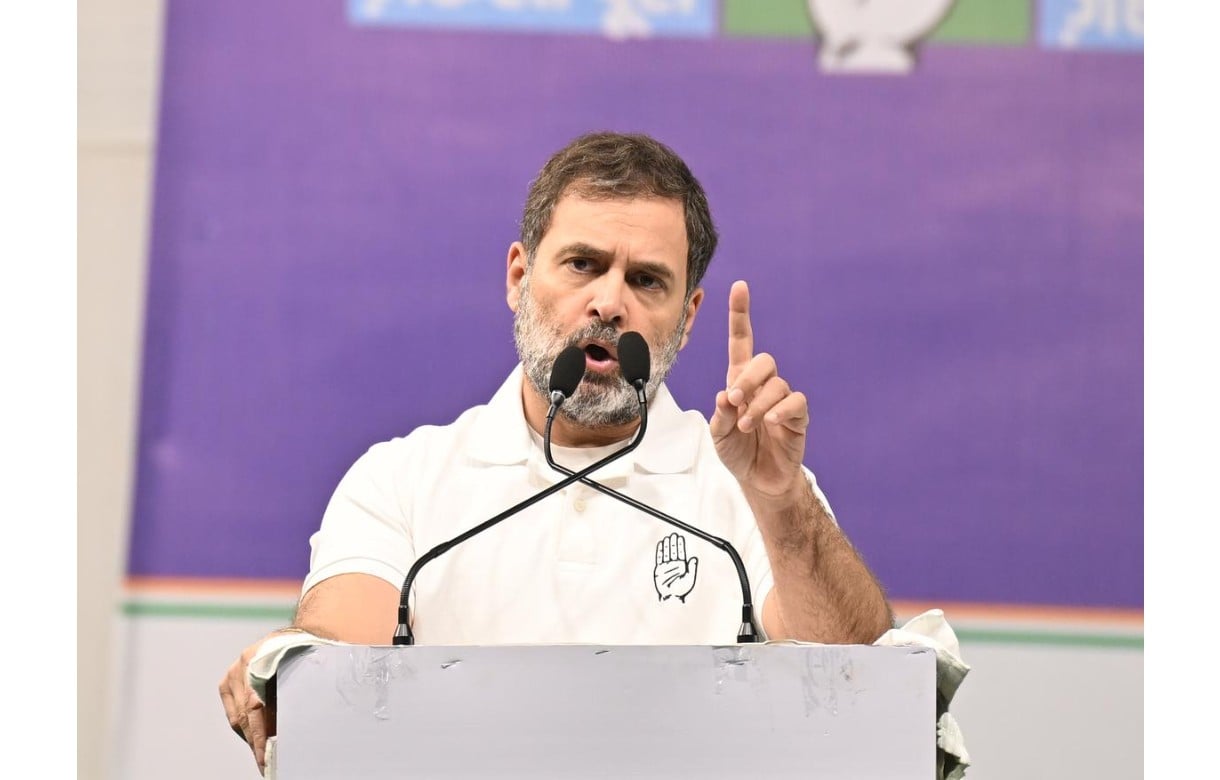
Congress leader and Leader of Opposition Rahul Gandhi triggered a political clash with the BJP after posting a picture from a rare meeting involving US President Donald Trump, Chinese President Xi Jinping and Russian President Vladimir Putin.

Reacting to the meeting, Mr Gandhi said that if the Congress were in power, India’s Prime Minister would have been sitting at the table with the three leaders. He added that a “compromised PM” could never sit at that table.

The post drew a strong response from the BJP, which accused Mr Gandhi of projecting a negative image of India and questioned the Congress’s record on foreign policy.

Rahul Gandhi’s ‘compromised PM’ remark

Sharing the photograph of the Trump-Xi-Putin trilateral meeting on X, Mr Gandhi wrote: “If Congress were in power, India’s Prime Minister would be sitting at this table. A compromised PM can never sit at this table.”

The remark came amid an ongoing political exchange between the Congress and BJP over India’s position in global geopolitics and its diplomatic engagement with major powers.

BJP hits back at Rahul Gandhi

BJP spokesperson Tuhin Sinha accused the earlier Congress governments of compromising India’s interests while responding to Mr Gandhi’s post.

Mr Sinha cited the Shimla Agreement and the release of Pakistani prisoners of war under the Indira Gandhi government. He also referred to the Sharm-el-Sheikh statement during the tenure of former Prime Minister Manmohan Singh while making his argument against the Congress.

“It seems Rahul Gandhi is paid to defame India,” Mr Sinha said, according to the report.

Another BJP spokesperson, RP Singh, accused Mr Gandhi of promoting what he described as a negative narrative about India. He said India currently has a strong position in the global order and highlighted Prime Minister Narendra Modi’s relations with leaders across countries.

BJP-Congress clash over India’s global role

The latest exchange follows Mr Gandhi’s recent criticism of India’s role in international affairs. Speaking at the University of Chicago in the US, he had described India as becoming a “side player” while Pakistan was negotiating with Iran and the United States.

Mr Gandhi argued that India had traditionally maintained an independent approach to international relations, combining partnerships with its own understanding of global developments.

The BJP had earlier criticised those remarks as well. BJP spokesperson Pradeep Bhandari accused Mr Gandhi of being overly focused on Pakistan and described him as a “Pak Fanboy”.

The latest controversy has therefore added another layer to the ongoing BJP-Congress political battle over India’s foreign policy and its standing in global affairs.

Continue Reading

India News

Kashmir free of India-born terrorists after 35 years, says Amit Shah

Amit Shah said Kashmir is now free of India-born terrorists after 35 years following the killing of Lashkar-e-Taiba terrorist Lateef Bhat.
Published

on

Amit Shah

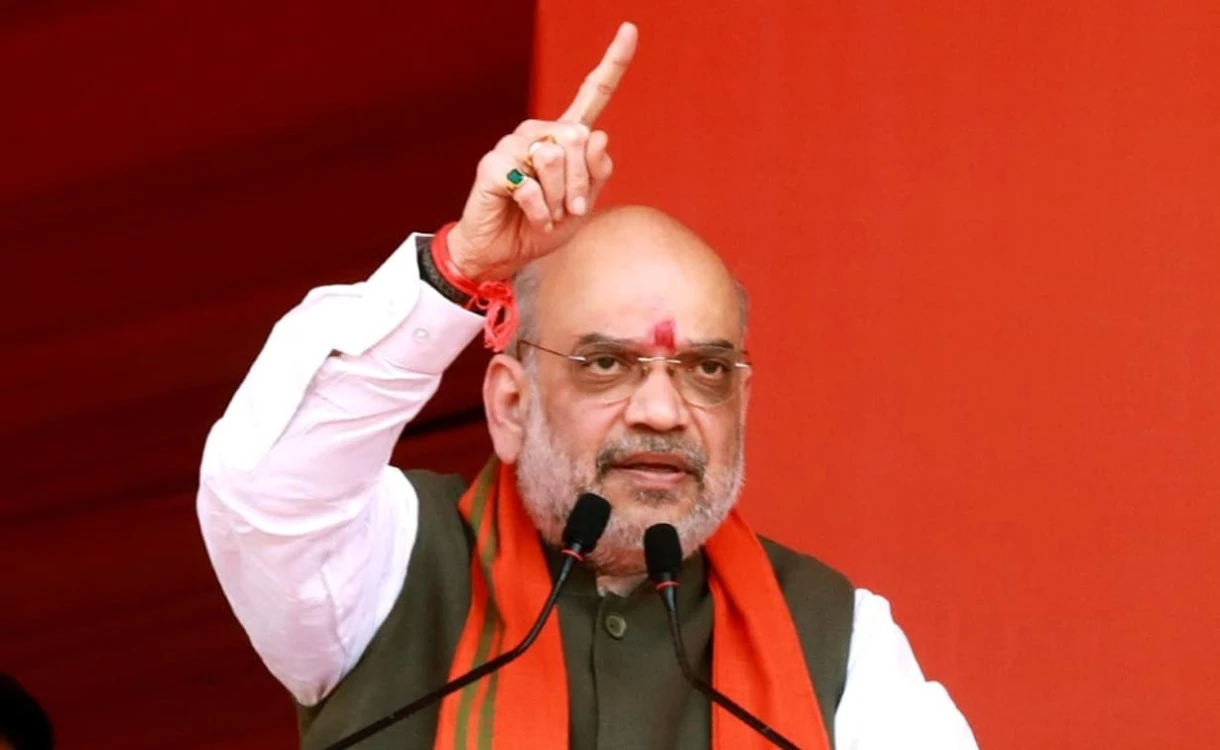
Union Home Minister Amit Shah said Kashmir has become free of India-born terrorists after 35 years, describing the development as a major milestone in the fight against terrorism.

Shah made the remarks while addressing the inaugural session of a two-day counter-terrorism conference organised by the National Investigation Agency in New Delhi. He credited Prime Minister Narendra Modi’s “zero-tolerance” policy towards terrorism for the results achieved on the ground.

What Amit Shah said on Kashmir

According to Shah, the killing of Lashkar-e-Taiba terrorist Lateef Bhat resulted in Kashmir becoming free from the presence of India-born terrorists.

“With the elimination of Lashkar terrorist Latif Bhat, the entire Kashmir has become free from the presence of India-born terrorists,” Shah said, adding that the situation had come about after 35 years.

Lateef Bhat was killed by security forces on Wednesday during an encounter in South Kashmir’s Kulgam district. As per the report he carried a reward of Rs. 15 lakh and was wanted in connection with a November 11 attack on a CRPF post that left three paramilitary personnel injured.

Shah calls for coordinated counter-terrorism action

The Home Minister said that merely targeting individual terrorists was not enough and stressed the need to investigate and dismantle the entire terrorist network.

He called for stronger coordination between the Centre and states and said police station-level intelligence should be transmitted through multiple levels to enable actionable intelligence at the level of the Director General of Police.

Shah also asked states to strengthen the cyber units of their Anti-Terrorism Squads and called for a proactive approach to counter-terrorism.

303 fugitives brought back since 2019

Shah said a special drive launched in 2019 to bring fugitives back to India has resulted in 303 fugitives being brought back from 36 countries.

He said such efforts were necessary to tackle terrorism, organised crime and drug-related offences, particularly by bringing back those who had taken shelter abroad.

Shah highlights PFI, Shahzad Bhatti network

The Home Minister also cited the dismantling of the Popular Front of India network as an example of coordinated action by police forces and central agencies. He said the operation involved forces from 11 states.

He further said the Shahzad Bhatti network had been designated a terrorist organisation under the Unlawful Activities (Prevention) Act. According to Shah, more than 40 of its modules had been dismantled, over 100 cases registered and more than 271 arrests made.

Shah said the fight against terrorism requires a shared objective, clear accountability and coordinated action against the entire network, including terror financing.

Continue Reading

Trending

© Copyright 2022 APNLIVE.com