
India News
Happy Birthday Prem Chopra: Most famous dialogues of Bollywood’s iconic villain
Some of his work is recognized in hit films like Bobby, Kati Patang, Do Anjaane, Prem Nagar, Raja Babu, Koi Mil Gaya, Ajnabee, Bunty Aur Babli. Not only this but many of his roles as a villain has impressed his fans.

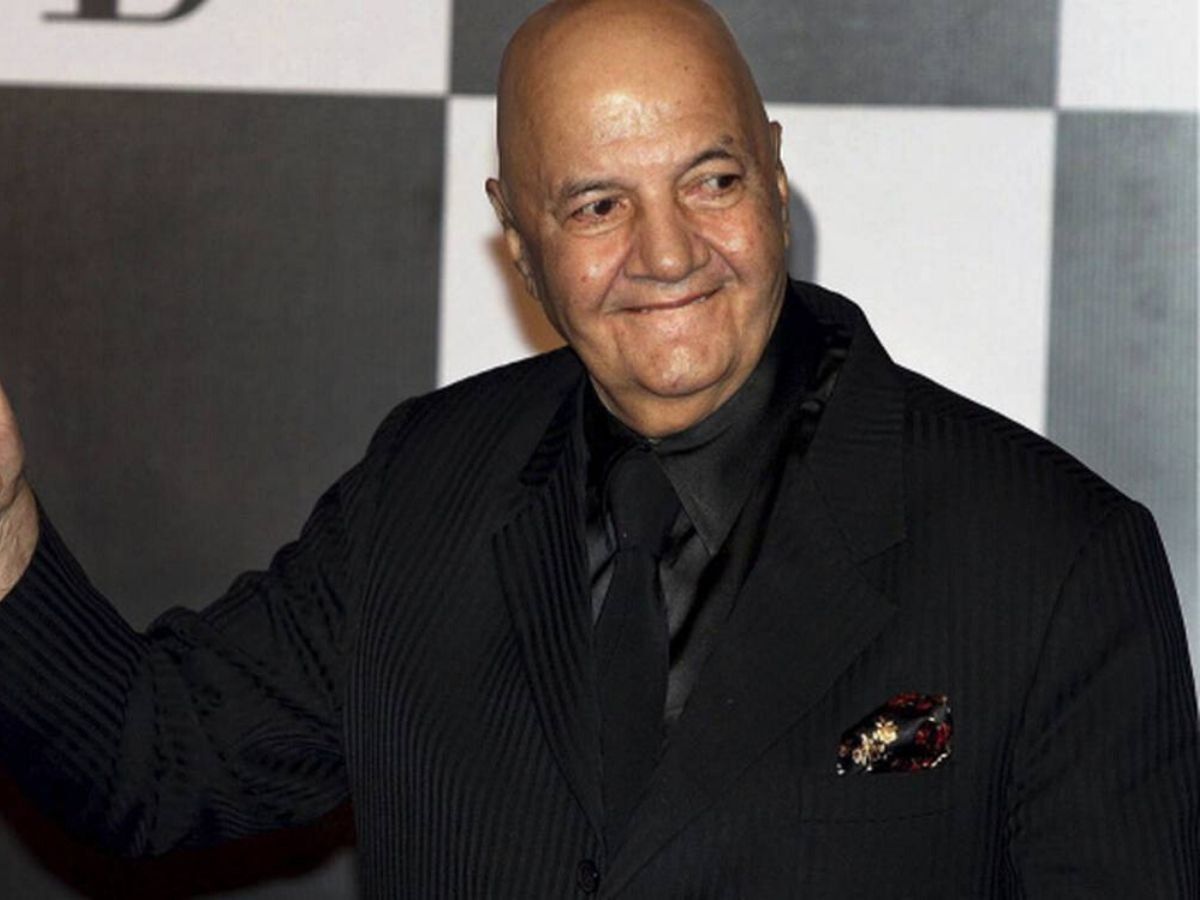
Veteran Bollywood actor Prem Chopra, one of the most iconic villains of Bollywood, is celebrating his 86th birthday on Thursday. Chopra has worked in several Hindi as well as Punjabi films. Chopra, who has been a part of more than 380 films has given 60 years of his life to the industry.
Some of his work is recognized in hit films like Bobby, Kati Patang, Do Anjaane, Prem Nagar, Raja Babu, Koi Mil Gaya, Ajnabee, Bunty Aur Babli. Not only this but many of his roles as a villain has impressed his fans.
As the legend turns 86 today, let’s celebrate his life and cinematic journey by remembering some of his iconic dialogues.
‘Prem Naam Hai Mera.. Prem Chopra’
This dialogue he had spoken in the film Bobby, which his fans remember till date. The name of his character in the film was also Prem Chopra. Bobby was released in 1973, produced and directed by Raj Kapoor, and written by Khwaja Ahmad Abbas. The film starred Rishi Kapoor, in his first leading role, opposite Dimple Kapadia in her debut role.
‘Jinke ghar sheeshe ke hote hain … woh batti bujhakar kapde badalte hain‘
This dialogue is also from the movie Souten. Souten is a 1983 film directed by Saawan Kumar Tak, starring Rajesh Khanna, Tina Munim, Padmini Kolhapure, Prem Chopra and Pran.
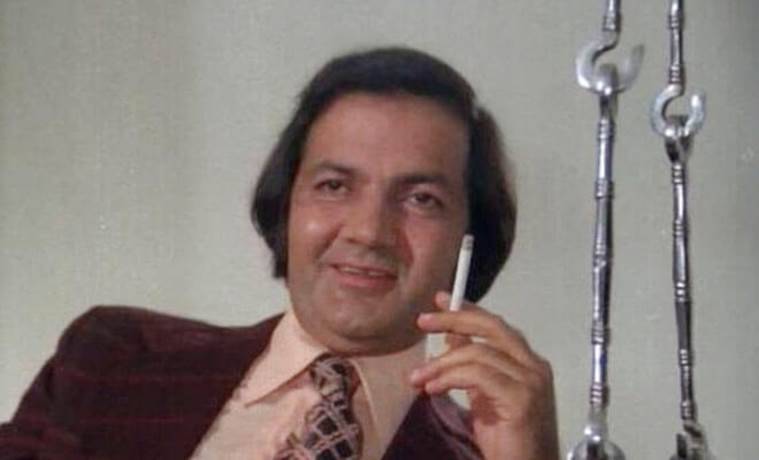
‘Kar Bhala Toh Ho Bhala’
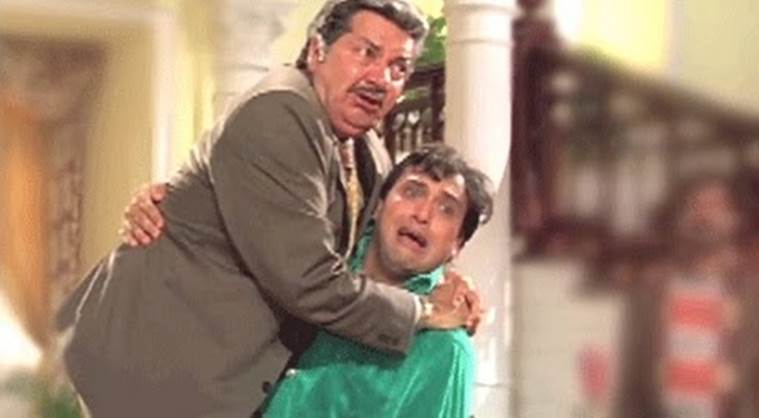
This wonderful dialogue was spoken by Prem Chopra in the movie Raja Babu. The 1994 movie featured actors like Govinda, Karisma Kapoor Aruna Irani and Kader Khan in key roles.
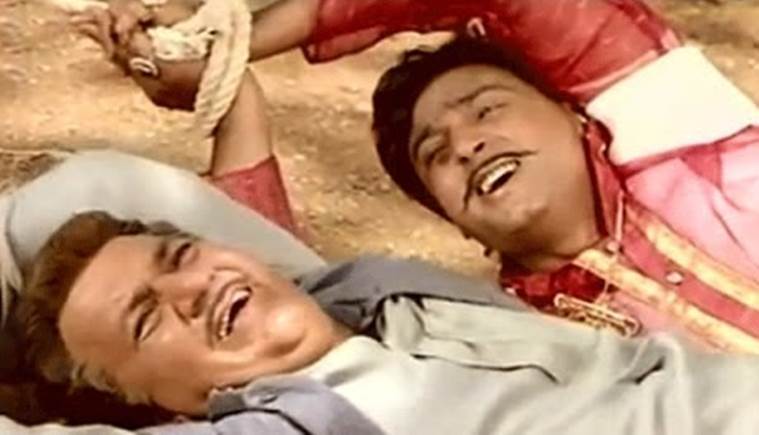
7. Log toh aasteen mein saanp paalte hai … lekin tum toh aasteen ke bichhoo nikle
Read Also: Main Bhi Barbaad song out: Hina Khan, Angad Bedi’s intense chemistry will keep you hooked | WATCH
This dialogue is from the 1998 movie Dulhe Raja. The film featured actors like Govinda, Raveena Tandon and Kader Khan. The comedy drama also featured Johny Lever and Asrani in comic roles.
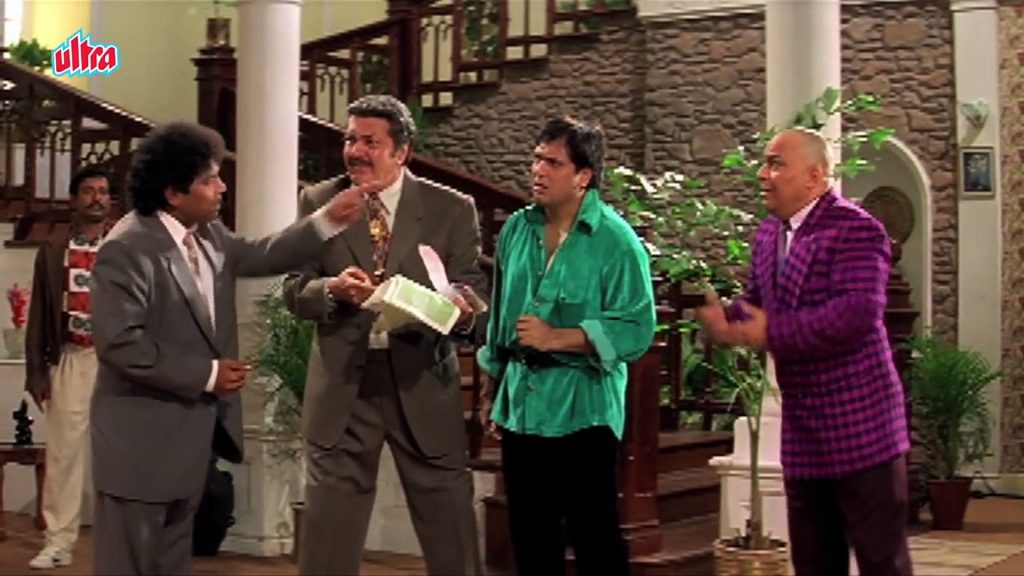
‘Nanga nahaayega kya, aur nichodega kya‘
This dialogue is also from the film Dulhe Raja.
In other India news, India’s flagship health programme, Ayushman Bharat – Pradhan Mantri Jan Arogya Yojana completed 3 years on Thursday.




India News
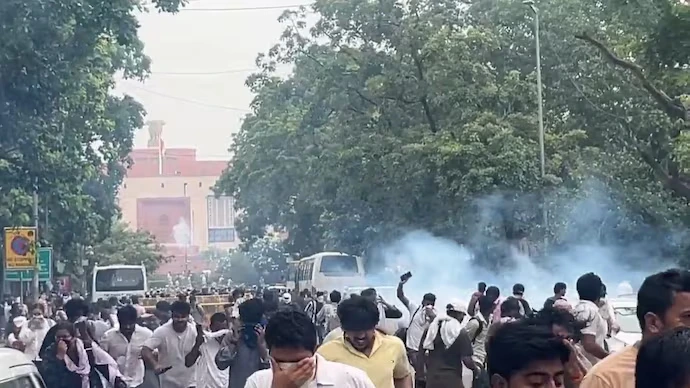
Delhi deploys 25,000 personnel, installs CCTV cameras ahead of CJP march
More than 25,000 police and paramilitary personnel have been deployed in Delhi ahead of the CJP’s planned protest march at Connaught Place. Authorities have also imposed restrictions and stepped up CCTV surveillance.

India News
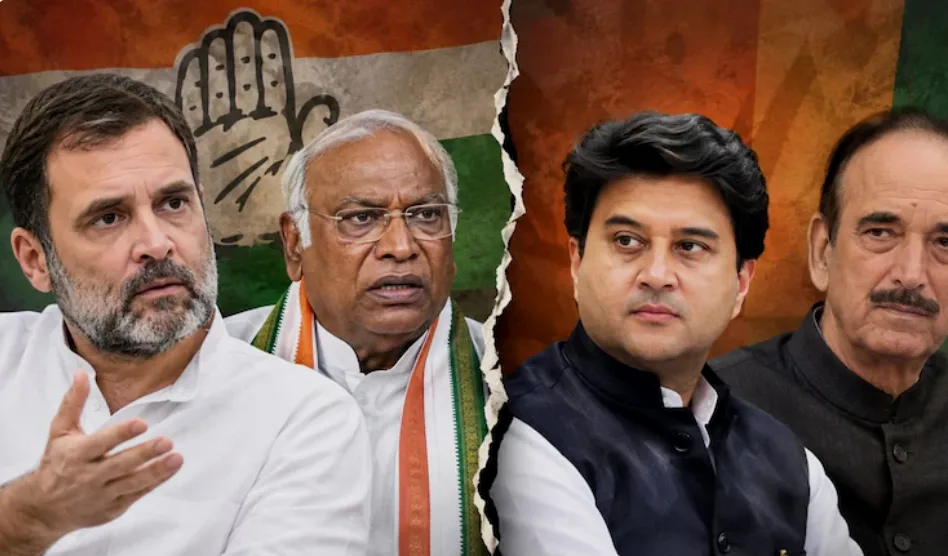
Mallikarjun Kharge’s ‘Your Friends’ jab at Rahul Gandhi over congress exits
Congress president Mallikarjun Kharge took a dig at Rahul Gandhi after the Leader of the Opposition reportedly described former party leaders Jyotiraditya Scindia and Ghulam Nabi Azad as among those who had left the Congress.
India News
Delhi Police offers 11-person limit for CJP’s Connaught Place protest
Delhi Police has offered to facilitate a group of 11 people at Central Park in Connaught Place for the Cockroach Janata Party’s October 16 protest, while warning that violations of prohibitory orders could invite legal action.


India-US trade deal first phase finalised, drafting underway

Election Commission orders voter roll revision in 17 states, UTs

Actor Imran Khan asked to leave India after CJP protest

Delhi Police offers 11-person limit for CJP’s Connaught Place protest

Mallikarjun Kharge’s ‘Your Friends’ jab at Rahul Gandhi over congress exits

Magnitude 7 earthquake strikes Russia’s Kamchatka Peninsula

Delhi deploys 25,000 personnel, installs CCTV cameras ahead of CJP march
Mallikarjun Kharge’s ‘Your Friends’ jab at Rahul Gandhi over congress exits
Delhi Police offers 11-person limit for CJP’s Connaught Place protest
Actor Imran Khan asked to leave India after CJP protest

Afghan Men Try To Hang With The Jet Engine Of The Aircraft in Kabul- Afghanistan News – Kabul News
Trending Top 10 News: 10000 Crore Fine on Flipkart, Apple to Launch Unique Feature, Hdfc Bank Job Ad

Trending Top 10 News: Nokia 6310, Apple sales, Bachpan ka Pyar Video Kid, Dainik Bhaskar IT Raid

Trending Top 10 News: Canada bans Indian flights, Rain in Delhi NCR, AIMIM Twitter hacked, Raj Kundra case

Trending Top 10 News: Shein India, Apple New Service, Pocket Oxygen, Oppo Launched New Phone
-
 India News22 hours ago
India-US trade deal first phase finalised, drafting underway
-
 India News20 hours ago
Election Commission orders voter roll revision in 17 states, UTs
-
 India News19 hours ago
Actor Imran Khan asked to leave India after CJP protest
-
 India News18 hours ago
Delhi Police offers 11-person limit for CJP’s Connaught Place protest
-
 India News7 hours ago
Mallikarjun Kharge’s ‘Your Friends’ jab at Rahul Gandhi over congress exits
-
 India News6 hours ago
Delhi deploys 25,000 personnel, installs CCTV cameras ahead of CJP march
-
 Latest world news6 hours ago
Magnitude 7 earthquake strikes Russia’s Kamchatka Peninsula
