
India News
Hijab: Protests in Kerala in support of Iranian women, but in Karnataka another story
On September 16, Mahsa Amini’s custodial killing by the Iran’s morality police in Tehran sparked massive protests across the country. Reports said Mahsa Amini was taken into custody for not following the government-ordered dress code which included wearing the hijab.


By Utkarsh Tripathi
Muslim women in Kerala on Monday burnt their hijabs in solidarity with the ongoing Iranian anti-hijab protests. At the seminar, which was organized by the Kerala Yuktivadi Sangam, women added to the anti-hijab dissent rocking in Iran and getting massive mileage in the Western media.
The seminar held in Kozhikode was titled Fanos-science and free-thinking. As a part of the seminar, Muslim women added to the discourse as they burnt the hijab, which, in Iran, imposed laws on women in the country.
Along with burning the hijab, the activists raised slogans and used placards to express their solidarity with Iranian women. Reports said the seminar was not only attended by Muslims but also by other communities.
Iran’s anti-hijab movement
On September 16, Mahsa Amini’s custodial killing by the Iran’s morality police in Tehran sparked massive protests across the country. Reports said Mahsa Amini was taken into custody for not following the government-ordered dress code which included wearing the hijab.
After Amini’s death, the anti-hijab protest spread throughout the country as Iranian women began to question the established dress code as well as the prioritisation of women’s choices. The hijab has been the cornerstone of women’s disaffection since the Islamic Revolution of 1979, which catapulted the Ayatollahs to power. This is the first outpouring of rage against what was taken to be a daily item of women’s clothing in Iran all this while since 1979.
Post-Amini’s death, women chopped off their hair, burnt the hijab, and even knocked off the turbans of Islam clerics in their battle against the repressive law.
India joining in on anti-hijab protest and the contradiction
In July 2021, Muslim girl students were refused entry to attend classes in a government junior college in Karnataka’s Udupi for wearing hijab. After reports of the incident came to light, it took over the headlines and triggered debates across the country on the topic which ranged from the validity of wearing a hijab in Islamic law to fundamental rights.
The Udupi college stood stern since it was a government order that had decreed so. The college students even approached the Karnataka High Court for some relief, as well as, many petitions were filed for the same in January this year. The High Court ruled against wearing the hijab in educational institutions. The appeal to the Supreme Court ended in a split verdict, with two judges giving contrary orders.
Two opposing protests but still a woman’s right
Returning to wearing the hijab in Karnataka’s educational institutions, a student petitioner told media that her reasons for wearing the hijab is her independent and individual choice. Whereas, another person who shared the same sentiments on a woman’s choice was actor Elnaz Norouzi, who is from Iran but is in India currently. Norouzi said it was a woman’s choice to wear the hijab or not to as well.










India News
Delhi Police offers 11-person limit for CJP’s Connaught Place protest
Delhi Police has offered to facilitate a group of 11 people at Central Park in Connaught Place for the Cockroach Janata Party’s October 16 protest, while warning that violations of prohibitory orders could invite legal action.


India News
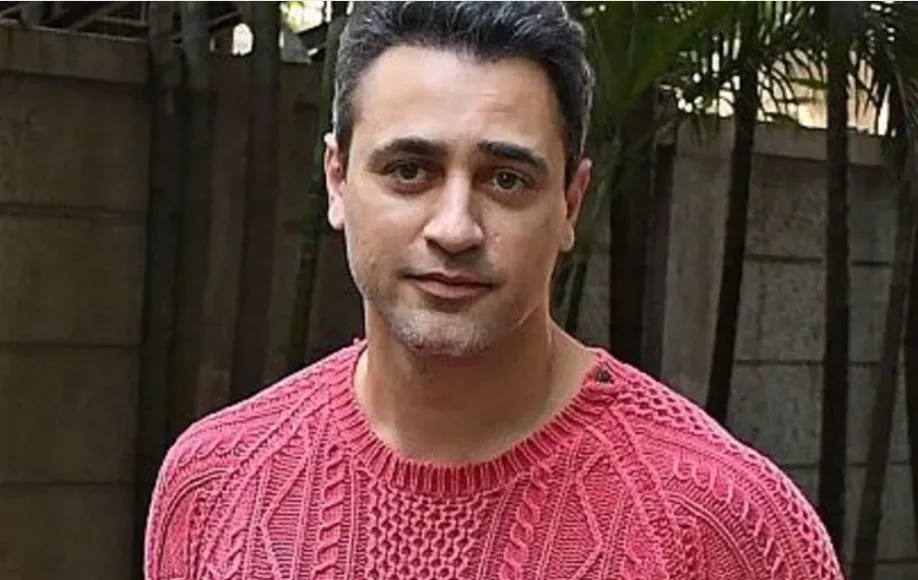
Actor Imran Khan asked to leave India after CJP protest
Actor Imran Khan has been asked to leave India by October 28, days after participating in a protest called by the Cockroach Janta Party (CJP) in Mumbai.
India News
Election Commission orders voter roll revision in 17 states, UTs
The Election Commission has ordered a Special Summary Revision of electoral rolls in 17 states and Union Territories. Draft rolls are scheduled for November 12, with final rolls due on January 4, 2027.


Dhruv Rathee gets fresh summons in 2018 BJP IT cell video case

Nobody can browbeat judiciary, Chief Justice warns over Rahul Gandhi’s march

India-US trade deal first phase finalised, drafting underway

Election Commission orders voter roll revision in 17 states, UTs

Actor Imran Khan asked to leave India after CJP protest

Delhi Police offers 11-person limit for CJP’s Connaught Place protest
Actor Imran Khan asked to leave India after CJP protest
Election Commission orders voter roll revision in 17 states, UTs
India-US trade deal first phase finalised, drafting underway
Nobody can browbeat judiciary, Chief Justice warns over Rahul Gandhi’s march

Afghan Men Try To Hang With The Jet Engine Of The Aircraft in Kabul- Afghanistan News – Kabul News
Trending Top 10 News: 10000 Crore Fine on Flipkart, Apple to Launch Unique Feature, Hdfc Bank Job Ad

Trending Top 10 News: Nokia 6310, Apple sales, Bachpan ka Pyar Video Kid, Dainik Bhaskar IT Raid

Trending Top 10 News: Canada bans Indian flights, Rain in Delhi NCR, AIMIM Twitter hacked, Raj Kundra case

Trending Top 10 News: Shein India, Apple New Service, Pocket Oxygen, Oppo Launched New Phone
-
 India News16 hours ago
Dhruv Rathee gets fresh summons in 2018 BJP IT cell video case
-
 India News13 hours ago
Nobody can browbeat judiciary, Chief Justice warns over Rahul Gandhi’s march
-
 India News8 hours ago
India-US trade deal first phase finalised, drafting underway
-
 India News6 hours ago
Election Commission orders voter roll revision in 17 states, UTs
-
 India News5 hours ago
Actor Imran Khan asked to leave India after CJP protest
-
 India News4 hours ago
Delhi Police offers 11-person limit for CJP’s Connaught Place protest
