
India News
Independence Day 2024: Mallikarjun Kharge, J P Nadda, others hoist national flag as India celebrate freedom
He said, “unity in diversity is our strength, not our weakness.”

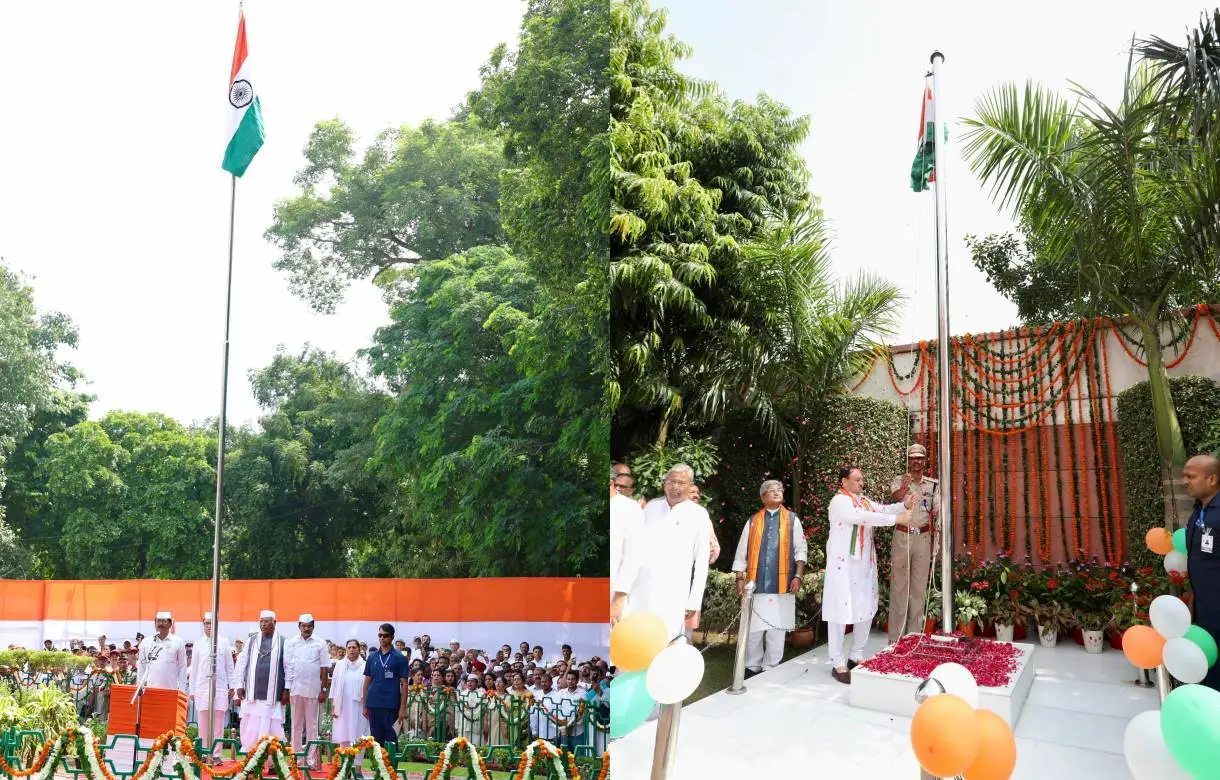
On the 78th Independence Day, Congress chief Mallikarjun Kharge, BJP president J P Nadda, and other political leaders across the country hoisted the national flag as India celebrated its Independence Day on Thursday.
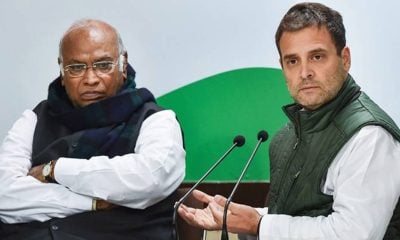
Congress president Kharge hoisted the flag at AICC Headquarters in the presence of senior leaders of the party including CPP Chairperson Sonia Gandhi and Leader of Opposition in the Lok Sabha Rahul Gandhi.
Sharing a video of him unfurling the national flag on X, Kharge said in Hindi, “We salute all the heroes of the freedom movement.” Countless national heroes like Mahatma Gandhi, Pandit Jawaharlal Nehru, Sardar Vallabhbhai Patel, Netaji Subhash Chandra Bose, Maulana Azad, Rajendra Prasad, Sarojini Naidu, and Babasaheb Ambedkar played a historic role in the creation of the new India, he said.
“Our tricolour fluttering proudly reminds us of the sacrifices of countless warriors and patriots who went to the gallows smilingly or fell prey to the bullets of British soldiers”, he further said. People from all castes, religions, sects, and regions took part in the freedom struggle, Kharge said. People of all states, languages, and regions together build a strong nation, adding that “unity in diversity is our strength, not our weakness.”
The BJP chief, after hoisting the national flag at the party headquarters in New Delhi, extended his heartfelt congratulations and best wishes to all the countrymen and millions of workers of the Bharatiya Janata Party. He saluted the immortal freedom fighters and brave soldiers who sacrificed themselves in the struggle for the independence of the country.
“Today, our country, the mother of democracy, is celebrating its 78th Independence Day, it is a matter of great fortune and pride for all of us. Today, under the leadership of the respected Prime Minister Narendra Modi the country is rapidly moving on the path of progress, prestige, and public welfare. Come, let us together take a pledge that in this Amritkaal, we will make our nation a strong, prosperous, and self-reliant Developed India.”
On the occasion, Lok Sabha Speaker Om Birla hoisted the Tiranga at his residence in Delhi.
In a post on X, he said: “Felt a sense of pride by participating in the national function organised at Red Fort on the auspicious occasion of Independence Day. The life ideals of those great men who sacrificed everything for our freedom will always guide us.”
Tiranga was hoisted at the residence of veteran BJP leader LK Advani in Delhi, on the occasion.
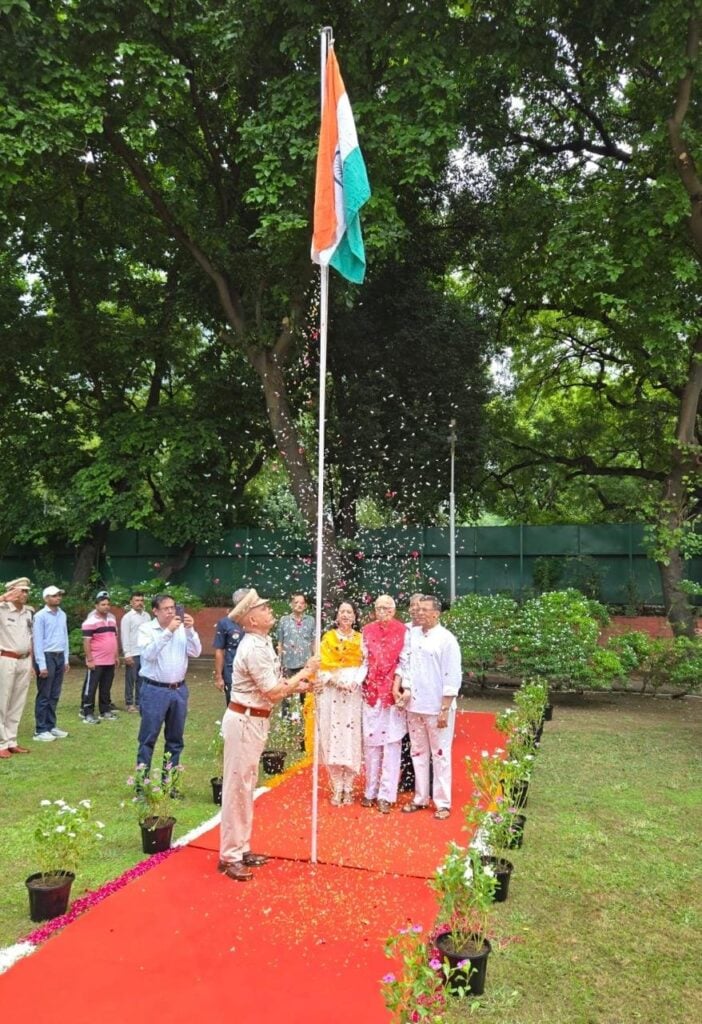
Uttar Pradesh Chief Minister Yogi Adityanath also hoisted the flag at the CM’s residence on the occasion of Independence Day.
Extending his wishes, he said Independence Day provides an opportunity to connect with the resolve of the great freedom fighters. A great salute to all those known and unknown great sons of Mother India, who provided leadership to the freedom movement in different fields and made the supreme sacrifice, UP CM said.
“If all of us rise above personal interests and connect with our civic duties with the feeling of ‘Nation First’, then no power in the world will be able to stand in the way of India. Humble tribute to the immortal brave revolutionaries”, he said in a post on X.
Rajasthan Chief Minister Bhajanlal Sharma hoists the national flag at the CM’s Residence on the occasion of Independence Day.
Maharashtra Chief Minister Eknath Shinde hoists the national flag on the occassion of Independence Day. He said, “I congratulate all Indians living in India and abroad and also pay tributes to all those who made our freedom a reality.”
On Independence Day, Uttarakhand Chief Minister Pushkar Singh Dhami said, “I extend my greetings to everyone on this day. I pay tributes to the freedom fighters and security forces due to whom we attained freedom. Today, we should resolve to make India a developed nation.”
Madhya Pradesh Chief Minister Mohan Yadav, on the occasion, said, “We will all strive to have a Viksit Madhya Pradesh and a Viksit Bharat. This moment has been possible only after countless sacrifices during the freedom struggle.”
Assam Chief Minister Himanta Biswa Sarma, after hoisting the national flag on the occasion of Independence Day, said, “We marked Independence Day with great fervour and a sense of gratitude to those great women and men who sacrificed their own lives so that we breathe the air of freedom.”
Bihar Chief Minister Nitish Kumar hoisted the national flag on the occasion.
RJD Chief Lalu Prasad Yadav congratulated everyone on the occasion of Independence Day. “We are determined to ensure we always remain independent”, he said.
RJD leader Tejashwi Yadav said, “We remember all those who sacrificed their lives for the freedom of the motherland. We all want our country to progress.”
AIMIM President & Member of Parliament, Asaduddin Owaisi hoisted Tricolour in Hyderabad on Independence Day.
Chhattisgarh CM Vishnu Deo Sai addressed the public during 78th Independence Day celebrations in Raipur and said: “Looking at climate change, it is our duty to contribute to protect and conserve nature. In this direction, I urge everyone to plant saplings.”
West Bengal CM Mamata Banerjee also hoisted Tricolour on 78th Independence Day, in Kolkata.
Meanwhile, Delhi Minister Atishi said in a post on X, “No one would have even imagined in their dreams that one day, in independent India, an elected Chief Minister would be framed in a false case and kept in jail for months. Let us pledge on this Independence Day that we will continue to fight against dictatorship till our last breath.”





India News
Delhi deploys 25,000 personnel, installs CCTV cameras ahead of CJP march
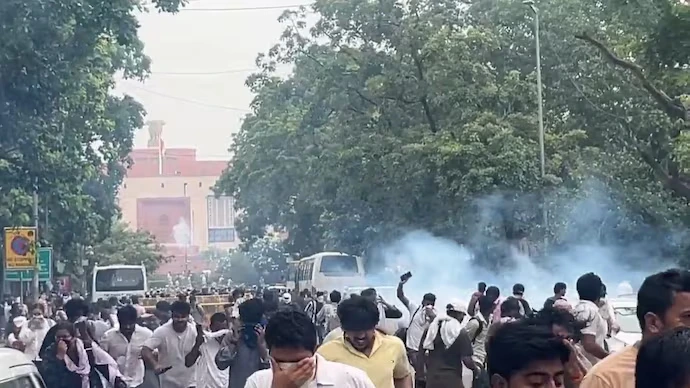
More than 25,000 police and paramilitary personnel have been deployed in Delhi ahead of the CJP’s planned protest march at Connaught Place. Authorities have also imposed restrictions and stepped up CCTV surveillance.

India News
Mallikarjun Kharge’s ‘Your Friends’ jab at Rahul Gandhi over congress exits
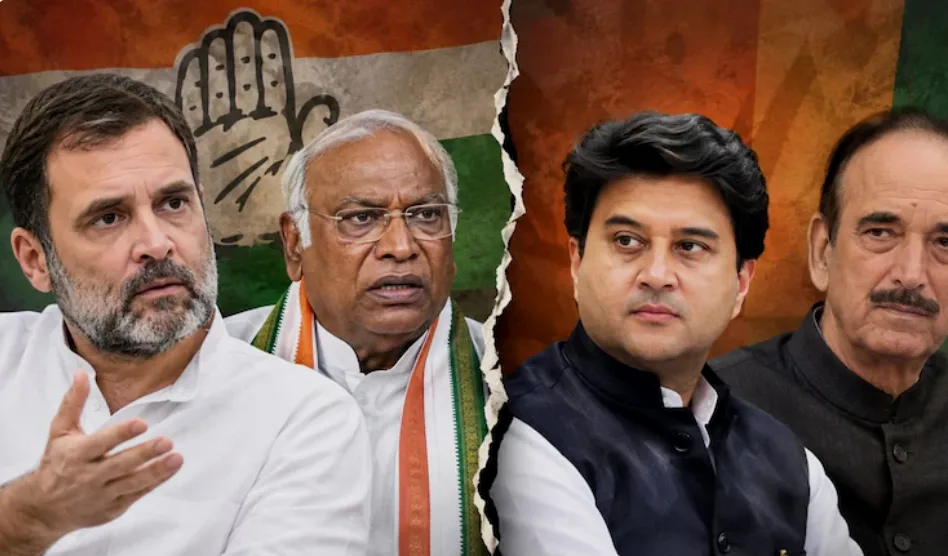
Congress president Mallikarjun Kharge took a dig at Rahul Gandhi after the Leader of the Opposition reportedly described former party leaders Jyotiraditya Scindia and Ghulam Nabi Azad as among those who had left the Congress.
India News
Delhi Police offers 11-person limit for CJP’s Connaught Place protest
Delhi Police has offered to facilitate a group of 11 people at Central Park in Connaught Place for the Cockroach Janata Party’s October 16 protest, while warning that violations of prohibitory orders could invite legal action.

India-US trade deal first phase finalised, drafting underway

Election Commission orders voter roll revision in 17 states, UTs

Actor Imran Khan asked to leave India after CJP protest

Delhi Police offers 11-person limit for CJP’s Connaught Place protest

Mallikarjun Kharge’s ‘Your Friends’ jab at Rahul Gandhi over congress exits

Magnitude 7 earthquake strikes Russia’s Kamchatka Peninsula

Delhi deploys 25,000 personnel, installs CCTV cameras ahead of CJP march
Mallikarjun Kharge’s ‘Your Friends’ jab at Rahul Gandhi over congress exits
Delhi Police offers 11-person limit for CJP’s Connaught Place protest
Actor Imran Khan asked to leave India after CJP protest

Afghan Men Try To Hang With The Jet Engine Of The Aircraft in Kabul- Afghanistan News – Kabul News
Trending Top 10 News: 10000 Crore Fine on Flipkart, Apple to Launch Unique Feature, Hdfc Bank Job Ad

Trending Top 10 News: Nokia 6310, Apple sales, Bachpan ka Pyar Video Kid, Dainik Bhaskar IT Raid

Trending Top 10 News: Canada bans Indian flights, Rain in Delhi NCR, AIMIM Twitter hacked, Raj Kundra case

Trending Top 10 News: Shein India, Apple New Service, Pocket Oxygen, Oppo Launched New Phone
-
 India News22 hours ago
India-US trade deal first phase finalised, drafting underway
-
 India News19 hours ago
Election Commission orders voter roll revision in 17 states, UTs
-
 India News19 hours ago
Actor Imran Khan asked to leave India after CJP protest
-
 India News18 hours ago
Delhi Police offers 11-person limit for CJP’s Connaught Place protest
-
 India News6 hours ago
Mallikarjun Kharge’s ‘Your Friends’ jab at Rahul Gandhi over congress exits
-
 India News6 hours ago
Delhi deploys 25,000 personnel, installs CCTV cameras ahead of CJP march
-
 Latest world news6 hours ago
Magnitude 7 earthquake strikes Russia’s Kamchatka Peninsula
