English हिन्दी
Connect with us

India News

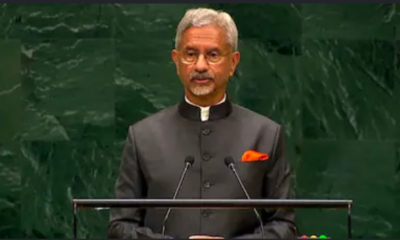
S Jaishankar warns of major food crisis, urges policymakers to look beyond borders

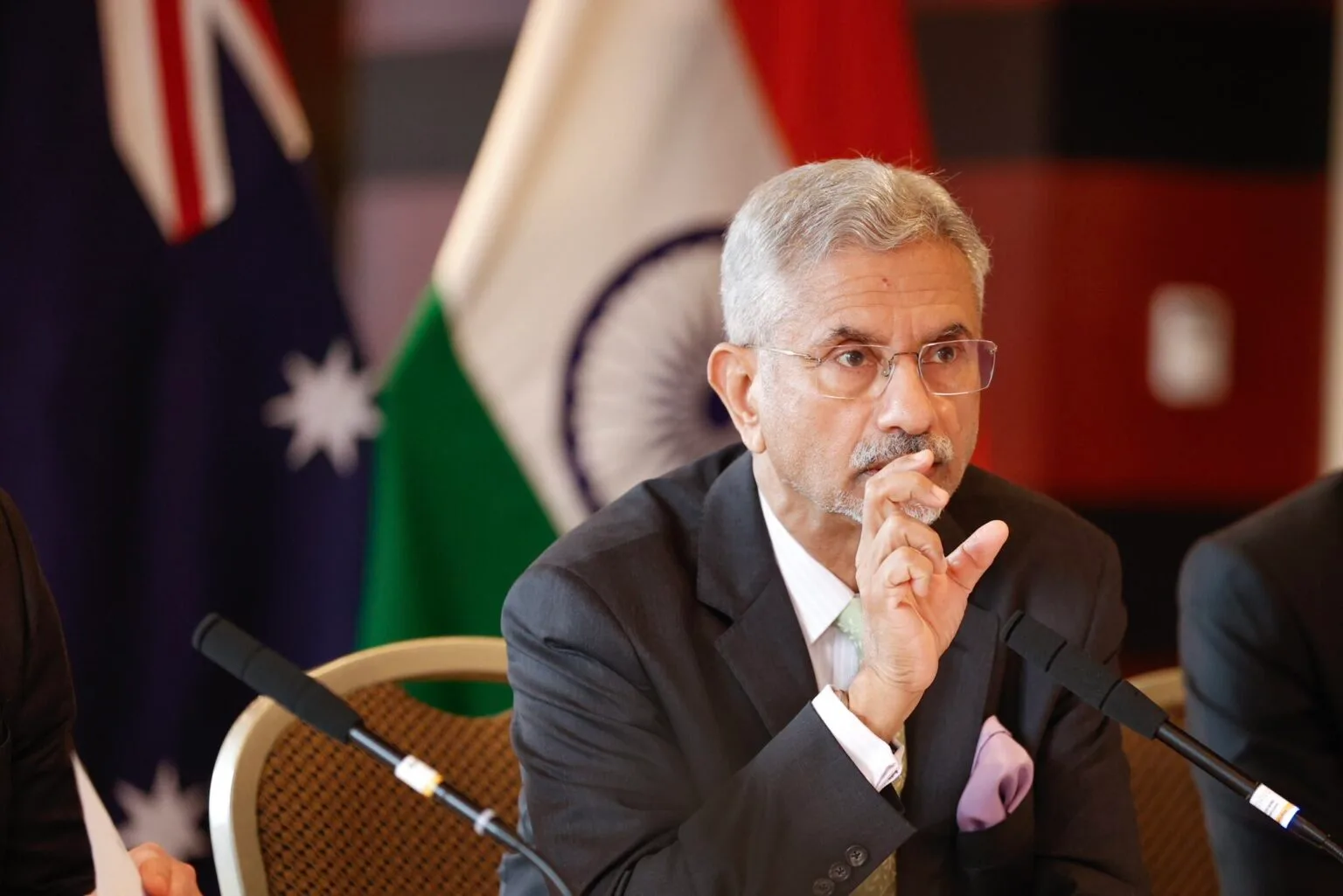
External Affairs Minister S Jaishankar has warned that disruptions to grain shipments and fertiliser supplies could contribute to a major food crisis in the coming months. He also highlighted interconnected pressures on food, fuel, fertiliser and finance.

Published

on

External Affairs Minister S Jaishankar has warned that the world could face a major food crisis in the coming months amid disruptions to grain shipments and fertiliser supplies.

Speaking at an event organised by the Asia Society in New York, Jaishankar linked the food security concerns to wider global pressures involving energy, fertilisers and finance. He described these interconnected challenges as part of what he has called the “4F crisis” — food, fuel, fertiliser and finance.

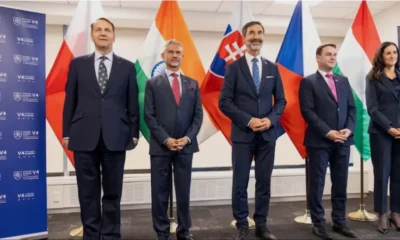
Jaishankar’s remarks came at the end of the UN High-Level Week in New York, where he also discussed global conflicts, supply-chain vulnerabilities, development challenges and the changing nature of international relations.

Jaishankar’s food crisis warning

Jaishankar said disruptions affecting grain exports could put additional pressure on food supplies. He also pointed to fertiliser shortages and the difficulties faced by major suppliers.

He specifically highlighted the importance of grain shipments through the Black Sea region and warned that difficulties in moving supplies could have wider consequences for food security. He said the situation could contribute to a major food crisis in the coming months.

The minister also referred to the possibility of additional pressure from weather conditions, including a strong El Niño, according to reports on his remarks.

What is the 4F crisis?

The “4F crisis” refers to pressures involving food, fuel, fertiliser and finance.
Jaishankar said a large part of the world is dealing with these interconnected challenges. He also pointed to growing vulnerabilities in global supply chains and said progress towards the Sustainable Development Goals was falling behind.

The four areas are closely connected. Disruptions to energy supplies can affect production and transportation, while fertiliser shortages can add pressure to agricultural output. At the same time, geopolitical conflicts can affect the movement of capital and increase financial pressure on developing economies.

Global conflicts adding pressure

Jaishankar linked the wider situation to ongoing conflicts and geopolitical tensions. He said the consequences of major conflicts are no longer confined to the countries directly involved.

He also highlighted concerns over the situation in West Asia and conflicts in Africa, including Sudan. According to Jaishankar, these developments are contributing to an increasingly difficult global environment.

The minister further said conflicts can push capital towards perceived safer markets, creating additional financial pressure on developing countries.

Jaishankar’s message to policymakers

Jaishankar urged governments to consider how their policy decisions affect countries beyond their own borders.

He argued that policymakers should not look only at domestic interests when decisions can have wider international consequences. He said countries should not become so focused on their own interests that they ignore the effects of their decisions elsewhere.

His remarks placed particular emphasis on the difficulties faced by developing countries, which can have less room to absorb simultaneous shocks involving food, energy, fertilisers and finance.

‘Interdependence is the reality’

Jaishankar also spoke about the tension between economic interdependence and geopolitical competition.

“The interdependence is the reality, the competition is the sentiment,” he said while describing what he called a central paradox of the current global environment. He argued that countries remain deeply connected but can increasingly use those connections as sources of leverage.

He also described diplomacy as an “extreme sport”, pointing to the growing risks associated with economic relationships, supply chains and geopolitical competition.

What did Jaishankar say about the global outlook?

Jaishankar described the international environment as increasingly difficult, citing conflicts, economic pressures, supply-chain vulnerabilities and uncertainty surrounding technology.

At the same time, he said he was not pessimistic about the world and noted that countries still have an interest in establishing stable and reliable arrangements.

India News

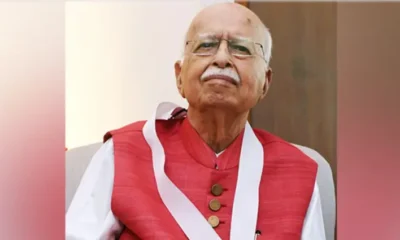
L.K. Advani turns 99, PM Modi highlights his 2 defining qualities

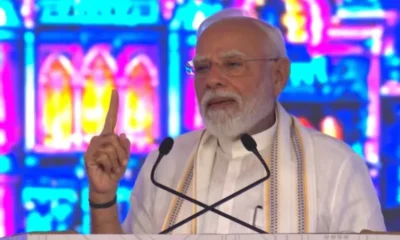
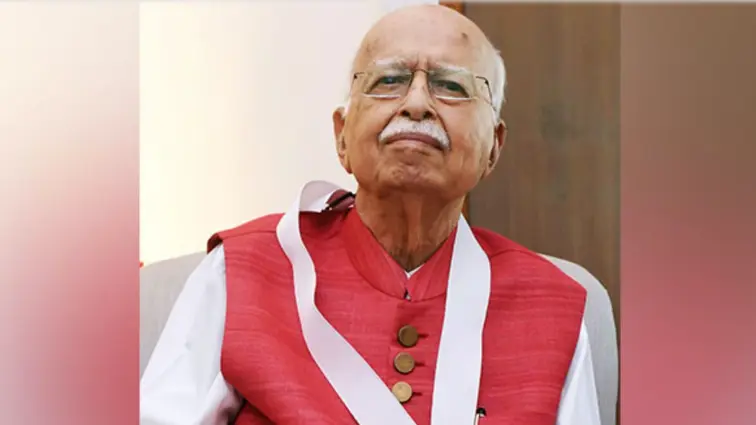
On L.K. Advani’s 99th birthday, PM Narendra Modi highlighted two qualities he said set the BJP veteran apart — ideological clarity and intellectual sharpness.
Published

on

Prime Minister Narendra Modi on Sunday recalled the long political journey of veteran BJP leader and former Deputy Prime Minister L.K. Advani as he turned 99.

Advani, born on November 8, 1927, in Karachi, entered the 100th year of his life on Sunday. In a tribute, Mr Modi highlighted Advani’s contribution to the growth of the Bharatiya Janata Party and described two qualities that, according to him, set the veteran leader apart.

What are Advani’s 2 defining qualities?

According to PM Modi, the first defining quality was ideological clarity and intellectual sharpness.

He said this was reflected in Advani’s speeches, writings and interviews. Modi also noted that the resolutions Advani authored for the Jana Sangh and the BJP remained relevant for study.

The second quality highlighted by the Prime Minister was Advani’s manner of challenging what Modi described as “pseudo-secularism” promoted by a section of the Indian political class over the years.

Modi recalls Advani’s role in BJP’s growth

Modi said Advani played an important role in strengthening the Jana Sangh and subsequently building the BJP.

He recalled that during Advani’s terms as BJP president, the party emerged as the single-largest party in Parliament for the first time in 1996. Modi also credited Advani with nurturing successive generations of party workers and giving the BJP a foundation based on the principle of “Nation First”.

The Prime Minister also recalled the partnership between Advani and former Prime Minister Atal Bihari Vajpayee. He said the two leaders worked together for decades without becoming competitors and together influenced the course of Indian politics.

Advani’s journey from Rajasthan to national politics

Modi recalled Advani’s early work as an RSS pracharak in Rajasthan before he moved to Delhi and became involved in the Jana Sangh.

Advani became chairman of the Delhi Metropolitan Council in 1967, while his parliamentary career began in 1970. He later served as Leader of the Opposition and held key positions in the Union government.

Modi also remembered his association with Advani during the 1991 Lok Sabha election campaign. He said he helped prepare Advani’s papers and assisted him during the campaign when the BJP leader contested from Gandhinagar among two seats.

Modi recalls Emergency, Rath Yatra and Advani’s public life

The Prime Minister described the Emergency as a significant phase in Advani’s life and recalled his experiences during that period.

He also highlighted Advani’s role in the Somnath-to-Ayodhya Rath Yatra and said he had been involved in the initiative from its planning stage through its execution. Modi recalled Advani’s arrest in Bihar during the Yatra and the subsequent political developments in Gujarat.

Beyond politics, Modi described Advani as an avid reader with an interest in cinema, theatre and history. He also recalled Advani’s efforts to remain connected with Sindhi culture and his association with the Sindhu Darshan Puja near Leh.

Advani was awarded Bharat Ratna in 2024

Modi also referred to Advani receiving the Bharat Ratna in 2024, recognising his decades of public service.

Advani, who served as Deputy Prime Minister and Home Minister, has been one of the BJP’s most prominent leaders and played a significant role in the party’s political journey.

Concluding his birthday tribute, Modi wished Advani good health as he entered his 100th year.

Continue Reading

India News

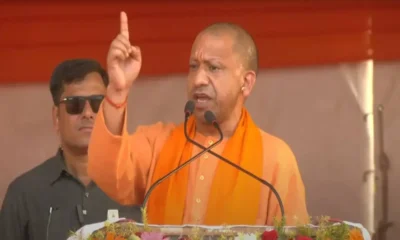
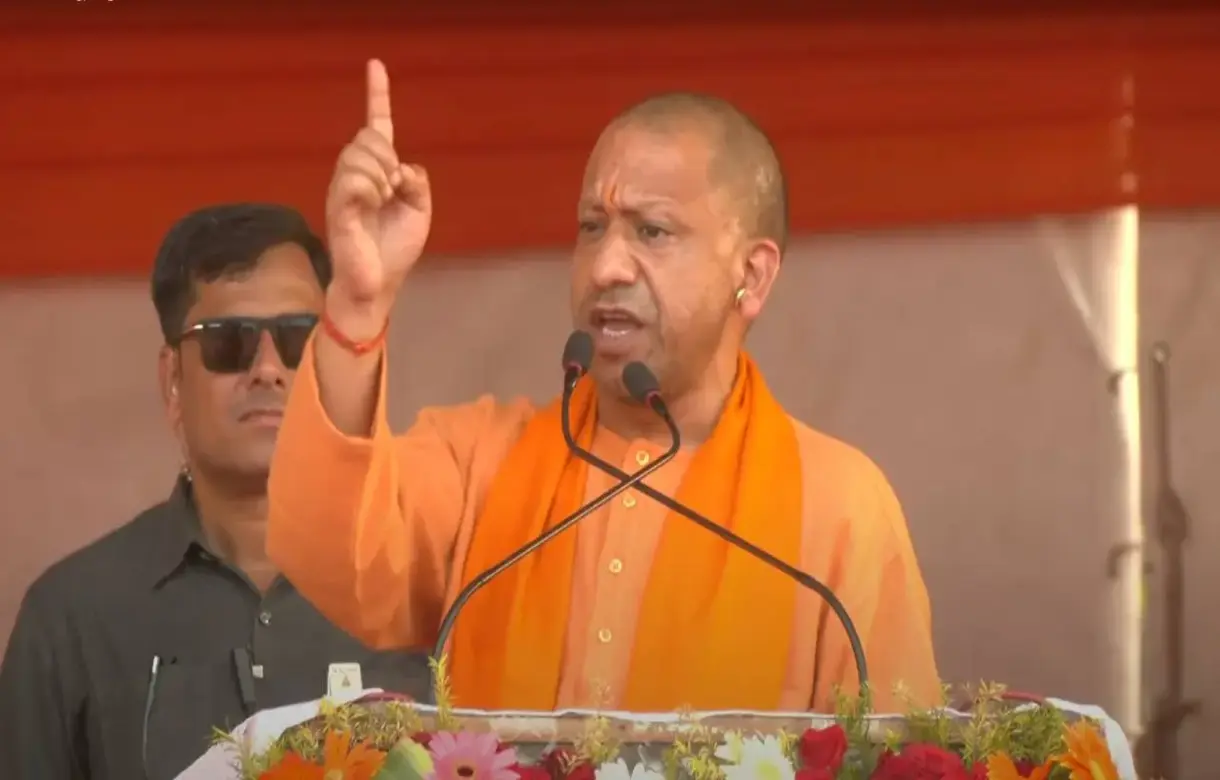
Yogi Adityanath takes a dig at Akhilesh Yadav over Ram Temple visit plan

Yogi Adityanath’s remarks came after the Samajwadi Party announced that Akhilesh Yadav would visit the Ram Temple in Ayodhya on December 12.
Published

on

Yogi Adityanath

Uttar Pradesh Chief Minister Yogi Adityanath on Saturday took an apparent swipe at Samajwadi Party chief Akhilesh Yadav over his planned visit to the Ram Temple in Ayodhya, saying those who had fired on Ram devotees should first apologise to them and to the saints.

Yogi made the remarks while addressing the 10th edition of Deepotsav in Ayodhya. He did not name Akhilesh Yadav directly.

Yogi’s remarks come after Akhilesh’s Ayodhya visit plan

The chief minister’s comments came after the Samajwadi Party announced that Akhilesh Yadav would visit the Ram Temple in Ayodhya on December 12. It would be his first visit to the temple since its inauguration, according to the report.

Yogi said those who had earlier neglected and insulted Ayodhya, opened fire on Ram devotees and subjected saints to lathicharge should come to the city only after seeking forgiveness.

“Let them apologise to the devotees of Lord Ram; let them apologise to the saints,” Yogi said, adding that they should repent for their past actions.

Reference to 1990 firing on kar sevaks

Yogi’s remarks referred to the 1990 police firing on kar sevaks during the Ram Janmabhoomi movement. At the time, the Uttar Pradesh government was headed by Mulayam Singh Yadav, Akhilesh Yadav’s father.

The chief minister said those who had once “bloodied” Ayodhya were now remembering the city. He also criticised political leaders over their conduct at religious gatherings, referring to the decorum of a katha.

Akhilesh has not yet visited the Ram Temple

Akhilesh Yadav has visited Ayodhya earlier but has not so far visited the Ram Temple. The SP leader was in the city on October 8 to attend a Bhagwat Katha organised by party leader Pawan Pandey.

According to the report, Akhilesh and his wife, Mainpuri MP Dimple Yadav, are scheduled to offer prayers at the Ram Temple and Hanumangarhi on December 12.

The planned visit comes amid political activity in Ayodhya ahead of the Uttar Pradesh Assembly elections due by February 2027.

Yogi highlights Ayodhya’s transformation

During his Deepotsav address, Yogi also spoke about the changes in Ayodhya and described the city’s transformation as an ideological victory.

He said those who had previously neglected Ayodhya were now witnessing its development. He also said Lord Ram represented India’s national consciousness, culture, values and self-respect.

The chief minister further recalled the Ram Janmabhoomi movement and said Ayodhya had regained the glory for which kar sevaks and saints had struggled.

Continue Reading

India News

Ahead of Diwali, Yogi govt hikes DA by 5% for UP government staff

The Uttar Pradesh government has increased Dearness Allowance by 5 percentage points, taking it from 58% to 63%. The revised rate will benefit lakhs of eligible employees ahead of Diwali.

Published

on

Yogi Adityanath

The Uttar Pradesh government has announced a 5 per cent increase in Dearness Allowance (DA) for state government employees ahead of Diwali. With this revision, the DA rate has increased from 58 per cent to 63 per cent, providing financial relief to lakhs of eligible employees across the state.

The revised allowance will be effective from July 1, 2026, according to the government announcement. A government order was also issued on Saturday, November 7.

The enhanced DA will be paid along with employees’ regular November 2026 salaries.

Which employees will benefit from the DA hike?

The decision covers regular state government employees and several other categories of eligible staff.

These include employees of aided educational and technical institutions, regular and full-time employees of urban local bodies, work-charged employees and personnel drawing salaries under University Grants Commission (UGC) pay scales.

The revision is expected to benefit a large section of the Uttar Pradesh workforce ahead of the festive season.

What happens to the DA arrears?

The revised DA rate will apply retrospectively from July 1, 2026. Consequently, employees will also be entitled to arrears for the period preceding the November salary payment.

The government has made provisions for the payment of the arrears for July to October 2026. These amounts will be credited to employees’ provident fund accounts, according to the reported payment arrangements.

The enhanced allowance for November will be reflected in the regular salary for that month.

The decision comes ahead of Diwali and will provide additional financial relief to eligible government employees in Uttar Pradesh.

Continue Reading

Trending

© Copyright 2022 APNLIVE.com