English हिन्दी
Connect with us

India News

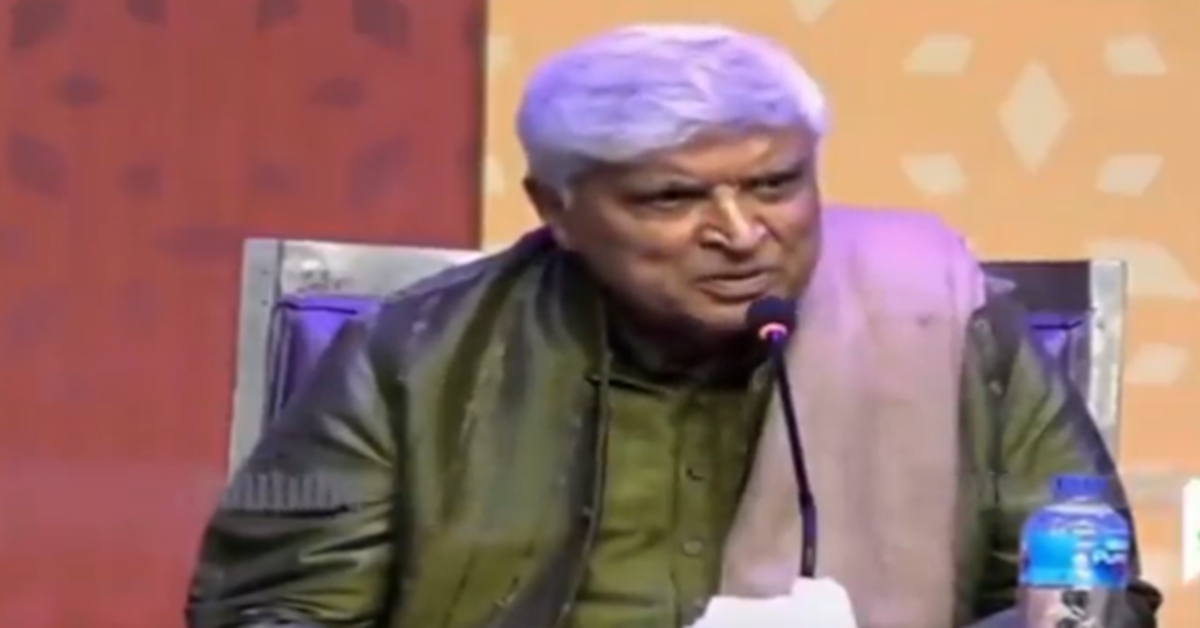
Javed Akhtar’s take on slang in comedy goes viral amid Ranveer Allahbadia controversy

Published

on

Javed Akhtar

A video of veteran poet and lyricist Javed Akhtar discussing the use of slang in comedy has resurfaced amid the backlash against podcaster Ranveer Allahbadia over his controversial remarks at a roast show. The discussion, which originally took place in an episode of Chill Sesh last year, featured Akhtar in conversation with comedians Sapan Verma, Biswa Kalyan Rath, and Shreeja Chaturvedi.

Javed Akhtar’s insight on slang in comedy

During the chat, Biswa Kalyan Rath asked Akhtar about the increasing use of slang and expletives in stand-up comedy. “When we perform, we use slang, and people find it funny. Over time, it becomes a habit, and we may not feel bad about it, but others might. What is your perspective? Is slang acceptable in comedy?” Rath inquired.

Akhtar responded with a characteristic blend of wit and wisdom. “I’ll tell you something. In regions like Odisha, Bihar, and even in Mexico, where poverty exists, people tend to eat a lot of chili because the food lacks flavor. To make it taste better, they add spice. Similarly, expletives are the ‘chili’ of language. If you are articulate and witty enough, you don’t need that extra spice. When conversations lack depth, people resort to slang and gaalis,” he explained, drawing applause from the audience.

Sapan Verma jokingly remarked that Akhtar had just delivered a poetic insult to stand-up comedians, adding, “We feel bad, but also kind of good.”

Double-meaning lyrics and vulgarity in entertainment

Shreeja Chaturvedi further questioned Akhtar about his views on songs with double meanings and whether they serve as an emotional release. “Is it not an outlet for some people, or is it just bad?” she asked.

Akhtar didn’t mince words in his response. “What kind of people need relief from listening to vulgar songs? They need a psychiatrist, not music. Who genuinely finds solace in such songs? The thought itself is alarming,” he asserted.

Ranveer Allahbadia’s controversial remarks spark outrage

The resurfaced discussion comes at a time when Ranveer Allahbadia, popularly known as BeerBiceps, has found himself at the center of controversy. A clip from the show India’s Got Latent, hosted by Raina, went viral after Allahbadia posed an inappropriate question to a contestant: “Would you rather watch your parents have sex every day for the rest of your life or join in once and stop it forever?”

The remark has sparked widespread backlash, with many raising concerns about explicit content in comedy shows available on streaming platforms. Critics argue that such content, often accessible to children, can have negative influences. Additionally, discussions have emerged around racist undertones in comedy, which some fear could contribute to social divisions.

Legal and parliamentary scrutiny on Allahbadia

Following the outrage, Allahbadia is now facing legal trouble, with a police case filed against him. A Parliamentary committee has also taken note of the matter and may summon him for questioning. In response, the podcaster has issued a public apology, admitting that comedy is not his forte and that his remark was a lapse in judgment.

As debates around the boundaries of humor and responsibility in digital entertainment continue, Javed Akhtar’s insights on language and expression in comedy have once again become relevant in the ongoing discourse.

Education

CBSE makes three languages mandatory for Classes 9 and 10 from July 1

CBSE has announced that students in Classes 9 and 10 must study three languages from July 1, 2026, though no board examination will be conducted for the third language during the initial rollout.

Published

on

CBSE

The Central Board of Secondary Education has announced that students in Classes 9 and 10 will be required to study three languages from July 1, 2026, as part of the implementation of the National Education Policy (NEP) 2020 and the National Curriculum Framework for School Education (NCFSE) 2023.

Under the revised structure, students will study languages under the R1, R2 and R3 format. The board has clarified that two of the three languages must be Indian languages.

However, CBSE has stated that there will be no Class 10 board examination for the third language, also referred to as R3, during the initial phase of implementation.

What the new language structure means

According to the updated curriculum framework, students will choose three different languages. The same language cannot be selected at more than one level simultaneously.

The board has explained the structure as:

  • R1: Any language offered by CBSE
  • R2: A language different from R1
  • R3: A third language different from both R1 and R2

The move is aimed at promoting multilingual education in line with NEP 2020 recommendations.

No board exam for third language initially

CBSE has clarified that although the third language will become mandatory for Classes 9 and 10, students will not immediately face a board examination for R3 in Class 10.

Reports said the full implementation of the three-language board examination structure is expected to happen gradually over the coming years.

Schools asked to prepare for rollout

The board has already directed schools to finalise language options and upload details on the OASIS portal to ensure smooth implementation of the revised policy.

CBSE has also indicated that temporary textbook arrangements and interim measures for language teacher shortages may be introduced during the transition phase.

Continue Reading

India News

Maharashtra asks Google, Apple to remove Uber, Ola, Rapido apps over bike taxi operations

Maharashtra has asked Google and Apple to remove Uber, Ola and Rapido apps over alleged illegal bike taxi operations and safety concerns linked to passenger transport services.

Published

on

Rapido

Maharashtra has intensified its action against app-based bike taxi services, with the state government asking Google and Apple to remove apps such as Uber, Ola and Rapido from their app stores over alleged illegal bike taxi operations.

According to notices issued by Maharashtra Cyber, the companies are allegedly operating passenger transport services through bike taxis without obtaining the required permissions and approvals under transport regulations and the Motor Vehicles Act.

The cyber department said unauthorised bike taxi operations pose serious safety concerns for passengers. Authorities highlighted issues related to driver verification, insurance coverage, women’s safety measures and emergency response systems. Officials also claimed that rash and negligent driving linked to some bike taxi operations has increased public safety risks.

The state government also referred to a recent incident involving the alleged death of a woman linked to a bike taxi service, stating that a criminal case has been registered and that similar complaints have surfaced in different parts of Maharashtra.

In its communication to Google and Apple, Maharashtra Cyber reportedly asked the companies to remove and disable access to such applications from the Apple App Store and Google Play Store. The notices warned that failure to comply with directives issued by Indian law enforcement agencies could invite legal consequences under provisions of the Information Technology Act.

Maharashtra Transport Minister Pratap Sarnaik has also directed the cyber department to register FIRs against the ride-hailing platforms over their bike taxi operations in the state.

The action comes amid growing debate over the legality of bike taxi services in several Indian states. While some states permit regulated bike taxi operations, others have imposed restrictions or initiated enforcement action against aggregators operating without formal approval.

The Maharashtra government clarified that the current crackdown is specifically against alleged illegal bike taxi services and does not affect other cab and auto services provided by these platforms.

Continue Reading

India News

Those who want to leave can go: Mamata Banerjee after Trinamool’s poll setback

Mamata Banerjee has told Trinamool Congress leaders that those who wish to leave the party are free to do so after its electoral defeat, as she pushes for organisational rebuilding.

Published

on

mamta banerjee

West Bengal Chief Minister Mamata Banerjee has sent a strong message to party members amid internal unrest following the Trinamool Congress’ electoral defeat in the 2026 Assembly elections, saying those who wish to leave the party are free to do so.

The remarks come as the TMC grapples with its worst electoral performance in years and growing dissatisfaction within its ranks.

‘Will not stop anyone from leaving’

At a recent internal review meeting with party candidates, Banerjee reportedly told leaders that she would not attempt to hold back anyone planning to exit the party. She emphasised that the organisation would move forward with those who remain committed.

According to party sources, she said she would focus on rebuilding the organisation from the ground up, including restoring party offices and strengthening grassroots-level structures.

Push for rebuilding the organisation

Banerjee also called for detailed, area-wise reports from party workers and directed them to hold meetings at block and town levels to assess the reasons behind the defeat.

She further indicated that the party would undergo internal restructuring, with efforts aimed at reviving organisational strength at the local level.

Fact-finding teams and internal review

As part of the post-poll exercise, the Trinamool Congress has also set up multiple fact-finding teams to examine alleged irregularities in key districts.

These developments highlight growing internal churn within the party as it attempts to recover from its electoral setback and rebuild its support base.

Continue Reading

Trending

© Copyright 2022 APNLIVE.com