
India News
Kejriwal’s LG House protest overshadows NITI Ayog meet


The Aam Aadmi Party (AAP) leadership’s ongoing protest sit-in at Lieutenant Governor’s house in Delhi has over-shadowed NITI Ayog meeting on Sunday after four state Chief Ministers were not allowed to see their counterpart Arvind Kejriwal on Saturday.
Prime Minister Narendra Modi chaired the NITI Ayog meeting who invoked “Team India” spirit saying, “The governing council has approached complex issues of governance.. in the spirit of cooperative, competitive federalism”.
He said that the Chief Ministers of the states have played a key role in policy formulation, through sub-groups and committees on issues such as Swachh Bharat Mission, Digital Transactions and Skill Development.
Delighted to interact with Chief Ministers, officials and other dignitaries at the 4th Governing Council meeting of @NITIAayog. This is a wonderful platform to bring historic transformation in the nation. Here are highlights of my opening remarks. https://t.co/xGkcBA5asC pic.twitter.com/yoH115Tzcc
— Narendra Modi (@narendramodi) June 17, 2018
PM’s comment comes in the backdrop of four state Chief Ministers, including Mamata Banerjee from West Bengal, N. Chandrababu Naidu of Madhya Pradesh, Pinarai Vjayan of Kerala an H. D, Kumaraswami of Karnataka were denied permission to meet Delhi CM Arvind Kejriwal at Delhi’s LG House on Saturday. They had earlier said they would meet PM Modi to seek resolution for the “constitutional crisis”.
 The four Chief Ministers have accused the central government of stoking the crisis and “destroying” the federal structure.” Mamata Banerjee was quoted saying, “If this is happening in the capital, then what will happen in other states?”
Kejriwal, while talking to a TV channel on Saturday, thanked the four Chief Ministers and said that the officers’ protest was at the “instance of Prime Minister” and asserted that “We will work together to save democracy”.
Meanwhile, a senior BJP leader Vijay Goel said on Saturday that the leaders and Chief Ministers were in capital to attend the NITI Aayog meeting and not to do politics saying, “It doesn’t suit them.”
Delhi’s Chief Minister did not attend the NITI Ayog meeting on Sunday as he and his three cabinet colleagues have been camping at the waiting room in Lt Governor’s house for almost a week, demanding an end to a “strike” called by bureaucrats after the alleged assault on Delhi Chief Secretary Aanshu Prakash in February this year.
The NITI Ayog meeting discussed the measures taken to double farmers’ income and the progress in flagship schemes. The development agenda for “New India 2022” was also expected to be approved in the meeting.
The council includes all states’ Chief Ministers and leiutinent governors of Union Territories, except Delhi and Pondicherry.
Earlier in the day, Delhi CM Arvind Kejriwal stoked a controversy by wondering on Twitter what Delhi’s LG is doing at the Niti Aayog meet. “Under which provision of the Constitution does LG have powers to replace the Chief Minister?” he tweeted.
Under which provision of the Constitution does LG have powers to replace the Chief Minister? I have not authorised him to go in my place. https://t.co/ccA94tpKNo
— Arvind Kejriwal (@ArvindKejriwal) June 17, 2018
However, Amitabh Kant, Niti Aayog’s chief executive said the LG isn’t present at the meeting.
Meanwhile, Trinamool chief and West Bengal CM Mamata Banerjee said that the issues of the Delhi government need to be heard and dealt with quickly. “I along with the Chief Ministers of Andhra Pradesh, Karnataka and Kerala have requested PM Modi today to resolve the problems of Delhi government immediately,” she said.
I along with the Hon’ble CMs of Andhra Pradesh, Karnataka and Kerala have requested Hon’ble PM today to resolve the problems of Delhi government immediately.
— Mamata Banerjee (@MamataOfficial) June 17, 2018






India News
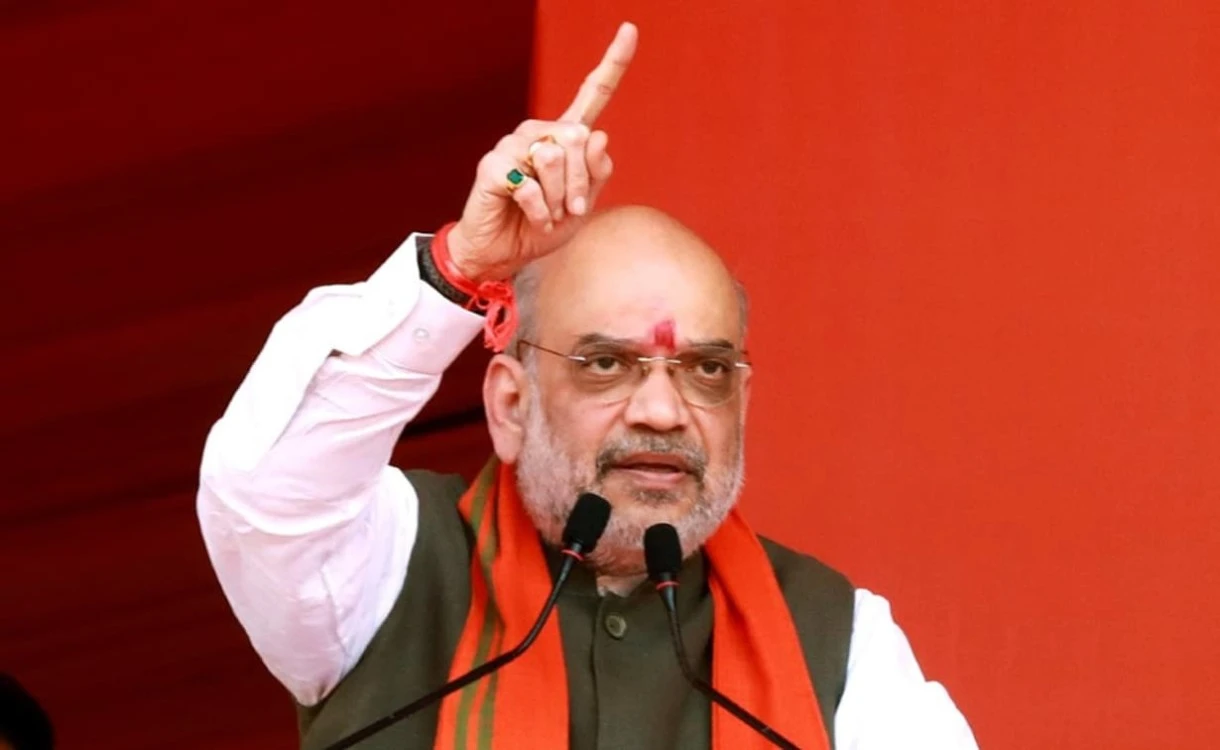
Centre sends 3 letters to Punjab government after anti-drug activist’s killing
The Centre has sought reports from the Punjab government on three incidents linked to allegations surrounding drug-related activities, including the killing of anti-drug activist Parvinder Singh Jhota.

India News
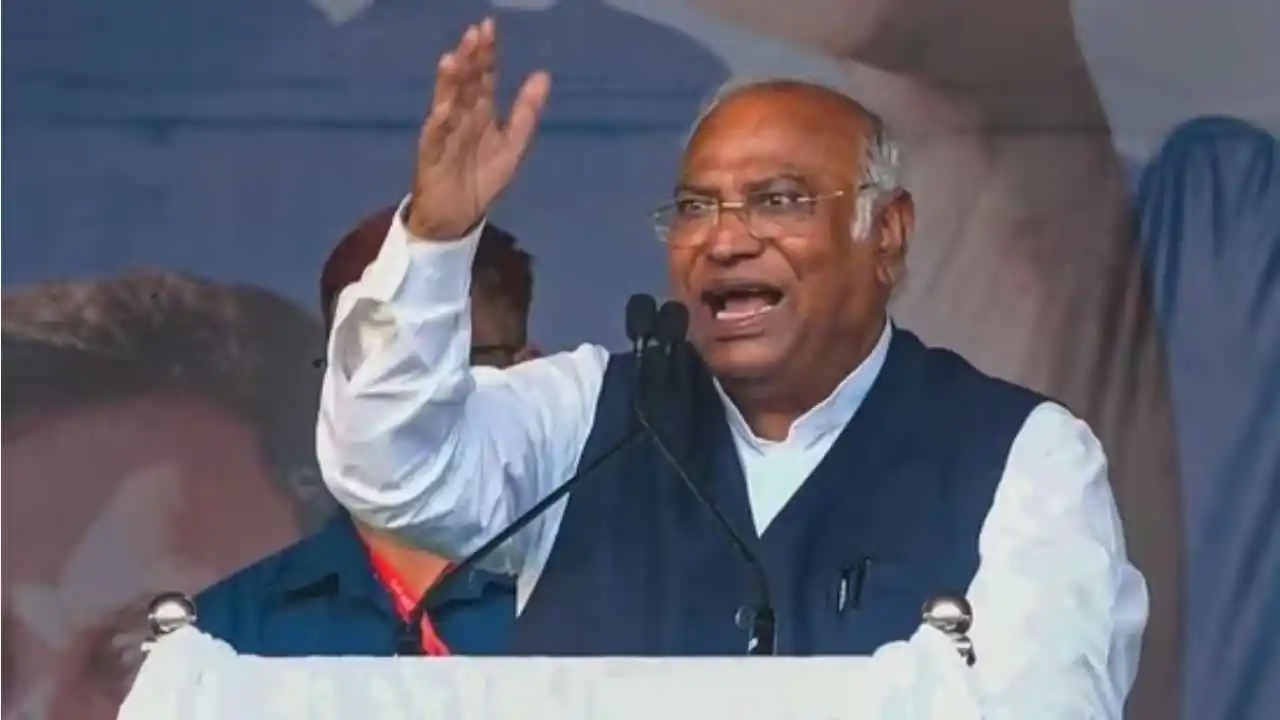
Mallikarjun Kharge seeks all-party meeting with PM Modi on delimitation
Congress president Mallikarjun Kharge has written to Prime Minister Narendra Modi for the fourth time, seeking an all-party meeting on delimitation. He also flagged the 64-day delay in proroguing Parliament’s Monsoon Session.
India News
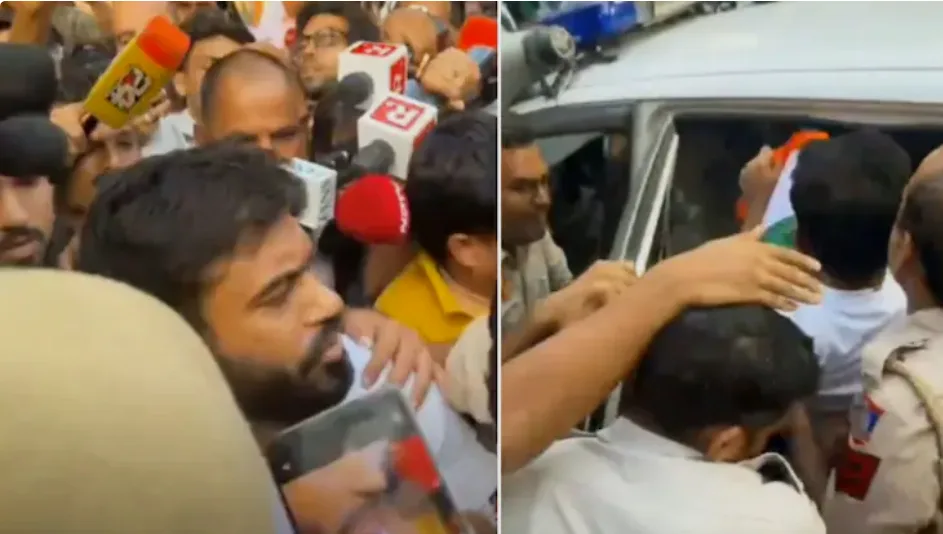
Abhijeet Dipke detained ahead of CJP’s national flag march in Delhi
Cockroach Janta Party founder Abhijeet Dipke was detained by Delhi Police on October 16, 2026, shortly before a planned national flag march. The proposed rally followed the judicial custody of two CJP members who had waved the Tricolour at Jantar Mantar.

Magnitude 7 earthquake strikes Russia’s Kamchatka Peninsula

Mallikarjun Kharge’s ‘Your Friends’ jab at Rahul Gandhi over congress exits

Delhi deploys 25,000 personnel, installs CCTV cameras ahead of CJP march

Abhijeet Dipke detained ahead of CJP’s national flag march in Delhi

Mallikarjun Kharge seeks all-party meeting with PM Modi on delimitation

Centre sends 3 letters to Punjab government after anti-drug activist’s killing
Mallikarjun Kharge seeks all-party meeting with PM Modi on delimitation
Abhijeet Dipke detained ahead of CJP’s national flag march in Delhi
Magnitude 7 earthquake strikes Russia’s Kamchatka Peninsula
Delhi deploys 25,000 personnel, installs CCTV cameras ahead of CJP march

Afghan Men Try To Hang With The Jet Engine Of The Aircraft in Kabul- Afghanistan News – Kabul News
Trending Top 10 News: 10000 Crore Fine on Flipkart, Apple to Launch Unique Feature, Hdfc Bank Job Ad

Trending Top 10 News: Nokia 6310, Apple sales, Bachpan ka Pyar Video Kid, Dainik Bhaskar IT Raid

Trending Top 10 News: Canada bans Indian flights, Rain in Delhi NCR, AIMIM Twitter hacked, Raj Kundra case

Trending Top 10 News: Shein India, Apple New Service, Pocket Oxygen, Oppo Launched New Phone
-
 Latest world news15 hours ago
Magnitude 7 earthquake strikes Russia’s Kamchatka Peninsula
-
 India News16 hours ago
Mallikarjun Kharge’s ‘Your Friends’ jab at Rahul Gandhi over congress exits
-
 India News16 hours ago
Delhi deploys 25,000 personnel, installs CCTV cameras ahead of CJP march
-
 India News6 hours ago
Abhijeet Dipke detained ahead of CJP’s national flag march in Delhi
-
 India News5 hours ago
Mallikarjun Kharge seeks all-party meeting with PM Modi on delimitation
-
 India News4 hours ago
Centre sends 3 letters to Punjab government after anti-drug activist’s killing
