
India News
Fact check: Did 7 Kerala MBBS students demand hijab-like attire in operation theater?
According to principal Dr. Lynette Morris, a committee has been established to discuss the students’ demands.

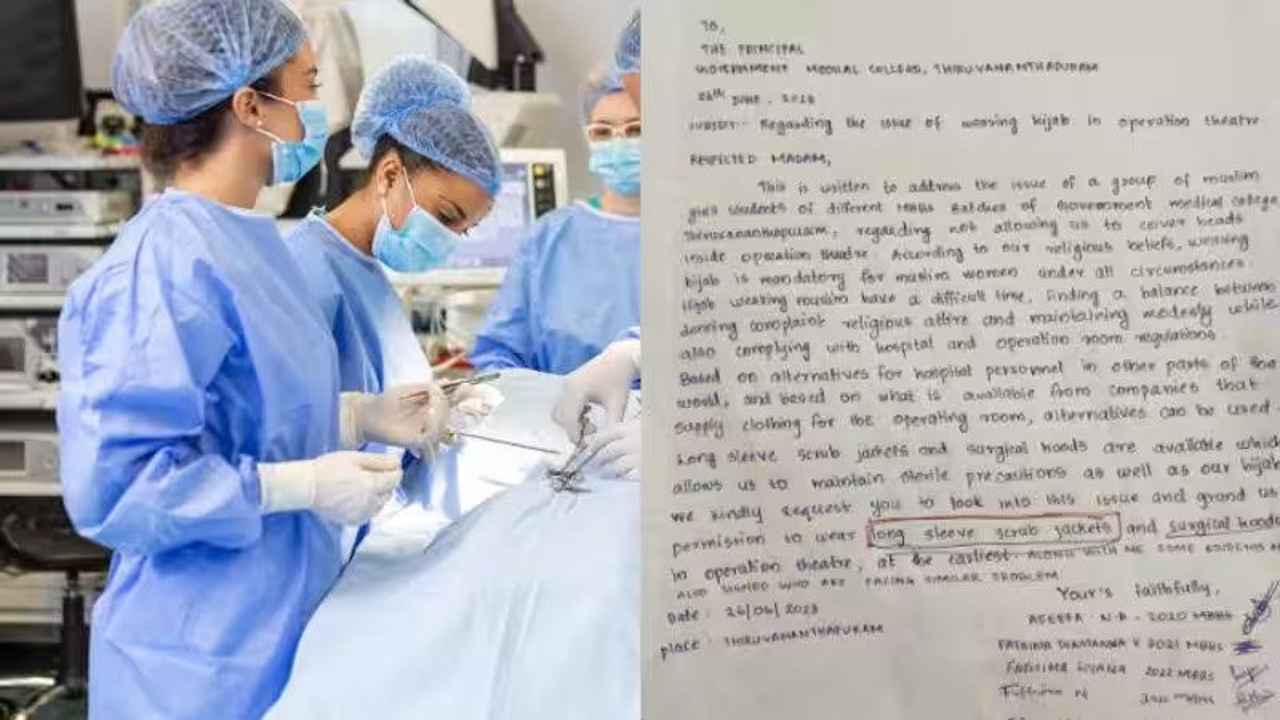
A controversy has sparked over the demand of 7 MBBS students at Kerala College allowing them to wear a hijab-like attire inside the operation theatre. Many across the internet have now started saying that girl students cannot raise a demand for wearing hijab and have raised the issue of patient’s sterility. But what’s the matter and what was the demand made by them?
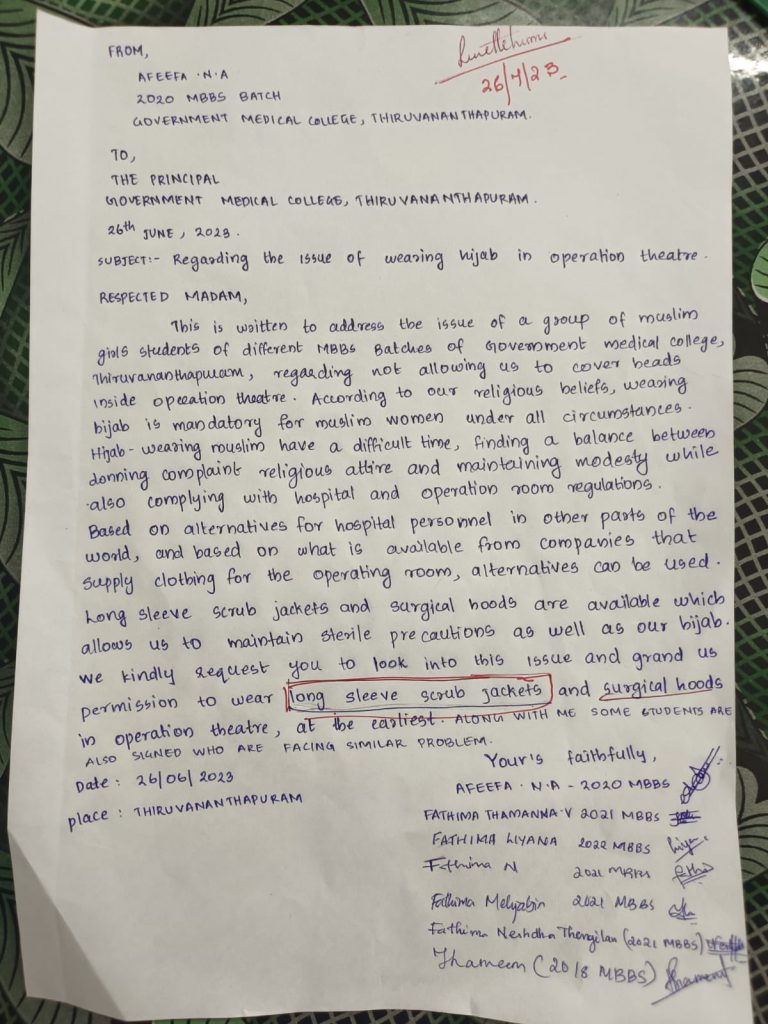
Afeefa, a 2020 batch MBBS student of the Government Medical College, Thiruvananthapuram in a letter to the principal stating the dissatisfaction of some of the Muslim girl students from different batches of MBBS wrote a letter is regarding the disallowance for covering their heads inside the operation theatre.
The letter noted, in accordance with their religious convictions it is mandated for Muslim women to wear hijab under all circumstances. The letter said, that hijab-wearing Muslims are facing a difficult situation on how to strike a balance between adhering to hijab regulations and carrying out surgical duties complying with the regulations of the hospital and the operation theatre. The letter can refuel the heated discussions over hijab in campus.
It further noted proposals for alternatives based on the attire used by medical professionals around the globe and the choices provided by companies that produce clothing for surgical procedures.
The students in the letter have requested the principal to allow them to wear long sleeve scrub jackets’ and ‘surgical hoods’ as an alternative to hijab, which would be in compliance with maintaining sterile precautions and there hijab-wearing conviction will also be followed.
The letter further requested the principal to look into the matter on an urgent basis and consider their request. The letter had the undersigned names of 6 other students supporting the request letter facing the same problem.
As soon as the matter came to light people started sharing their opinions on this matter, as one user said that these students do not care about the hygiene and safety of the patients rather they are only concerned about their religious beliefs. While others raised questions that they should also replace their books with religious ones.
According to principal Dr. Lynette Morris, a committee has been established to discuss the students’ demands. Addressing the media, the principal said at this time, the institution is unable to accommodate the pupils’ requests. She added operation theatres are kept to international standards, and the safety of the patient comes first.
She added the committee established for this purpose would come up with a resolution within 10 days and he cannot take a decision on this issue alone.
The appeal by the students is made in light of the events that occurred in Karnataka last year following the then BJP-headed BS Bommai government banning the hijab on campuses. One side of the debate claimed that religious practice had no place in educational institutions, while the other saw the ban on the hijab as repression of minority rights.
India News
Centre sends 3 letters to Punjab government after anti-drug activist’s killing
The Centre has sought reports from the Punjab government on three incidents linked to allegations surrounding drug-related activities, including the killing of anti-drug activist Parvinder Singh Jhota.

India News
Mallikarjun Kharge seeks all-party meeting with PM Modi on delimitation
Congress president Mallikarjun Kharge has written to Prime Minister Narendra Modi for the fourth time, seeking an all-party meeting on delimitation. He also flagged the 64-day delay in proroguing Parliament’s Monsoon Session.
India News
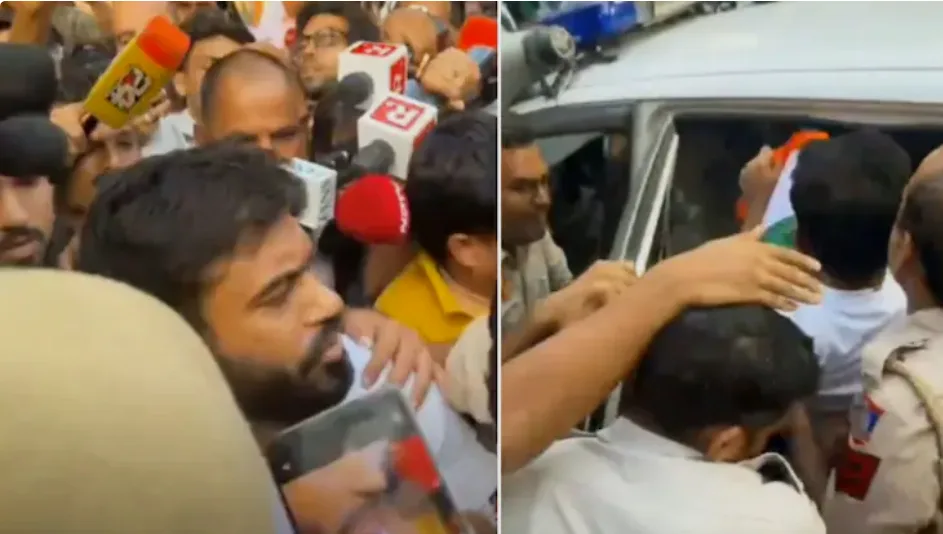
Abhijeet Dipke detained ahead of CJP’s national flag march in Delhi
Cockroach Janta Party founder Abhijeet Dipke was detained by Delhi Police on October 16, 2026, shortly before a planned national flag march. The proposed rally followed the judicial custody of two CJP members who had waved the Tricolour at Jantar Mantar.

Magnitude 7 earthquake strikes Russia’s Kamchatka Peninsula

Mallikarjun Kharge’s ‘Your Friends’ jab at Rahul Gandhi over congress exits

Delhi deploys 25,000 personnel, installs CCTV cameras ahead of CJP march

Abhijeet Dipke detained ahead of CJP’s national flag march in Delhi

Mallikarjun Kharge seeks all-party meeting with PM Modi on delimitation

Centre sends 3 letters to Punjab government after anti-drug activist’s killing
Mallikarjun Kharge seeks all-party meeting with PM Modi on delimitation
Abhijeet Dipke detained ahead of CJP’s national flag march in Delhi
Magnitude 7 earthquake strikes Russia’s Kamchatka Peninsula
Delhi deploys 25,000 personnel, installs CCTV cameras ahead of CJP march

Afghan Men Try To Hang With The Jet Engine Of The Aircraft in Kabul- Afghanistan News – Kabul News
Trending Top 10 News: 10000 Crore Fine on Flipkart, Apple to Launch Unique Feature, Hdfc Bank Job Ad

Trending Top 10 News: Nokia 6310, Apple sales, Bachpan ka Pyar Video Kid, Dainik Bhaskar IT Raid

Trending Top 10 News: Canada bans Indian flights, Rain in Delhi NCR, AIMIM Twitter hacked, Raj Kundra case

Trending Top 10 News: Shein India, Apple New Service, Pocket Oxygen, Oppo Launched New Phone
-
 Latest world news19 hours ago
Magnitude 7 earthquake strikes Russia’s Kamchatka Peninsula
-
 India News19 hours ago
Mallikarjun Kharge’s ‘Your Friends’ jab at Rahul Gandhi over congress exits
-
 India News19 hours ago
Delhi deploys 25,000 personnel, installs CCTV cameras ahead of CJP march
-
 India News10 hours ago
Abhijeet Dipke detained ahead of CJP’s national flag march in Delhi
-
 India News9 hours ago
Mallikarjun Kharge seeks all-party meeting with PM Modi on delimitation
-
 India News8 hours ago
Centre sends 3 letters to Punjab government after anti-drug activist’s killing
