
India News
Raj Kaushal prayer meet: Mandira Bedi’s kids Vir, Tara, friend Mouni Roy, and other TV stars pay their last respect
Mandira Bedi’s best friend and actress Mouni Roy, actor Ashish Chowdhary’s wife Samita Chowdhary, Vidya Malavade, and others were present. Bedi’s son Vir and daughter Tara were also photographed at the prayer meeting.

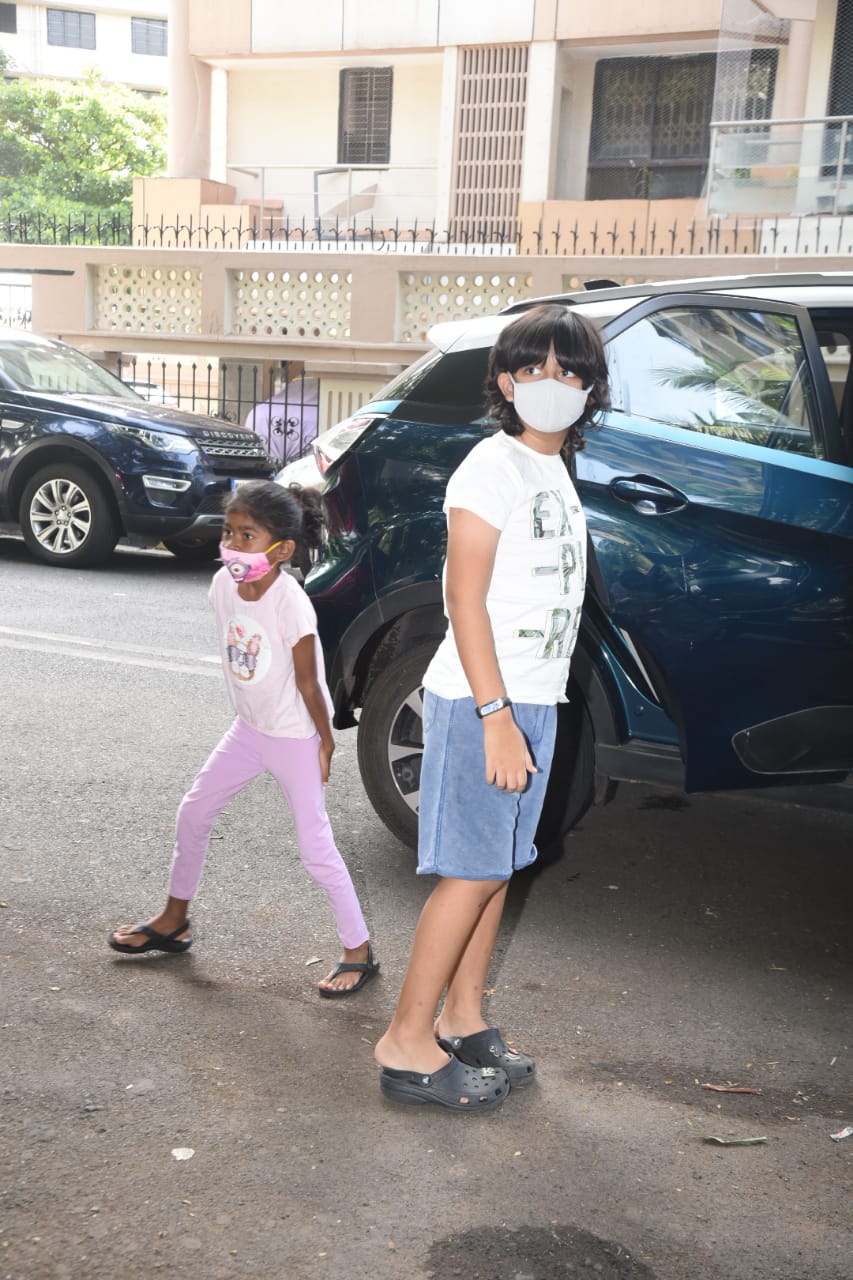
In shocking news, Mandira Bedi’s husband and filmmaker Raj Kaushal passed away on Wednesday morning at the age of 49. The grieving family organized a prayer meeting on Saturday where Mandira Bedi’s best friend and actress Mouni Roy, actor Ashish Chowdhary’s wife Samita Chowdhary, Vidya Malavade, and others were present. Bedi’s son Vir and daughter Tara were also photographed at the prayer meeting.
He died due to cardiac arrest.
Check out the photos from Raj Kaushal’s prayer meet:
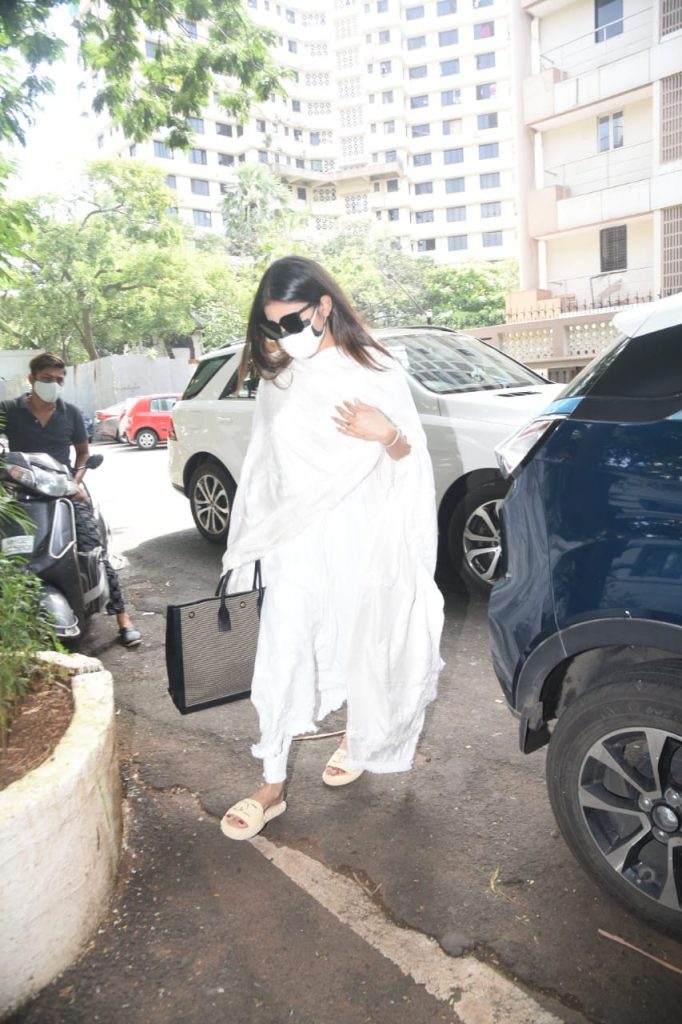


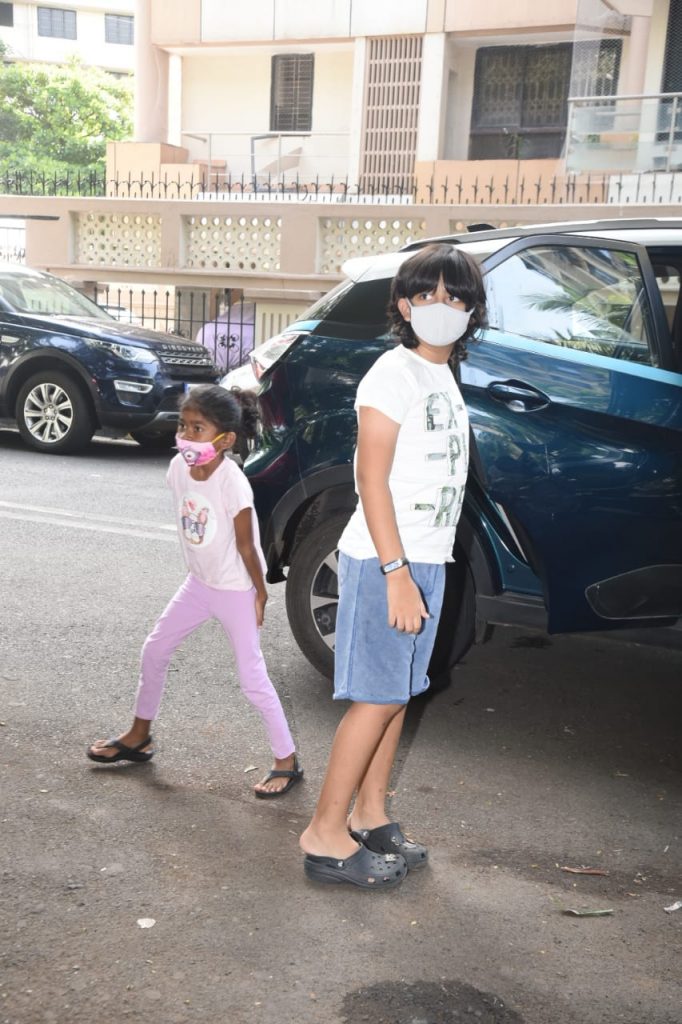
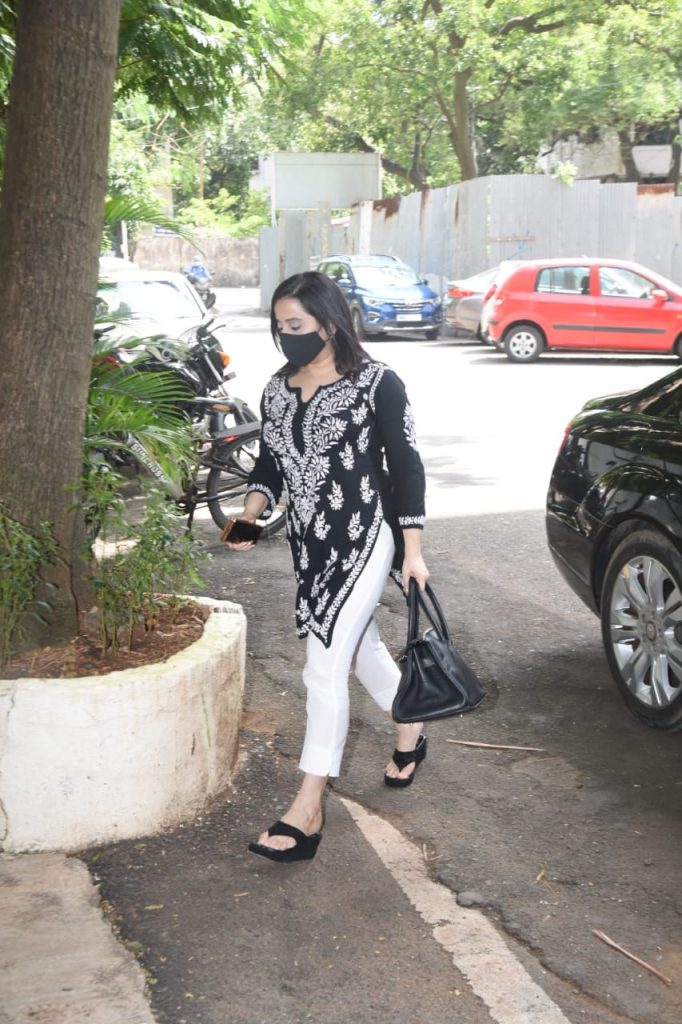
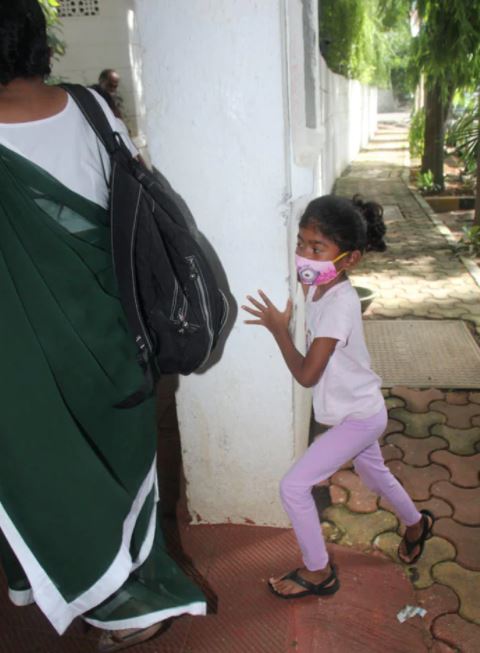

The sudden death of Kaushal had sent shock waves among the television industry and close friends, who had taken to social media to offer condolences. After the news of his demise broke out, many of Mandira and Raj’s friends and colleagues including Ronit Roy, Ashish Choudhary, Apurva Agnihotri and, Shilpa Saklani were clicked outside the Bedi-Kaushal residence.
Kaushal’s untimely demise came as a shock to everyone as it was just recently that Kaushal and Bedi were seen at a party with their industry friends. He had even posted a few pictures on social media from their get-together on Sunday. Kaushal’s funeral was held at the Dadar Shivaji Park crematorium in Mumbai.
Mandira Bedi married Raj Kaushal in the year 1999. Their biological son Vir, now 10, was born in 2011. The couple had adopted a daughter Tara and welcomed her into the family in July last year. She is 4.
Read Also: Delhi Unlocks, Sports complexes to reopen from Monday, multiplexes stay shut
In other India news, in its first compliance report, Facebook on Friday said it actioned over 30 million content pieces across 10 violation categories during May 15-June 15 in the country.






India News
Journalist files police complaint against Rahul Gandhi over push allegation
Journalist Richa Parashar has filed a criminal complaint against Rahul Gandhi and others, alleging that she was pushed while covering the Opposition’s march to the Supreme Court. The Congress has denied the allegation.

India News
Delhi court orders release of CJP founder Abhijeet Dipke
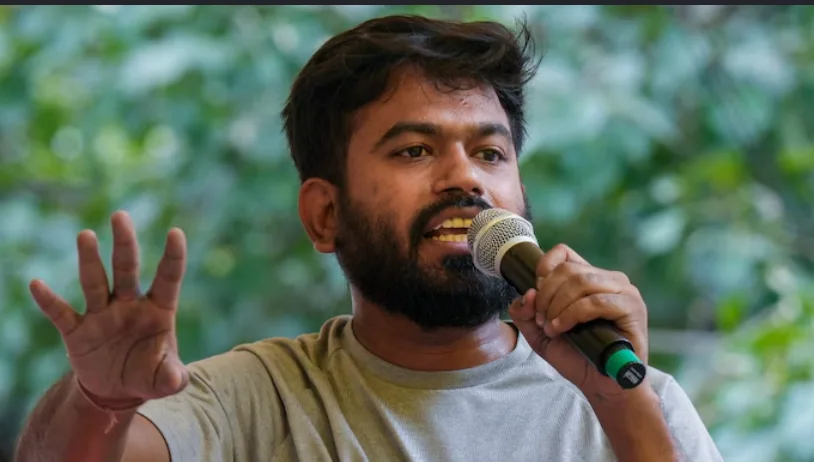
A Delhi court on Saturday ordered the conditional release of Cockroach Janta Party founder Abhijeet Dipke, who was detained and subsequently arrested ahead of a planned protest march at Connaught Place.
India News
Anirudh Ravichander to marry Kavya Maran in November, reception on November 21
Anirudh Ravichander and Kavya Maran are set to marry in November, with their Chennai wedding reception scheduled for November 21.


Trump waives Russia-related sanctions, tariffs in relief for India

LK Advani, 98, hospitalised in Delhi with chest infection

ED summons Pinarayi Vijayan in money laundering case

Anirudh Ravichander to marry Kavya Maran in November, reception on November 21

Delhi court orders release of CJP founder Abhijeet Dipke

Journalist files police complaint against Rahul Gandhi over push allegation
Delhi court orders release of CJP founder Abhijeet Dipke
Anirudh Ravichander to marry Kavya Maran in November, reception on November 21
ED summons Pinarayi Vijayan in money laundering case
LK Advani, 98, hospitalised in Delhi with chest infection

Afghan Men Try To Hang With The Jet Engine Of The Aircraft in Kabul- Afghanistan News – Kabul News
Trending Top 10 News: 10000 Crore Fine on Flipkart, Apple to Launch Unique Feature, Hdfc Bank Job Ad

Trending Top 10 News: Nokia 6310, Apple sales, Bachpan ka Pyar Video Kid, Dainik Bhaskar IT Raid

Trending Top 10 News: Canada bans Indian flights, Rain in Delhi NCR, AIMIM Twitter hacked, Raj Kundra case

Trending Top 10 News: Shein India, Apple New Service, Pocket Oxygen, Oppo Launched New Phone
-
Latest world news13 hours ago
Trump waives Russia-related sanctions, tariffs in relief for India
-
 India News13 hours ago
LK Advani, 98, hospitalised in Delhi with chest infection
-
 India News11 hours ago
ED summons Pinarayi Vijayan in money laundering case
-
 India News2 hours ago
Anirudh Ravichander to marry Kavya Maran in November, reception on November 21
-
 India News1 hour ago
Delhi court orders release of CJP founder Abhijeet Dipke
-
 India News8 mins ago
Journalist files police complaint against Rahul Gandhi over push allegation
