
India News
Salima Mazari, Afghanistan’s female governor, who took up arms to fight Taliban in Balkh Province captured
Mazari comes from the Hazara community. Most of the people in the community are Shia, whom the Taliban with Sunni Muslims do not like at all. She has been regularly targeted by the Taliban and Islamic State fighters.

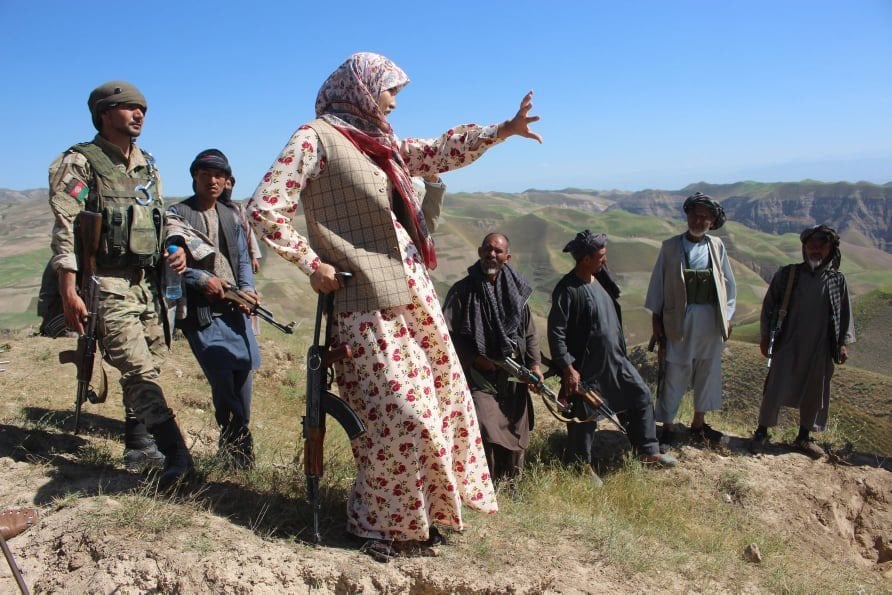
Salima Mazari, one of the first women governors in Afghanistan, who took up arms against Taliban, has reportedly been captured by the terror outfit, a group of the Hazara community informed by tweeting. However, reports said there is no word on her current status. While a lot of the Afghan provinces surrendered to Taliban without much of a fight, Mazari tried everything to keep her province unscathed. She is the governor of Chahar Kint, a district in Balkh province.
At a time when many Afghan political leaders including President Ashraf Ghani had fled the country, Mazari stayed on till the surrender of Balkh province, when her district of Chahar Kint fell to the Taliban.
Over the past few years, Salima Mazari had gained much praise and attention being a woman leader in Afghanistan. She took up arms to fight Taliban in Balkh Province and had been building her own army for the past few days. The incident comes as the Taliban announced a general apology for all Afghan government officials and urged them to return to work, including women in accordance with Sharia law.
Since the beginning of May, the Taliban had been establishing their dominance in rural areas of Afghanistan, but could not capture Chahar Kint because of Mazari.
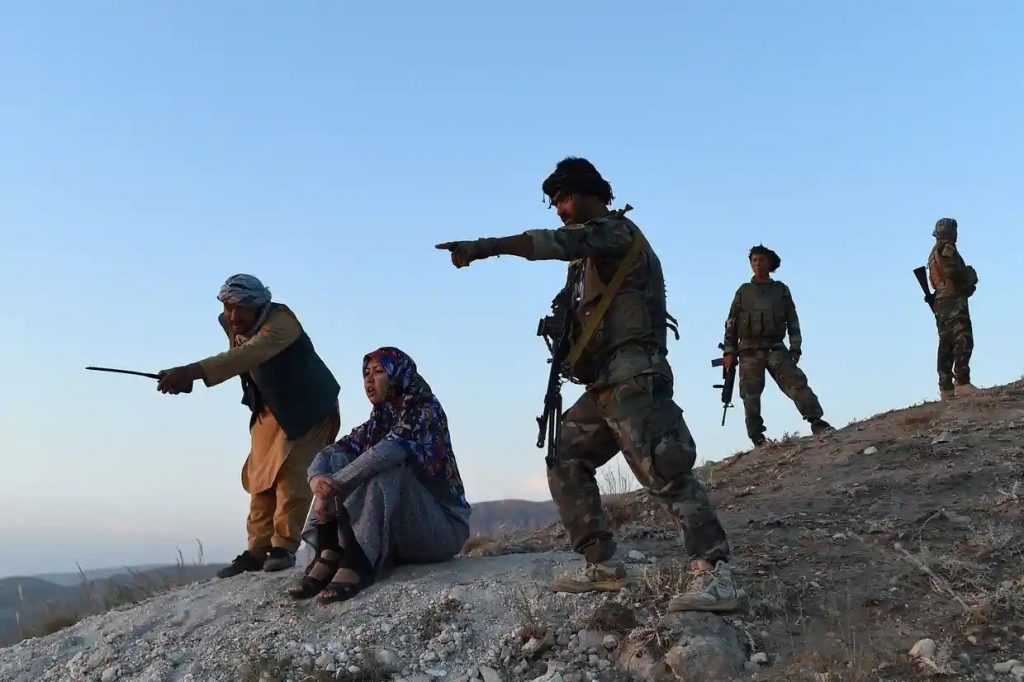
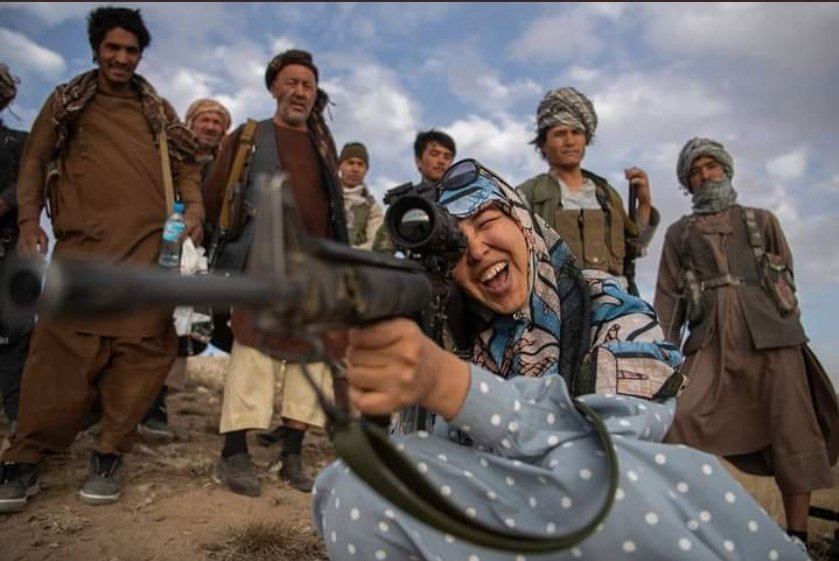
Mazari comes from the Hazara community. Most of the people in the community are Shia, whom the Taliban with Sunni Muslims do not like at all. She has been regularly targeted by the Taliban and Islamic State fighters. In May, the terrorist group had attacked a school and killed 80 girls. On Mazari’s call, people sold their cows, sheep and even land and bought weapons. The Taliban has not been able to capture this district due to the resistance of the local people.
Read Also: PM Modi chairs meet on Afghanistan, says India will provide help to Afghan brothers and sisters
Who is Salima Mazari?
Salima Mazari of Afghan origin was born in Iran as a refugee in 1980, when her family fled the Soviet war. After graduating from Tehran University, she held various roles at universities and the International Migration Organization before deciding to leave her parents and move to the Afghanistan decades ago. In 2018, she came to know that there was a vacancy for the post of Governor of Chahar Kint district. It was her ancestral homeland, so she applied for the post. Thereafter she was elected to the governorship. Seeing the threat of the Taliban and to secure the district, she had set up a Security Commission, which looked after the recruitment of the local army.
In other India news, Jyotiraditya Scindia, on Wednesday said that his Ministry has been operated 44 new flights in the last 35 days from Madhya Pradesh.




India News
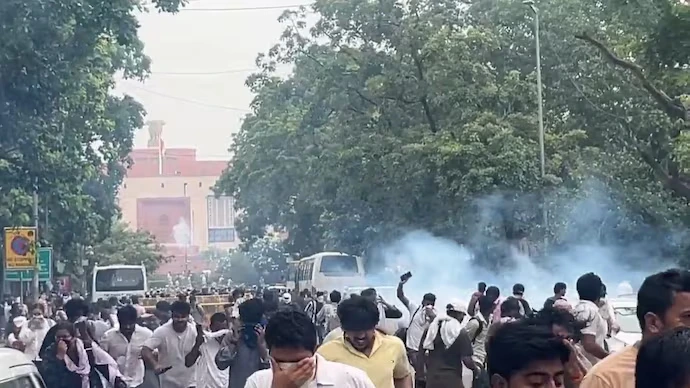
Delhi deploys 25,000 personnel, installs CCTV cameras ahead of CJP march
More than 25,000 police and paramilitary personnel have been deployed in Delhi ahead of the CJP’s planned protest march at Connaught Place. Authorities have also imposed restrictions and stepped up CCTV surveillance.

India News
Mallikarjun Kharge’s ‘Your Friends’ jab at Rahul Gandhi over congress exits
Congress president Mallikarjun Kharge took a dig at Rahul Gandhi after the Leader of the Opposition reportedly described former party leaders Jyotiraditya Scindia and Ghulam Nabi Azad as among those who had left the Congress.

India News
Delhi Police offers 11-person limit for CJP’s Connaught Place protest
Delhi Police has offered to facilitate a group of 11 people at Central Park in Connaught Place for the Cockroach Janata Party’s October 16 protest, while warning that violations of prohibitory orders could invite legal action.


India-US trade deal first phase finalised, drafting underway

Election Commission orders voter roll revision in 17 states, UTs

Delhi Police offers 11-person limit for CJP’s Connaught Place protest

Actor Imran Khan asked to leave India after CJP protest

Mallikarjun Kharge’s ‘Your Friends’ jab at Rahul Gandhi over congress exits

Magnitude 7 earthquake strikes Russia’s Kamchatka Peninsula

Delhi deploys 25,000 personnel, installs CCTV cameras ahead of CJP march
Mallikarjun Kharge’s ‘Your Friends’ jab at Rahul Gandhi over congress exits
Delhi Police offers 11-person limit for CJP’s Connaught Place protest
Actor Imran Khan asked to leave India after CJP protest

Afghan Men Try To Hang With The Jet Engine Of The Aircraft in Kabul- Afghanistan News – Kabul News
Trending Top 10 News: 10000 Crore Fine on Flipkart, Apple to Launch Unique Feature, Hdfc Bank Job Ad

Trending Top 10 News: Nokia 6310, Apple sales, Bachpan ka Pyar Video Kid, Dainik Bhaskar IT Raid

Trending Top 10 News: Canada bans Indian flights, Rain in Delhi NCR, AIMIM Twitter hacked, Raj Kundra case

Trending Top 10 News: Shein India, Apple New Service, Pocket Oxygen, Oppo Launched New Phone
-
 India News24 hours ago
India-US trade deal first phase finalised, drafting underway
-
 India News22 hours ago
Election Commission orders voter roll revision in 17 states, UTs
-
 India News20 hours ago
Delhi Police offers 11-person limit for CJP’s Connaught Place protest
-
 India News21 hours ago
Actor Imran Khan asked to leave India after CJP protest
-
 India News8 hours ago
Mallikarjun Kharge’s ‘Your Friends’ jab at Rahul Gandhi over congress exits
-
 India News8 hours ago
Delhi deploys 25,000 personnel, installs CCTV cameras ahead of CJP march
-
 Latest world news8 hours ago
Magnitude 7 earthquake strikes Russia’s Kamchatka Peninsula
