
India News
Sasikala camp caught ballot-buying

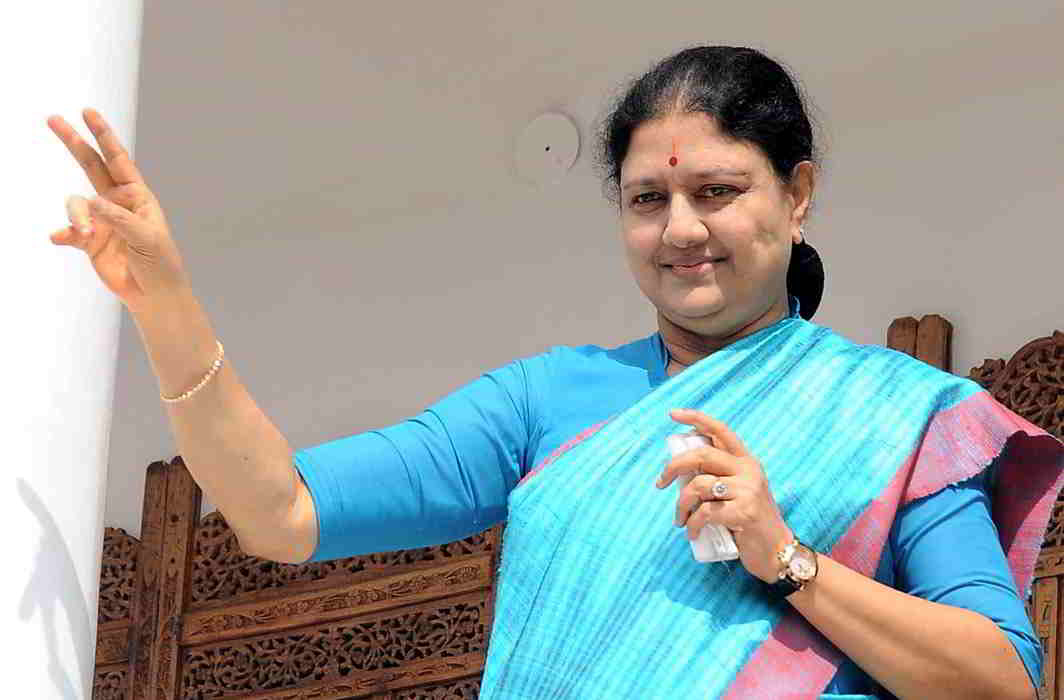
[vc_row][vc_column][vc_column_text]I-T seizures force EC to cancel April 12 bypolls at Jaya seat
Forty-eight hours after the income tax department raided Tamil Nadu health minister and AIADMK (Amma) MLA C Vijayabaskar’s home and reportedly seized evidence of bribing voters, the Election Commission cancelled the Radhakrishnan Nagar by-election slated for April 12, on grounds that huge sums of cash had been distributed by political leaders among voters to influence its outcome.
The bypolls had become necessary following the demise of TN chief minister J Jayalalithaa on December 5, 2016. Important candidates for the polls include TTV Dinakaran, who is also AIADMK (Amma) chief VK Sasikala’s nephew, contesting for the party, E Madhusudhanan for AIADMK (PTA), the opposite faction, N Maruthu Ganesh for DMK, P Mathivanan for DMDK and Gangai Amran for BJP.
On March 23, the EC had announced the electricity pole as the symbol of O Panneerselvam’s AIADMK (PTA) and the hat as that of Sasikala’s AIADMK (Amma). But the latter continued to use the party’s original two leaves symbol until the EC detected it on April 3 and sternly ordered it to remove it from all publicity material and its website.
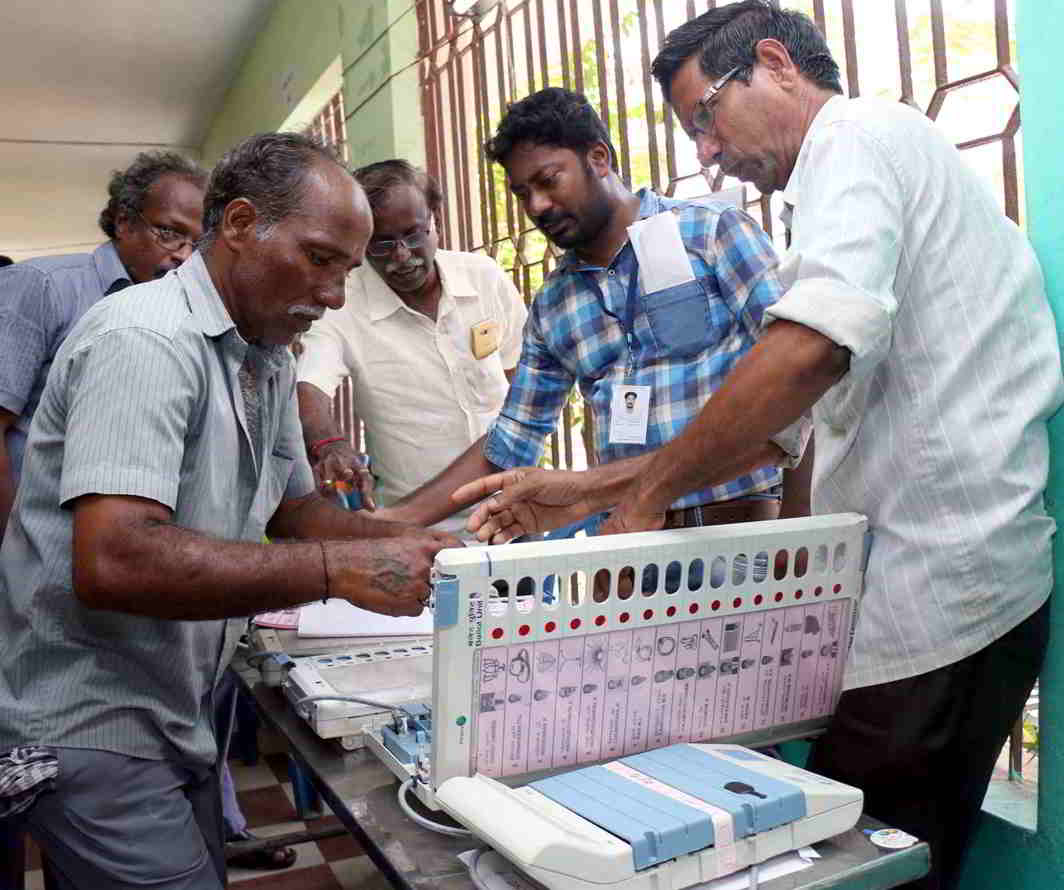
Election officials inspect EVMs to be used for the bypolls
Pertinently, Vijaya Baskar is known to be a close aide of the jailed Sasikala and a fund-raiser for the party. The I-T raids at his residence revealed documents that show over Rs 89. 70 crore had been allocated by him to other ministers and officials for buying of ballots. Huge sums were deposited in multiple accounts, according to this “payment plan”.
Raids were indeed also conducted at 34 other places in TN, including Pudukkottai and Trichy and at actor Sarathkumar’s house, who is an SMK leader and has his hand in the sand quarrying business. Several government functionaries’ offices and homes were also raided.
The EC order lists allegations of phone recharge coupons, newspaper subscriptions and milk tokens distributed among people. Money was allegedly transferred using mobile wallets and cash slipped in with newspapers and milk delivery. Workers were caught distributing hats, scarves, lamps and sarees. Evidences collected suggest that the total sum that changed hands is to the tune of Rs 100 crore.
A 29-page statement signed by chief election commissioner Nasim Zaidi and his two election commissioners AK Joti and OP Rawat said the bypolls “shall be held by the commission in due course when the vitiating effect created by the distribution of money and gift items to lure the electors gets removed with the passage of time, and the atmosphere in the constituency becomes conducive to the holding of free and fair election”.
Perhaps not unexpectedly, the AIADMK (Amma) candidate, Dinakaran, is not pleased at the development. Hours after the decision on late Sunday night, he angrily tweeted: “Wrong decision, even EC does not want me to win. They can delay but can’t deny”.[/vc_column_text][/vc_column][/vc_row]




India News
CJP leaders Saurav Das, Ashutosh Ranka, Ajinkya Shinde sent to 5-day judicial custody
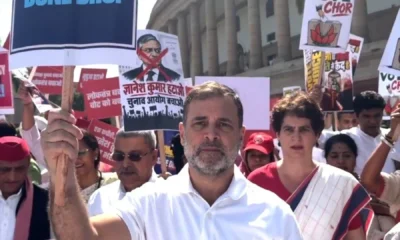
Three CJP leaders, Saurav Das, Ashutosh Ranka and Ajinkya Shinde, were placed under preventive arrest following a protest at Delhi’s Jantar Mantar over Chief Election Commissioner Gyanesh Kumar.


India News
BJP focuses on religion as opposition pushes BDM strategy in UP
The BJP is emphasising religious issues ahead of the Uttar Pradesh Assembly elections, while opposition parties are seeking to consolidate Backward, Dalit and Minority voters. Recent exchanges involving Yogi Adityanath, Akhilesh Yadav and Asaduddin Owaisi have added to the political contest over the state’s electoral narrative.

India News
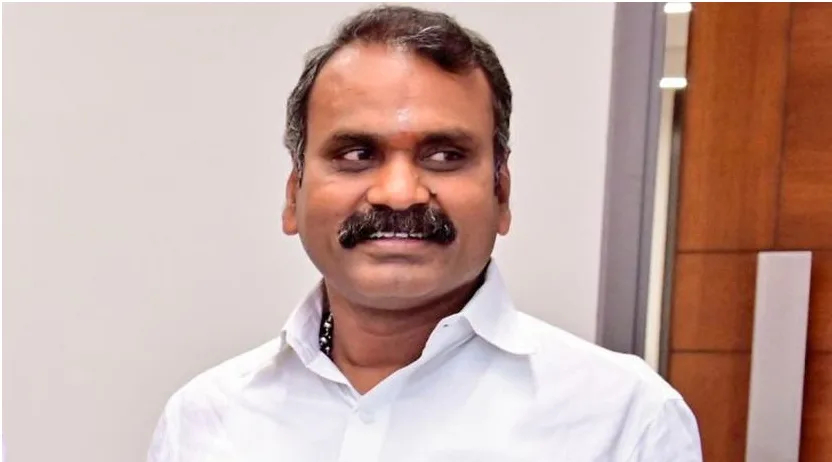
L Murugan quits Union ministry to strengthen BJP in Tamil Nadu
L Murugan has resigned from his Union ministerial post and Rajya Sabha membership, saying he wants to return to grassroots politics and dedicate himself to strengthening the BJP in Tamil Nadu before the 2029 Lok Sabha elections.

CJP claims Saurav Das, Ashutosh Ranka detained at Jantar Mantar

Supreme Court stays defamation case against Rahul Gandhi over PM Modi remarks

Rahul Gandhi hosts high tea for INDIA bloc after Gyanesh Kumar protests

L Murugan quits Union ministry to strengthen BJP in Tamil Nadu

Amit Shah attacks Rahul Gandhi over Congress poll losses, questions SIR row

S Jaishankar says India is a natural option for Russia amid Europe tensions

CJP leaders Saurav Das, Ashutosh Ranka, Ajinkya Shinde sent to 5-day judicial custody

BJP focuses on religion as opposition pushes BDM strategy in UP
L Murugan quits Union ministry to strengthen BJP in Tamil Nadu
Amit Shah attacks Rahul Gandhi over Congress poll losses, questions SIR row

Afghan Men Try To Hang With The Jet Engine Of The Aircraft in Kabul- Afghanistan News – Kabul News
Trending Top 10 News: 10000 Crore Fine on Flipkart, Apple to Launch Unique Feature, Hdfc Bank Job Ad

Trending Top 10 News: Nokia 6310, Apple sales, Bachpan ka Pyar Video Kid, Dainik Bhaskar IT Raid

Trending Top 10 News: Canada bans Indian flights, Rain in Delhi NCR, AIMIM Twitter hacked, Raj Kundra case

Trending Top 10 News: Shein India, Apple New Service, Pocket Oxygen, Oppo Launched New Phone
-
 India News23 hours ago
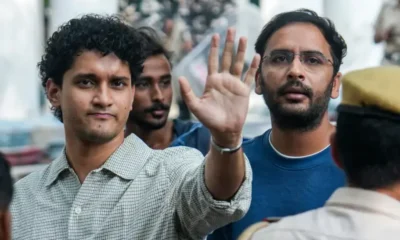
CJP claims Saurav Das, Ashutosh Ranka detained at Jantar Mantar
-
 India News21 hours ago
Supreme Court stays defamation case against Rahul Gandhi over PM Modi remarks
-
 India News13 hours ago
Rahul Gandhi hosts high tea for INDIA bloc after Gyanesh Kumar protests
-
 India News12 hours ago
L Murugan quits Union ministry to strengthen BJP in Tamil Nadu
-
 India News12 hours ago
Amit Shah attacks Rahul Gandhi over Congress poll losses, questions SIR row
-
 India News11 hours ago
BJP focuses on religion as opposition pushes BDM strategy in UP
-
 India News14 mins ago
CJP leaders Saurav Das, Ashutosh Ranka, Ajinkya Shinde sent to 5-day judicial custody
-
 Latest world news1 min ago
S Jaishankar says India is a natural option for Russia amid Europe tensions
