
India News
Kapil Sibal entry triggers debate: Should a politician contest and hold SCBA presidentship?

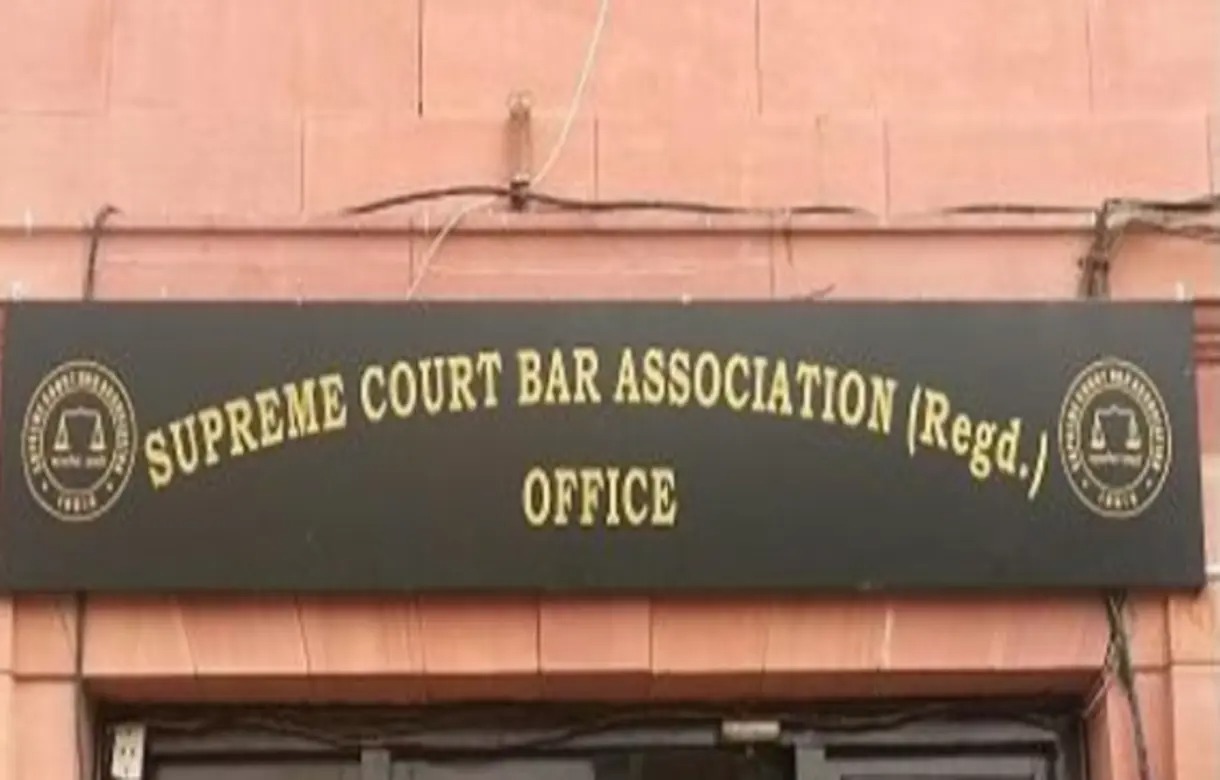
The Supreme Court Bar Association (SCBA) election campaigning has hotted up with Senior Advocate Kapil Sibal entering the fray in the last moment for the President’s post. Sibal’s main contender is Pradeep Rai, SCBA Vice-President for two terms and an active Senior Advocate known for his concern for members’ cause. Sibal, a Rajya Sabha MP from the Samajwadi Party, had filed his nomination on May 9, a mere seven days before the elections on May 16. The nomination of Sibal has triggered a debate whether a politician should contest and hold the presidentship of the SCBA.
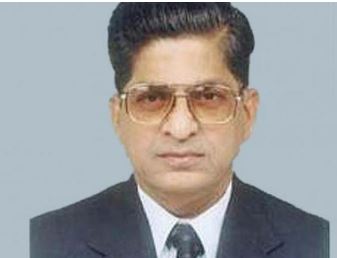
Justice PV Shetty, former Lokayukta, Karnataka, told India Legal: “The President-elect should not make use of the position as the office-bearer of the association to improve his position. His political will should not find place in the association’s acitivity. It should be kept separate. One is elected as the President of the SCBA and one should not use the position to improve his political status.”
The SCBA’s mandate is to facilitate a constructive dialogue between the Bar and the Bench, nurturing an environment conducive to the administration of justice. However, partisanship can effectively mar any such interactive effort. A politician brings with himself a baggage of not only entrenched ideologies but vested interests too. He juggles two careers and two ambitions at a time. It opens up the SCBA or any organisation to become a tool of partisan motives, turning it into an impediment rather than a facilitator of legal discourse. This has potential to erode public trust in the judiciary and compromise the sanctity of law administration and justice.
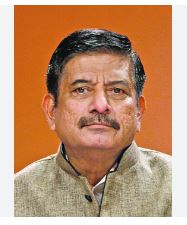
Justice Sridhar Rao, former acting chief justice of Gauhati High Court, told India Legal: “Allowing a Member of Parliament or Member of Legislative Assembly to hold senior posts in the SCBA is not tenable. The association will then have the character of a political party. It will also affect the unity of the Bar.”
Accessibility is another crucial factor that underscores the unsuitability of politicians for leadership roles within professional bodies such as the SCBA. A politician’s hectic schedule, divided between political engagements and legal pursuits, leaves little room for meaningful engagement with the grassroots members of the Bar. A leader who is inaccessible to the common man cannot truly understand their concerns and represent their interests effectively.
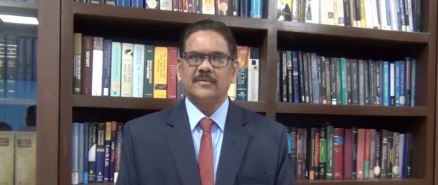
Prof Suryaprakash, Vice Chancellor, National Law Institute University (NLIU), Bhopal, told India Legal: “Article 19 (i) (c) provides for freedom to form associations and unions. The SCBA has been formed not for political aggrandisement but for protection and promotion of advocates interests and rights; and to facilitate administration of justice. SCBA assists the highest court in justice delivery system, and is a part of justice delivery system. The Bar and the Bench go hand in hand. No politician should head the SCBA as it would make all political parties vie with each other to set up their own candidate and would thus make the association a political arena. Bar and Bench go hand in hand. No politician should head the SCBA. It should be headed only by legal professionals.”
Sibal was previously elected SCBA President three times, his last tenure was twenty-three years ago in 2001. Before that, he was President during the 1995-96 and 1997-98 terms. Kapil Sibal also served as the Additional Solicitor General of India during 1989–90.
Senior Advocate Pradeep Rai has over 25 years of standing at the Bar in the Supreme Court of India, various High Courts, Commissions, Regulatory Bodies and Tribunals. During his two terms as Vice-President, SCBA, Rai has taken quite a few initiative to promote the interests of the SCBA members which includes mediation programs, members housing , health benefits for members, chamber allotment and cultural programs.
Incumbent SCBA President Senior Advocate Adish Aggarwala is standing for re-election. Apart from Sibal, Rai and Aggarwala, Senior Advocate Priya Hingorani, Advocates Neeraj Srivastava and Tripurari Ray are also in the fray.
The SCBA elections will be held on May 16 . Voters will choose the President, Vice-President, Secretary, and Treasurer. A debate will be held in the Supreme Court lawns between the candidates for the posts of President and Hony Secretary on May 15. Votes will be counted on May 18, Saturday.
India News
Delhi Police offers 11-person limit for CJP’s Connaught Place protest
Delhi Police has offered to facilitate a group of 11 people at Central Park in Connaught Place for the Cockroach Janata Party’s October 16 protest, while warning that violations of prohibitory orders could invite legal action.


India News
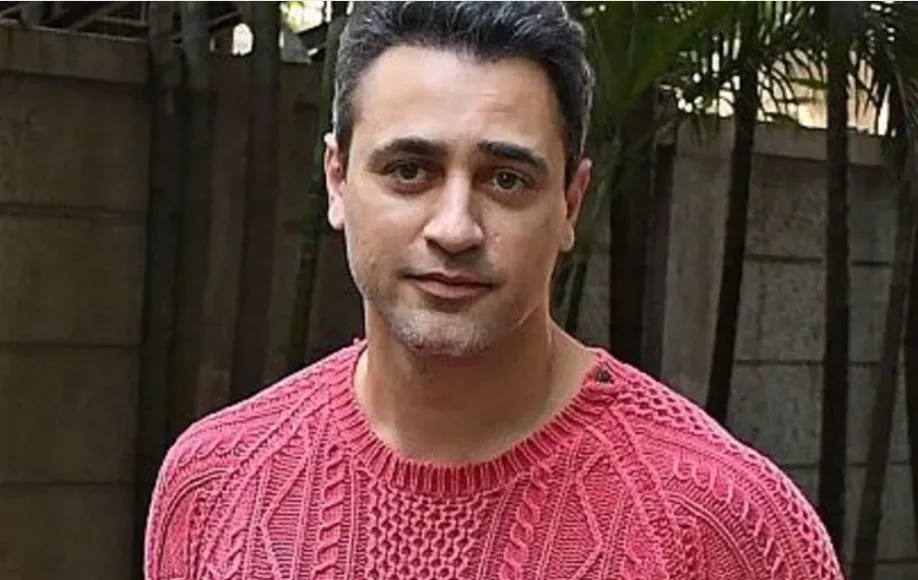
Actor Imran Khan asked to leave India after CJP protest
Actor Imran Khan has been asked to leave India by October 28, days after participating in a protest called by the Cockroach Janta Party (CJP) in Mumbai.
India News
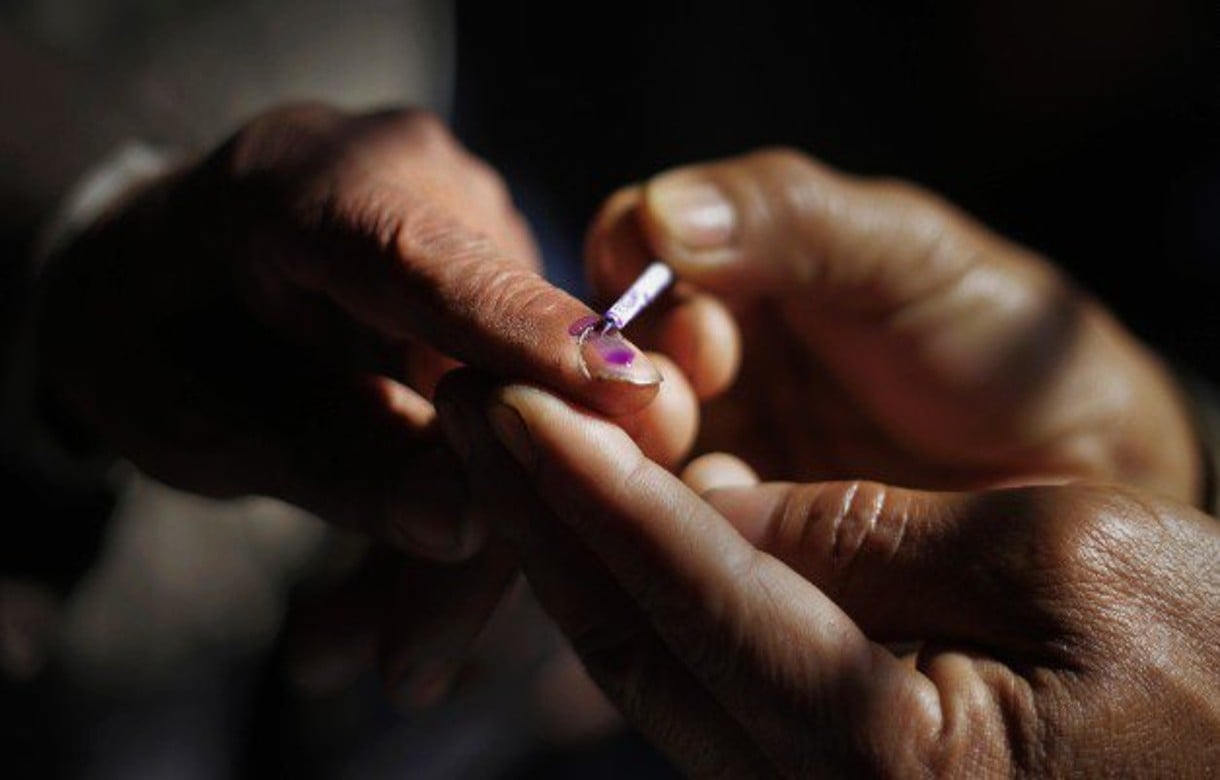
Election Commission orders voter roll revision in 17 states, UTs
The Election Commission has ordered a Special Summary Revision of electoral rolls in 17 states and Union Territories. Draft rolls are scheduled for November 12, with final rolls due on January 4, 2027.

Supreme Court questions EC over missing records in Sringeri election dispute

Dhruv Rathee gets fresh summons in 2018 BJP IT cell video case

Nobody can browbeat judiciary, Chief Justice warns over Rahul Gandhi’s march

India-US trade deal first phase finalised, drafting underway

Election Commission orders voter roll revision in 17 states, UTs

Delhi Police offers 11-person limit for CJP’s Connaught Place protest

Actor Imran Khan asked to leave India after CJP protest
Election Commission orders voter roll revision in 17 states, UTs
India-US trade deal first phase finalised, drafting underway
Nobody can browbeat judiciary, Chief Justice warns over Rahul Gandhi’s march

Afghan Men Try To Hang With The Jet Engine Of The Aircraft in Kabul- Afghanistan News – Kabul News
Trending Top 10 News: 10000 Crore Fine on Flipkart, Apple to Launch Unique Feature, Hdfc Bank Job Ad

Trending Top 10 News: Nokia 6310, Apple sales, Bachpan ka Pyar Video Kid, Dainik Bhaskar IT Raid

Trending Top 10 News: Canada bans Indian flights, Rain in Delhi NCR, AIMIM Twitter hacked, Raj Kundra case

Trending Top 10 News: Shein India, Apple New Service, Pocket Oxygen, Oppo Launched New Phone
-
 India News24 hours ago
Supreme Court questions EC over missing records in Sringeri election dispute
-
 India News12 hours ago
Dhruv Rathee gets fresh summons in 2018 BJP IT cell video case
-
 India News8 hours ago
Nobody can browbeat judiciary, Chief Justice warns over Rahul Gandhi’s march
-
 India News4 hours ago
India-US trade deal first phase finalised, drafting underway
-
 India News2 hours ago
Election Commission orders voter roll revision in 17 states, UTs
-
 India News1 hour ago
Actor Imran Khan asked to leave India after CJP protest
-
 India News6 mins ago
Delhi Police offers 11-person limit for CJP’s Connaught Place protest
