
India News
Telangana: Opposition unites against TRS, demand President’s rule


After having succeeded in forming government in Karnataka, opposition was seen united against Telangana Rashtra Samiti (TRS) in Hyderabad Tuesday night when Congress, the Telugu Desam Party (TDP), Telangana Jana Shakti (TJS) and the Communist Party of India (CPI) – joined hands to form a grand alliance for unified contest in the upcoming state Assembly elections. They have demanded President`s rule in the state until the Assembly polls.
According to reports a group of senior political leaders from four political parties met Governor ESL Narasimhan.
The opposition parties have also been reportedly trying to unite with Kodandaram (of TJS) and seek support of various organisations representing employees, unemployed and women`s groups.
A senior Congress leader has indicated that opposition alliance in Telangana will be in line for a united opposition ahead of 2019 general elections.
Read More: Election Commission condemn Telangana CM’s election schedule remarks
R C Khuntia, AICC-in-charge of Telangana affairs said, “This is only the preliminary stage. We have not discussed seat sharing. But we are formulating a broad-based alliance, including the TDP also, on the basis of the common minimum programme.”
This is the first time in TDP’s 35-year-old history that it is joining hands with the Congress in a state. Justifying the alliance, Khuntia said the Congress does not harbour any bitter feelings towards the TDP.
Read More: KCR dissolves Telangana assembly 8 months before full term to have polls by year-end
R Chandrasekar Reddy, the former TDP legislator accused the caretaker government of misusing power and arresting two senior Congress leaders on false charges.
He said, “Our delegation met the governor today and said the present caretaker government is violating both constitution and the democratic norms. The caretaker chief minister has also superimposed his authority over the election commission of India and announced the schedule of the elections, which is unheard of. So we requested the governor to impose the president rule and take over the administration of the state to ensure free and fair polls in the state”.
 On September 6, Governor Narasimhan dissolved the state assembly following a recommendation from the K Chandrashekhar Rao-led cabinet. The Governor, however, asked Rao to continue as caretaker Chief Minister until the new government was formed.
On Tuesday, Umesh Sinha, the Deputy Election Commissioner led a team of officials and met top state officials and leaders of different political parties to assess the preparedness for the conduct of Assembly elections in the state. They will submit their report to the Election Commission before it decided the election schedule.








India News
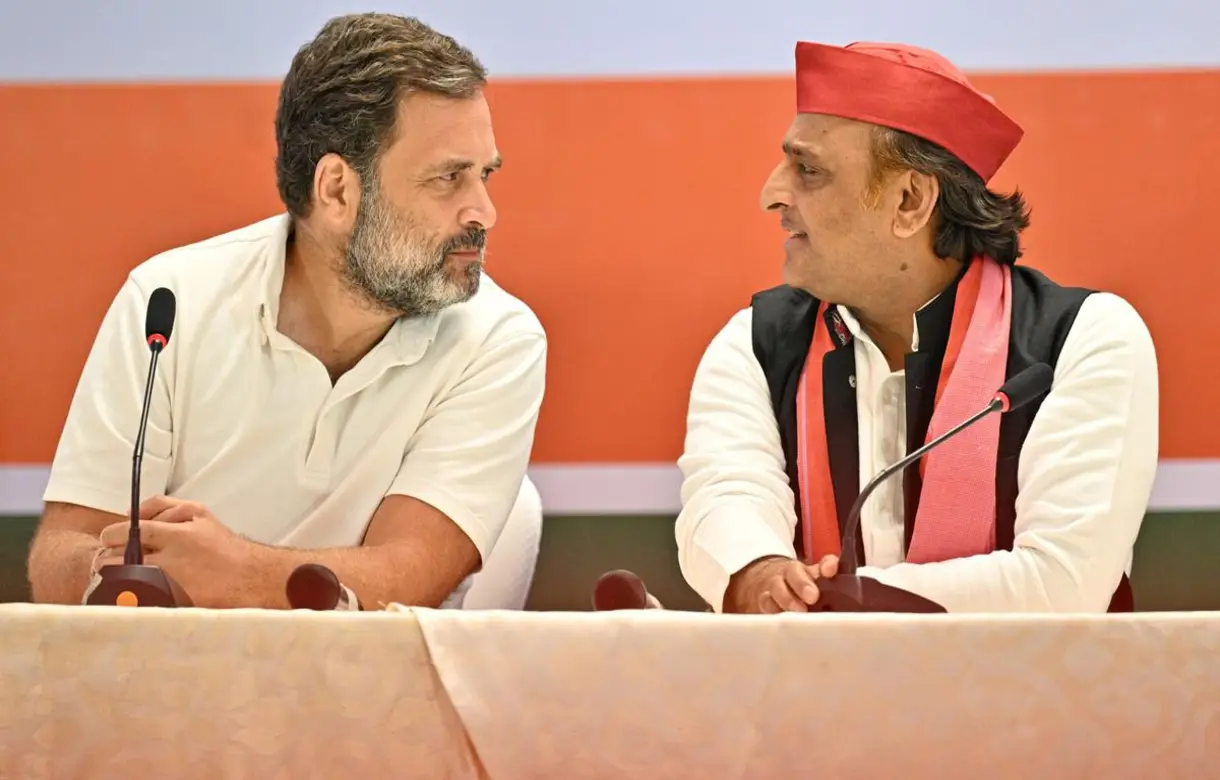
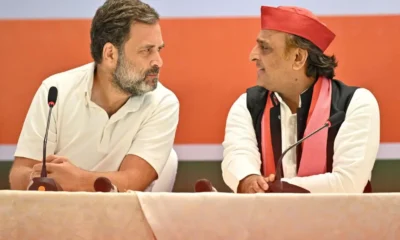
Congress seeks 175-200 seats in UP, Samajwadi Party stresses on winnability
Congress has initiated seat-sharing talks with the Samajwadi Party for the 2027 UP Assembly elections, seeking to contest 175–200 seats. The SP has emphasised winnability as the key criterion for allocating constituencies.

India News
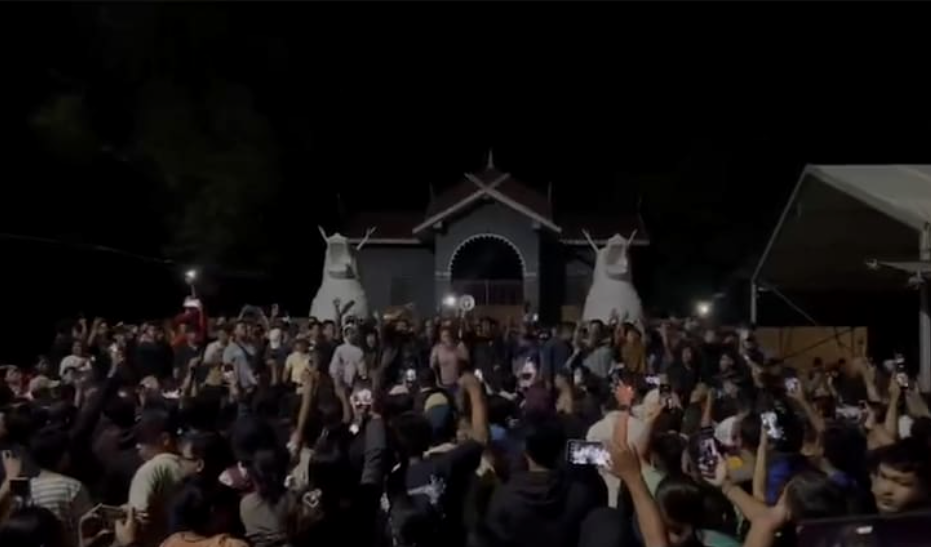
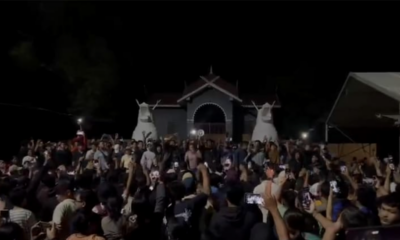
Thousands bang utensils, beat drums in Manipur protest over continued killings
Thousands of people staged a sound protest across Manipur’s five valley districts on Friday, October 23, banging utensils, beating drums and honking vehicle horns to protest continued killings and the prolonged ethnic conflict.
India News
MEA responds after ITBP chief flags ongoing face-offs with China in Arunachal
India said deviations by Chinese forces from established patrolling patterns periodically disturb the situation along the Line of Actual Control, as the government addressed remarks by the ITBP chief about ongoing face-offs in Arunachal Pradesh.

Om Prakash Mathur sworn in as Keralam Governor

PM Modi to inaugurate Rs 169-crore RBI data centre in Odisha on October 25

MEA responds after ITBP chief flags ongoing face-offs with China in Arunachal

Delhi High Court rejects Neha Bora’s plea against peace bond notice

Thousands bang utensils, beat drums in Manipur protest over continued killings

Congress seeks 175-200 seats in UP, Samajwadi Party stresses on winnability
Thousands bang utensils, beat drums in Manipur protest over continued killings
MEA responds after ITBP chief flags ongoing face-offs with China in Arunachal
Delhi High Court rejects Neha Bora’s plea against peace bond notice
PM Modi to inaugurate Rs 169-crore RBI data centre in Odisha on October 25

Afghan Men Try To Hang With The Jet Engine Of The Aircraft in Kabul- Afghanistan News – Kabul News
Trending Top 10 News: 10000 Crore Fine on Flipkart, Apple to Launch Unique Feature, Hdfc Bank Job Ad

Trending Top 10 News: Nokia 6310, Apple sales, Bachpan ka Pyar Video Kid, Dainik Bhaskar IT Raid

Trending Top 10 News: Canada bans Indian flights, Rain in Delhi NCR, AIMIM Twitter hacked, Raj Kundra case

Trending Top 10 News: Shein India, Apple New Service, Pocket Oxygen, Oppo Launched New Phone
-
 India News20 hours ago
Om Prakash Mathur sworn in as Keralam Governor
-
 India News19 hours ago
PM Modi to inaugurate Rs 169-crore RBI data centre in Odisha on October 25
-
 India News18 hours ago
MEA responds after ITBP chief flags ongoing face-offs with China in Arunachal
-
 India News18 hours ago
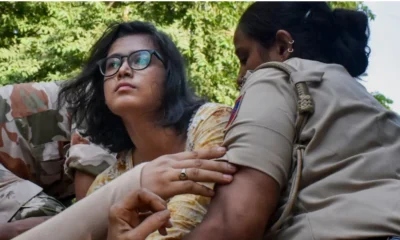
Delhi High Court rejects Neha Bora’s plea against peace bond notice
-
 India News5 hours ago
Thousands bang utensils, beat drums in Manipur protest over continued killings
-
 India News4 hours ago
Congress seeks 175-200 seats in UP, Samajwadi Party stresses on winnability
