
India News
Global efforts for Covid vaccine continue; India hopes for the best
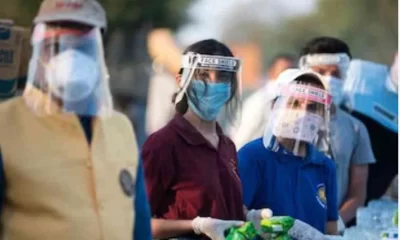
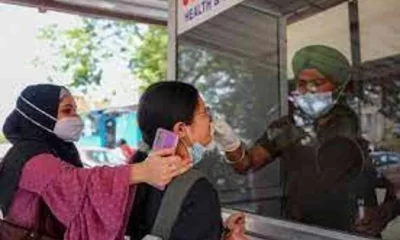
As the novel coronavirus continues to wreak havoc across the world, scientists and researchers across the world are making great strides in developing a vaccine to combat the spread of the highly infectious disease.


As the novel coronavirus continues to wreak havoc across the world, scientists and researchers across the world are making great strides in developing a vaccine to combat the spread of the highly infectious disease. Currently, there are more than 160 vaccine candidates in different stages of clinical trials and 32 vaccines have already reached the crucial human trials phase. With more than 22 million coronavirus cases across the world, a vaccine fit for human use remains our biggest hope in containing the novel coronavirus.
India, which reported more than 12 lakhs COVID-19 cases in the month of August is already developing two indigenous coronavirus vaccines, namely COVAXIN and ZyCoV-D.
As of now, the country is hopeful that the COVID-19 vaccine developed by Oxford University’s Jenner Insititute might the first coronavirus to be available for Indians by the end of 2020. The vaccine candidate backed by British-Swedish pharmaceutical AstraZeneca will be launched under the brand name COVISHIELD in India.

The British Pharma giant AstraZeneca has tied up with the Pune-based Serum Institute of India to produce a billion doses for low-income nations including India. The Drug Controller General of India (DCGI) had already given the go-ahead to conduct Phase II/III trial of Oxford vaccine in India. The trials are being conducted in 17 selected sites across India on 1600 volunteers, including KEM and Nair Hospitals of Mumbai.
Given that Oxford’s COVID vaccine trials are already in advanced stages in India and Bharat Biotech’s Covaxin and Ahmedabad-based Zydus Cadila’s Zycov D are only in the early phases of human trials, India is hopeful that Oxford’s vaccine could be the first COVID-19 shot given to Indians.
Read Also: VACCINE BY YEAR-END : HARSHVARDHAN
It should be noted that clinical trials of India’s locally produced vaccine ‘Covaxin’ and ‘Zycov D’ have been fast-tracked and both the vaccine candidates are looking to complete their human trials by the end of 2020. This would essentially mean that a homegrown coronavirus vaccine may be pushed out in public circulation by the first quarter of 2021, as per the Health Minister of India.
He further stated that there a possibility that India’s first coronavirus vaccine ‘COVAXIN’ could be made available by the end of the year. Speaking to HT, Dr Harsh Vardhan also noted that since Serum Institute of India has already commenced the late-stage trials of Oxford’s vaccine, he was hopeful that India might get it by year-end.






India News
Centre sends 3 letters to Punjab government after anti-drug activist’s killing
The Centre has sought reports from the Punjab government on three incidents linked to allegations surrounding drug-related activities, including the killing of anti-drug activist Parvinder Singh Jhota.

India News
Mallikarjun Kharge seeks all-party meeting with PM Modi on delimitation
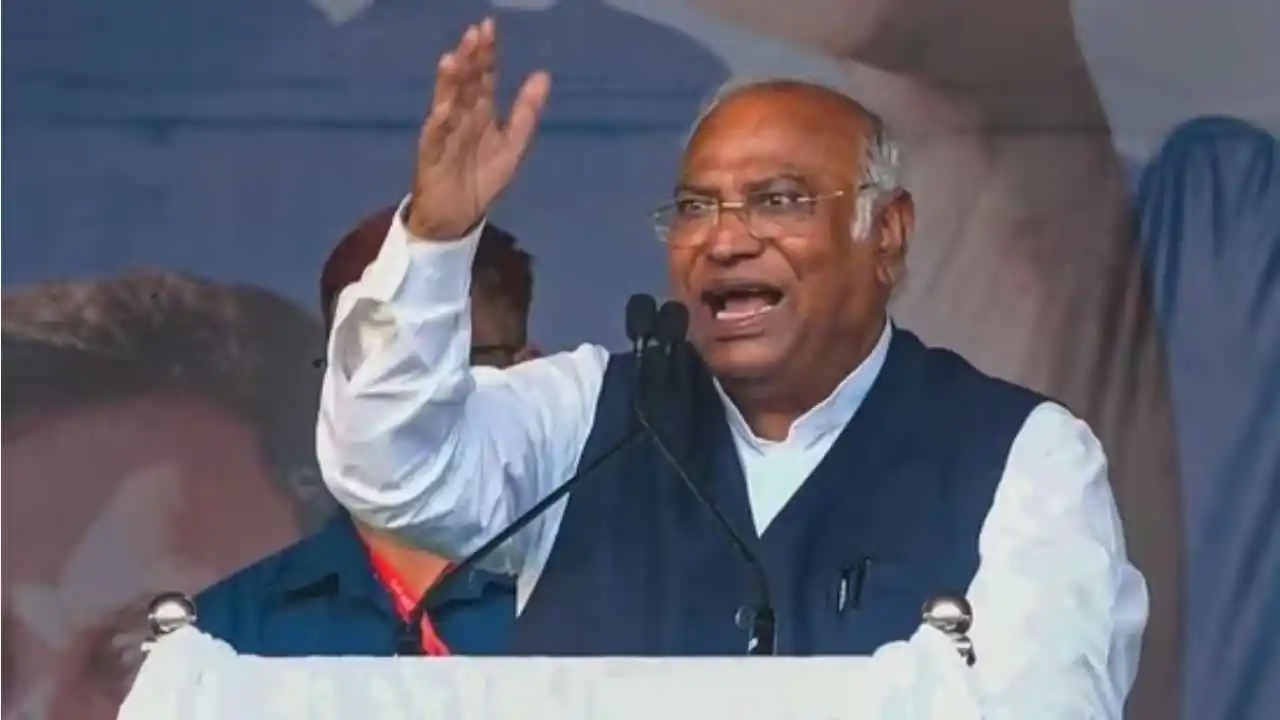
Congress president Mallikarjun Kharge has written to Prime Minister Narendra Modi for the fourth time, seeking an all-party meeting on delimitation. He also flagged the 64-day delay in proroguing Parliament’s Monsoon Session.
India News
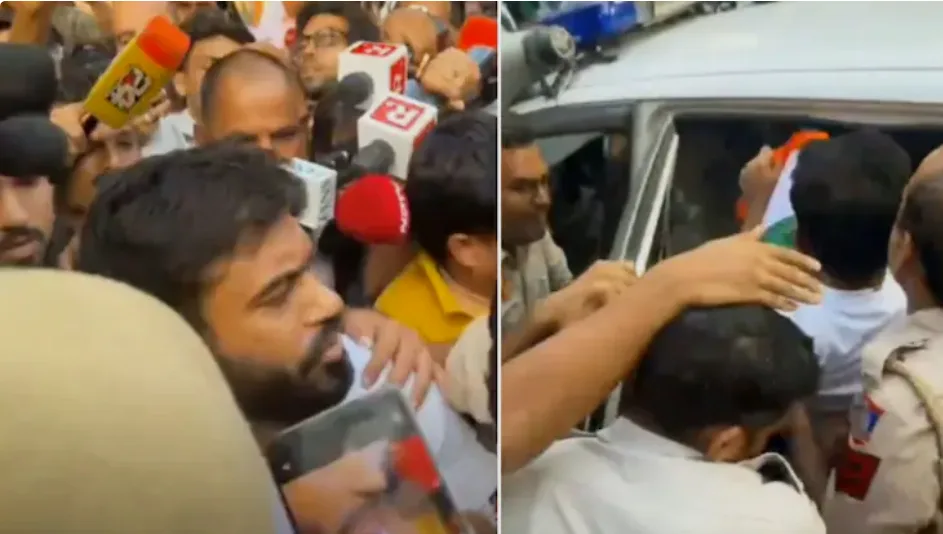
Abhijeet Dipke detained ahead of CJP’s national flag march in Delhi
Cockroach Janta Party founder Abhijeet Dipke was detained by Delhi Police on October 16, 2026, shortly before a planned national flag march. The proposed rally followed the judicial custody of two CJP members who had waved the Tricolour at Jantar Mantar.

Magnitude 7 earthquake strikes Russia’s Kamchatka Peninsula

Mallikarjun Kharge’s ‘Your Friends’ jab at Rahul Gandhi over congress exits

Delhi deploys 25,000 personnel, installs CCTV cameras ahead of CJP march

Abhijeet Dipke detained ahead of CJP’s national flag march in Delhi

Mallikarjun Kharge seeks all-party meeting with PM Modi on delimitation

Centre sends 3 letters to Punjab government after anti-drug activist’s killing
Mallikarjun Kharge seeks all-party meeting with PM Modi on delimitation
Abhijeet Dipke detained ahead of CJP’s national flag march in Delhi
Magnitude 7 earthquake strikes Russia’s Kamchatka Peninsula
Delhi deploys 25,000 personnel, installs CCTV cameras ahead of CJP march

Afghan Men Try To Hang With The Jet Engine Of The Aircraft in Kabul- Afghanistan News – Kabul News
Trending Top 10 News: 10000 Crore Fine on Flipkart, Apple to Launch Unique Feature, Hdfc Bank Job Ad

Trending Top 10 News: Nokia 6310, Apple sales, Bachpan ka Pyar Video Kid, Dainik Bhaskar IT Raid

Trending Top 10 News: Canada bans Indian flights, Rain in Delhi NCR, AIMIM Twitter hacked, Raj Kundra case

Trending Top 10 News: Shein India, Apple New Service, Pocket Oxygen, Oppo Launched New Phone
-
 Latest world news15 hours ago
Magnitude 7 earthquake strikes Russia’s Kamchatka Peninsula
-
 India News16 hours ago
Mallikarjun Kharge’s ‘Your Friends’ jab at Rahul Gandhi over congress exits
-
 India News15 hours ago
Delhi deploys 25,000 personnel, installs CCTV cameras ahead of CJP march
-
 India News6 hours ago
Abhijeet Dipke detained ahead of CJP’s national flag march in Delhi
-
 India News5 hours ago
Mallikarjun Kharge seeks all-party meeting with PM Modi on delimitation
-
 India News4 hours ago
Centre sends 3 letters to Punjab government after anti-drug activist’s killing
