
India News
PM Modi defends farm bills again, says Opposition still misleading farmers, people
Prime Minister Narendra Modi has said that the new farm bills, that were passed in Rajya Sabha on Sunday, will change the economic condition of the farmers. He also assured the farmers that mandis and MSP will continue.


Prime Minister Narendra Modi said on Monday that the new farm bill that was passed in the Rajya Sabha on Sunday will change the condition of farmers forever and the bill is totally in favour of farmers. He said 21st century India needed the passage of the farm bill.
PM Modi said that through these bills, farmers would be free to sell their products and goods at whatever rates they want and anywhere they want and the main focus was to remove middlemen.
PM Modi assured the farmers that the new farm bill is not against APMC mandis, the government procurement of their products, and added that the Minimum Support Price (MSP) mechanism will continue. Meanwhile, he added only the NDA government has continuously worked to modernize mandis in the country.

The Rajya Sabha passed the Farmers’ Produce Trade and Commerce (Promotion and Facilitation) Bill, 2020 and the Farmers (Empowerment and Protection) Agreement on Price Assurance and Farm Services Bill, 2020 by voice vote despite Opposition members’ requests to refer it to a select committee.
The laws around produce and yield earlier had tied the hands of farmers. People were taking advantage of farmers — that’s why it was important to bring change in this situation, PM said.
Suddenly, many people have problems with the new laws. Questions were raised what will happen to krishi mandis? Will they close down? This will never happen, he said.
Read Also: Centre pushes farm bills through Rajya Sabha, Opposition cries murder of democracy
Prime Minister Narendra Modi slammed the Opposition for misleading the farmers across the country. He further added that the new law is not against krishi mandis. The way work was done there before, will continue. The government has made efforts to make krishi mandis better. People who are saying these laws will hurt krishi mandis are lying, he said









India News
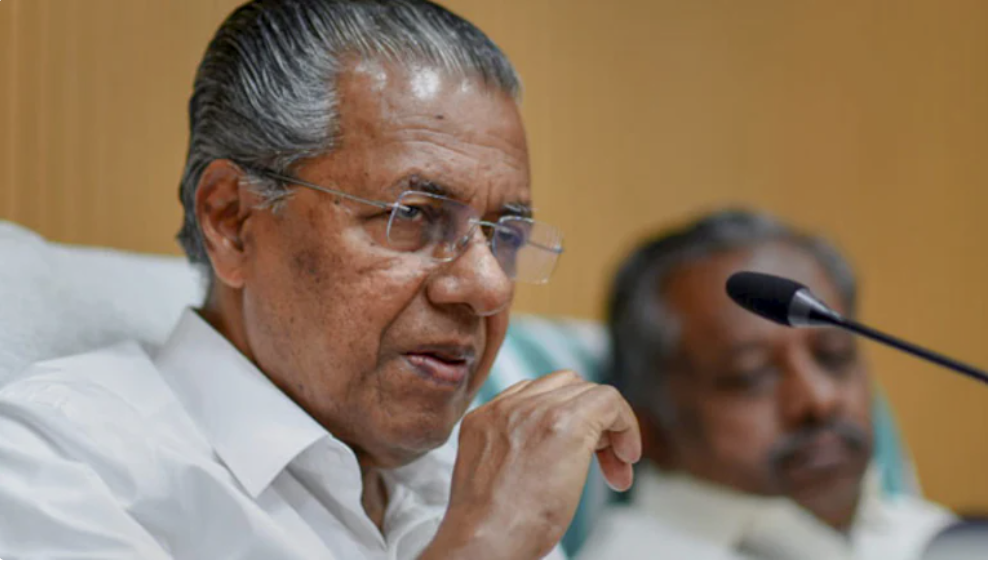
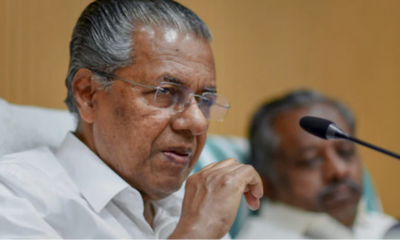
ED summons Pinarayi Vijayan in money laundering case
The Enforcement Directorate has summoned former Kerala chief minister Pinarayi Vijayan for questioning in a money-laundering investigation linked to alleged payments by Cochin Minerals and Rutile Ltd to his daughter’s company, Exalogic Solutions.

India News
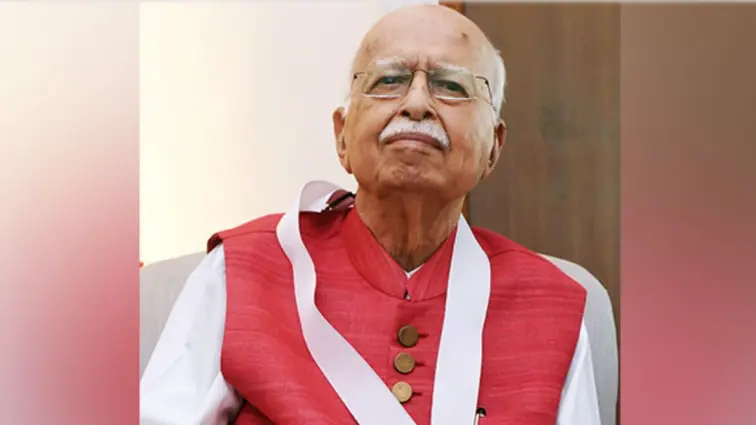
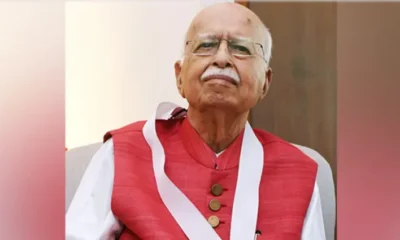
LK Advani, 98, hospitalised in Delhi with chest infection
Veteran BJP leader LK Advani, 98, has been admitted to Delhi’s Indraprastha Apollo Hospital with a chest infection. Hospital officials said his condition was stable.
India News
Centre sends 3 letters to Punjab government after anti-drug activist’s killing
The Centre has sought reports from the Punjab government on three incidents linked to allegations surrounding drug-related activities, including the killing of anti-drug activist Parvinder Singh Jhota.

Mallikarjun Kharge seeks all-party meeting with PM Modi on delimitation

Centre sends 3 letters to Punjab government after anti-drug activist’s killing
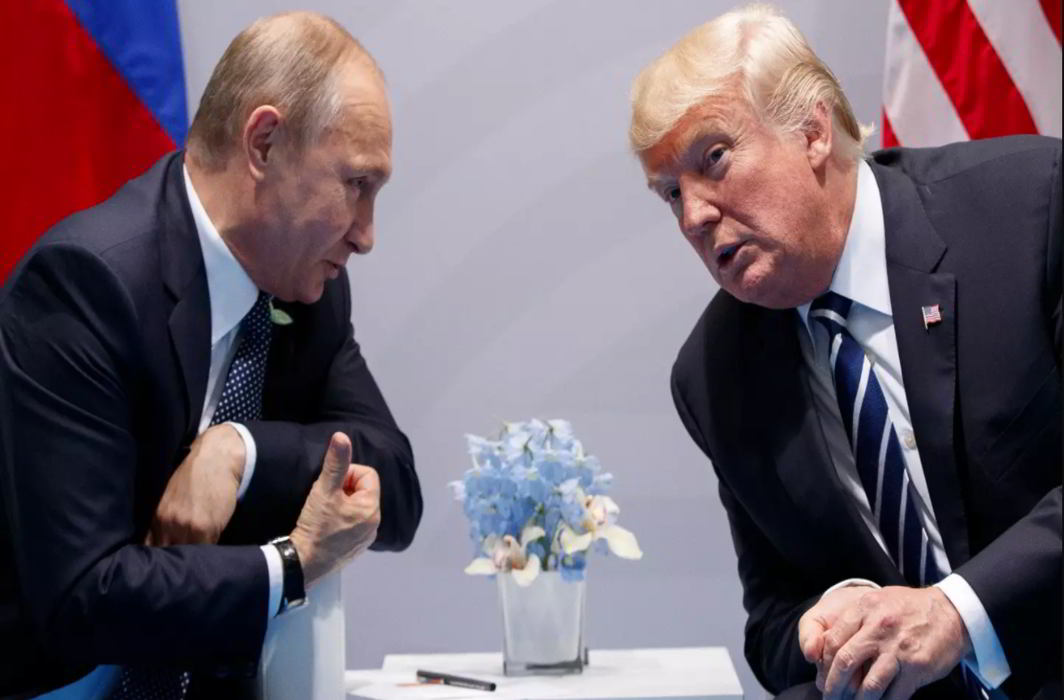
Trump waives Russia-related sanctions, tariffs in relief for India

LK Advani, 98, hospitalised in Delhi with chest infection

ED summons Pinarayi Vijayan in money laundering case
ED summons Pinarayi Vijayan in money laundering case
LK Advani, 98, hospitalised in Delhi with chest infection
Trump waives Russia-related sanctions, tariffs in relief for India
Centre sends 3 letters to Punjab government after anti-drug activist’s killing
Mallikarjun Kharge seeks all-party meeting with PM Modi on delimitation

Afghan Men Try To Hang With The Jet Engine Of The Aircraft in Kabul- Afghanistan News – Kabul News
Trending Top 10 News: 10000 Crore Fine on Flipkart, Apple to Launch Unique Feature, Hdfc Bank Job Ad

Trending Top 10 News: Nokia 6310, Apple sales, Bachpan ka Pyar Video Kid, Dainik Bhaskar IT Raid

Trending Top 10 News: Canada bans Indian flights, Rain in Delhi NCR, AIMIM Twitter hacked, Raj Kundra case

Trending Top 10 News: Shein India, Apple New Service, Pocket Oxygen, Oppo Launched New Phone
-
 India News24 hours ago
Mallikarjun Kharge seeks all-party meeting with PM Modi on delimitation
-
 India News23 hours ago
Centre sends 3 letters to Punjab government after anti-drug activist’s killing
-
Latest world news11 hours ago
Trump waives Russia-related sanctions, tariffs in relief for India
-
 India News11 hours ago
LK Advani, 98, hospitalised in Delhi with chest infection
-
 India News9 hours ago
ED summons Pinarayi Vijayan in money laundering case
