English हिन्दी
Connect with us

Festivals

Chaitra Navratri 2022: Easy and nutritious Vrat-friendly recipes

Chaitra Navratri 2022 will start tomorrow, April 2, 2022, the devotees are gearing up to celebrate this pious festival at home.

Published

on

Chaitra Navratri 2022: Easy and nutritious Vrat-friendly recipes

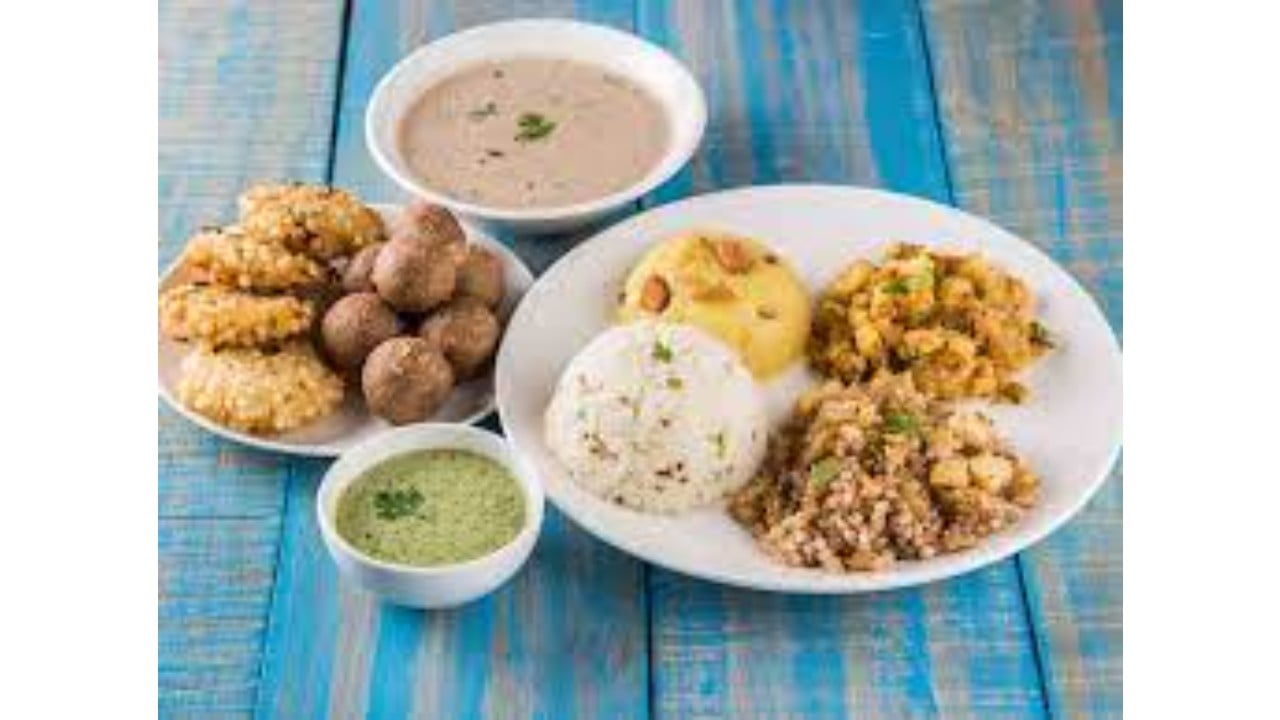
The religious festival of Chaitra Navratri 2022 has started from today and devotees are gearing up to celebrate this auspicious ocassion.  During Chaitra Navratri, a nine-day holiday, devotees pay homage to Goddess Durga and her nine incarnations. One of the best ways to honour any festival is through food, and Navratri is known for its wonderful vrat-friendly delicacies.

The observance of vrat (or fast) during the nine-day period is one of the most important rituals of Navratri. Many Hindus avoid eating non-vegetarian foods and consuming alcohol in favor of light, sattvic foods that help cleanse our digestive systems.

According to numerous health experts, the Navratri season is an ideal time to cleanse our bodies of heavy foods. Some nutrition specialist believes that this is the ideal time to give our bodies a rest from the heavy foods we eat on a regular basis and switch to a Sattvic diet for days.

Read Also: Defence Ministry says armed forces personnel who die on duty not martyrs, so what do we call brave soldiers who stake their lives for our safety?

This promotes our bodies in rejuvenating and preparing for the following intense season. Also, the components used to create Navratri cuisine are extremely healthy including specific vegetables, almonds, milk and milk derivatives, and so forth.

If you’re observing the Navratri fasts, we’ve put together a delicious meal plan for you, packed with vrat-friendly meals.

Here’s a nutritious Navratri plan with tasty Vrat-friendly recipes:

For Breakfast

Kuttu Ka Cheela:-

1. Using kuttu ka atta, sendha namak, cumin seeds, and green chilly, make a pourable batter.

2. Grease the hotplate using desi ghee (we can also use a non-stick pan).

3. Make a round pancake with the back of a spoon and fry until it leaves the side.

4. Add grated paneer and shredded ginger to finish.

5. Serve immediately with tamarind or coconut chutney.

For Lunch

Sabudana Khichdi:-

Read Also: ITR filing last date: What happens if you miss March 31 deadline to file returns

1.Saboodana should be washed till the water is clear. Soak for about an hour in water above the surface.

2. Drain in a colander, then spread out for 1 hour on a thick towel. It’s critical that the water drains completely, or the sabudana would cling together in lumps when cooked.

3. Combine the sabudana, peanuts, salt, and chilli powder in a large mixing bowl until thoroughly combined.

4. Heat the ghee and add the kadhi patta, zeera, and lal mirch. When the mirch has darkened a little, add the saboodana mixture and simmer over low heat until the saboodana is cooked thoroughly. It only takes a few minutes.

5. Remove from the fire and stir in the lemon juice.

6. Garnish with hara dhania and green chilies before serving.

For Evening Snacks

Roasted Makhana:-

During the fasting season, foxnuts, or makhana, are one of the most popular foods, especially because they can be used to construct a variety of dishes. But, aside from that, did you know that plain, roasted makhanas with a dash of rock salt taste divine?

For Dinner

Singhare Atte ka Halwa:-

  1. Heat the ghee, add the atta, and stir-fry over medium heat, being careful not to burn the atta.
  2. In a separate pan, combine the water and sugar and dissolve the sugar over medium heat.
  3. Continue to cook on low heat until ready to use.
  4. Add the sugar solution and cardamom powder after the atta mixture has been sufficiently fried. Bring to a boil, then reduce to low heat and continue to cook until the liquid has been absorbed.
  5. At this point, you can stir once in a while.
  6. When it’s done, a thin line of melted ghee will develop around the edges.
  7. Allow 5-7 minutes for this process.
  8. Garnish with almonds and serve immediately.

Delhi Transport Department to implement enforcement drive from April 1, says driver to be penalised with Rs 10,000, if he doesn’t drive in bus lane

Who is IAS officer Tina Dabi’s fiancé Pradeep Gawande?

Festivals

Good Friday 2026: History, significance and why it is observed by Christians

Good Friday marks the crucifixion of Jesus Christ and is observed with prayer, fasting, and reflection by Christians worldwide.

Published

on

Good Friday

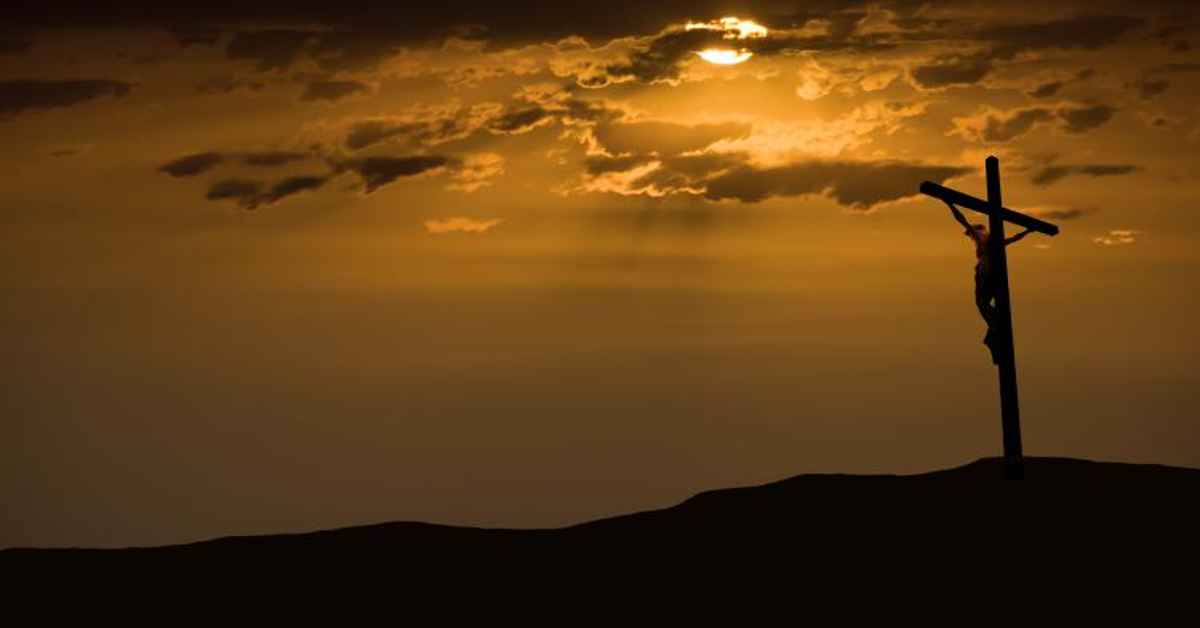
Good Friday, one of the most solemn days in Christianity, will be observed on April 3, 2026. The day commemorates the crucifixion of Jesus Christ and is marked by reflection, prayer, and remembrance of his sacrifice for humanity.

Also known as Holy Friday, Great Friday, or Black Friday, the occasion holds deep spiritual importance for Christians around the world.

History of Good Friday

According to the New Testament, Jesus Christ was arrested and brought before the Roman authorities after being accused of blasphemy by religious leaders. He was later sentenced to death by crucifixion under the orders of Pontius Pilate.

Following the trial, he was made to carry a wooden cross to the site of execution, where he was nailed to it and died. Crucifixion at the time was considered one of the harshest punishments, typically reserved for serious crimes.

For Christians, this event represents the ultimate act of sacrifice, believed to have been undertaken for the redemption of humanity’s sins.

Significance of the day

Good Friday is observed as a day of mourning, prayer, and repentance. Churches hold special services that include scripture readings, hymns, and reflections on the final hours of Christ’s life.

Many traditions associated with the day emphasize solemnity—church bells remain silent, lights are dimmed, and statues may be covered. Devotees often fast, participate in processions, and engage in charitable acts as a form of spiritual observance.

While the day reflects sorrow and sacrifice, it also carries a message of hope. It precedes Easter Sunday, which celebrates the resurrection of Jesus Christ and symbolizes renewal and the promise of new life.

Continue Reading

Festivals

Eid Mubarak 2026 wishes and greetings highlight joy and togetherness

Eid ul-Fitr 2026 is marked by prayers, celebrations and the exchange of heartfelt wishes that reflect joy, gratitude and togetherness.

Published

on

Eid Mubarak

As Eid ul-Fitr is celebrated across the world in 2026, people are sharing warm wishes and messages with family and friends, reflecting the spirit of unity and gratitude. The festival marks the conclusion of Ramadan, a period of fasting, prayer, and reflection observed by Muslims globally.

The occasion is traditionally associated with prayers, acts of charity, and festive meals, while modern celebrations increasingly include exchanging greetings through digital platforms. Messages shared via social media and messaging apps have become an important way to stay connected with loved ones, especially those living far away.

Sharing joy through meaningful messages

People are expressing their emotions through simple yet heartfelt wishes that capture the essence of the festival. Here are 20 messages widely shared during the celebrations:

  1. Eid Mubarak! May your home be filled with happiness and peace.
  2. Wishing you and your family a joyful and blessed Eid.
  3. May this Eid bring success, health, and prosperity to you.
  4. Eid Mubarak! Stay happy and keep smiling always.
  5. May Allah bless you with endless joy this Eid.
  6. Sending warm wishes and love on this special day.
  7. Eid Mubarak to you and your loved ones.
  8. May your prayers be accepted and your heart be content.
  9. Wishing you peace, happiness, and good health this Eid.
  10. May this festival bring new hope and opportunities.
  11. Eid Mubarak! Enjoy every moment with your family.
  12. May your life be filled with light and positivity.
  13. Wishing you a day full of laughter and celebration.
  14. Eid Mubarak! May all your dreams come true.
  15. May this Eid strengthen our bond and bring us closer.
  16. Sending you blessings and warm hugs this Eid.
  17. May your days be bright and your heart be light.
  18. Eid Mubarak! Celebrate with love and gratitude.
  19. May happiness surround you today and always.
  20. Wishing you a peaceful and joyful Eid with your loved ones.

While traditional customs remain central to the festival, the growing role of digital communication highlights how celebrations are evolving with time. The exchange of messages has become a key way to spread positivity and maintain connections.

Eid ul-Fitr continues to serve as a reminder of compassion, generosity, and togetherness, bringing people closer as they celebrate the end of a spiritually significant month.

Continue Reading

Festivals

Eid 2026 in India may fall on March 20 or 21, moon sighting on March 19 to decide

Eid al-Fitr 2026 in India is expected on March 20 or 21, depending on the crescent moon sighting on March 19.
Published

on

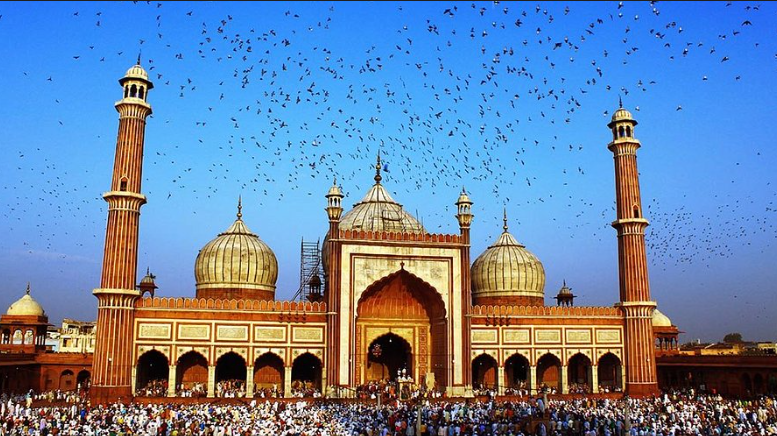
Eid al-Fitr 2026 in India is expected to be celebrated on either March 20 or March 21, depending on the sighting of the crescent moon on the evening of March 19.

The festival, which marks the end of the holy month of Ramadan, is observed based on the Islamic lunar calendar. Religious authorities and moon sighting committees across the country will confirm the date only after verifying the visibility of the Shawwal moon.

Eid 2026 date in India

As per astronomical predictions and traditional practices, if the crescent moon is sighted on March 19, Eid will be observed the next day on March 20. However, if the moon is not visible, Ramadan will complete 30 days, and Eid will be celebrated on March 21.

The final announcement is typically made later in the evening after confirmations from different regions.

Chand Raat 2026 timing

“Chand Raat,” the night marking the sighting of the moon, is expected to be observed on Thursday evening, March 19, 2026. It begins shortly after sunset when people look for the crescent moon.

This night holds cultural importance, with markets witnessing increased activity as people prepare for Eid celebrations.

Significance of Eid al-Fitr

Eid al-Fitr signifies the conclusion of Ramadan, a month dedicated to fasting, prayer, and charity. The festival represents gratitude, spiritual renewal, and a sense of unity within the community.

How Eid is celebrated

The day begins with a special congregational prayer held at mosques and open grounds. People dress in new clothes, exchange greetings of “Eid Mubarak,” and visit friends and family.

Traditional dishes, especially seviyan, are prepared and shared. Giving Zakat al-Fitr, a form of charity, is considered essential to ensure that everyone can participate in the celebrations. Chand Raat is also marked by shopping, applying henna, and festive preparations.

Continue Reading

Trending

© Copyright 2022 APNLIVE.com