English हिन्दी
Connect with us

India News

Amit Shah to release BJP’s West Bengal election manifesto this Friday

The BJP’s upcoming Bengal manifesto is expected to promise a White Paper on the current government and monthly financial aid for youth and women.

Published

on

Amit Shah

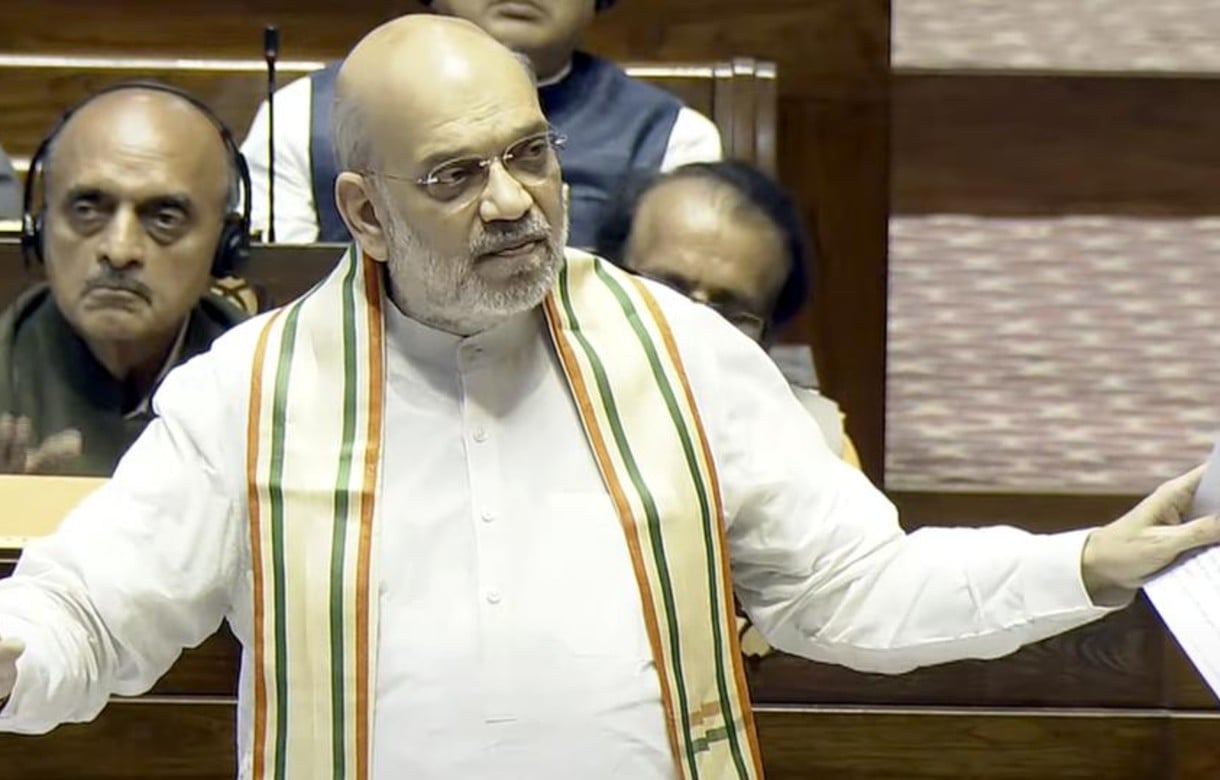
Union Home Minister Amit Shah is set to unveil the BJP’s election manifesto for West Bengal on April 10, according to sources. The document is expected to serve as a dual-purpose roadmap, combining a sharp critique of the current administration with a series of high-stakes development and welfare promises.

Focus on accountability and governance

Central to the manifesto is a pledge to address alleged corruption and misgovernance. Sources indicate the party will promise to release a “White Paper” documenting 15 years of irregularities claimed to have occurred under the ruling party’s tenure. Additionally, the party is expected to outline a crackdown on alleged mafia operations within the coal, sand, and stone mining sectors.

Welfare and employment promises

On the social welfare front, the BJP is likely to propose significant financial assistance. This includes a monthly payment of Rs 3,000 for beneficiaries of the Lakshmi Bhandar scheme. Furthermore, the party plans to introduce the “Yuva Sathi” programme, which would provide Rs 3,000 per month to unemployed youth in the state.

Infrastructure and state employees

The manifesto is also expected to target specific regional and professional demographics:

  • Industrial Growth: Plans to transform Singur into a primary industrial hub.
  • Connectivity: Major infrastructure projects to bridge North and South Bengal through expanded road and airport networks.
  • State Employees: A commitment to clear all pending Dearness Allowance (DA) dues within 45 days of the party forming a government.

Media reports suggest that the strategy aims to balance a rigorous attack on the incumbent government with a clear vision for economic and social reform.

India News

Rahul Gandhi calls protest against Gyanesh Kumar ‘Tandava’, says no plan needed

Rahul Gandhi compared the opposition’s protests against Chief Election Commissioner Gyanesh Kumar to Lord Shiva’s Tandava, saying the movement did not require a fixed plan and would continue.

Published

on

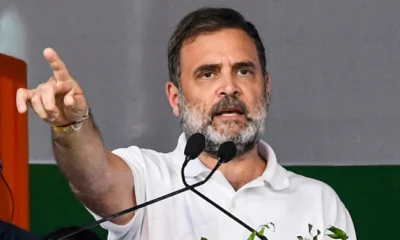
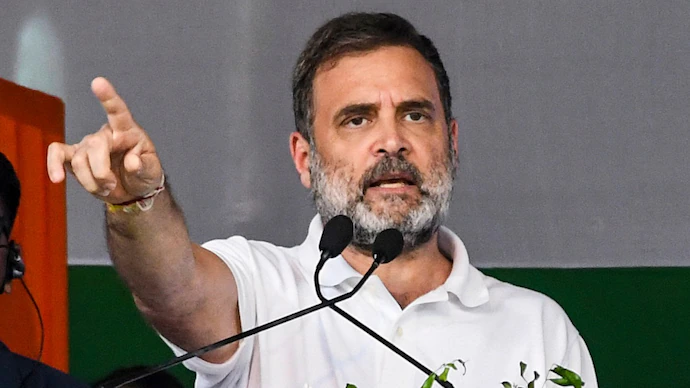
Congress leader Rahul Gandhi on Monday described the opposition’s ongoing protests against Chief Election Commissioner Gyanesh Kumar as Tandava, invoking Lord Shiva’s dance to explain why he believes the movement does not require a fixed strategy.

Speaking at a press conference in New Delhi, the Leader of the Opposition in the Lok Sabha said the protests were aimed at winning the hearts and minds of people across the country. The demonstrations concern alleged irregularities in the Special Intensive Revision (SIR) of electoral rolls and the opposition’s demand for action against Gyanesh Kumar.

Explaining a conversation with his sister, Congress MP Priyanka Gandhi Vadra, Rahul Gandhi said she had suggested that the party should make a plan for its protests.

“My sister tells me that we should make a plan. So I told my sister, ‘You are not understanding the point. This is Tandav. This is Lord Shiva’s dance. There is no planning in this,” he said.

He argued that the movement could take different forms depending on the circumstances, adding that the opposition had changed its approach when police prevented protesters from proceeding as initially intended.

Rahul Gandhi says all protests are part of one movement

Rahul Gandhi rejected the suggestion that demonstrations by different groups should be treated as separate protests. He said they were part of a broader movement to defend the Constitution and encouraged people from different political backgrounds to participate.

“All the protests are one protest. There are no parallel protests and the idea is India is marching,” he said.

The Congress leader added that the movement was open to anyone who wanted to defend the Constitution, regardless of their political affiliation.

Using the religious imagery again, Gandhi said people could join what he described as “Shiv ki Baraat”, or Lord Shiva’s procession.

He also referred to the Bharat Jodo Yatra, saying people had walked together during the campaign without a single leader dominating the procession. He described that experience as another example of the unity he associated with the movement.

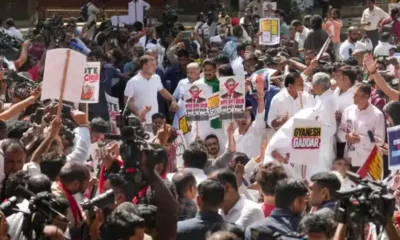
Opposition plans march to Supreme Court

The remarks came as INDIA bloc leaders prepared to march towards the Supreme Court to continue their protest against the Election Commission and the SIR process.

Gandhi referred to an earlier sit-in at Akashvani Bhavan in Delhi, explaining that the original plan had been to travel by bus, sit at the location and get arrested. When police did not allow the protesters to proceed as intended, the approach changed.

He questioned whether the outcome had resulted from a predetermined plan or from adapting to the circumstances.

The opposition has been demanding Gyanesh Kumar’s removal over allegations concerning the electoral revision process. These are allegations made by opposition leaders and should not be treated as established findings.

Rahul Gandhi says resistance will continue

Gandhi said the protests were not limited to demonstrations on the streets, arguing that the opposition was seeking to influence public opinion.

“We are not fighting for the street, we are fighting for the mind, heart of Indian people,” he said.

He also said the movement would continue and reiterated his criticism of Gyanesh Kumar, Prime Minister Narendra Modi and Union Home Minister Amit Shah.

Asked about possible communication with the government, Gandhi said several people had reached out to those around him, although he had not been contacted directly. He maintained that he was making his position public through press conferences and public appearances.

The Congress leader’s remarks underscored his stated intention to continue the opposition’s campaign against the Election Commission and the SIR process, using different forms of protest rather than following a single fixed plan.

Continue Reading

India News

MPSC aspirants end 10-day protest as Tukaram Mundhe joins probe panel

Maharashtra Public Service Commission aspirants have called off their 10-day protest in Pune after the state government announced an inquiry committee to investigate alleged recruitment irregularities and paper leaks. Senior IAS officer Tukaram Mundhe has been named the committee’s secretary.
Published

on

A 10-day protest by Maharashtra Public Service Commission (MPSC) aspirants in Pune ended late Sunday night after the state government announced the formation of a committee to investigate alleged irregularities in the recruitment body, including examination paper leaks.

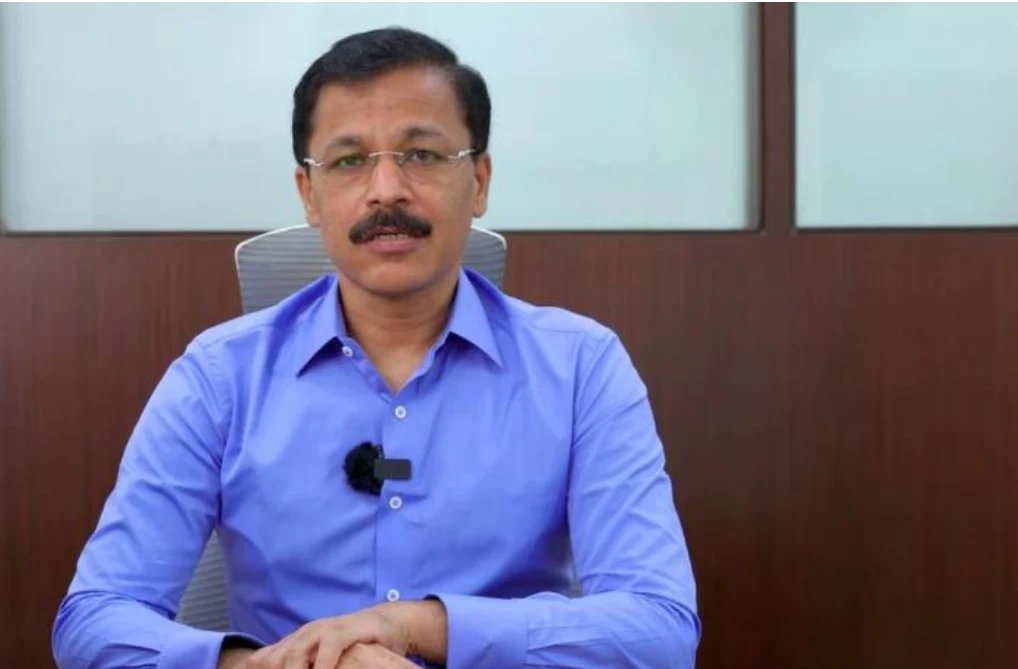
Senior IAS officer Tukaram Mundhe, who serves as the state’s Food and Drug Administration commissioner, has been appointed secretary of the inquiry committee. Former judge Dilip Bhosale will head the panel, which will also include IPS officer Laxmi Gautam, former IAS officer Ganesh Patil and retired judge P D Naik.

The development followed discussions between the protesting aspirants and a government delegation led by Maharashtra minister Shivendra Raje Bhosale. The government informed the protesters that most of their demands had been accepted.

MPSC Chairman Vivek Bhimanwar subsequently announced that he had gone on leave until the inquiry was completed.

Why MPSC aspirants were protesting

The aspirants had been demonstrating at S M Joshi Bridge in Pune over irregularities in the functioning of the state recruitment body. Their demands included an investigation into alleged examination paper leaks, reforms in the commission and the removal of Bhimanwar as chairman.

The demand concerning the chairman’s position remained a major point of disagreement during discussions with the government.

Nationalist Congress Party (Sharadchandra Pawar) MLA Rohit Pawar, who participated in the agitation, suggested that Bhimanwar could be kept away from the chairman’s post until the inquiry was completed, arguing that the resignation process could take time.

The suggestion led to differences among the protesters, with some supporting the proposal while others insisted that the chairman be removed before they ended the agitation.

Minister Shivendra Raje Bhosale subsequently left the protest site to discuss the matter with Chief Minister Devendra Fadnavis. He returned after approximately 15 minutes and informed the protesters that the government had agreed to their demand.

Following the government’s assurance, Vivekanad Patil, a representative of the aspirants, announced that the agitation was being called off for the time being.

What the Maharashtra government has agreed to

Apart from setting up the inquiry committee, the government said it would address several other demands raised by the aspirants.

These include withdrawing cases registered against some representatives of the agitation, recruiting candidates for 70,000 posts over three years and increasing the number of vacancies in the Group C examination scheduled for January.

The aspirants have also called for background checks on the MPSC chairman and secretary before their appointments.

The inquiry committee is expected to examine allegations concerning irregularities in the recruitment body. The investigation is intended to address concerns raised by candidates about the examination and recruitment process.

MPSC chairman Vivek Bhimanwar proceeds on leave

After the state government announced the inquiry, Bhimanwar said he had decided to proceed on leave until the investigation was completed.

In a post on X, he said the state government had announced a judicial inquiry into the MPSC paper leak case. He also stated that he had prioritised ethics throughout his life and had chosen to go on leave rather than continue in the post while the inquiry was underway.

The announcement came amid the aspirants’ demand for his removal and their calls for changes in the commission’s functioning.

Rohit Pawar welcomed Mundhe’s inclusion in the committee and expressed hope that the panel would be able to carry out its work independently.

The end of the protest follows the government’s assurances on an inquiry and other recruitment-related demands. The allegations of examination irregularities remain subject to investigation.

Continue Reading

India News

INDIA Bloc takes legal route against Gyanesh Kumar, continues street protests

The INDIA bloc is intensifying its campaign against Chief Election Commissioner Gyanesh Kumar through street protests and legal challenges. The Opposition plans to submit a memorandum to Chief Justice of India Surya Kant, raising allegations of electoral irregularities and questioning legal protections granted to election commissioners.
Published

on

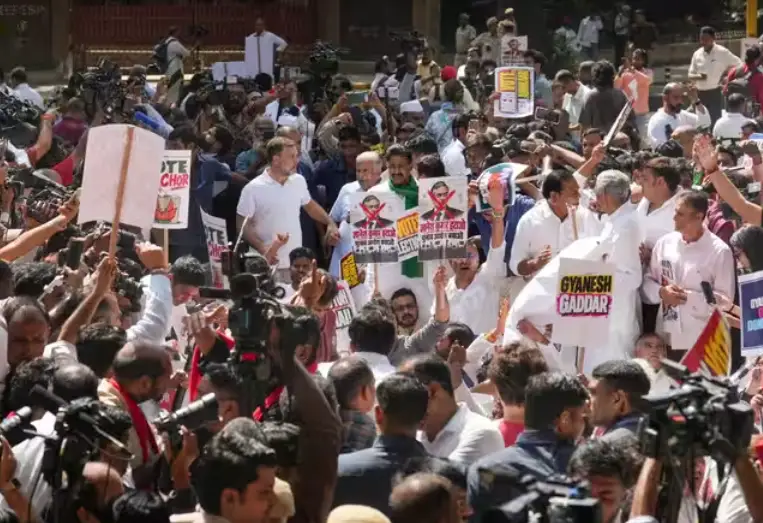
The INDIA bloc is intensifying its campaign against Chief Election Commissioner Gyanesh Kumar, combining street protests with a legal challenge to the law that provides protection to election commissioners from certain legal proceedings.

Opposition leaders are gathering in Delhi for a fresh round of political activity, with the alliance planning to approach Chief Justice of India Surya Kant. Its proposed representation will raise allegations of electoral irregularities, the legal protection available to election commissioners, and the process used to select the Chief Election Commissioner.

The campaign follows several days of protests against Gyanesh Kumar, with the Opposition demanding accountability over allegations of vote theft and irregularities in electoral processes.

INDIA bloc questions legal protection for election commissioners

Congress president Mallikarjun Kharge criticised the law enacted in 2023 that provides legal protection to the Chief Election Commissioner and other Election Commissioners.

Speaking in Bengaluru, Kharge questioned why election commissioners had been granted what he described as special protection from legal accountability.

He alleged that the protection was followed by instances of vote theft, electronic voting machine manipulation and electoral fraud. These are allegations made by the Congress leader and should not be treated as established findings.

Kharge also argued that the legal safeguards could undermine accountability for actions taken by election commissioners.

The INDIA bloc’s proposed memorandum will challenge the 2023 law’s provisions concerning protection from investigation or punishment after retirement. It will also raise the issue of the Chief Justice’s exclusion from the selection process for the Chief Election Commissioner.

Opposition to submit memorandum to Chief Justice

The INDIA bloc has already met President Droupadi Murmu and submitted a memorandum outlining its concerns.

The alliance now plans to meet Chief Justice of India Surya Kant at around 5 pm on Monday, October 12, according to the report.

The proposed representation will detail the Opposition’s allegations against Gyanesh Kumar and raise concerns about the legal framework governing election commissioners.

It will also include allegations of vote theft through the Electronically Transmitted Postal Ballot System (ETPBS). The Opposition intends to present documentary evidence in support of its claims.

The allegations and evidence are to be presented by the alliance; their inclusion in the memorandum does not, by itself, establish electoral wrongdoing.

Rahul Gandhi postpones Goa visit as protests continue

Congress leader Rahul Gandhi has postponed a scheduled visit to Goa and has met party general secretaries and other leaders as the INDIA bloc prepares for its next steps.

The Congress has instructed all its Lok Sabha and Rajya Sabha members to remain in Delhi.

The Opposition’s campaign has continued since October 6, when INDIA bloc leaders marched from Parliament towards the Election Commission’s office. The protest drew national attention after several prominent leaders, including Rahul Gandhi and Priyanka Gandhi Vadra, were detained.

The alliance subsequently held demonstrations in central Delhi, including a gathering following a lunch meeting and a sit-in at Rajghat.

The protests centre on demands for accountability from the Chief Election Commissioner over alleged electoral irregularities.

INDIA bloc cites scale of security deployment

Opposition leaders said that more than 30,000 police personnel and over 7,000 paramilitary troops had been deployed in Delhi over Saturday and Sunday.

They also said that around 3,000 protesters attempting to join the Cockroach Janata Party’s demonstration against Gyanesh Kumar were detained on Saturday.

The INDIA bloc leaders argued that the scale of the mobilisation required an unprecedented response, reflecting their determination to continue the campaign through protests and legal channels.

The developments mark a further expansion of the Opposition’s campaign, which is now proceeding on two fronts: demonstrations against the Chief Election Commissioner and a proposed legal challenge to the protections and procedures governing the Election Commission.

Continue Reading

Trending

© Copyright 2022 APNLIVE.com