
India News
BSP chief Mayawati suspends seven MLAs for anti-party activities
The BSP’s move comes a day after six of her party MLAs were reportedly met Samajwadi Party chief Akhilesh Yadav to switch the party. Four of them had filed an affidavit, said their signatures on the party candidate Gautam’s nomination for the Rajya Sabha polls had been forged.


Bahujan Samaj Party Chief on Thursday suspended seven MLAs of her party with immediate effect for their involvement in anti-party activities. The seven MLAs including Chaudhary Aslam Ali, Hakim Lal Bind, Mohammad Mujtaba Siddiqui, Aslam Raini, Sushma Patel, Hargovind Bhargava and Bandana Singh were suspended for opposing the nomination of the party’s official candidate Ramji Gautam for the elections to the Rajya Sabha.
The BSP’s move comes a day after six of her party MLAs were reportedly met Samajwadi Party chief Akhilesh Yadav to switch the party. Four of them had filed an affidavit, said their signatures on the party candidate Gautam’s nomination for the Rajya Sabha polls had been forged. Meanwhile, the suspended MLAs confirmed that they don’t have any plans to join any other party. However, the move turned out to be futile when seven of BSP MLAs opposed its official candidate Ramji Gautam’s nomination for the elections to the 10 Rajya Sabha seats from Uttar Pradesh that are falling vacant.
One of the BSP MLA said it is up to the party president to take whatever action she feels is right. Another BSP MLA, Hakim Lal Bind, said her decision is acceptable and welcomed. She is the party president and has all the rights to take appropriate actions against the Rebel MLAs. He said only the time will tell whom the MLAs have to meet in the future.

Earlier, Mayawati had said she withdrew the state guesthouse case in the interest of alliance. She said withdrawing state guest house case 1995 was a mistake in her life. On the request of SP chief Akhilesh Yadav, the BSP withdrew the infamous state guesthouse case against Mulayam Singh Yadav. The BSP and the SP had contested together as the Mahagathbandhan against the BJP in the Lok Sabha elections 2019. She also blamed the Samajwadi Party for being anti-Dalit.
Also Read: J&K: 3 BJP workers shot dead by terrorists in Kulgam
Elections to 10 Uttar Pradesh seats in the Rajya Sabha and 11 seats in the state’s Legislative Council are due over the next few months.







India News
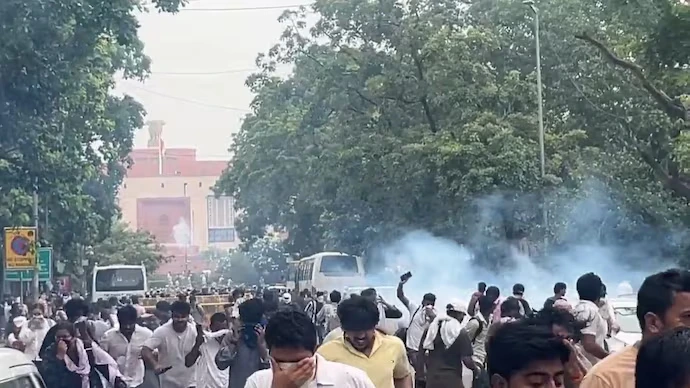
Delhi deploys 25,000 personnel, installs CCTV cameras ahead of CJP march
More than 25,000 police and paramilitary personnel have been deployed in Delhi ahead of the CJP’s planned protest march at Connaught Place. Authorities have also imposed restrictions and stepped up CCTV surveillance.

India News
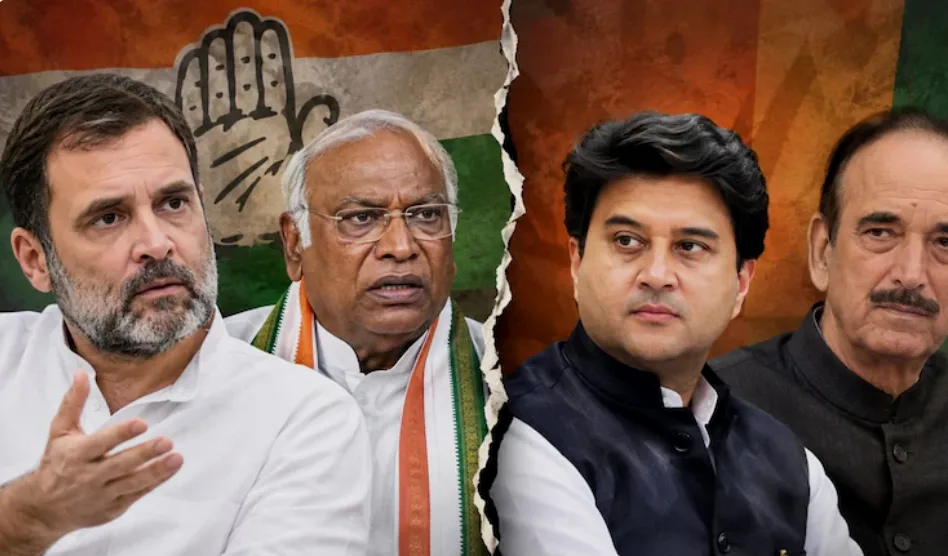
Mallikarjun Kharge’s ‘Your Friends’ jab at Rahul Gandhi over congress exits
Congress president Mallikarjun Kharge took a dig at Rahul Gandhi after the Leader of the Opposition reportedly described former party leaders Jyotiraditya Scindia and Ghulam Nabi Azad as among those who had left the Congress.
India News
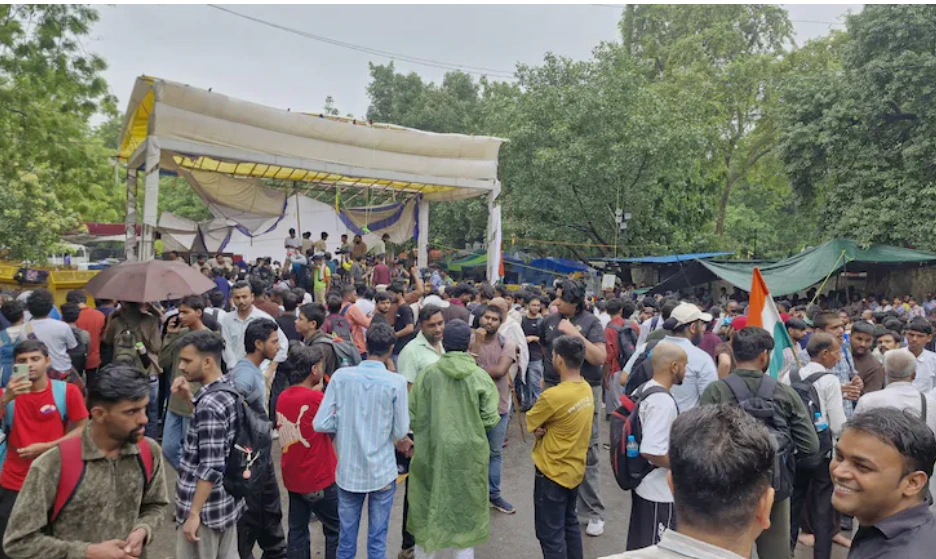
Delhi Police offers 11-person limit for CJP’s Connaught Place protest
Delhi Police has offered to facilitate a group of 11 people at Central Park in Connaught Place for the Cockroach Janata Party’s October 16 protest, while warning that violations of prohibitory orders could invite legal action.

India-US trade deal first phase finalised, drafting underway

Election Commission orders voter roll revision in 17 states, UTs

Actor Imran Khan asked to leave India after CJP protest

Delhi Police offers 11-person limit for CJP’s Connaught Place protest

Mallikarjun Kharge’s ‘Your Friends’ jab at Rahul Gandhi over congress exits

Magnitude 7 earthquake strikes Russia’s Kamchatka Peninsula

Delhi deploys 25,000 personnel, installs CCTV cameras ahead of CJP march
Mallikarjun Kharge’s ‘Your Friends’ jab at Rahul Gandhi over congress exits
Delhi Police offers 11-person limit for CJP’s Connaught Place protest
Actor Imran Khan asked to leave India after CJP protest

Afghan Men Try To Hang With The Jet Engine Of The Aircraft in Kabul- Afghanistan News – Kabul News
Trending Top 10 News: 10000 Crore Fine on Flipkart, Apple to Launch Unique Feature, Hdfc Bank Job Ad

Trending Top 10 News: Nokia 6310, Apple sales, Bachpan ka Pyar Video Kid, Dainik Bhaskar IT Raid

Trending Top 10 News: Canada bans Indian flights, Rain in Delhi NCR, AIMIM Twitter hacked, Raj Kundra case

Trending Top 10 News: Shein India, Apple New Service, Pocket Oxygen, Oppo Launched New Phone
-
 India News23 hours ago
India-US trade deal first phase finalised, drafting underway
-
 India News21 hours ago
Election Commission orders voter roll revision in 17 states, UTs
-
 India News20 hours ago
Actor Imran Khan asked to leave India after CJP protest
-
 India News19 hours ago
Delhi Police offers 11-person limit for CJP’s Connaught Place protest
-
 India News8 hours ago
Mallikarjun Kharge’s ‘Your Friends’ jab at Rahul Gandhi over congress exits
-
 India News7 hours ago
Delhi deploys 25,000 personnel, installs CCTV cameras ahead of CJP march
-
 Latest world news7 hours ago
Magnitude 7 earthquake strikes Russia’s Kamchatka Peninsula
