
India News
Cong interim president Sonia Gandhi says no ill-will towards members who seeking organisational elections and revamp of the party.
Though Congress interim president Sonia Gandhi had confirmed that there would be no ill-will towards those who had written the letter asking for organisational elections and revamp of the party.


All is not well within the Congress party. After the letter episode it seems battlelines have been drawn among the so-called luyalists and dissenters. Though Congress interim president Sonia Gandhi had confirmed that there would be no ill-will towards those who had written the letter asking for organisational elections and revamp of the party. However, the recent formation of committees showed that the so-called dissenters have been sidelined in the party.
On the other hand signatories of the letter are still waiting for the party high command to take constructive steps towards restructuring of party setup. One of the signatories said, We are no more in a position to say that Rahul Gandhi will be able to lead the party and help us get 400 seats in 2024. We must realise that in two Lok Sabha elections in 2014 and 2019, the party hasn’t been able to get the required seats.
In recent months, there have been growing calls for Rahul Gandhi to return as Congress chief. Rahul had quit after the 2019 election debacle and two months later his mother Sonia Gandhi returned as interim chief.

Asserting that the battle is not about individuals but about issues, a signatory of the letter reiterated his commitment to the party and said helping build an alternative narrative based on the sound constitutional values will help the Congress.
According to him, most of the letter-writers say that being in politics for a long time, they are committed to the party and have the highest regard for Sonia Gandhi. They say the issues that have been raised will help the party survive and succeed in taking on the BJP.
On whether they have been side-lined by the party’s new parliamentary line-up, the letter-writers say too much is being read into it. The committee existed earlier too and the only new thing is the addition of Jairam Ramesh as chief whip; P Chidambaram as chairman of the ordinances committee will also be part of the committee, they said.
Read Also: Centre mulls over GST compensation plans: no clear signals yet
The letter-writers say they will continue to meet and discuss their concerns and are focused on raising them despite “loyalists and sycophants” attacking them and building a narrative that Rahul Gandhi is a natural leader.








India News
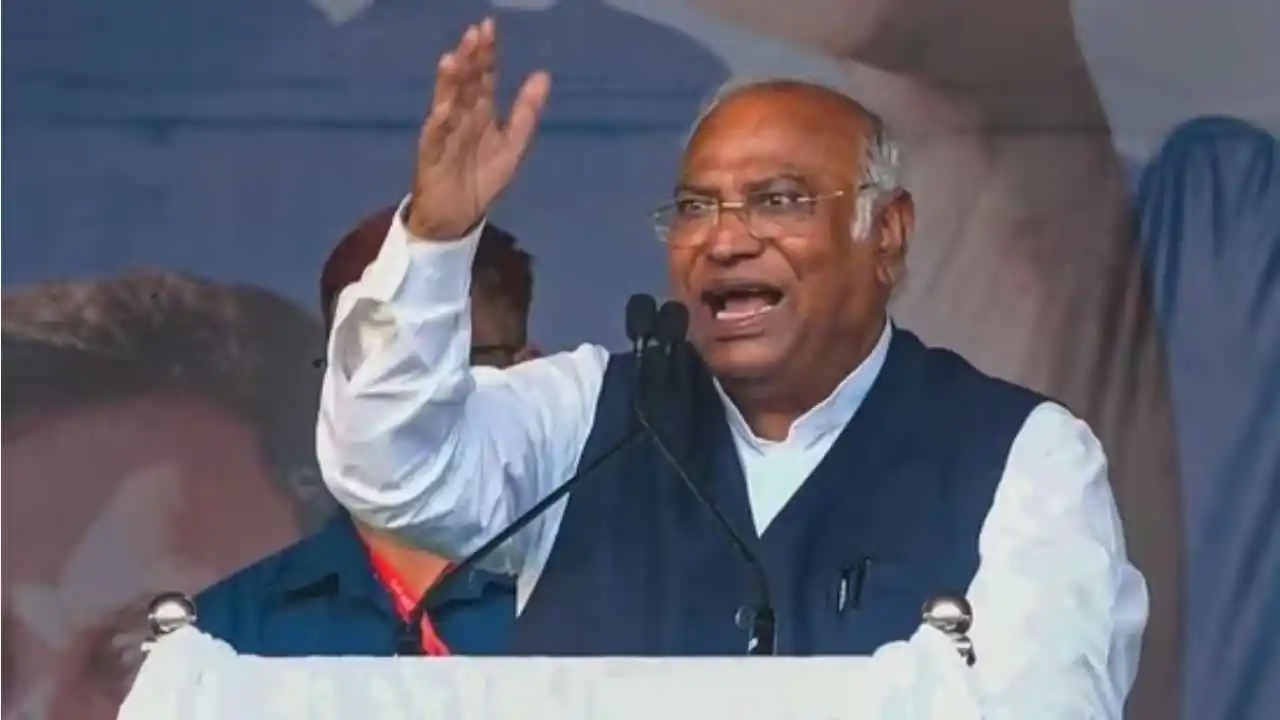
Mallikarjun Kharge seeks all-party meeting with PM Modi on delimitation
Congress president Mallikarjun Kharge has written to Prime Minister Narendra Modi for the fourth time, seeking an all-party meeting on delimitation. He also flagged the 64-day delay in proroguing Parliament’s Monsoon Session.

India News
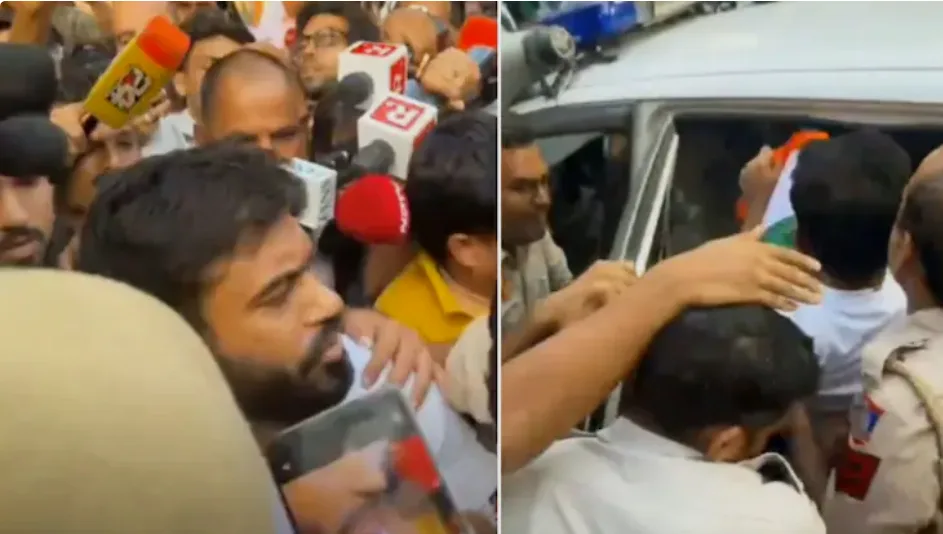
Abhijeet Dipke detained ahead of CJP’s national flag march in Delhi
Cockroach Janta Party founder Abhijeet Dipke was detained by Delhi Police on October 16, 2026, shortly before a planned national flag march. The proposed rally followed the judicial custody of two CJP members who had waved the Tricolour at Jantar Mantar.
India News
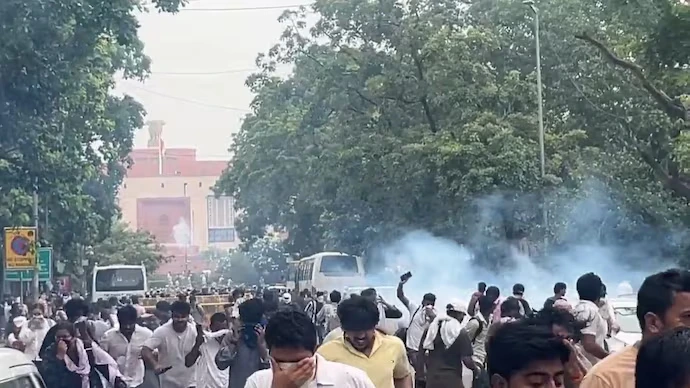
Delhi deploys 25,000 personnel, installs CCTV cameras ahead of CJP march
More than 25,000 police and paramilitary personnel have been deployed in Delhi ahead of the CJP’s planned protest march at Connaught Place. Authorities have also imposed restrictions and stepped up CCTV surveillance.

Election Commission orders voter roll revision in 17 states, UTs

Delhi Police offers 11-person limit for CJP’s Connaught Place protest

Actor Imran Khan asked to leave India after CJP protest

Magnitude 7 earthquake strikes Russia’s Kamchatka Peninsula

Mallikarjun Kharge’s ‘Your Friends’ jab at Rahul Gandhi over congress exits

Mallikarjun Kharge seeks all-party meeting with PM Modi on delimitation

Abhijeet Dipke detained ahead of CJP’s national flag march in Delhi
Magnitude 7 earthquake strikes Russia’s Kamchatka Peninsula

Delhi deploys 25,000 personnel, installs CCTV cameras ahead of CJP march
Mallikarjun Kharge’s ‘Your Friends’ jab at Rahul Gandhi over congress exits

Afghan Men Try To Hang With The Jet Engine Of The Aircraft in Kabul- Afghanistan News – Kabul News
Trending Top 10 News: 10000 Crore Fine on Flipkart, Apple to Launch Unique Feature, Hdfc Bank Job Ad

Trending Top 10 News: Nokia 6310, Apple sales, Bachpan ka Pyar Video Kid, Dainik Bhaskar IT Raid

Trending Top 10 News: Canada bans Indian flights, Rain in Delhi NCR, AIMIM Twitter hacked, Raj Kundra case

Trending Top 10 News: Shein India, Apple New Service, Pocket Oxygen, Oppo Launched New Phone
-
 India News24 hours ago
Election Commission orders voter roll revision in 17 states, UTs
-
 India News22 hours ago
Delhi Police offers 11-person limit for CJP’s Connaught Place protest
-
 India News23 hours ago
Actor Imran Khan asked to leave India after CJP protest
-
 Latest world news10 hours ago
Magnitude 7 earthquake strikes Russia’s Kamchatka Peninsula
-
 India News11 hours ago
Mallikarjun Kharge’s ‘Your Friends’ jab at Rahul Gandhi over congress exits
-
 India News10 hours ago
Delhi deploys 25,000 personnel, installs CCTV cameras ahead of CJP march
-
 India News1 hour ago
Abhijeet Dipke detained ahead of CJP’s national flag march in Delhi
-
 India News7 mins ago
Mallikarjun Kharge seeks all-party meeting with PM Modi on delimitation
