India News
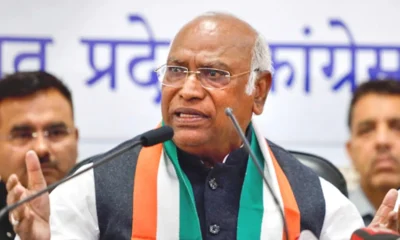
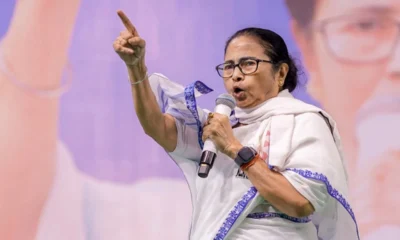
Mamata Banerjee holds crucial meeting with TMC MLAs amid party rebellion in West Bengal
Mamata Banerjee has called a crucial meeting of TMC MLAs amid growing dissent and claims by a rebel faction, with party unity under intense scrutiny.









India News
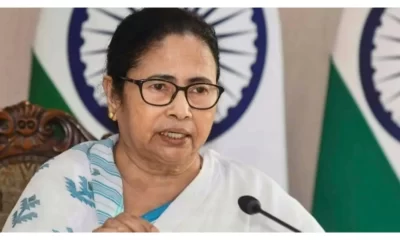
Farooq Abdullah’s Kashmir remark wrong, says Ghulam Nabi Azad
Ghulam Nabi Azad has criticised Farooq Abdullah over his remarks on Pakistan’s role in the Kashmir issue, saying successive Indian governments have contributed to Jammu and Kashmir’s development since 1947.

India News
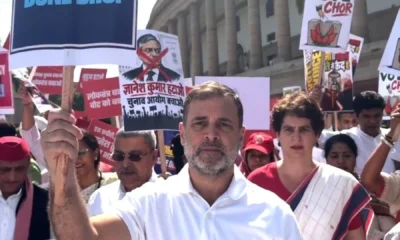
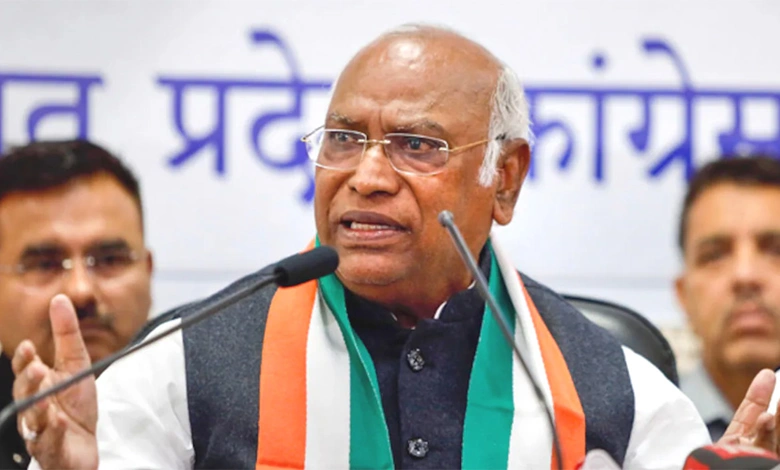
BJP to hold nationwide protests over Mallikarjun Kharge’s remarks on PM Modi
The BJP plans nationwide protests against Mallikarjun Kharge over his remarks at an event in Patna. The party has described the comments as offensive and demanded an apology from the Congress president.
India News
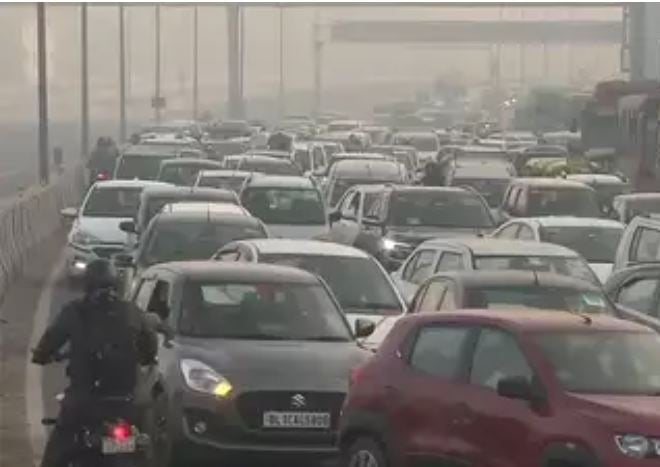
Delhi’s non-BS-VI vehicle ban from November 1 to hit NCR commuters
Delhi will restrict the entry of non-BS-VI vehicles registered outside the capital from November 1 to January 31. The move could affect daily commuters from Noida, Greater Noida, Gurugram, Faridabad and Ghaziabad.
Delhi’s non-BS-VI vehicle ban from November 1 to hit NCR commuters

BJP to hold nationwide protests over Mallikarjun Kharge’s remarks on PM Modi
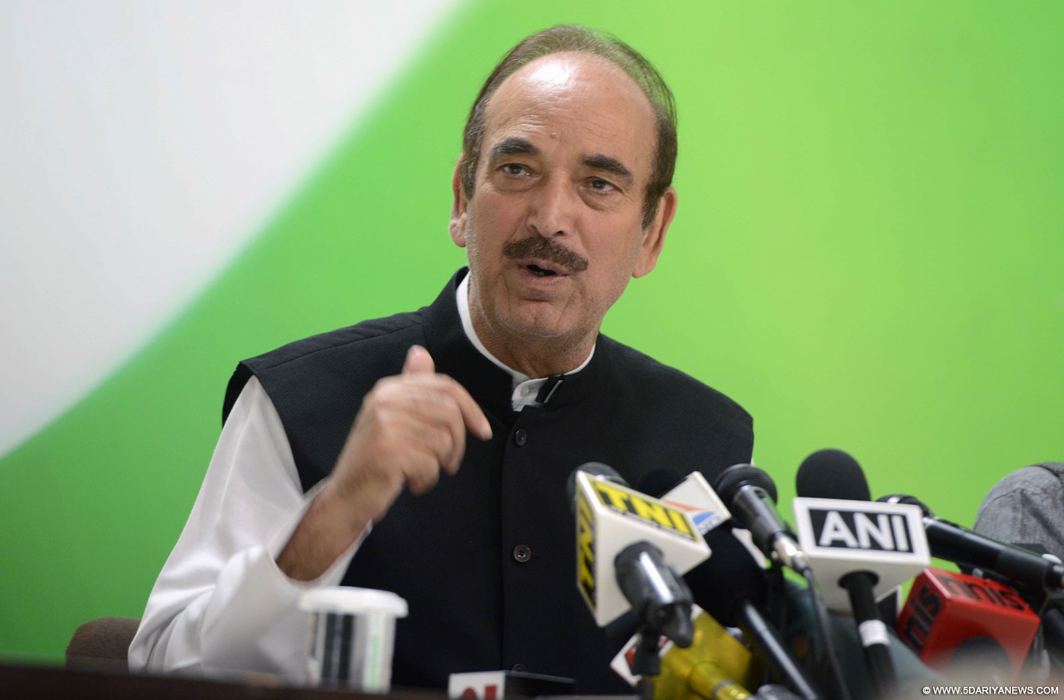
Farooq Abdullah’s Kashmir remark wrong, says Ghulam Nabi Azad
Farooq Abdullah’s Kashmir remark wrong, says Ghulam Nabi Azad
BJP to hold nationwide protests over Mallikarjun Kharge’s remarks on PM Modi
Delhi’s non-BS-VI vehicle ban from November 1 to hit NCR commuters

Delhi’s winter pollution persists despite emergency curbs under GRAP

Farooq Abdullah’s Pakistan remarks spark row, BJP demands action

Afghan Men Try To Hang With The Jet Engine Of The Aircraft in Kabul- Afghanistan News – Kabul News
Trending Top 10 News: 10000 Crore Fine on Flipkart, Apple to Launch Unique Feature, Hdfc Bank Job Ad

Trending Top 10 News: Nokia 6310, Apple sales, Bachpan ka Pyar Video Kid, Dainik Bhaskar IT Raid

Trending Top 10 News: Canada bans Indian flights, Rain in Delhi NCR, AIMIM Twitter hacked, Raj Kundra case