Political tensions in Andhra Pradesh have escalated during the ongoing local body election nomination process, with Chief Minister Chandrababu Naidu and YSR Congress Party (YSRCP) chief YS Jagan Mohan Reddy trading allegations over violence, intimidation and the conduct of elections.
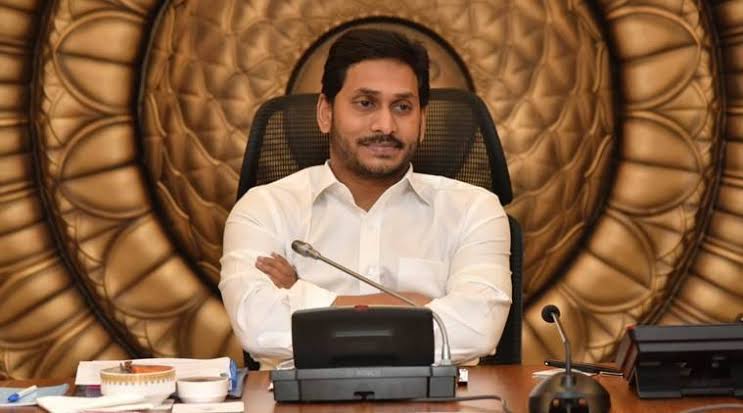
Jagan Mohan Reddy, a former chief minister, has demanded the immediate imposition of President’s Rule in the state. He has accused the ruling Telugu Desam Party (TDP)-led coalition government of using the police and administrative machinery to intimidate opposition candidates and obstruct the filing of nominations.
Naidu, meanwhile, has accused the YSRCP of resorting to violence and using court cases to obstruct government initiatives. The rival accusations have intensified the political confrontation ahead of the local body elections.
Chandrababu Naidu’s ‘DNA’ remark triggers political row
On Monday, Naidu accused the YSRCP of creating disturbances in several constituencies and alleged that criminal elements from other states were being brought into areas including Punganur, Rayachoti, Dharmavaram, Tirupati, Pulivendula and Darsi.
The Andhra Pradesh Chief Minister also criticised the opposition over its legal challenges concerning issues such as the Special Intensive Revision (SIR) of electoral rolls and reservations for Backward Classes.
Accusing the opposition of using allegations of injustice to obstruct administrative and electoral processes, Naidu said, “Violence is in their DNA.”
The remark added to the ongoing political exchange between the ruling coalition and the YSRCP.
Jagan alleges intimidation of opposition candidates
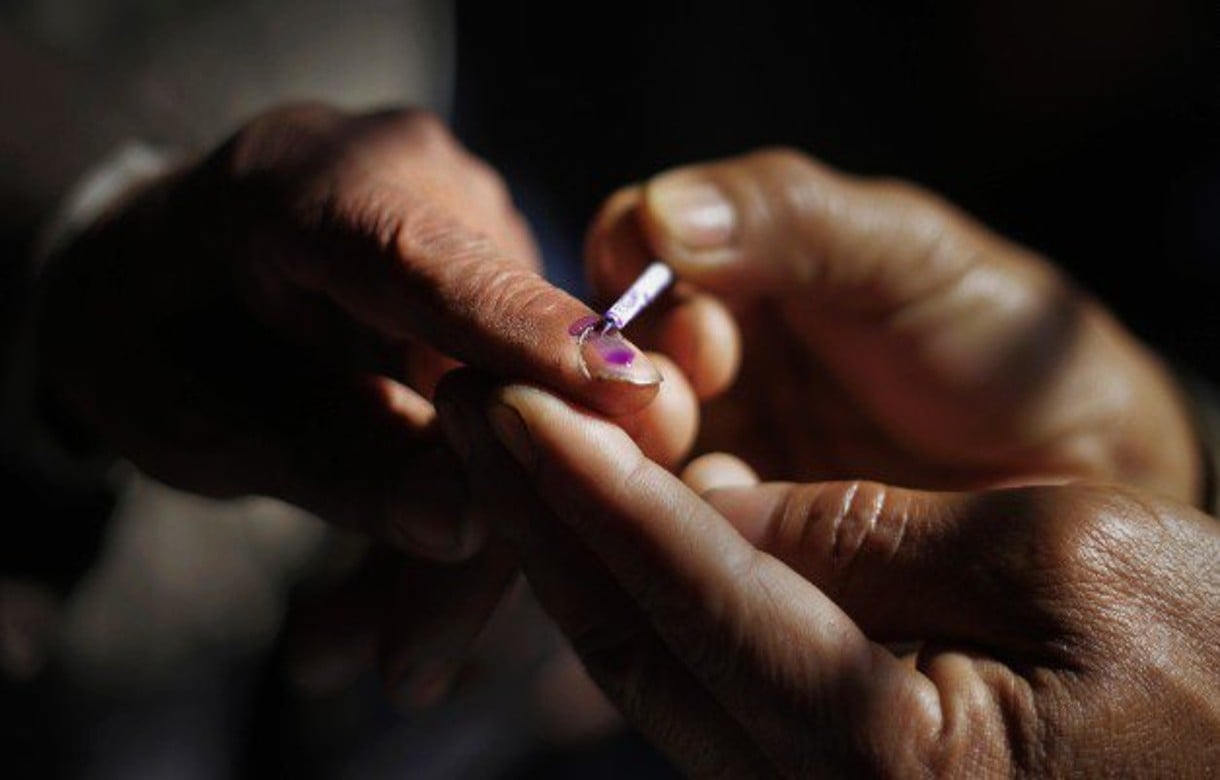
Jagan Mohan Reddy has accused the TDP-led government of creating an environment in which opposition candidates are unable to file their nominations freely.
The YSRCP chief alleged that party candidates were threatened with knives and sticks at nomination centres and that nomination papers were snatched or torn. He also accused police personnel of acting against opposition candidates and party leaders.
Reddy further alleged that police officials were picking up candidates during the night to prevent them from participating in the election process.
He claimed that three YSRCP MPs who accompanied candidates as proposers were also targeted and that their nomination papers were snatched and torn in the presence of police personnel.
These claims form part of the opposition party’s allegations against the state government. The ruling side has disputed the YSRCP’s account and accused it of politicising the violence.
Tensions reported during nomination scrutiny in Kuppam
The political confrontation coincided with tensions in Kuppam, Naidu’s home constituency in Chittoor district, on Monday during the scrutiny of nominations for local body elections.
Workers of the TDP and YSRCP allegedly clashed near a nomination centre. Police resorted to a lathi-charge to disperse the rival groups.
Several people were injured and taken to hospitals in ambulances, according to the report. Candidates and party workers were also seen running for safety as the situation turned tense.
An official confirmation of the injuries and police action was awaited at the time of the report.
Jagan calls for central intervention
Demanding immediate central government intervention, Jagan Mohan Reddy alleged that constitutional institutions in Andhra Pradesh were being undermined and that democratic rights were being violated.
He called for the imposition of President’s Rule and sought the deployment of central paramilitary forces to help ensure free and fair local body elections. He also demanded CCTV coverage of the entire election process.
The demand follows the YSRCP chief’s allegations that opposition candidates are being prevented from filing nominations and that police personnel are failing to protect them.
The ruling coalition has rejected the opposition’s allegations, leaving the two sides locked in a dispute over responsibility for the violence and the fairness of the electoral process.
Andhra Pradesh local body election schedule
The Andhra Pradesh State Election Commission, headed by State Election Commissioner Anil Chandra Punetha, announced the election schedule on October 14.
According to the announced timetable:
- Urban local bodies: Polling for 100 urban local bodies is scheduled for October 28, with counting on October 30.
- MPTC and ZPTC elections: Polling for Mandal Parishad Territorial Constituencies and Zilla Parishad Territorial Constituencies is scheduled for November 3, with counting on November 5.
- Gram Panchayat elections: Polling is scheduled in three phases on November 26, November 29 and December 2.
The nomination process has become a fresh point of confrontation between the ruling coalition and the YSRCP, with both sides accusing the other of undermining the democratic process.