English हिन्दी
Connect with us

Top Stories

Allu Arjun granted interim bail after arrest over Hyderabad stampede incident

Published

on

Allu Arjun

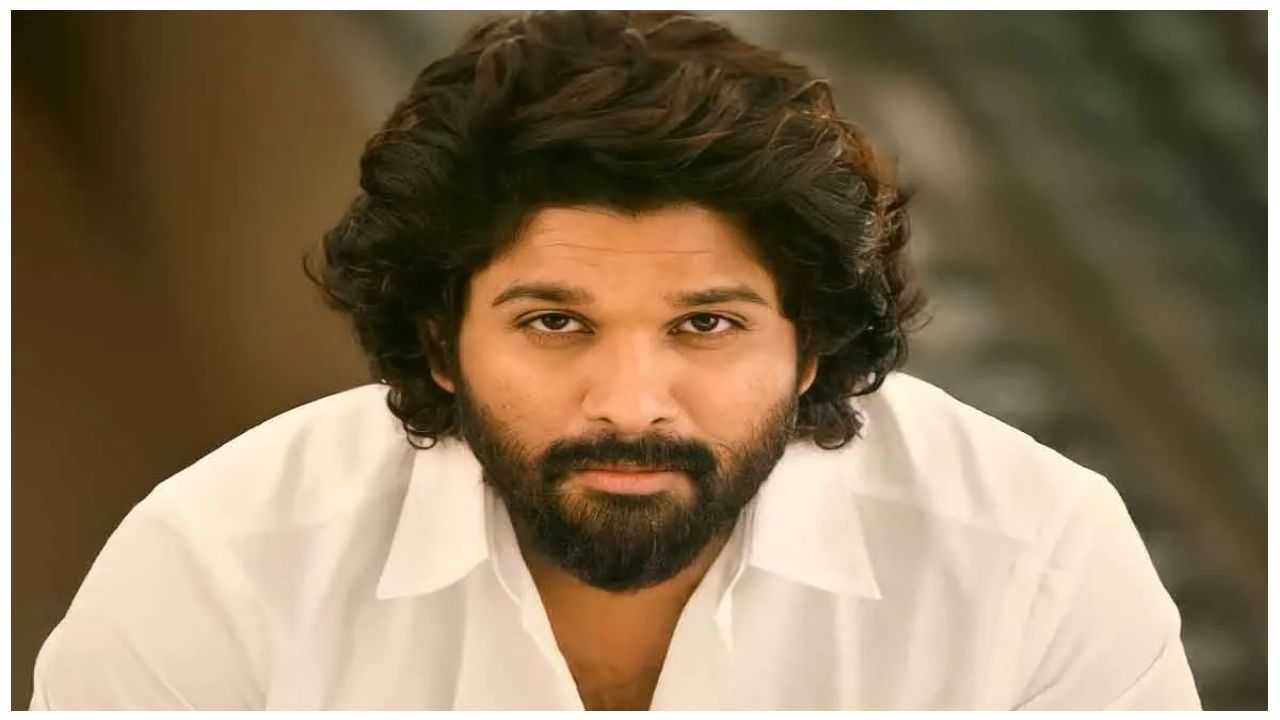
Telugu superstar Allu Arjun, who was arrested on Friday afternoon in connection with a stampede at Hyderabad’s Sandhya Theatre, has been granted interim bail by the Telangana High Court. The tragic incident occurred on December 3 during an unscheduled appearance by the actor at a special screening of his much-anticipated film, Pushpa 2: The Rule.

The stampede led to the death of a woman and left her nine-year-old son with serious injuries. Following the arrest, the High Court ordered Mr. Arjun’s release on interim bail for four weeks, citing his constitutional right to liberty. The court also emphasized that “being an actor does not justify prolonged detention.”

Allu Arjun was taken into custody from his residence in Jubilee Hills earlier in the day and brought to the Chikkadpally Police Station. According to the actor, the police allegedly entered his bedroom to execute the arrest, a move that his family, including his father, veteran filmmaker Allu Aravind, strongly criticized.

The arrest followed a complaint filed by the husband of the woman who lost her life in the incident. The complaint alleged that the actor and the theatre’s management failed to notify local authorities about his appearance, resulting in inadequate crowd control measures.

However, representatives from Allu Arjun’s office and the Sandhya Theatre management countered these claims, insisting that the police were informed well in advance. To substantiate this, a letter purportedly sent to the authorities detailing the actor’s planned visit was released shortly after his arrest.

Earlier, a lower court had remanded Allu Arjun to judicial custody for 14 days and dismissed his plea to delay the arrest until Monday. This prompted his legal team to approach the High Court for relief. On December 11, the actor also filed a petition seeking to have the case quashed entirely.

Hyderabad Police have launched an investigation into two critical aspects of the case: whether the actor had prior permission from authorities to appear at the theatre and whether he was authorized to interact with fans in the vicinity.

The incident has raised questions about crowd management at high-profile events and the responsibility of organizers in ensuring public safety. As the legal process continues, the spotlight remains firmly on one of Telugu cinema’s biggest stars.

Also Read: Actor Allu Arjun arrested over Hyderabad theatre stampede

India News

J&K Kathua Firing: Jawan kills 4 colleagues, including officer

Four personnel, including an officer, were killed after a jawan opened fire on colleagues at a camp in Jammu and Kashmir’s Kathua.

Published

on

Four personnel, including an officer, were killed after a jawan opened fire on his colleagues at a camp in Jammu and Kashmir’s Kathua, according to the report.

The incident took place at a security camp in Kathua, where the jawan allegedly opened fire on fellow personnel. Four colleagues were killed in the firing.

An officer was among those killed in the incident. Further details about the circumstances surrounding the firing and the sequence of events are being reported as authorities investigate the incident.

The incident comes after similar cases of personnel opening fire on colleagues at security-force camps have been reported in different parts of the country. However, no conclusion about the reason behind the Kathua firing should be drawn without an official account of the incident.

The focus of the investigation will be on establishing what led to the firing and the circumstances in which the four personnel were killed.

Continue Reading

India News

Revanth Reddy under fire for Ram rich, Shiva poor remark

Telangana CM Revanth Reddy’s remarks describing Lord Ram as the “God of the rich” and Lord Shiva as the “God of the poor” have drawn BJP criticism.

Published

on

Telangana Chief Minister A Revanth Reddy has faced criticism from the BJP after making remarks comparing the political use of Lord Ram and Lord Shiva during an event in New Delhi.

Speaking at The Conclave 2026 on Monday, September 28, Revanth Reddy contrasted the BJP’s use of the “Jai Shri Ram” slogan with the “Hara Hara Mahadev” chant. He said both Lord Ram and Lord Shiva are deities, before drawing a political and social comparison between the two.

What Revanth Reddy said about Ram and Shiva

Revanth Reddy said the BJP places greater emphasis on “Jai Shri Ram”, while people in southern India commonly use “Hara Hara Mahadev”.

He questioned why BJP leaders do not use the “Hara Hara Mahadev” slogan as frequently.

The Telangana Chief Minister then made the remark that has drawn attention, saying that Lord Ram is the “God of the rich” and Lord Shiva is the “God of the poor”. He also linked the comparison to his broader argument about differences between political and cultural traditions in northern and southern India.

Reddy further described the political-cultural divide using the terms “Dravidians” for the South and “Aryans” for the North, while saying that people in the South are more associated with devotion to Shiva and people in the North with devotion to Ram.

BJP criticism of Revanth Reddy

The remarks have triggered criticism from the BJP, bringing the religious comparison into the ongoing political exchanges between the BJP and the Congress.

Reddy’s comments came in the context of a wider political speech in which he criticised the BJP-led central government on issues including the Election Commission, the Special Intensive Revision (SIR) of electoral rolls and the proposed delimitation of Lok Sabha constituencies.

Revanth Reddy’s wider remarks at the event

During the same event, the Telangana Chief Minister also alleged that the political situation was no longer simply a “North versus South” divide but had become a “Gujarat versus the entire country” situation.

He criticised the Centre over what he described as inadequate support for Telangana’s development projects and raised concerns about the possible impact of population-based delimitation on southern states. These were statements and allegations made by Reddy during the event.

Reddy also criticised the SIR exercise and called for a nationwide “SIR Go Back” movement. He alleged that the revision process could lead to the removal of voters and questioned the role of the Election Commission. These claims were made by the Chief Minister and are presented as his allegations, rather than independently established facts.

Why Revanth Reddy’s Ram-Shiva remark matters

The “Ram for rich, Shiva for poor” comment has become the most prominent part of Reddy’s remarks because it directly connects religious symbolism with his political argument about the BJP and Congress.

The statement was made as part of a broader discussion about the perceived political and cultural differences between northern and southern India. The BJP’s criticism of the comment has added another point of contention to the political exchange between the two parties.

Continue Reading

India News

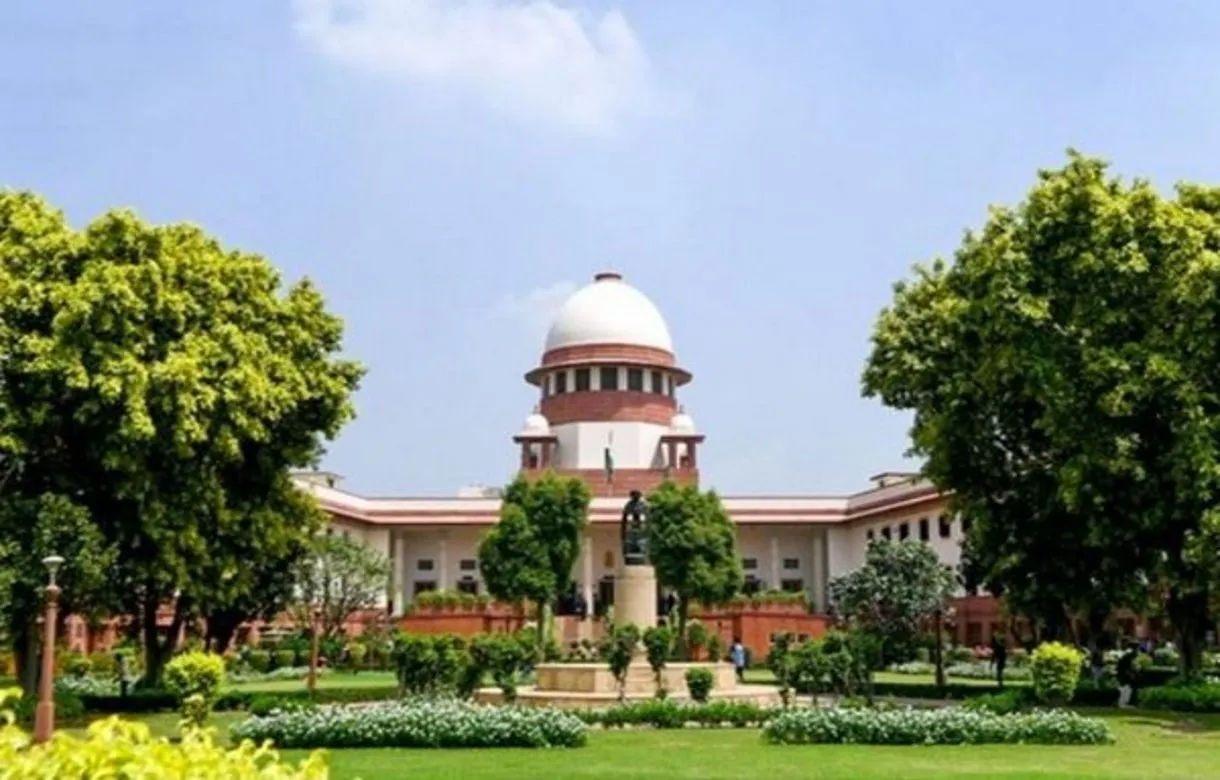
Supreme Court gives ECI four months to decide TMC name, symbol dispute

The Supreme Court has directed the Election Commission of India to decide the dispute over the All India Trinamool Congress name and ‘Flowers & Grass’ symbol within three months after completion of pleadings.
Published

on

The Supreme Court has directed the Election Commission of India (ECI) to decide the dispute over the All India Trinamool Congress (AITC) name and its ‘Flowers & Grass’ election symbol within a defined timeline.

The order came while the court was hearing a plea filed by Mamata Banerjee challenging the Election Commission’s interim decision to freeze the use of the party’s original name and reserved symbol amid competing claims between rival factions.

The court has given the parties four weeks to complete their pleadings, including responses, affidavits and counter-affidavits. The ECI will then have three months to adjudicate the dispute. This effectively establishes a four-month timeline for completion of the process.

What did the Supreme Court direct?

The Supreme Court directed the contesting sides to place their responses and other documents on record within four weeks.

After the pleadings are completed, the Election Commission has been asked to take three months to decide the dispute concerning the party’s name and election symbol. The matter is being considered under Paragraph 15 of the Election Symbols (Reservation and Allotment) Order, 1968.

The Supreme Court’s directions therefore provide a structured timeline for the ECI’s adjudication of the competing claims.

Why is the TMC name and symbol dispute before the Supreme Court?

The case follows an interim decision by the Election Commission in September to prevent the rival factions from using the All India Trinamool Congress name and the reserved ‘Flowers & Grass’ symbol while the competing claims are examined.

The Commission had said the dispute required a substantive determination under Paragraph 15 of the Election Symbols (Reservation and Allotment) Order, 1968.

Mamata Banerjee subsequently approached the Supreme Court challenging the ECI’s interim arrangement. The Supreme Court is examining the challenge while the substantive dispute remains before the poll panel.

What names and symbols are being used temporarily?

Following the Election Commission’s interim decision, the two rival factions were allotted separate identities for the upcoming by-elections.

The faction led by Mamata Banerjee was allotted the name Mamata All India Trinamool Congress and the Football Player symbol. The rival faction was allotted the name Democratic Trinamool Congress and the Envelope symbol.

These are interim arrangements and do not amount to a final determination of which faction is entitled to the original AITC name and ‘Flowers & Grass’ symbol.

What happens next in the TMC symbol dispute?

The immediate next step is for the rival sides to complete their pleadings within four weeks.

Once that stage is completed, the ECI has three months to decide the dispute. The Supreme Court has thus effectively provided a four-month framework for the proceedings to reach a decision.

Continue Reading

Trending

© Copyright 2022 APNLIVE.com